
日本語English
[Definitive Guide] Tom Anderson Guitars: Features, Notable Players, and Popular Models
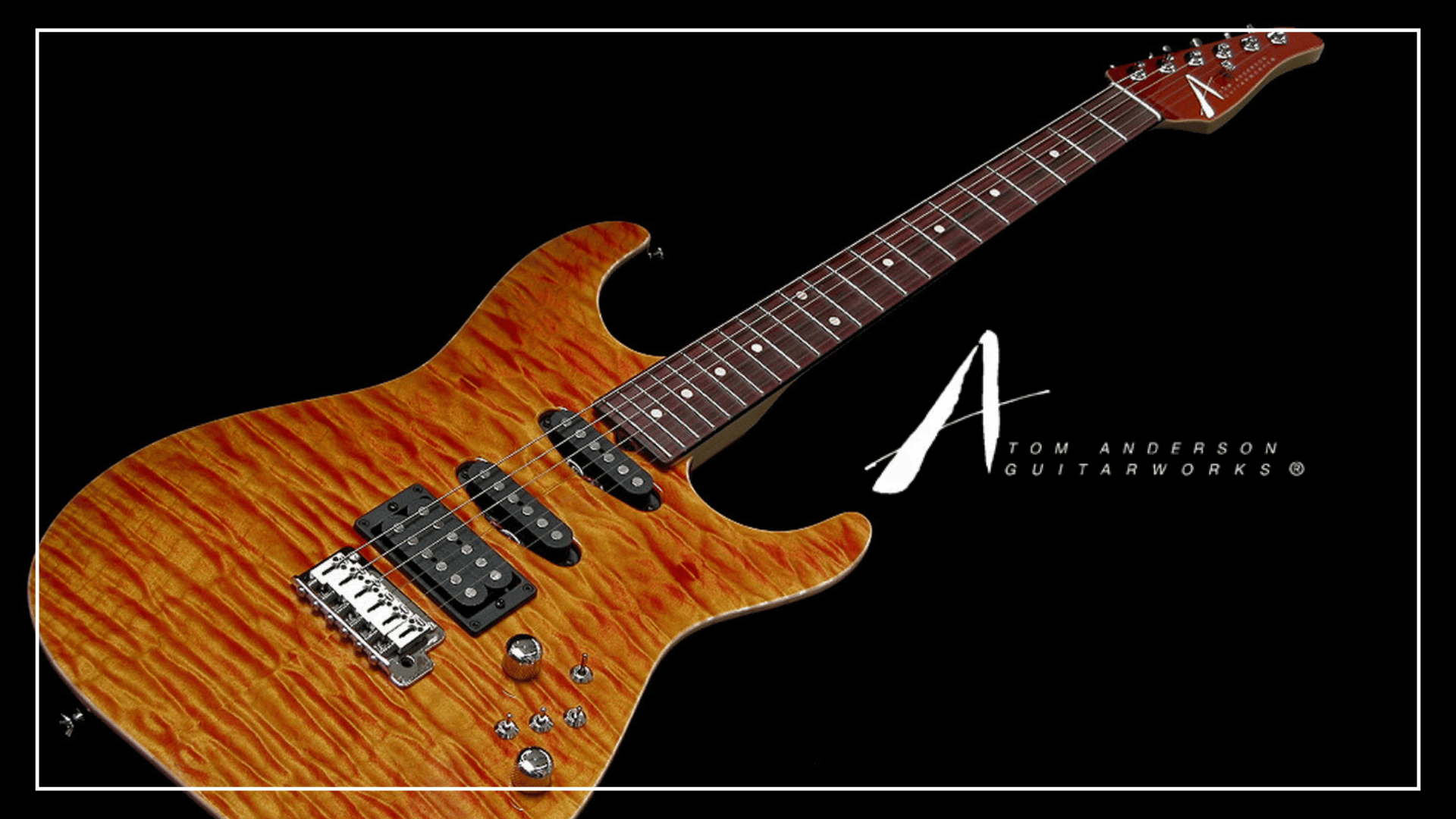
XTONES is a participant in affiliate programs including Amazon Associates and Reverb. We may earn a commission from qualifying purchases made through links on this page, at no extra cost to you.
Contents (21)
A legendary name often spoken of in the high-end guitar world:
Tom Anderson
Known for supreme build quality and refined tone, Tom Anderson stands alongside giants like Suhr and PRS.
This guide covers the history of Tom Anderson Guitarworks, key models and specs, famous users, and real-world reviews.
We'll also answer common questions like "How does Tom Anderson compare to Suhr?" and "What does a Drop Top sound like?"
Tom Anderson | History and Appeal
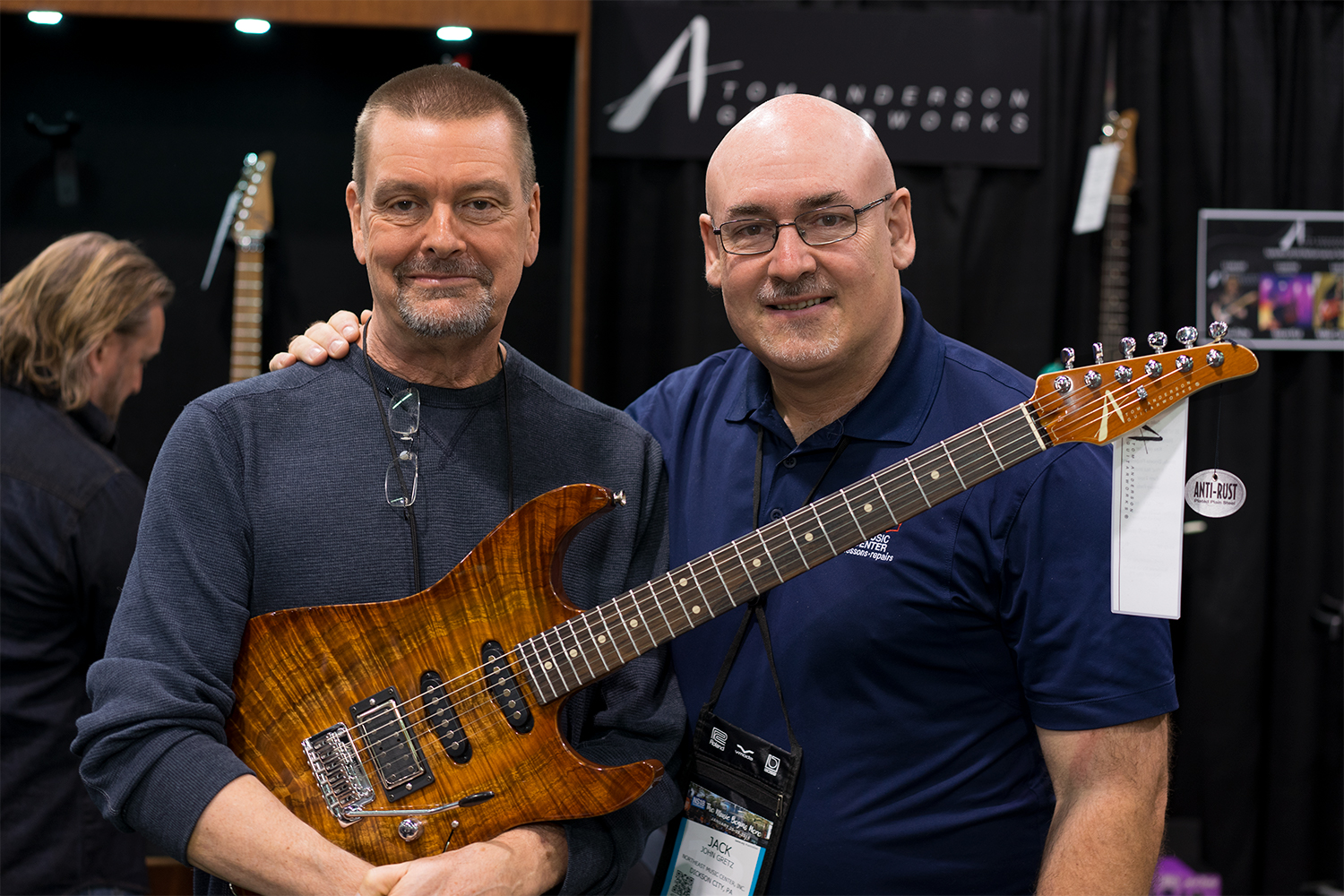
A High-End Legacy Built by a Legendary Luthier
Tom Anderson is a boutique guitar brand founded in California in 1984. Drawing on his experience building guitars at Schecter, founder Tom Anderson launched Tom Anderson Guitarworks to bring his vision of the ideal instrument to life.
Alongside Suhr and James Tyler, Tom Anderson is considered a pioneer of modern boutique guitars. In the 1990s, they earned a reputation among pros for building "the finest guitars on the planet." American session players in particular praise the brand's balance of precision, tone, and effortless feel, making Tom Anderson a go-to choice in top studios.
Blending Precision Machining with Master Craftsmanship
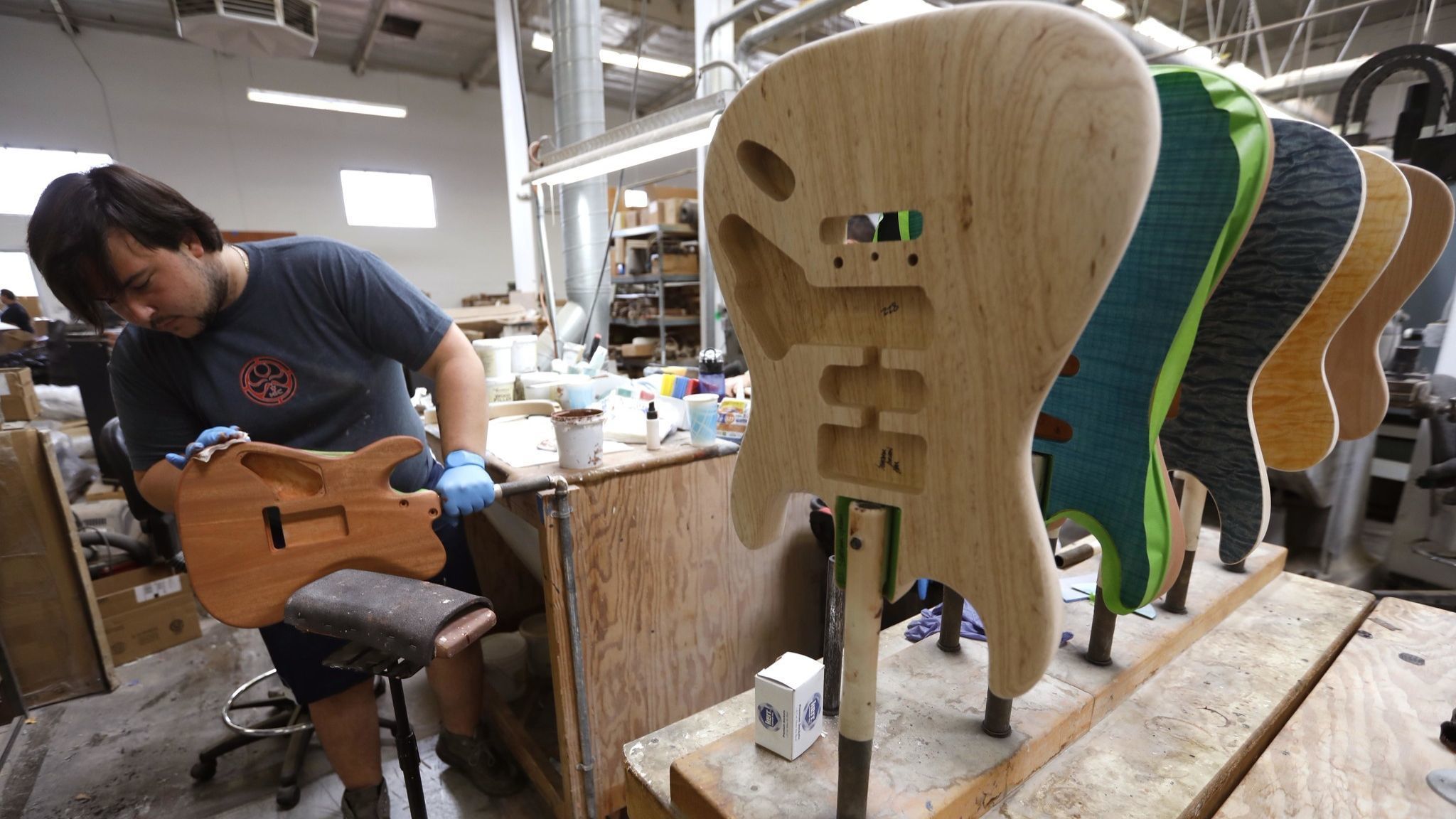
One major reason Tom Anderson guitars are revered is their uncompromising precision and quality control. They were early adopters of CNC routers, achieving tolerances down to 0.01 mm in woodworking. However, these aren't mass-produced factory instruments—final setup and finishing are done by hand by master craftsmen, creating a hybrid of digital precision and traditional art.
Everything from neck relief and joint fit to finish thickness is meticulously controlled, yielding such consistency that players often say there are no "duds." This commitment stems from limiting production numbers to prioritize quality over quantity.
Innovative Designs for Unmatched Playability
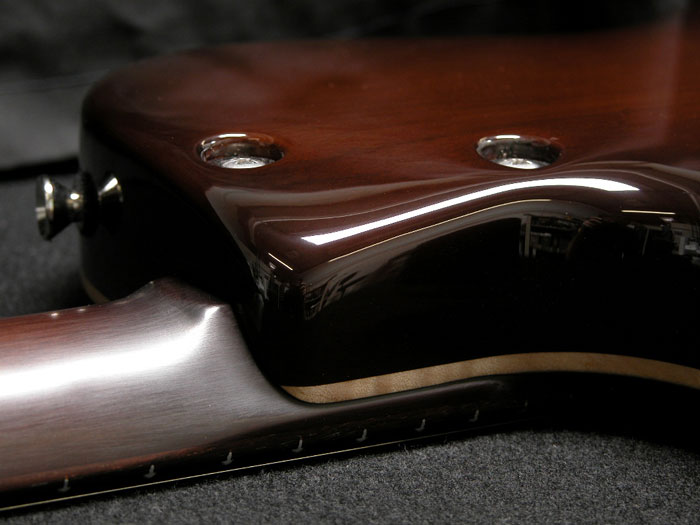
One signature Tom Anderson feature is the proprietary A-Wedgie neck joint. Unlike standard bolt-on joints, it uses two screws and a tapered neck pocket to create seamless body-to-neck integration similar to a set neck. Beyond transferring string vibration efficiently, players praise its effortless upper-fret access and smooth feel.
Tom Anderson was also an early adopter of modern performance features like stainless steel frets and the Buzz Feiten Tuning System. They pack their guitars with real-world features professional players need, including spot-on intonation and long-lasting fret life.
Modern Features with Musical Character
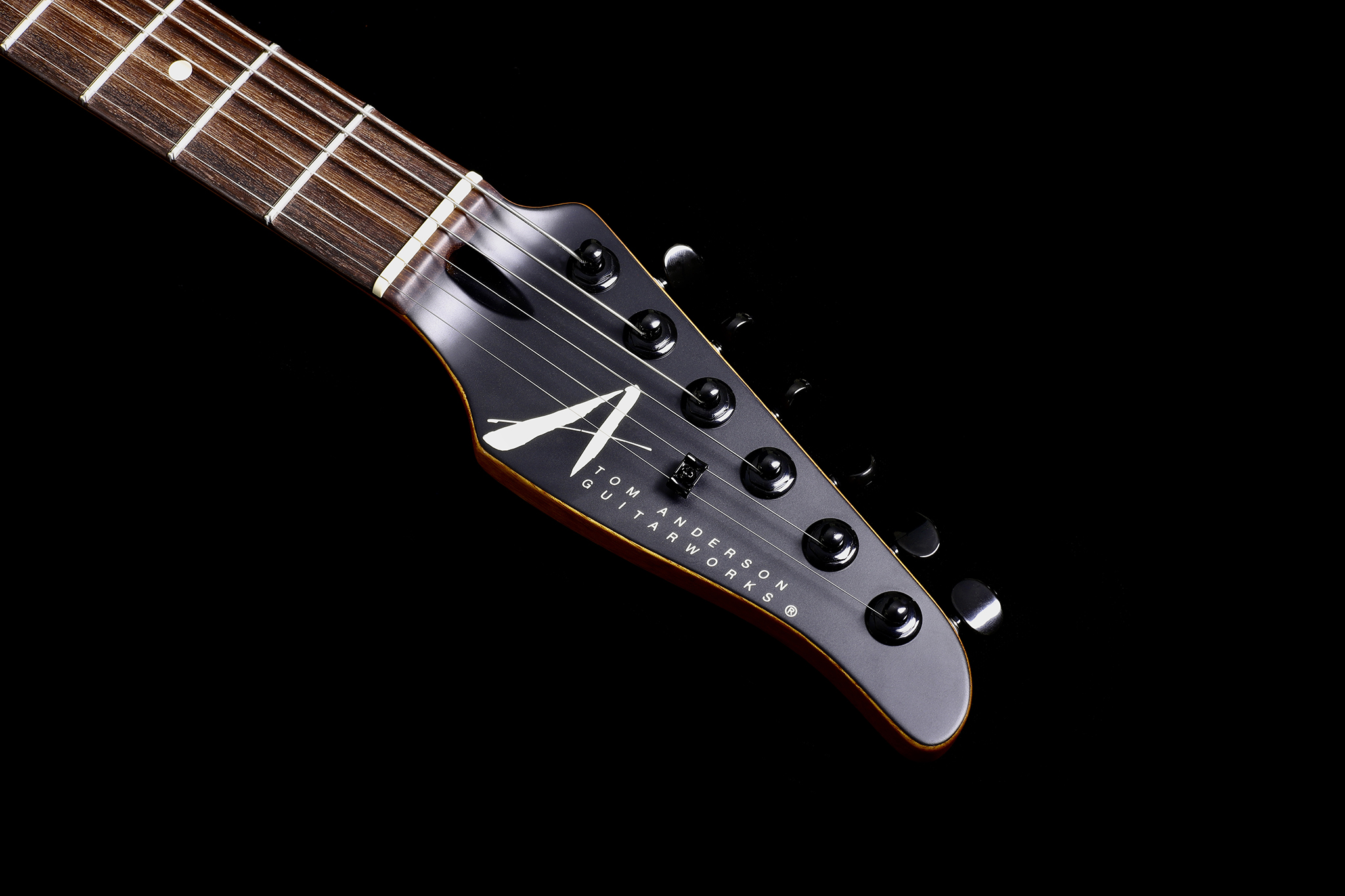
While Tom Anderson guitars look and act modern, they are far more than just feature-packed spec sheets. Focus is placed heavily on musical expression—delivering wide-range clarity, immediate articulation that cuts through the mix, and great responsiveness to effects pedals.
As a result, they have become go-to versatile instruments across all genres for touring pros and enthusiasts alike. For guitarists looking for a single instrument that can handle any gig, Tom Anderson is an ideal choice.
Limited Production and Rarity
Tom Anderson Guitarworks remains a small team with limited annual production. This hands-on policy ensures strict quality control, maintaining true artisan craftsmanship in every single guitar.
Because of this limited supply, pre-owned Tom Anderson guitars are relatively scarce on the market, with clean examples commanding steady demand. They hold strong appeal both as working tools and as instruments that retain their value.
Tom Anderson vs. Suhr: Key Differences
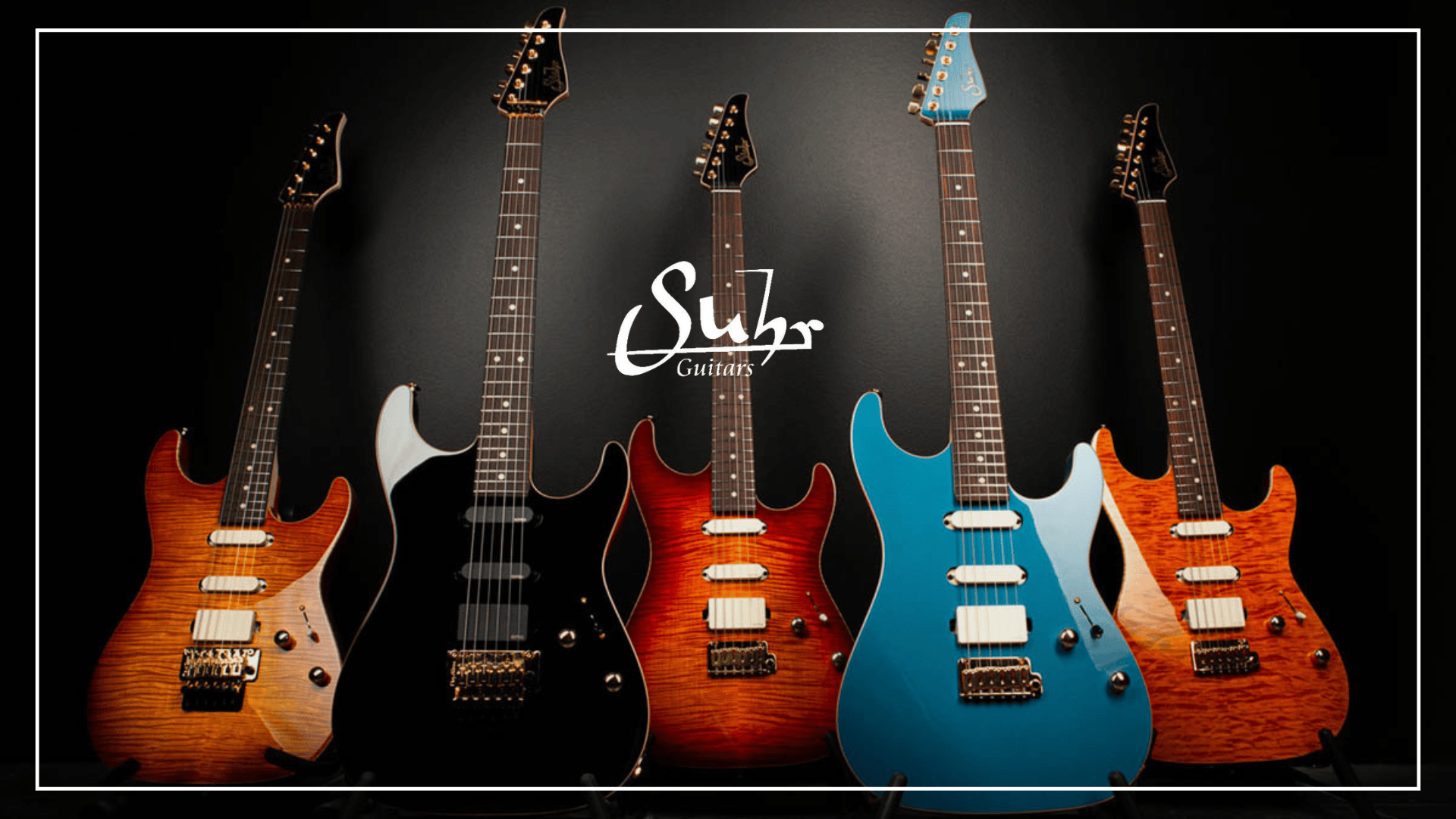
Tom Anderson is frequently compared to Suhr. Both share roots in Fender/Schecter craftsmanship, early adoption of CNC technology, and standard features like stainless steel frets.
While Suhr leans heavily into versatile specs and sleek modern functionality, Tom Anderson balances modern precision with a slightly more classic aesthetic and feel. Both build top-tier instruments, but many players feel Tom Anderson delivers a slightly warmer, rounder edge with exceptional tonal focus.
Tom Anderson | Key Models and Features
While Tom Anderson models often take visual cues from classic Stratocaster or Telecaster shapes, underneath they feature fully modern engineering designed for pro demands.
Below, we break down the most popular models, covering body woods, construction, tonal character, and real-world playability.
The Classic – Vintage Aesthetics Meets Modern Strat Performance
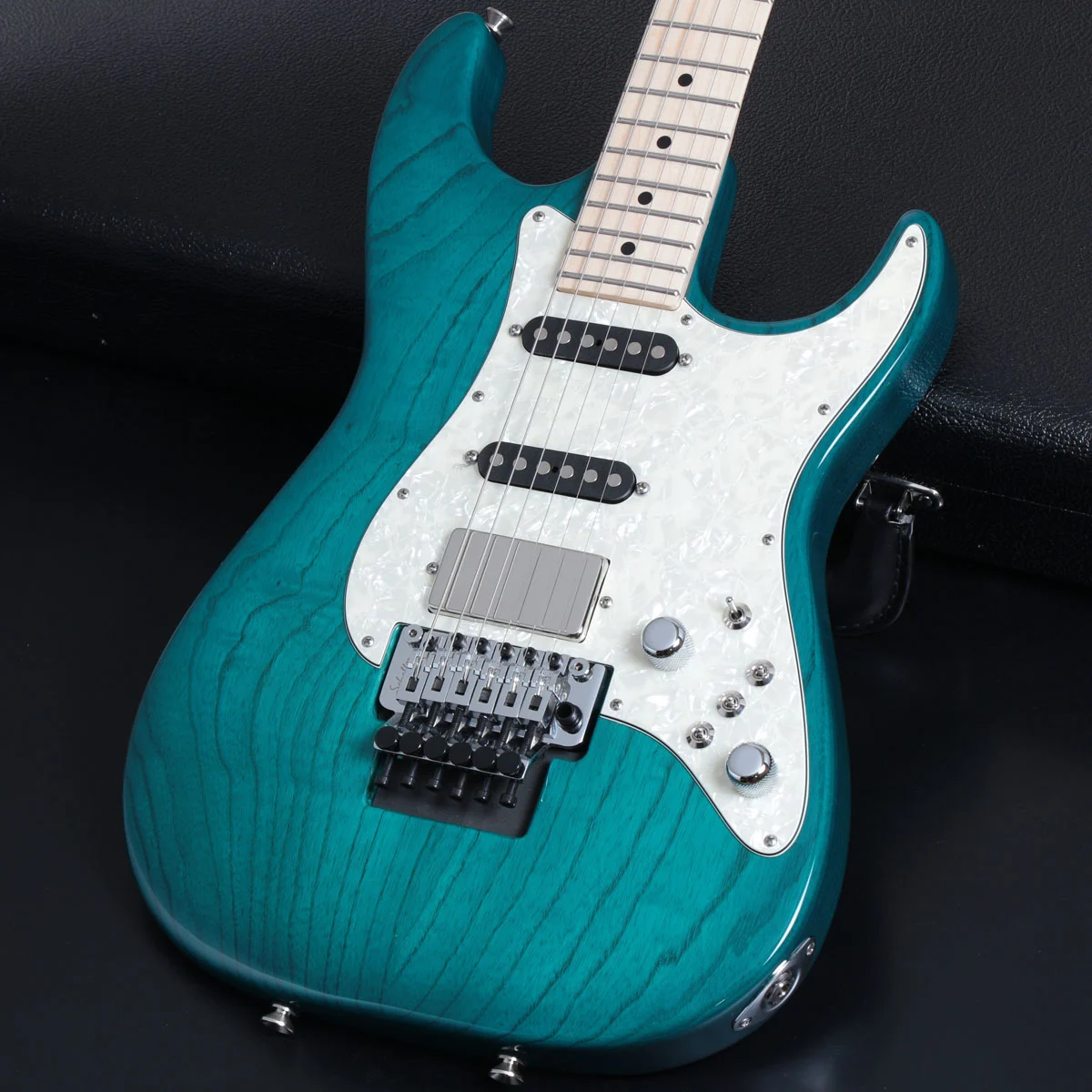
While it sports a traditional look at first glance, the Classic S is fully modern under the hood.
Based on a classic S-style platform, it re-engineers playability, tuning stability, and noise suppression for working guitarists.
- Alder or swamp ash body, maple neck, with rosewood or maple fretboard
- 22 frets, 25.5-inch scale length, stainless steel frets standard
- SSS or HSS pickup configurations are most popular, featuring highly rated proprietary pickups
- Buzz Feiten Tuning System and Silent Circuit yield low noise and precise intonation
Positioned right between vintage character and modern hi-fi clarity, it appeals to players wanting classic vibe combined with flawless performance.

Drop Top / Drop Top Classic – Flagship Models Combining Depth, Beauty, and Power
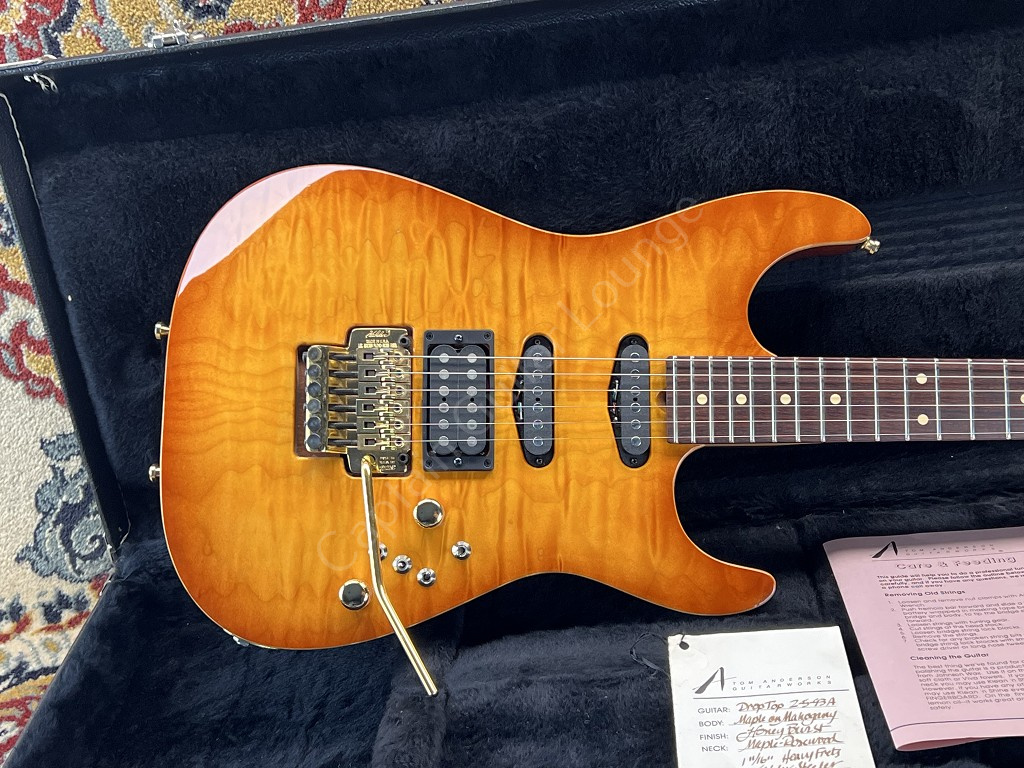
The signature flagship model of Tom Anderson.
The Drop Top gets its name from its proprietary design, where **a beautifully figured maple top is dropped over the body contour** much like a carved top. Zero compromise on either playability or aesthetics.
- Quilt or flame maple top over a basswood or alder back
- Stunning premium finishes (Cherry Burst, Tiger Eye, Bora Bora Blue, etc.)
- Supports versatile pickup configurations including HSS, HH, and HSH
- The Classic version features a pickguard and a slightly traditional feel
While positioned to compete directly with the Suhr Standard, its tone is noticeably thicker, denser, and richer.
It stands as one of the definitive answers for players seeking a modern Strat-style guitar.

Angel – The Pinnacle of Superstrat Evolution
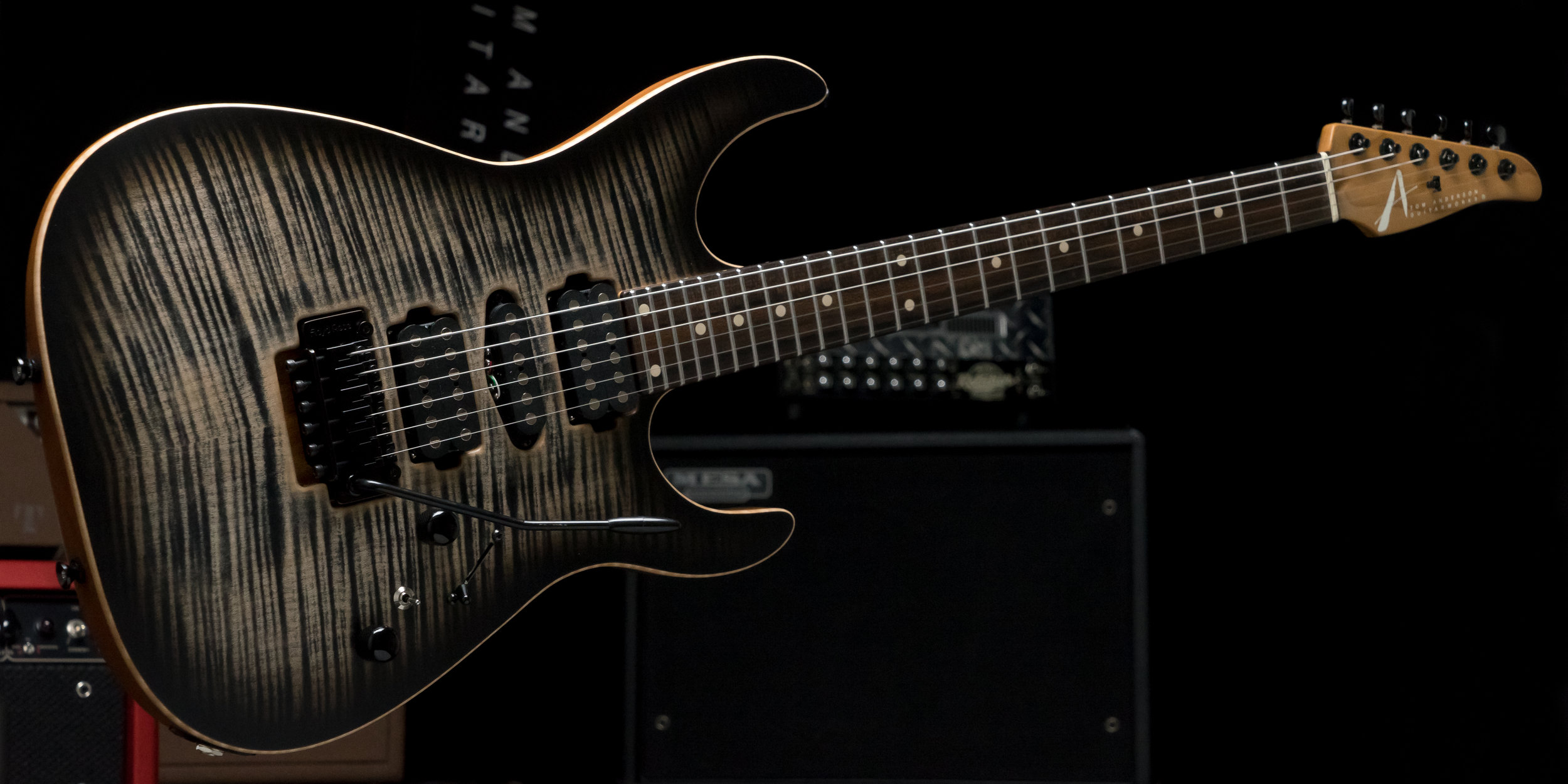
A 24-fret, ultra-high-spec Strat-style guitar that delivers everything modern high-gain players expect.
The Angel packs far more features than its sleek look suggests—retaining the charm of the Drop Top while fully optimizing playability in the higher frets.
- 24-fret spec, stainless steel frets, and a slim neck profile
- Typically features a basswood body with a maple top, predominantly in HSH or HH pickup configurations
- Many builds feature the Switcheroo mini-switch system for extraordinary tonal versatility
- Available with either a vintage-style or Floyd Rose-style tremolo
For players seeking a versatile instrument that goes far beyond traditional Strat limits, it is the ideal guitar made reality.
It effortlessly covers everything from pristine West Coast cleans to heavy high-gain saturation.

Cobra / Cobra S – A short-scale monster with Gibson-style flavor
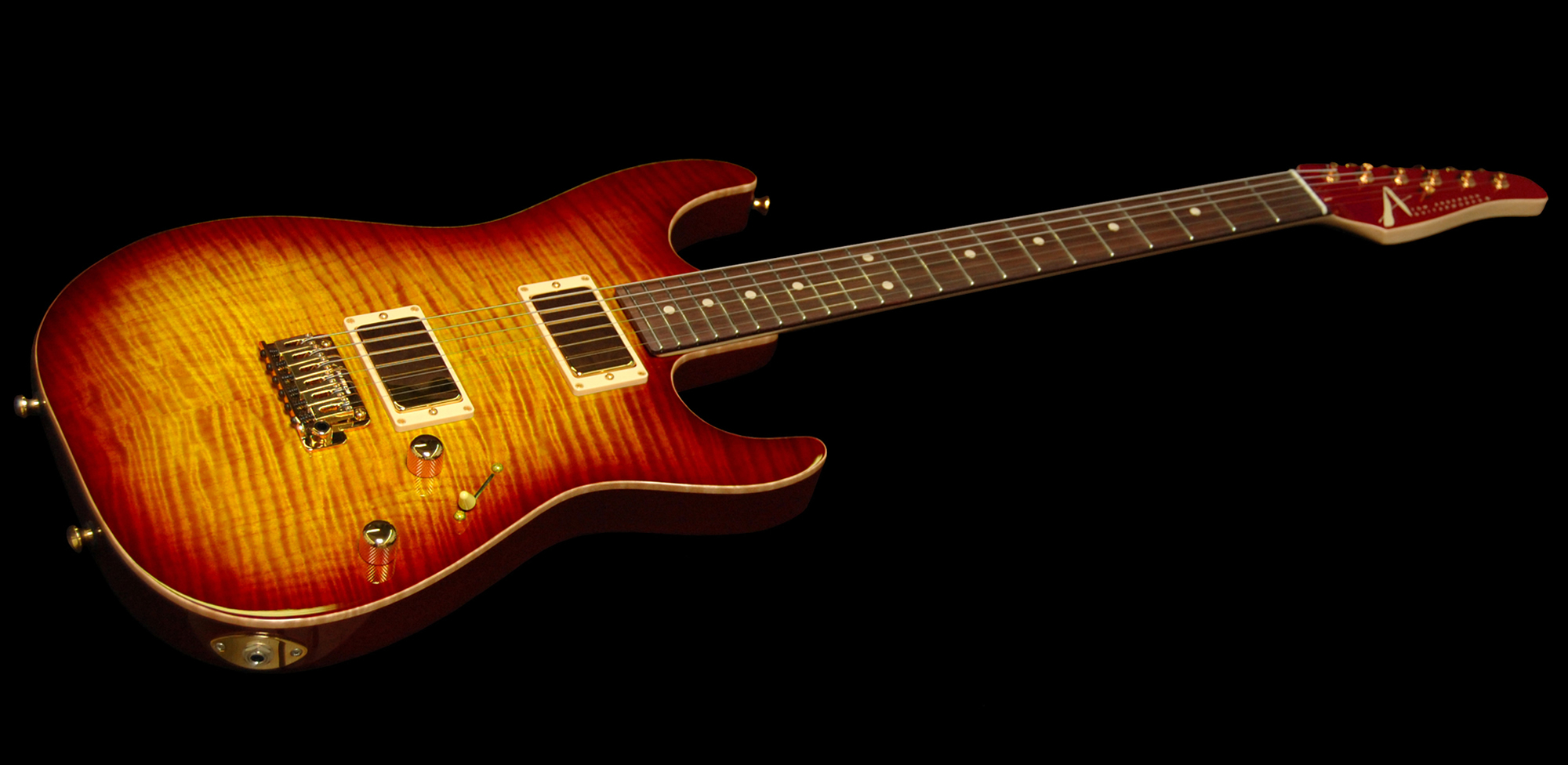
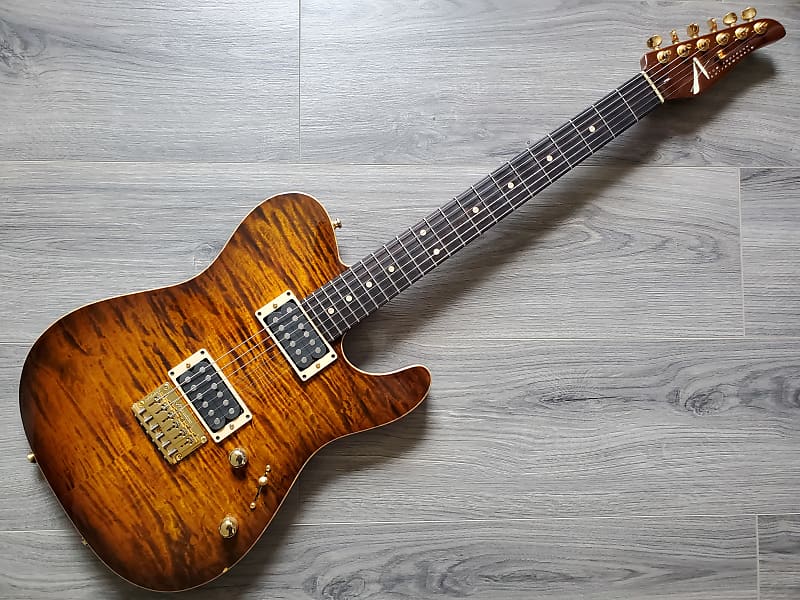
It looks like a Fender, but play a single note and you might mistake it for a Les Paul...
The Cobra series features a unique build pairing a Gibson scale length (24.75 inches) with a mahogany body—a rare combination in the guitar world.
- Delivers the fatness, rich sustain, and rounded initial attack characteristic of short-scale instruments
- Often features a mahogany back with a maple top, giving a Strat-style body full humbucker tone
- Available in HH or P-90 pickup configurations, making it popular with rock players who want heavy sound pressure
The Cobra S uses a Strat-style body shape, while the Cobra T leans toward a Tele.
If you want Fender looks with Gibson tone under the hood, this model hits the spot.

Bobcat – Tom Anderson’s Reinterpretation of the Les Paul
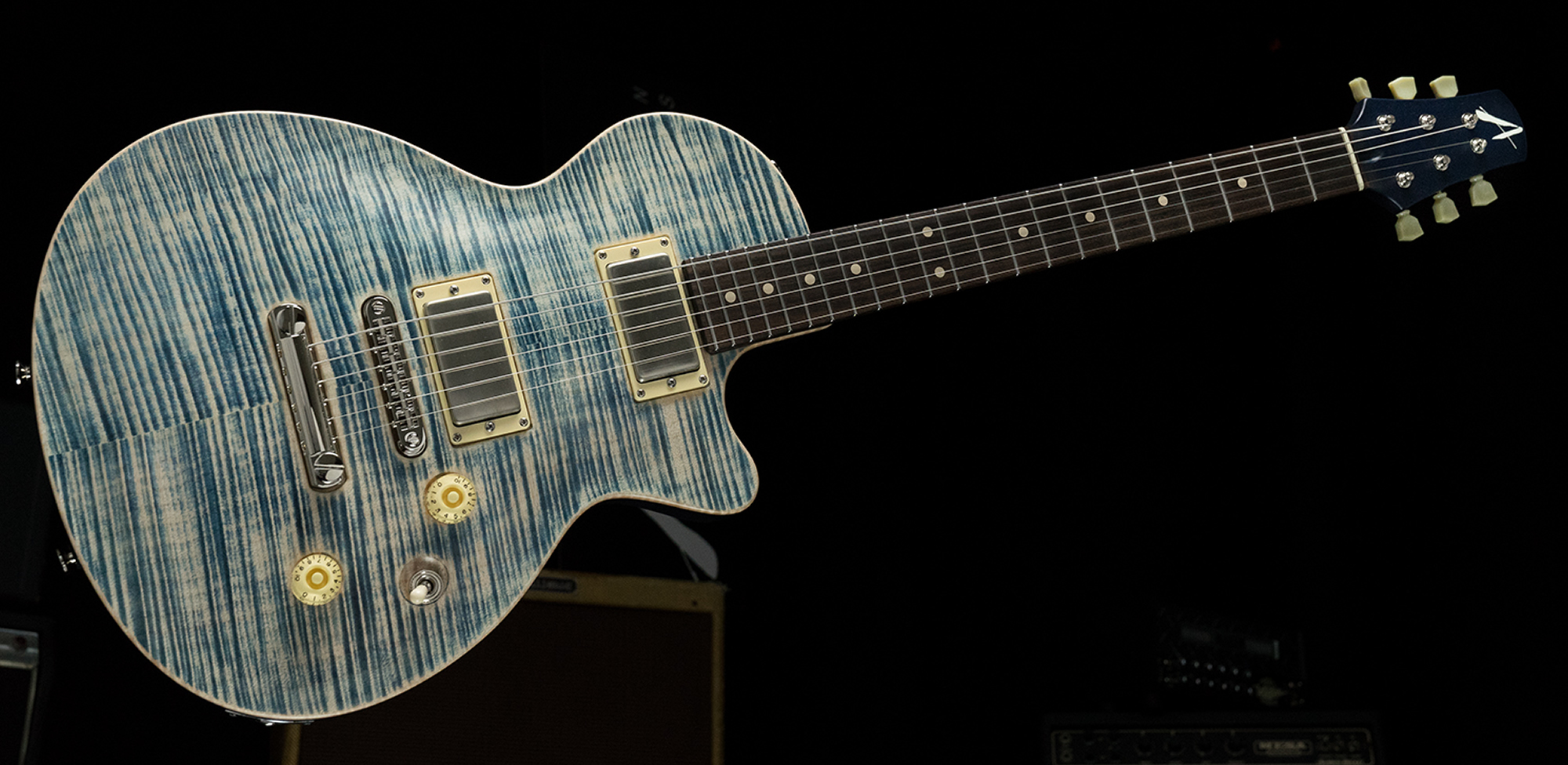
The current version of the single-cut model previously known as the "Bulldog."
The Bobcat combines classic Les Paul style with Tom Anderson's signature precision and modern comfort.
- Mahogany body with a maple top and set-neck construction
- Available in 22 or 24 frets with a 24.75" scale length
- Competes directly with models like the Suhr Modern and PRS SC
While it looks traditional, it feels completely effortless to play across the board, making it an ideal choice for anyone who found classic Les Pauls awkward.
In stock less frequently and relatively rare on the used market.
Pro Guitarists Who Play Tom Anderson
Keith Richards (The Rolling Stones) – Hollow Cobra
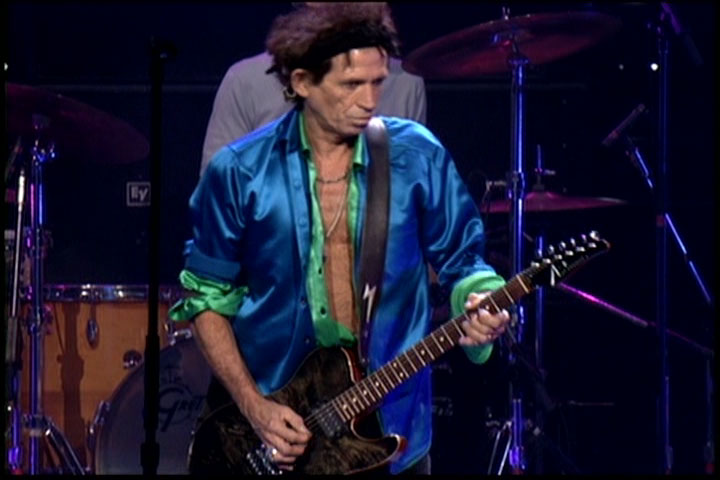
The Rolling Stones guitarist Keith Richards used a Tom Anderson Tele-style Hollow Cobra during the 1994 "Voodoo Lounge" tour. Seen in live performances of tracks like "Monkey Man," the mahogany body and humbuckers provided a thick, punchy tone with plenty of body that supported his bluesy playing style. While classic in appearance, it delivered reliable tuning stability and sustain on stage.
Richie Sambora (Bon Jovi) – Cobra S
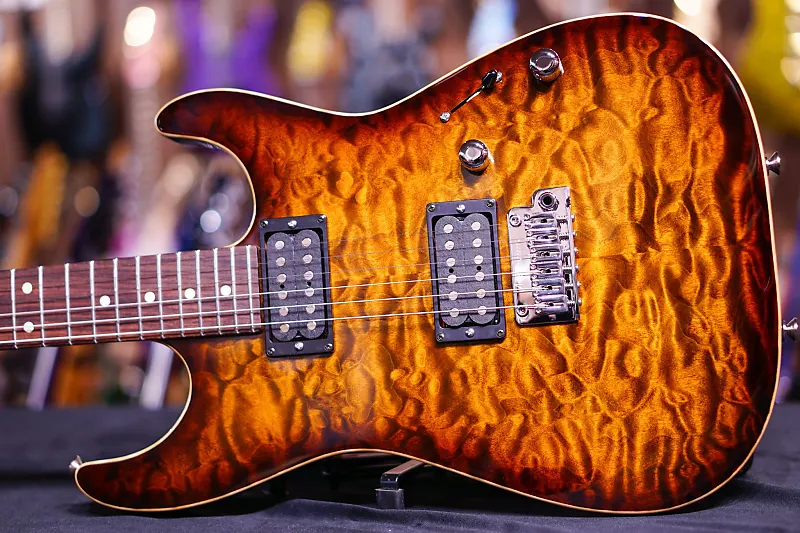
Former Bon Jovi guitarist Richie Sambora played a Tiger Eye Burst Cobra S on stage. Delivering a striking visual presence and massive sound in stadium settings, Tom Anderson's balance of smooth feel and power proved ideal for both heavy riffs and soaring solos. The Cobra S fit his demand for versatile pickup configurations and effortless playability.
DAITA (SIAM SHADE) – The Classic

Japanese rock guitarist DAITA (ex-SIAM SHADE) is another prominent player who relied on Tom Anderson as his main instrument.
During SIAM SHADE's peak, he relied on a swamp ash The Classic in Bora Bora Blue with an SSH pickup configuration, cutting through heavy rock mixes with clarity.
This guitar can be seen on the Budokan DVD "V8" from the band's farewell show, cementing it as one of DAITA's signature instruments.
Blending sparkling highs with tight low end, its tone shines on hit tracks like "1/3 no Junjou na Kanjou," providing a solid foundation for his technical playing. Even today, he occasionally brings out his classic SIAM SHADE-era Tom Anderson during solo shows to recreate iconic riffs.
Tom Anderson Reputation & Player Reviews
Positive Feedback
- "Meticulous build quality and fantastic tone"
The first thing most players highlight is the exceptional craftsmanship. From neck finish and fret work to the paint, everything is immaculate, with many noting "you can feel the quality the moment you hold it." Tone is clear yet powerful, making it a versatile guitar across genres. Despite the steep price tag, many view it as a true lifetime instrument. - "Cuts through the mix effortlessly"
Thanks to stainless steel frets and proprietary pickups, users frequently praise the sound note: "string separation remains clear even under heavy drive" and "it stays prominent in the mix." The bridge humbucker drive tone receives special praise for delivering a distinct punch unmatched by other guitars. Cleans are equally lush, offering exceptional chord clarity and balance. - "Outstanding playability that elevates your playing"
Players consistently praise the comfortable neck profiles and effortless fretting. Quotes like "the neck fits your hand like a glove, making fast runs easier" and "I could easily play lines I previously struggled with" are common. The slick stainless steel frets make bending smooth, making playing immensely comfortable. Ultimately, players note they lose track of time playing, as the guitar's refined execution boosts practice motivation.
Critical Feedback
- "Extremely expensive"
The biggest hurdle remains the high price point, with new instruments often costing thousands of dollars. Players note: "I know it's a great guitar, but the price keeps it out of reach" and "it takes a serious financial commitment." Even on the used market, availability is scarce and resale values stay high, creating a barrier for cost-conscious buyers. - "Too polished, lacking character"
Some players feel the tone can be somewhat clinical or sterile. Because the sound is so balanced and refined, critics sometimes describe it as "too well-behaved" or lacking raw personality. Those seeking the quirkiness, aggressiveness, or vintage warmth of vintage instruments may find it overly polite, suggesting it might not suit raw, gritty rock. However, this is largely subjective, with defenders pointing out that tone is defined by the player's hands. - "Didn't personally click"
Some reviews report trying one out without finding the magic. Comments like "no matter how much I tried it, I couldn't see what the fuss was about" or "it's highly rated, but it just didn't fit my style" pop up occasionally. A few even called it their least favorite high-end model. Comparisons like "I love Suhr, but Tom Anderson didn't suit me" show that even top-tier instruments come down to personal preference.
Summary | The Appeal of Tom Anderson & Who It's For
- Intermediate to advanced players seeking top-tier build quality and playability
If you refuse to compromise on build precision or feel, Tom Anderson is an ideal match. Smooth fretwork and neck stability mean technical playing is effortless. Excellent tuning stability over long sessions and robust neck joints provide the reliability required for professional use. - Players needing to cover multiple genres with a single guitar
For studio musicians or live players navigating varied setlists, Tom Anderson's versatility is a major asset. It handles snappy single-coil rhythm work to thick humbucker lead tones with ease. With features like the Switcheroo system and coil tapping, you can dial in diverse sounds mid-set without switching guitars. - Gear enthusiasts who love modern high-end specifications
If you appreciate cutting-edge specs—like stainless steel frets, versatile wiring, and advanced wood treatment—Tom Anderson delivers in spades. Fans of modern boutique brands like Suhr, PRS, or James Tyler who haven't tried Tom Anderson yet owe it to themselves to pick one up. Each brand has its flavor, but Tom Anderson brings a unique sophistication and flawless execution that stands out. - Players who want striking aesthetics alongside stellar tone
Great sound is essential, but eye-catching aesthetics complete the package. With hand-selected figure woods and custom finishes, Tom Anderson offers the satisfaction of owning a truly unique instrument. Given limited global production runs, you'll rarely see another one on stage. For those seeking the ultimate main guitar, it is a prime endgame contender.
Tom Anderson guitars are dream instruments for gear enthusiasts and players seeking boutique performance. Crafted with exceptional workmanship and forward-thinking design, each instrument represents an uncompromised quest for effortless playability and stellar tone. The sound is articulate, clear, and broad enough to suit virtually any genre while translating every nuance of your playing.
While undeniably expensive, the level of satisfaction and long-term reliability justifies the investment. Player reviews are overwhelmingly positive, with many stating they can't go back to standard guitars after playing one. While its perfectionist nature generates occasional debate over personality, that dynamic only underscores its singular identity.
If you are searching for a lifelong primary guitar, Tom Anderson belongs at the top of your list. Standing alongside Suhr and PRS at the pinnacle of high-end boutique guitars, its build quality and sound are unquestionably top-tier. Try one out at a local dealer to experience its resonance and feel firsthand. Combining tradition with innovation, a Tom Anderson guitar brings fresh inspiration to any setup.