
日本語English
Best Studio Monitor Headphones for Guitarists: How to Choose (Budget to Pro)
XTONES is a participant in affiliate programs including Amazon Associates and Reverb. We may earn a commission from qualifying purchases made through links on this page, at no extra cost to you.
Contents (19)
The quality of home practice and home recording changes dramatically depending on which headphones you listen with.
With consumer listening headphones that emphasize specific frequencies, it's easy to misjudge gain levels and picking noise.
Studio monitor headphones deliver uncolored sound, letting you hear every nuance of your guitar setup as it is. Getting a reliable benchmark early on makes a huge difference.
Here, we highlight models worth a look across three categories: budget-friendly, mid-range, and high-end.
We also break down how to choose from a guitarist's perspective—covering closed-back vs. open-back designs, impedance, volume matching, comfort, and cable routing. Whether practicing via headphone out, plugged directly into a multi-effects unit, or recording through an audio interface, finding the right pair solves it all.
What Are Monitor Headphones? Benefits for Guitar Practice
Monitor headphones are designed to reproduce sound with flat frequency response and minimal tone coloration.
Unlike consumer headphones that boost bass or treble, monitor headphones are professional tools built for accurate audio checking in recording studios. Here are the key advantages of using studio headphones for guitar practice:
- Practice without worrying about noise
Blasting an amp or even acoustic string sound can disturb neighbors, but headphones let you practice quietly late at night even in an apartment. Closed-back models seal in sound and block outside noise, allowing total focus. - Hear every detail of your playing
With high resolution and a flat response, monitor headphones reflect mistakes, picking noise, and tonal quirks like a mirror. Distinct string separation across all six strings helps with transcribing songs and tweaking sounds. - Seamless for recording and home studio use
When recording acoustic or vocals, high isolation prevents click tracks or backing tracks from leaking into the microphone. A flat monitor signal also leads to better judgment during mixing and mastering.
How to Choose Monitor Headphones
1. Choose Between Closed-Back and Open-Back
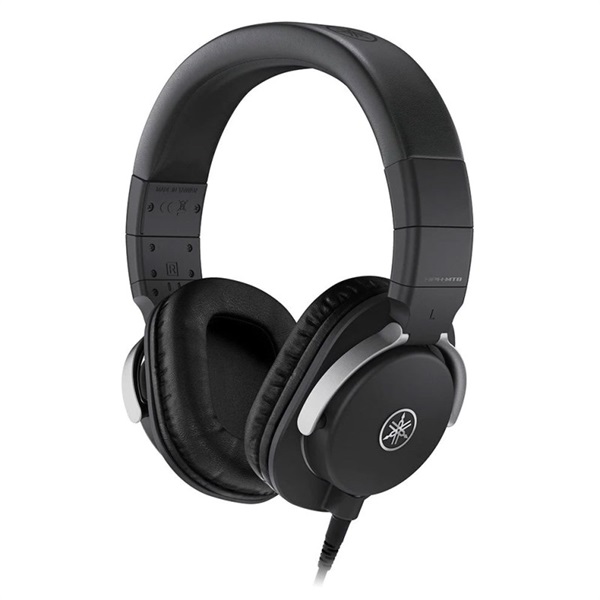
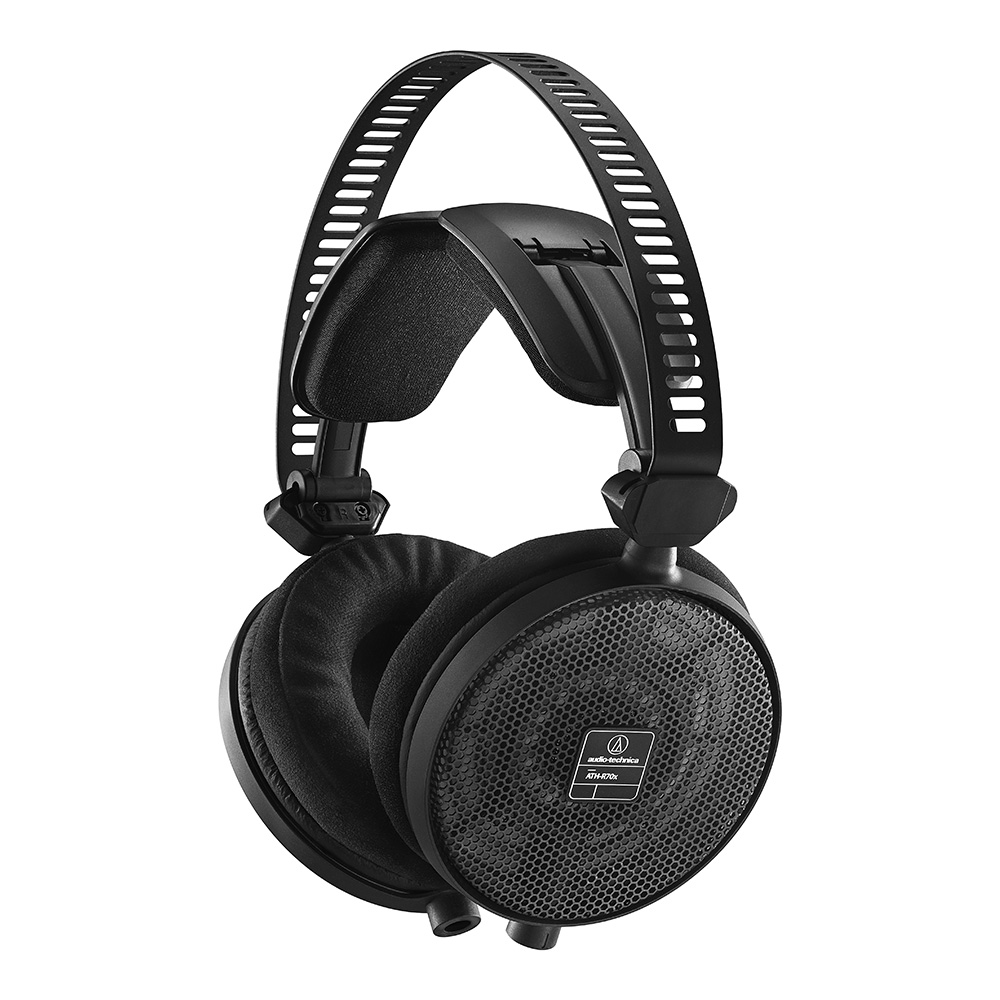
If sound leakage isn't an issue in your setup, open-back headphones are a great option. They offer a natural soundstage, less ear pressure, and superior comfort over long sessions. On the other hand, for late-night practice in an apartment, closed-back is the way to go. Closed-back designs minimize bleed and isolate your ears so you can focus on your guitar sound. *Keep in mind open-back models leak sound into the room.
2. Impedance and Direct Connection Compatibility
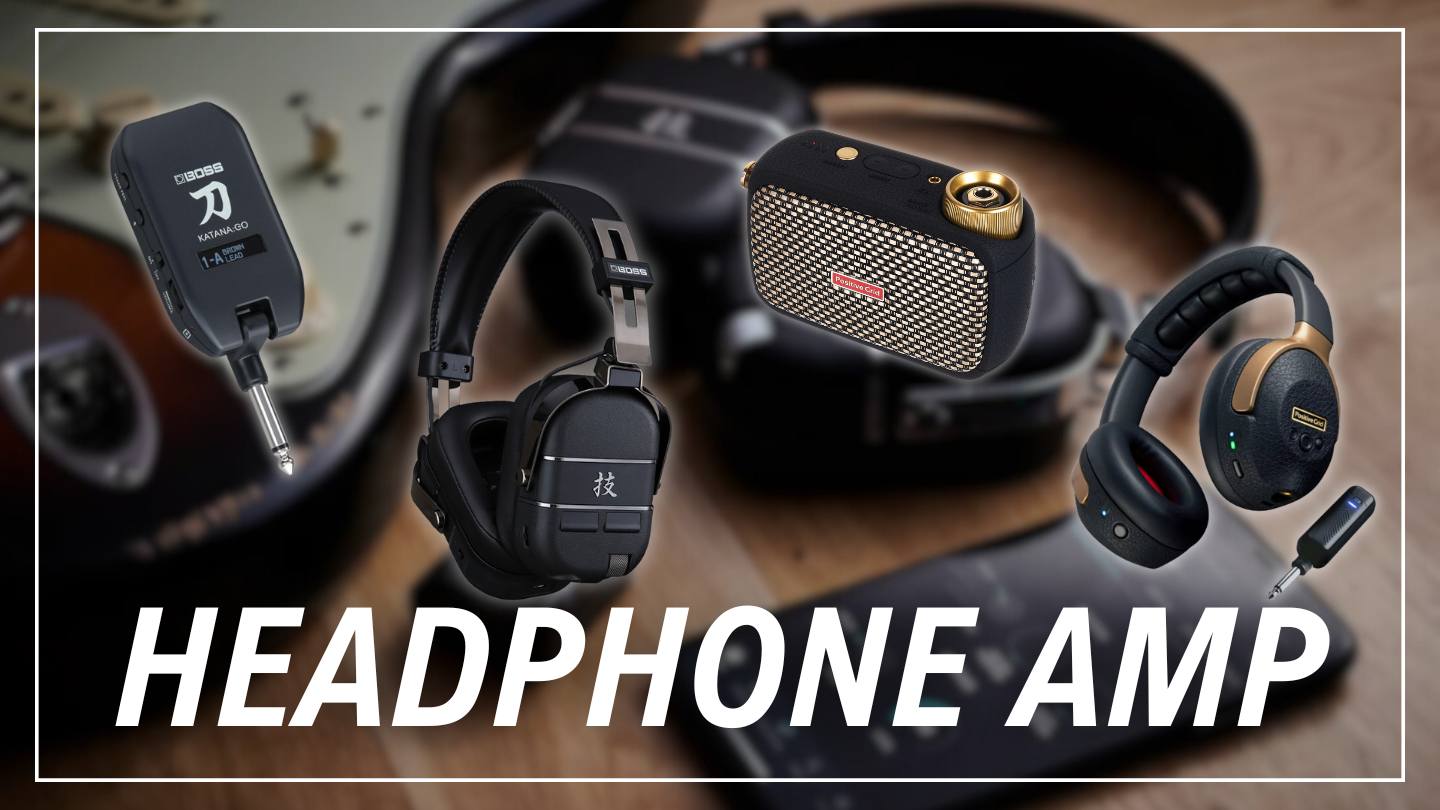
Some studio headphones have high impedance (resistance), requiring a headphone amplifier to get enough volume. Check if the pair can deliver adequate volume when plugged straight into the headphone output of a multi-effects unit or desktop amp.
Models around 32 ohms are easy to drive, while models above 150 ohms can sound quiet without a dedicated amp. If you don't use a dedicated headphone amp, choose low-impedance models that run easily off smartphones or PCs, or consider dedicated instrument headphones.
3. Comfort and Cable Design
When practicing guitar, long sessions and body movement make comfort and cable routing essential. Check earpad material, padding, and headband clamping force. Excessive clamping force can cause ear pain during extended sessions. Ideally, choose a tangle-resistant cable with plenty of length.
Single-sided or detachable cables stay out of the way while playing and prevent damage if stepped on. Beginners are usually best off starting with a wired model, as wireless options can introduce subtle latency.
Best Budget Monitor Headphones
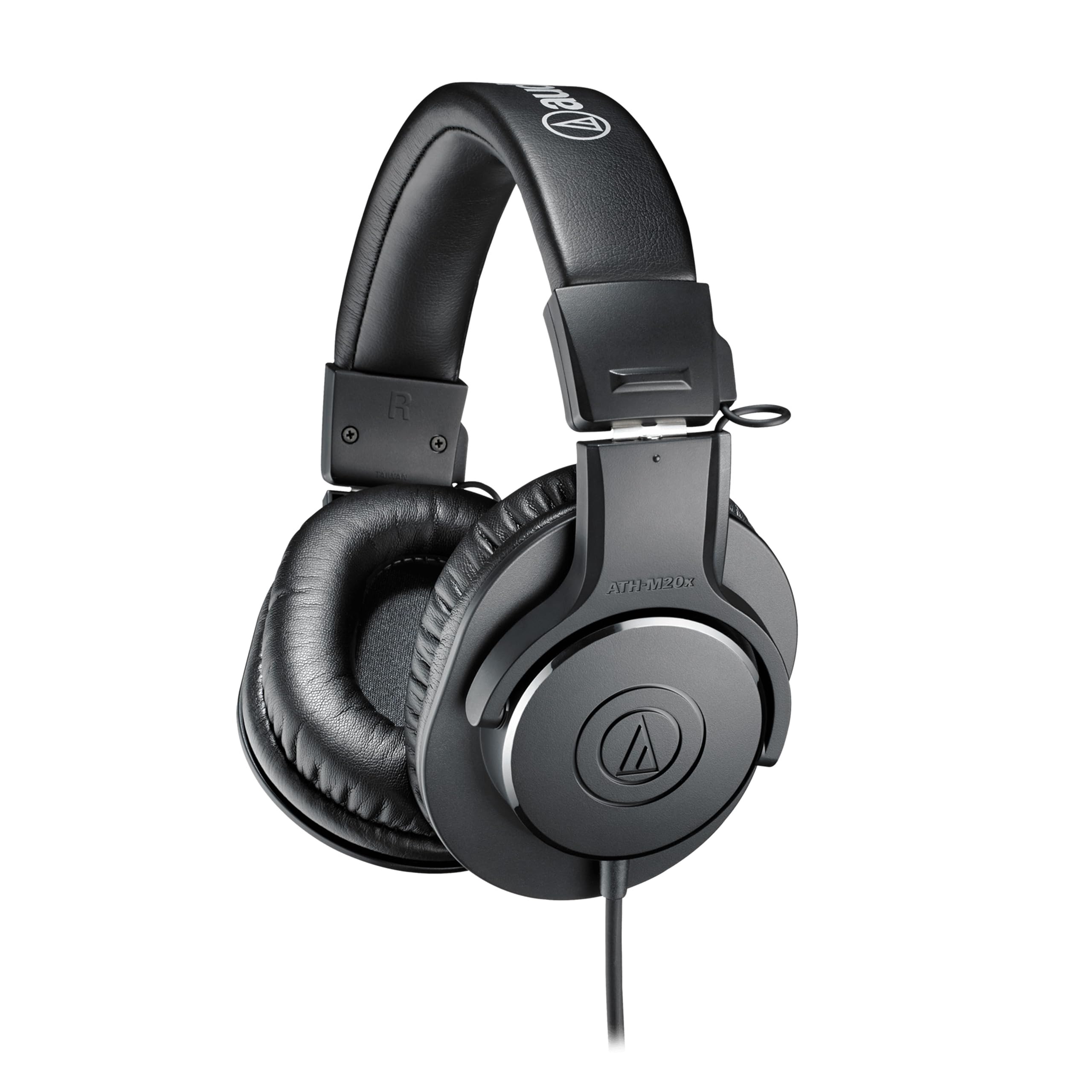
audio-technica / ATH-M20x
- Flat, detailed sound
Equipped with high-output voice coil drivers delivering an uncolored, flat frequency response from bass to treble. Clear across all frequencies, making guitar tones easy to monitor. - Comfortable for extended sessions
Contoured circumaural earcups fit closely for strong sound isolation. Designed to reduce clamping pressure and minimize ear fatigue during long practice sessions. - Convenient single-sided cable
A 3-meter single-sided cable exits from the left ear cup to minimize tangling and stay out of the way during practice. Includes a 1/4" adapter for connecting to guitar amps.
Despite being an entry-level model, it enjoys a stellar reputation for delivering high clarity at an accessible price point. Built by a reliable Japanese brand, it's widely regarded as the go-to first pair of studio headphones.
It serves as a standard choice for home studio beginners and practice setups alike. Its flat, accurate response reproduces the sounds dialed into your amp or pedals with precision, making practice sessions far more productive.
Pros / User Praise
- Great sound for the price
Users praise its clarity and neutral response, noting that it captures subtle playing nuances accurately. - Lightweight and comfortable
The light clamping force and contoured ear pads make it comfortable for extended wear without ear fatigue. - Ideal first monitor headphone
Combining brand reliability with high value, many buyers consider it the perfect entry point for practice and home recording.
Cons / User Criticisms
- Clamping force can feel tight
Some users note pressure around the ears or temples during longer sessions, particularly for players with glasses or larger head sizes. - Ear pads feel a bit firm or compact
A few reviews mention that the ear pads feel slightly stiff or narrow, leading some users to swap them with aftermarket pads for extra comfort.

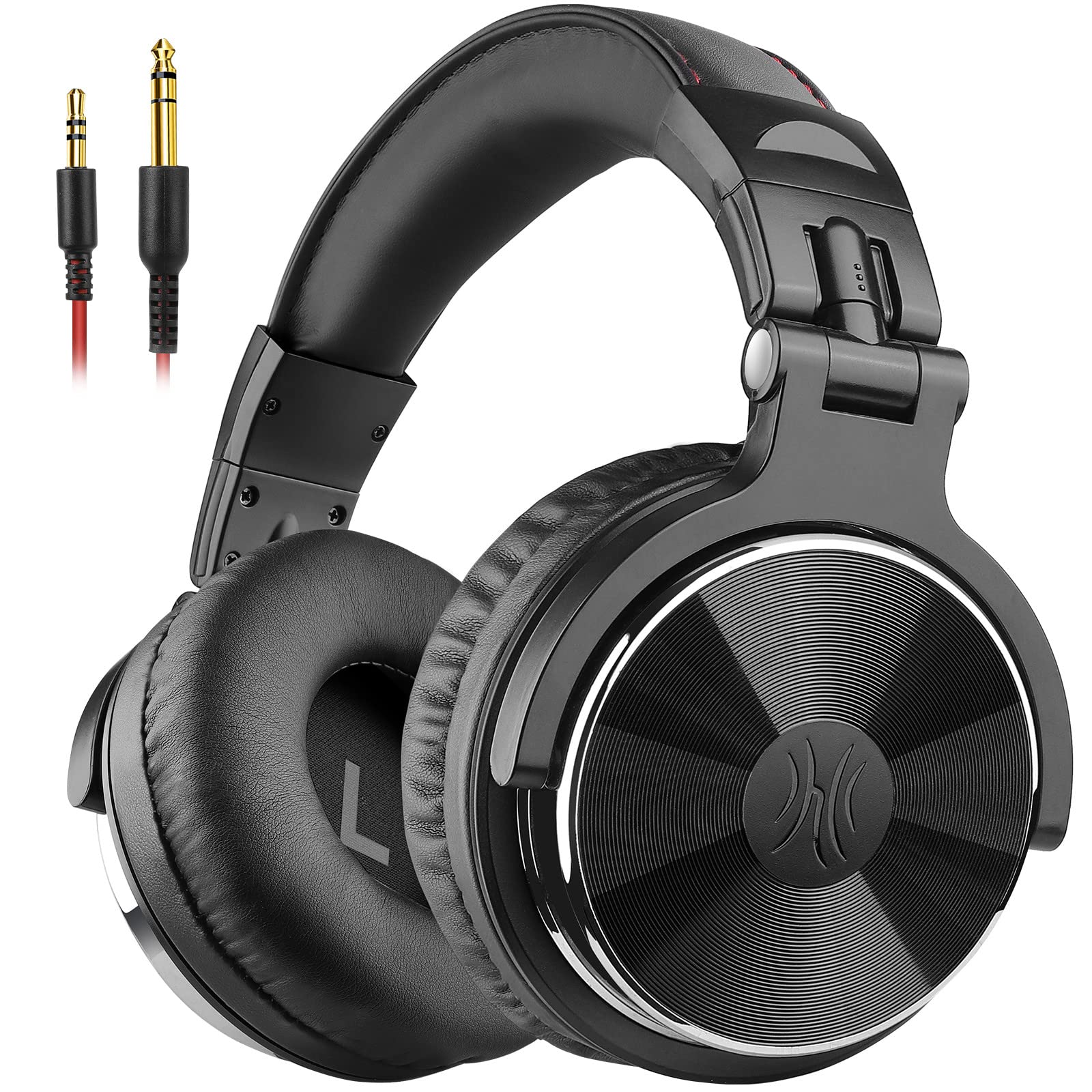
OneOdio / Pro-10
- Solid sound quality and volume for a budget price
Despite being budget-friendly at around ¥3,000–¥4,000 (yen reference), the 50mm drivers deliver a powerful sound. While the tuning leans slightly bass-heavy with restrained highs (a standard V-shaped profile), the overall balance is decent and provides plenty of quality for everyday practice. It also delivers plenty of output volume. - Dual inputs convenient for instrument practice
Featuring a unique design with a 3.5mm jack on one side and a 6.35mm (1/4") jack on the other, you can connect directly to a guitar or amp using the two included cables. No adapters are needed, and it allows simultaneous playback from two audio sources—like streaming backing tracks from your phone while playing guitar on the other side. - Foldable design for easy portability
The earcups swivel and rotate, allowing the headphones to fold down compactly. Storing them in the included pouch makes transport and storage effortless, perfect for home practice or bringing to the studio.
OneOdio is a popular headphone brand on Amazon, and the Pro-10 has earned a reputation as a budget option that works reliably well. While the sound quality lacks the fine detail of high-end models, many players find that its rich bass and immersive sound make it more than capable for practice.
The closed-back design minimizes sound leakage, making it a great companion for late-night guitar or bass practice at home. Home recording players also appreciate being able to connect a guitar amp and an external audio source simultaneously using the included cables.
Positive Feedback
- Great value for money
Users highly rate its value, noting that it provides everything needed for the price and works reliably. Sound quality is considered more than satisfying given the low price point, making it a popular choice for beginner headphones. - Punchy bass response
Many users are pleasantly surprised by the punchy bass from the 50mm drivers. Reviews highlight that the low end is impressive for a budget pair of headphones, making them well-suited for practicing rock and metal tracks. - Convenient included accessories
Players appreciate the included dual cables (eliminating the need for adapters) and the carrying pouch. Helpful touches like cable choices and easy portability receive consistent praise.
Negative Feedback
- Lacks treble clarity
Some reviews note that the high end feels slightly weak or muffled. Because resolution falls short of professional studio monitors, it has noticeable limits when it comes to delicate high-frequency detail. - Tight fit for larger head sizes
The headband adjustment range is somewhat narrow, with some users reporting a tight fit on larger heads. Even when fully extended, clamping force can feel slightly tight during longer sessions.

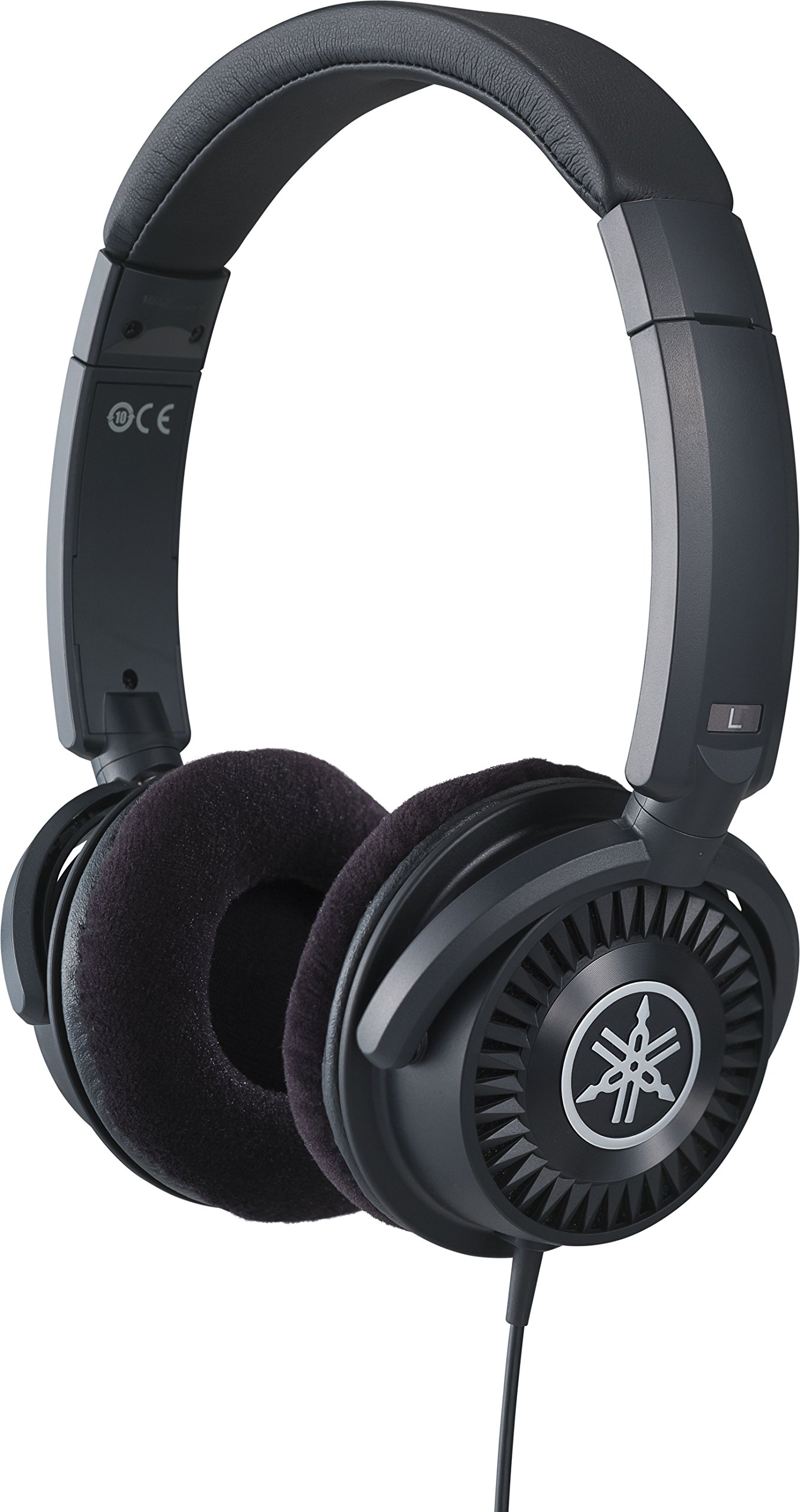
YAMAHA / HPH-150B
- Fatigue-Free Open-Back Design with Natural Sound
Featuring an open-back design, it delivers an airy, natural tone without muffled resonance inside the cups. Mimicking the acoustic response of playing in a room, it reduces listening fatigue during long practice sessions. - Lightweight Build & Comfortable Fit
Extremely lightweight with soft ear pads, minimizing strain on your head and neck. Gentle clamping force means minimal pressure—even for glasses wearers—allowing for hours of painless playing. - Tuned by an Instrument Manufacturer
Originally designed to monitor digital pianos and electronic drums, it provides a flat, uncolored frequency response that faithfully reproduces your instrument's true sound. Users highlight its full low-mids and natural high-end extension for clear, smooth listening.
The Yamaha HPH-150B has built a solid reputation as an ideal monitor headphone for electronic instruments. While open-back designs naturally bleed sound, guitarists appreciate them precisely because they don't cause fatigue over long sessions. Many players note that they're so light you barely feel them on, and the sound is so natural you can keep playing for hours. It’s a great choice if you want home practice that feels close to playing an amp in a room, or if you want to log serious hours without straining your ears.
Positive Feedback
- Natural, Clear Sound
Players praise its flat, transparent sound quality, with some noting it sounds clearer and more natural than listening through desktop speakers. It faithfully reproduces guitar and piano tones, making it ideal for practice. - Fatigue-Free for Long Sessions
The open-back construction relieves pressure on the ears, with reviewers noting that the lightweight fit lets them play for hours comfortably. Since it stays cool and doesn't pinch, it's popular among players practicing late into the night. - Solid Build Quality
Expected from a dedicated instrument manufacturer, users comment positively on its sturdy build. Many find it durable enough to serve as a reliable daily practice tool for years.
Negative Feedback
- Sound Bleed
As expected from open-back headphones, sound leakage is a common callout. In quiet environments or late at night, audio can bleed into the room, so volume management is necessary around family or roommates. - Slightly Bass-Heavy Tone
Some users note that the low-mids feel quite thick, occasionally leading to a slightly boomy low end. However, because the highs remain crisp and clear, most players do not find it a dealbreaker.

Studio Monitor Headphones | Mid-Range Balanced Models
SONY / MDR-CD900ST
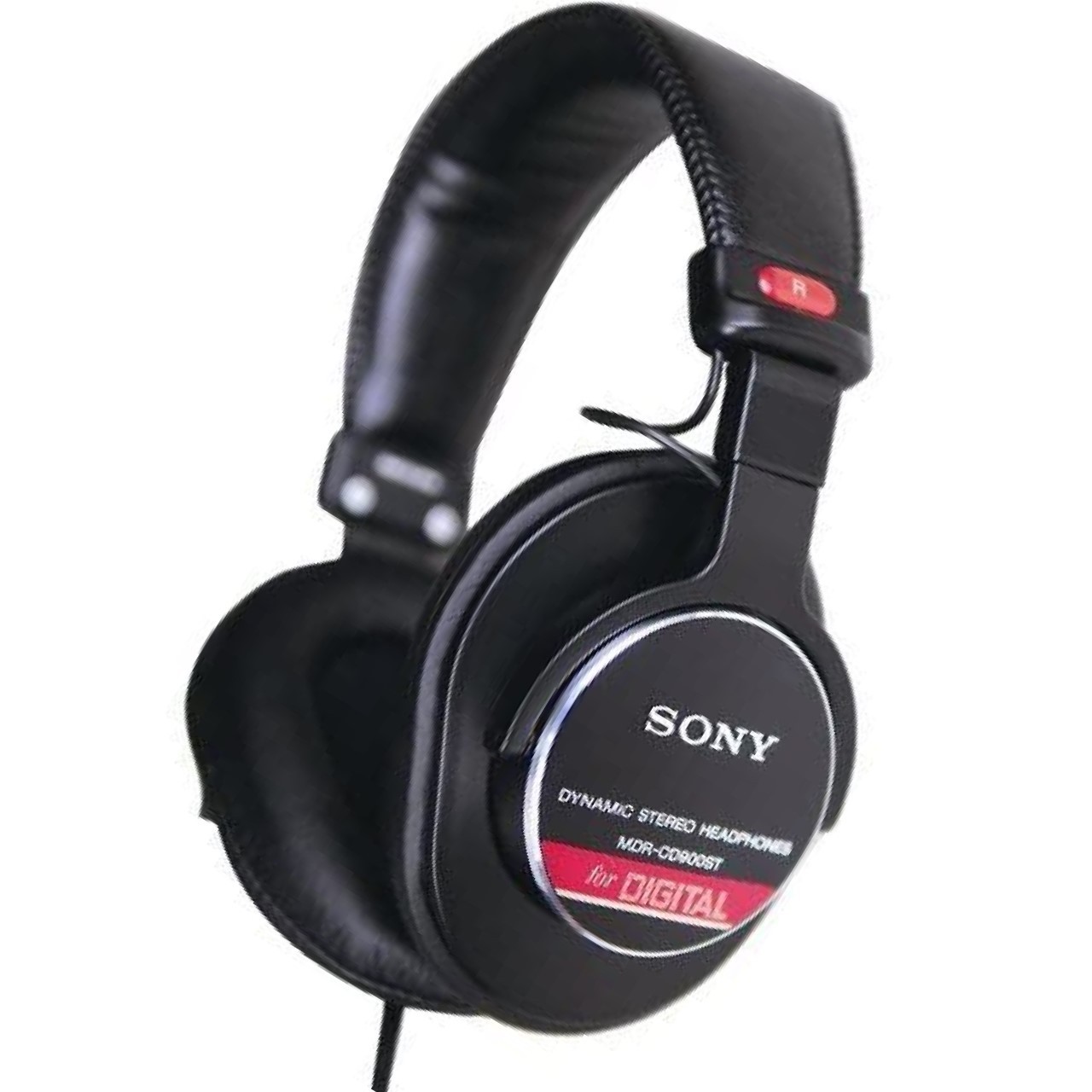
- A Japanese Studio Standard
Since its release in 1989, these industry-standard monitor headphones have been a staple in recording studios across Japan. Known as the go-to gear that practically anyone in pro audio owns, their reliability is proven. - Uncolored, High-Resolution Sound
Proprietary Sony 40mm dome drivers deliver flat, low-distortion audio with precision. With excellent stereo imaging and note definition, they let you hear every nuance with outstanding detail. Mid and high frequencies are particularly articulate, capturing all the subtle nuances of vocals and guitar. - Lightweight, Durable, and Built to Last
Weighing around 200g with a comfortable fit, they are designed to minimize fatigue during long sessions. Built tough for professional use, replacement parts like earpads and cables are easily accessible. Many players keep using this classic pair for over a decade with routine maintenance.
The Sony MDR-CD900ST (commonly known as the "900ST") holds an unshakeable place in Japan's audio scene. Revered as a foolproof studio standard, many players also rely on them for daily guitar and bass practice. Their sound is exceptionally transparent, letting you audit guitar tones crafted with your pedals without any added coloration.
They make it easy to spot unwanted noise or subtle pitch inaccuracies during recording. While the sound can feel analytical or overly stiff for casual music listening, they remain an essential staple in Japan that nearly every engineer and guitarist keeps on hand.
Positive Reviews
- Outstanding separation and spatial imaging
Users frequently praise the stereo imaging, noting how acoustic guitars and hi-hats remain distinctly separated and easy to pinpoint in the mix. They are a popular choice for picking out subtle details or transcribing parts, making them invaluable when checking recorded guitar tracks. - Exposes mistakes and noise instantly
Many reviewers mention that picking flaws and tiny extraneous noises are immediately audible. Because they do not mask playing imperfections, they act as a strict practice tool, but players agree that practicing with them consistently improves technique. - Reliable long-term performance
Many users report using the same pair for over 10 years by simply replacing worn parts. Their rugged build and easily available spares earn high marks, making them a great long-term value for players who want gear they can rely on for years.
Negative Reviews
- Stiff, overly analytical sound
Some users find the flat sound signature cold and dry. Low end is tight and modest, and high frequencies aren't sweetened, which can sound uninspiring for casual listening. However, most owners buy them precisely because of this uncolored, raw reproduction. - Clamping force can feel tight
A few reviews note that the headband places noticeable pressure on the head. While rarely painful, the clamping force can be noticeable over long sessions. Still, because the headphones are so lightweight, many players appreciate the secure, non-slip fit.

audio-technica / ATH-M50x
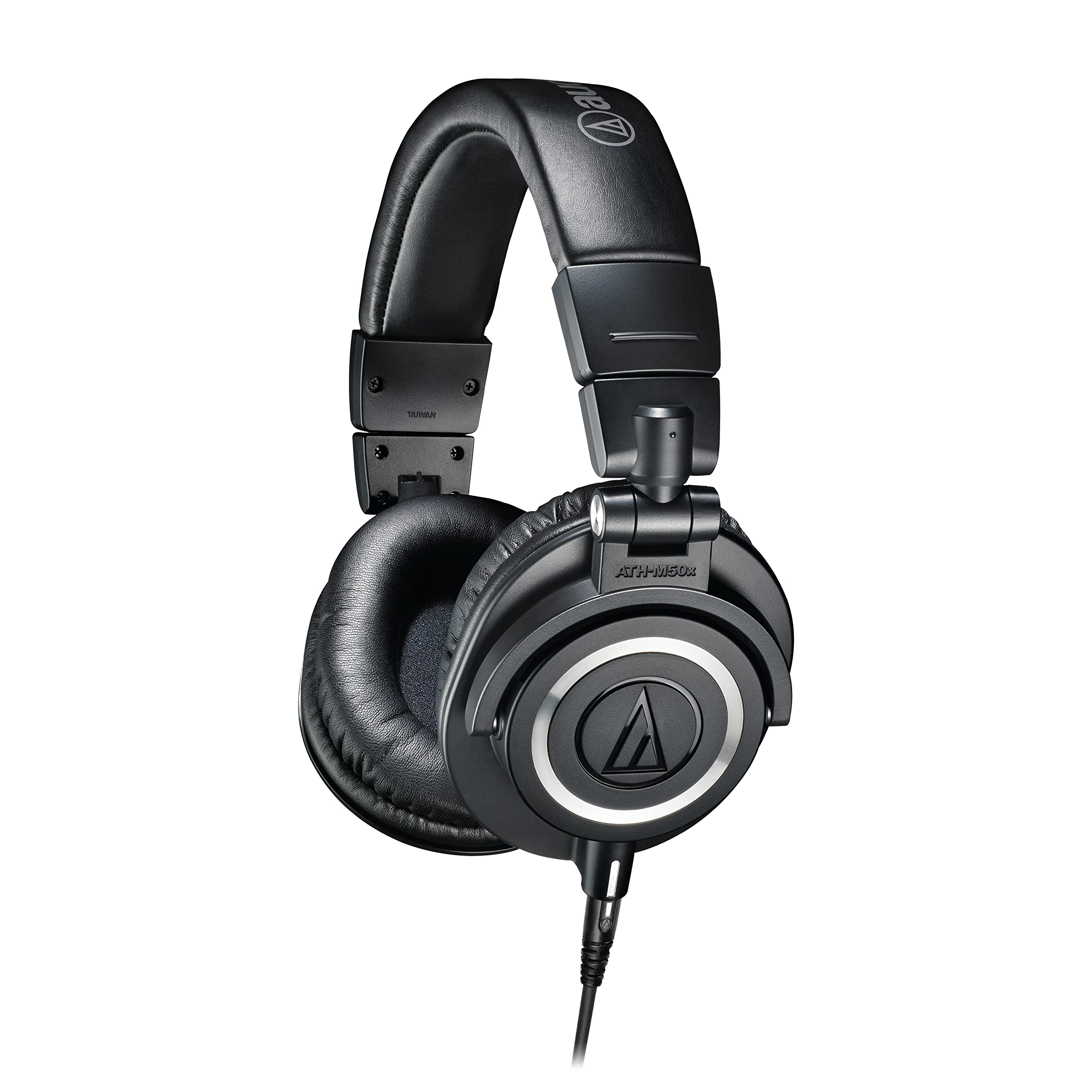
- A global studio standard
The ATH-M50x is a staple in recording studios across the US and worldwide, favored by professional musicians internationally. It has also established a solid reputation in Japan as a high-value monitor headphone, standing alongside the MDR-CD900ST as a global benchmark. - Powerful yet balanced sound
It delivers well-balanced audio with a rich low end, making basslines easy to pick out. The high-resolution, relatively flat sound profile offers clear separation across low-to-high frequencies. With deep bass and articulate mids and highs, guitar parts stay clear without getting buried in the mix. - Durable build and high versatility
Featuring a folding design and detachable cables, it’s easy to transport and quick to re-cable. The rugged construction holds up to heavy use and on-the-go demands. Swiveling earcups make one-ear monitoring effortless—convenient if you need to slide off one ear while playing to hear your surroundings.
The ATH-M50x is widely regarded as one of the best closed-back monitor headphones in its price range. Many users report relying on their pair for over eight years, praising its sound quality and long-term reliability for daily studio and playback work.
With punchy low end and engaging dynamics, it offers an enjoyable listen for rock and pop beyond basic studio tracking. At the same time, the mids and highs remain articulate with excellent instrument separation, letting you easily track complex guitar phrases. Packed with practical features including a foldable frame, it remains globally respected for its all-around performance.
Positive feedback
- Punchy yet tight bass
Users praise the low-end tuning for delivering full impact while staying tight and controlled. It anchors drums and bass without smothering guitar tone, creating a solid dynamic feel that’s easy to play along with. - High detail and clarity
While some note the resolution fits its price bracket, praise is consistent for how clear and distinct individual instruments sound. Users appreciate being able to hear fine instrument nuances, making it a great dual-purpose set for both monitoring and casual listening. - Excellent functionality and convenience
The compact folding design and swappable cables earn top marks for practical design. Its rugged durability gives players peace of mind on the road, holding up to rough handling in studio and live environments.
Critical feedback
- Slightly recessed midrange
Some note that the strong bass response can make the midrange sound slightly pushed back. Those looking for mid-forward vocal or instrument detail might find it lacking, though users mention the overall sound remains clear enough that it’s rarely a dealbreaker. - Can sound dry or slightly dark to some
A few users describe the tone as dry, uncolored, or occasionally boxy. While high-frequency extension is good, its neutral, monitor-style character might feel plain if you expect a hyped sound profile. Still, many view it as a versatile workhorse, and any adjustment period is minimal.

Beyerdynamic / DT 770 PRO (80Ω)
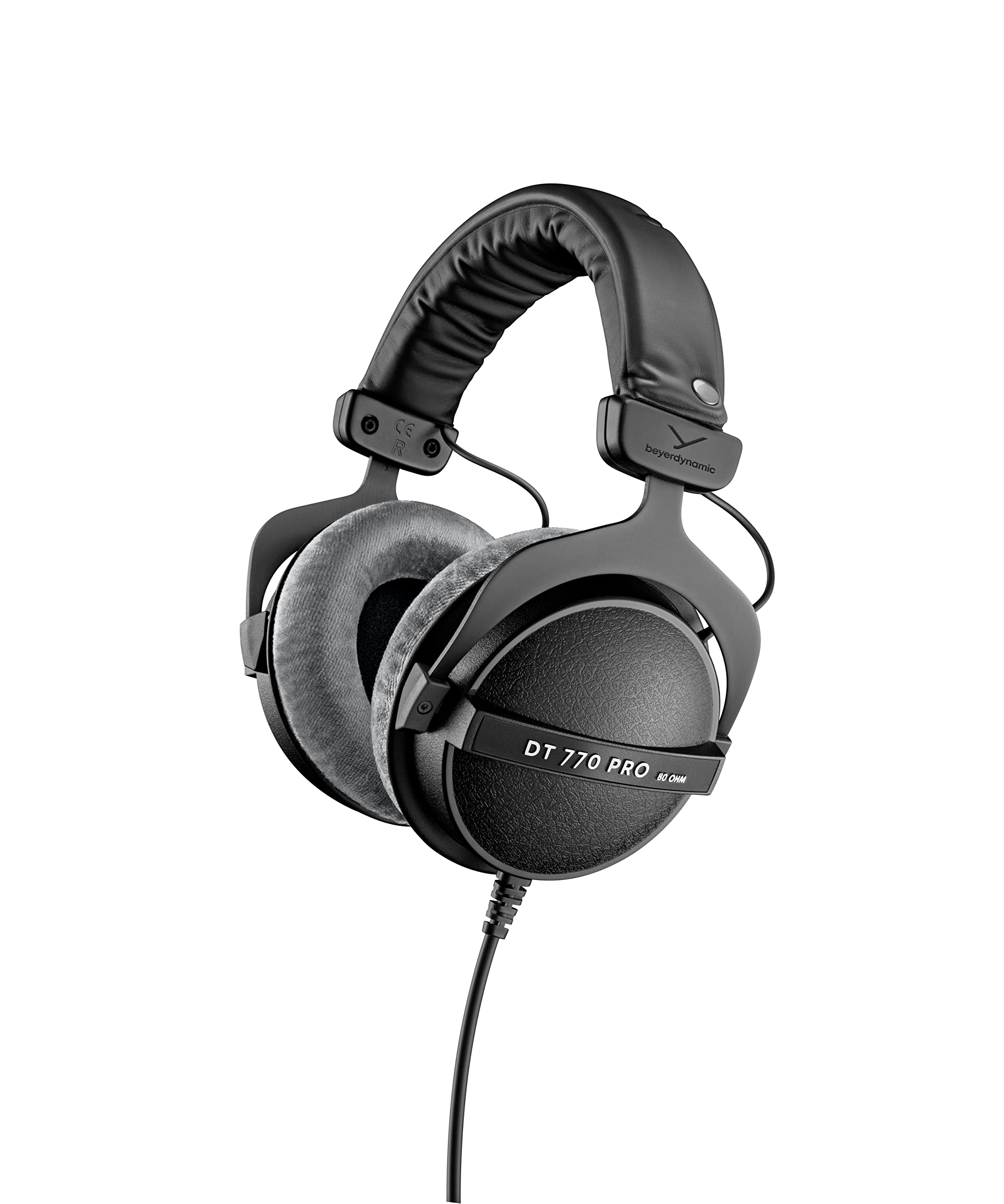
- A trusted standard in studios worldwide
Made in Germany, the DT 770 PRO—alongside the company's DT 880 and 990—is a benchmark headphone for professional recording studios. Widely relied upon by broadcast engineers and session musicians, it is a proven design built on lasting reliability. - Powerful sound with precise imaging
Combining punchy low end with crisp highs, it delivers a flat, remarkably well-balanced sound profile. Its clear separation and accurate spatial imaging make it ideal for mixing and live tracking. It excels at handling rhythm sections like drums and bass, letting guitar chugs and riffs come through cleanly without losing groove. - Comfortable closed-back design
Thick velour ear pads and balanced clamping force make it exceptionally comfortable for long wear. The over-ear, closed-back construction offers strong passive isolation to minimize fatigue during long sessions. The 3m coiled cable manages cleanly, giving you freedom of movement while playing in the studio.
The DT 770 PRO is a closed-back monitor optimized for tracking, delivering a punchy sound profile tailored for performing musicians. For guitarists, it comfortably handles high-output amp signals, allowing you to monitor anything from crunch to high-gain tones with clarity. The top end is slightly bright, giving solo leads a pleasing sustain and presence.
Because of its analytical studio tuning, the emphasized treble might feel slightly fatigue-inducing to sensitive ears during long sessions. Overall, however, players consistently praise its clarity, soundstage, and comfort—with many calling it the headphone that finally ended their search.
Positive Feedback
- Flawlessly balanced for monitoring
Many users highlight its flat response across the spectrum and overall balanced output. It serves as a versatile reference headphone for any genre, accurately capturing guitar and other instruments. - Impressive spatial imaging and soundstage
Players appreciate the clear instrument separation and precise placement across the soundfield. When tracking guitar, it makes it easy to hear your position relative to other tracks and dial in a solid mix. - Exceptional long-wear comfort
The soft velour ear pads receive rave reviews, with gentle clamping pressure allowing for hours of use without ear pain. Unlike many closed-back designs, they resist heat buildup, keeping long practice and production sessions comfortable.
Critical Feedback
- Treble can feel slightly bright
Some users note that the high frequencies can be somewhat sharp, occasionally leading to listening fatigue. This comes from its detailed studio character revealing top-end nuances, though lowering the volume usually solves the issue. - Non-detachable cable
Because of its classic legacy design, the cable is fixed, making field replacements difficult if damaged. However, most note that the cable is exceptionally durable and rarely fails, making this a minor trade-off for an otherwise stellar headphone.

YAMAHA / HPH-MT8
- Exceptionally balanced sound across all frequencies
As Yamaha's flagship monitor headphones, the overall sonic balance is remarkable. From lows to highs, the sound is uncolored, allowing for precise, high-resolution monitoring. The midrange offers clear, detailed imaging, while the high end extends effortlessly with crisp clarity. - Natural, distortion-free sound
Recognized as a reference monitor with ultra-low distortion and natural sound reproduction. Highly praised by professional engineers, its standout trait is high source fidelity. When plugging in a guitar, it faithfully reproduces your amp's true tone and lets you accurately audit effects. - Durable build with high noise isolation
Physical performance as monitor headphones is equally impressive. The earcups are robust and durable, built to withstand heavy studio use (though non-foldable). The closed-back design provides stellar passive noise isolation, shutting out ambient noise so you can focus on playing and mixing. It also features a detachable cable for easy replacement and portability.
The HPH-MT8 has earned widespread praise from pros and home studio creators alike. Many note it shares a similar sound signature to the classic MDR-CD900ST, but feels like an overall step up, making it an increasingly popular pick for mixing and DAW work. For guitar practice, it captures every subtle detail of your signal, making it ideal for polishing your technique note by note. While the closed-back design blocks ambient sound for total immersion, your ears might get a little warm during long sessions. Still, with some users remarking that it's balanced enough to be the only headphones you need, it's widely regarded as a quality upgrade capable of transforming your monitoring setup.
Positive Reviews
- High resolution in the mid and high frequencies
Many users are impressed by the sound detail, noting that the midrange is articulate and the highs extend cleanly. It clearly picks up guitar attack dynamics and harmonic overtones, making it great for dialing in tones. - Pro-grade reference performance
Reviews frequently highlight its flat, distortion-free sound and true flagship Yamaha audio quality. Trusted by multiple audio engineers, it has gained a solid reputation as a reliable set of headphones for mixing. - Comfortable fit and excellent isolation
Players appreciate its practical design, pointing out high noise isolation and a surprisingly comfortable feel despite its durable build. The thick ear cushions provide a snug fit, letting you stay immersed in playing without external distractions.
Negative Reviews
- Highs can occasionally sound harsh. Some users mention that high frequencies can feel sharp depending on the source audio. This comes from its unforgivingly accurate high-end representation, which may feel harsh to sensitive ears, though most players report getting used to it quickly.
- Higher impedance rating. The HPH-MT8 has a somewhat high impedance rating of 250 ohms. Connecting directly to a smartphone might not yield enough volume, making an audio interface or dedicated headphone amp necessary. While beginners without extra gear might be caught off guard, most agree that the outstanding sound quality far outweighs this minor inconvenience.

Studio Monitor Headphones | Pro-Grade High-Quality Models
SONY / MDR-M1ST
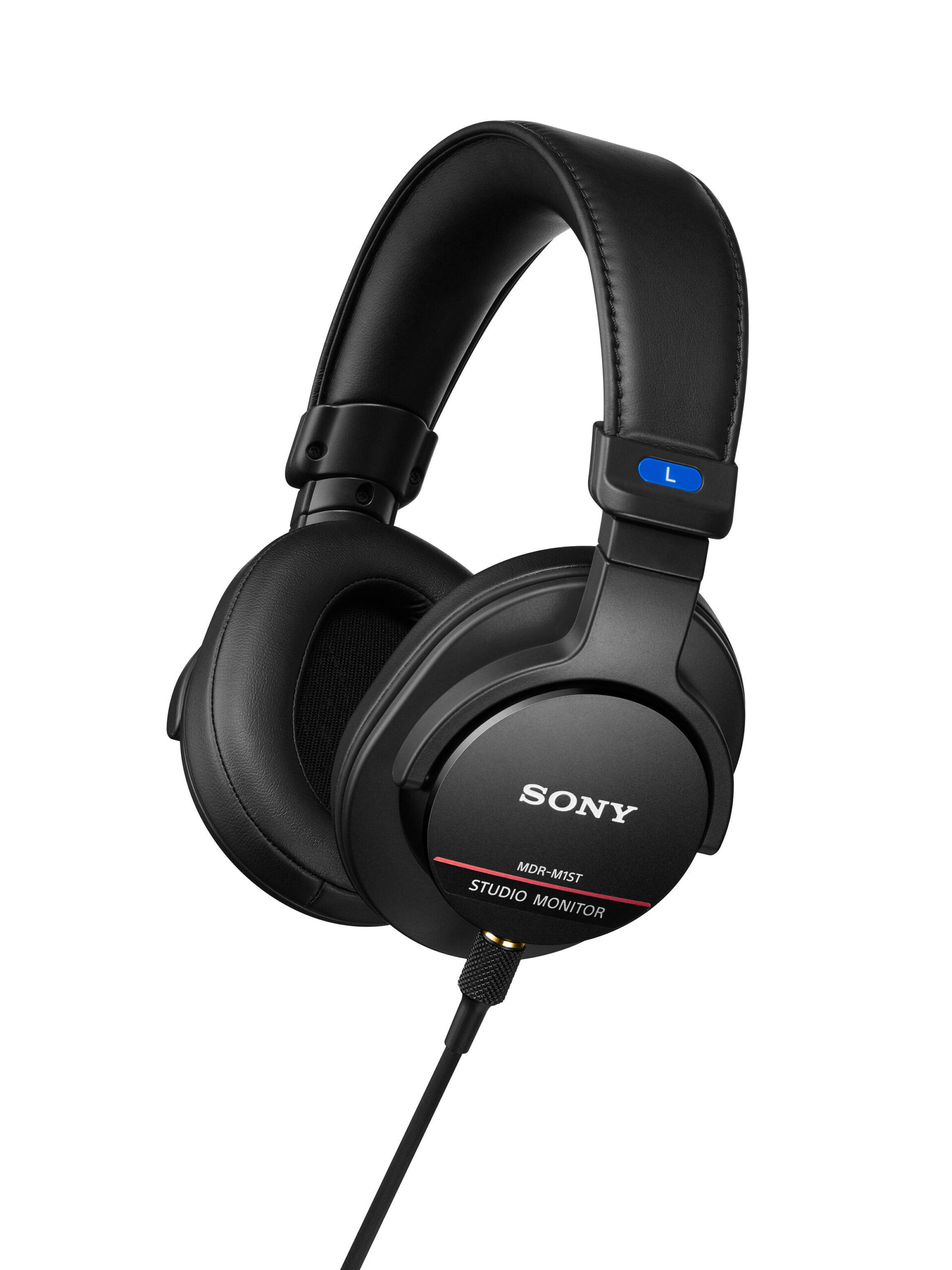
- Developed as the Successor to the 900ST
After four and a half years of development, Sony introduced the MDR-M1ST as the successor to Japan's long-standing studio standard, the MDR-CD900ST. Building on the core concept of the classic 900ST while modernizing its design, it has earned high praise from industry professionals since its 2019 launch. - Ultra-Wide Frequency Response & High Resolution
A defining feature is its expansive frequency range of 5 Hz to 80 kHz, extending well beyond human hearing from sub-bass to extreme highs. It faithfully reproduces sound across this massive spectrum in high resolution, ensuring no detail is lost regardless of the instrument. It delivers exceptionally clear, detailed audio, picking up subtle ambient noises in recordings that previously went unnoticed. - Refined Based on Studio Feedback
Designed specifically for monitoring, Sony addressed common user feedback from the 900ST. It features a detachable 2.5 m straight cable balancing flexibility and signal integrity. Ergonomics are also upgraded; side clamping pressure is reduced to keep fatigue low during long sessions. It was engineered to serve as the modern studio standard.
Since its release, the MDR-M1ST has drawn praise for resolution so high it has been described as a "magnifying glass for sound." Compared to the 900ST, the low-end extension is broader, allowing you to clearly monitor everything from heavy guitar riffs to delicate harmonics. Highs are smooth and extended without harshness, resulting in an accurate sound across the spectrum.
While priced around ¥30,000 (yen reference), professionals trust it for the confidence it gives them when evaluating audio, while home recording users consider it a long-term keeper. Its accurate, wide-range sound is ideal for guitarists looking to refine subtle nuances in their playing and tone.
Positive Reviews
- Clear across all frequencies with impressive range
Many users highlight the overall clarity, noting crisp highs, solid low end, and impressive range. Players mention hearing details previously buried in the mix, such as subtle finger noises when tracking guitar. - Dramatically improved monitoring accuracy
It has earned solid trust in production work, with users pointing out clear instrument separation for mixing and precise feedback when adjusting subtle effects. Guitarists note that dialing in tone during tracking is much easier, making it a highly praised upgrade for pros and hobbyists alike. - Premium comfort and build quality
Users appreciate the improved fit, noting lighter clamping pressure than the 900ST and more comfortable earpads for long sessions. The premium build quality feels truly professional, making it well worth the price.
Negative Reviews
- High price tag
The main hurdle is price. While steep for a first pair of studio headphones or budget-focused buyers, many view it as a worthwhile long-term investment given the build and audio performance. - Too analytical for casual listening
Because it focuses heavily on monitoring accuracy, some note that commercial tracks can sound overly analytical, exposing mix flaws. As a reference headphone, it might feel unforgiving for purely casual listening, though that exact precision is a huge benefit for guitar practice and music production.

SONY / MDR-MV1
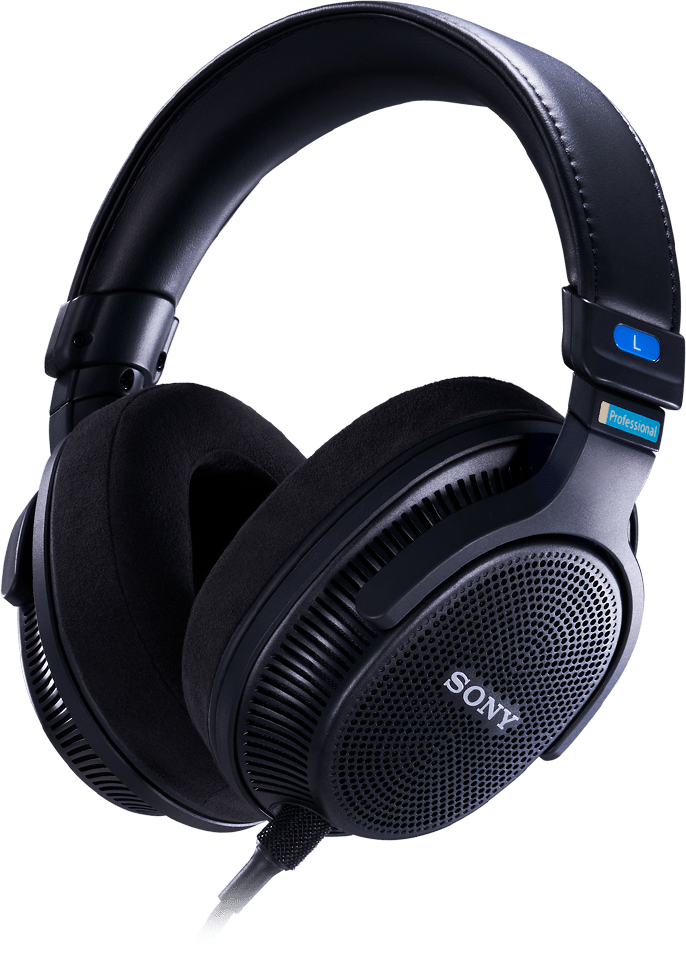
- Open-Back Design with Exceptional Spatial Imaging
Released in 2023, the MDR-MV1 features an open-back design that reduces unwanted internal reflections, delivering an incredibly realistic soundstage. With excellent spatial width and natural imaging, it accurately captures subtle ambient details and reverb tails. - Wide-Band Reproduction of Fine Details
Equipped with a newly developed driver unit, it boasts an ultra-wide frequency response of 5 Hz to 80 kHz. It resolves fine details without letting them get lost, allowing you to hear subtle nuances like guitar room acoustics, air, and amp depth. The 3D imaging is so detailed that players describe it as hearing the air in the room. - Comfortable Fit with Premium Earpads
Featuring soft, suede-like earpads with thick memory foam, these headphones offer outstanding comfort. They remain breathable and gentle during long monitoring sessions. The lightweight open-back construction minimizes pressure on your ears to reduce fatigue.
The MDR-MV1 is Sony's flagship open-back monitor headphone, highly regarded for mixing and mastering thanks to its exceptional spatial clarity. For guitarists, it makes evaluating delay and reverb decay, as well as amp soundstage depth, far more immersive and accurate than in-ear monitors can manage.
It captures subtle clean-tone decay as well as background noise buried under drive sounds, making it invaluable for precise tone shaping. While you need to watch out for click-track bleed during tracking due to the open-back design, it excels for post-recording mix evaluation. Many reviewers praise its resolution and wide soundstage, confirming it delivers professional quality worthy of its price tag.
Positive Feedback
- Wide Soundstage & Natural Imaging
Users praise the spatial presentation, noting that "it sounds like listening through studio monitors rather than headphones" and "the stereo imaging is amazingly natural." It accurately reproduces guitar ambience and live feel, making it ideal for monitoring amp modelers. - Reveals Subtle Nuances
The resolution and instrument separation earn high marks, with users highlighting clear reverb tails and easy detection of subtle panning adjustments in a mix. For recording guitar, picking nuances and finger noise are clearly audible, making retake decisions at home much easier. - Solid Bass Response for Open-Back Headphones
While open-back designs can lack low end, reviewers report that the MV1 delivers full, satisfying bass without sounding thin. It provides plenty of low-end body while maintaining clear mids and highs, satisfying users across the entire frequency range.
Negative Feedback
- Not Suited for Live Recording (Sound Bleed)
Due to the open-back construction, sound leaks significantly, making click tracks audible through sensitive microphones during tracking. Many players use closed-back headphones for recording and reserve the MV1 for mixing and casual listening. - Higher Price Point
Given its pro-level specs, some buyers find the price tag steep. While budget-conscious players might hesitate, actual owners frequently report that the quality justifies the investment.

audio-technica / ATH-R70x
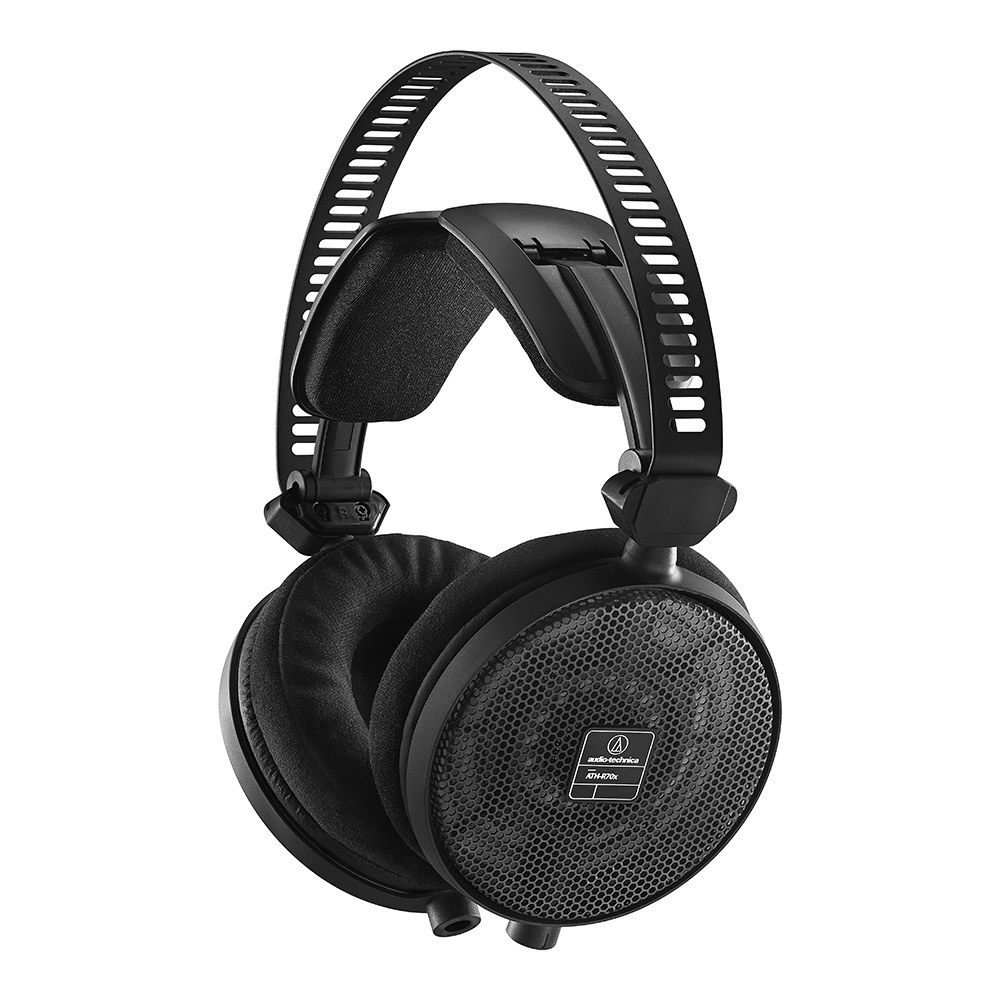
- Audio-Technica's flagship open-back monitor
The ATH-R70x is Audio-Technica's first open-back professional monitor headphone. Featuring a clean, minimalist design with premium build quality from the moment you hold it, this reference model balances sound accuracy with user comfort. It has remained a top seller since its 2014 release. - Clear, high-resolution sound
With a flat response, it delivers a well-balanced sound across low to high frequencies. Despite being an open-back design, it yields surprisingly rich bass, while the mids and highs remain articulate and well-defined for an exceptionally clear overall sound. From clean guitar tones to heavy drive, string separation and detail are outstanding, providing a delicate and natural listening experience. - Ultimate wearing comfort
Thanks to Audio-Technica's proprietary 3D wing support system, side pressure is virtually nonexistent. Weighing in light at roughly 210g with soft earpads, players report forgetting they even have them on during long sessions. The open-back design prevents heat buildup, minimizing fatigue for engineers and musicians during extended mixing sessions.
The ATH-R70x is designed to provide uncompromising performance and comfort for professionals and audiophiles alike. True to that promise, it translates every source—including guitar tracks—with a natural, smooth character. Its high impedance (470 Ω) means it requires capable source equipment, but paired with a proper headphone amplifier, it reveals an expansive soundstage and remarkable resolution. For guitar practice, excellent instrument separation and imaging help you focus on your playing, while casual listening reveals a vivid stereo image. Many users note that its fit, bass response, and spacious open-back sound field make it an absolute favorite, delivering pro-level quality at about ¥50,000 (yen reference).
Positive Feedback
- Outstanding separation and clarity
"You can hear each track distinctly separated" and "the resolution is so clear it feels like you can see every note"—players consistently praise its monitoring capability. Fast guitar runs remain articulate, making it ideal for pinpointing flaws in your playing. - Natural, rich bass
Users appreciate the solid low-end despite the open-back design. Reviews note that "it sounds flat, but the low end never feels thin" and "there's plenty of low-mid weight." It handles everything from pristine cleans to heavy guitar riffs with convincing authority. - Top-tier comfort
Many praise the comfort, noting "no fatigue even after hours" and "impressed by how light it feels." With minimal wearing fatigue, it creates an ideal environment for long practice and editing sessions.
Negative Feedback
- Requires adequate drive power
Due to its very high impedance, some users mention that "plugging straight into a basic audio interface doesn't provide enough volume" and "smartphones can't drive it properly." A proper headphone amp or capable interface is essentially required to unlock its full potential. However, once properly driven, the sound quality is remarkable. - Durability concerns for some
A few users report that "the housing joints feel delicate" or "a plastic section cracked after years of use." The lightweight construction may compromise structural rigidity slightly. While careful handling prevents issues under normal use, looking into extended warranty coverage offers extra peace of mind.

Prices kept in yen are a yen reference, not a US street price. Not a live quote.
Summary | Choosing Headphones That Make All the Difference
Here are monitor headphones for guitarists, broken down by price range.
The right pair of headphones can drastically boost your practice efficiency and recording quality. Beyond letting you immerse yourself in playing quietly without disturbing others, monitor headphones help you listen to your tone objectively so you can pinpoint areas to improve.
Use this guide to pick the pair that best fits your needs and budget. Great headphones are a shortcut to becoming a better player. Grab your favorite pair and enjoy a seamless practice routine!