
日本語English
7 Best Small Guitar Cabinets for Home Use (Buying Guide & Tips)
XTONES is a participant in affiliate programs including Amazon Associates and Reverb. We may earn a commission from qualifying purchases made through links on this page, at no extra cost to you.
Contents (18)
Compact guitar speaker cabinets are essential for home practice and recording, letting you enjoy authentic tone while keeping volume under control.
Compared to full-sized cabinets, they take up far less space, are easier to handle, and make volume control simple, making them a popular choice for practicing at home.
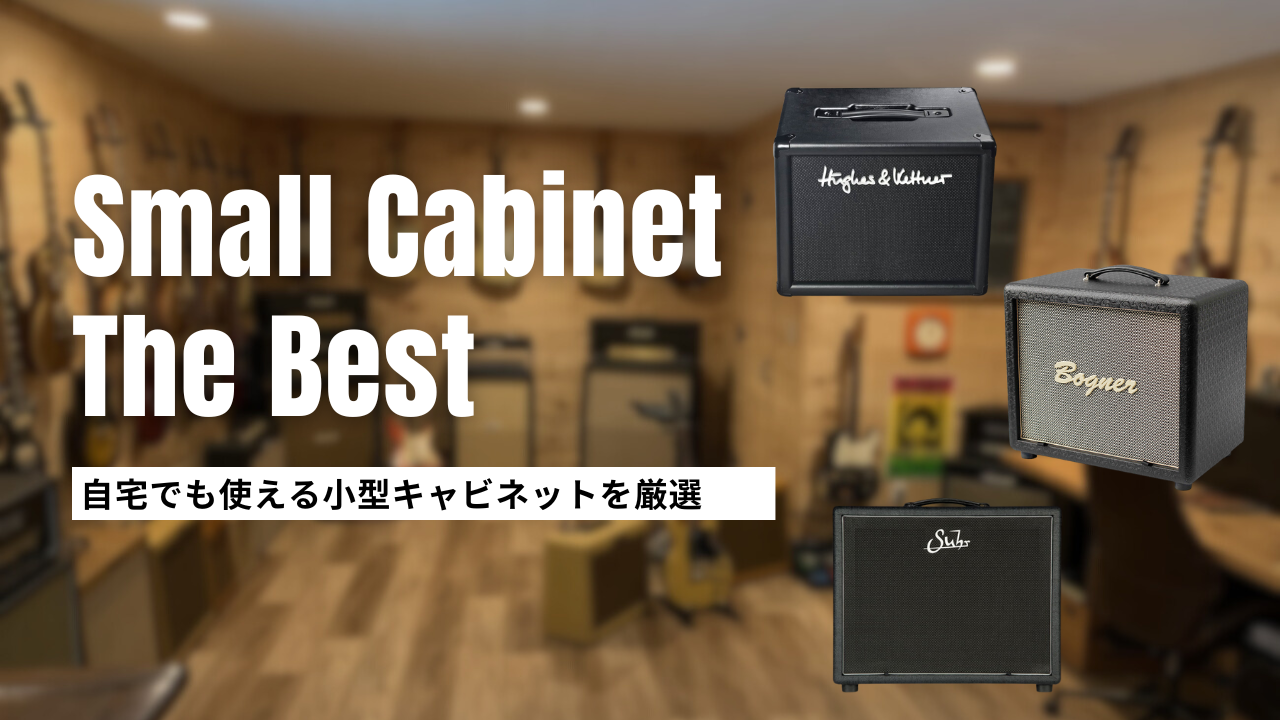
In this guide, we highlight seven compact cabinets worth a look for home use alongside the pros, cons, and key buying considerations for choosing the right compact cab.
If you want to take your home practice tone to the next level, read on!
Why Compact Cabinets Are Ideal for Home Guitar Practice | Pros & Cons
Advantages of Using a Compact Cabinet
- Direct tone and physical response
Moving real air through a speaker cabinet provides an immersive playing feel and helps boost expressive nuance. - Compact footprint and easy setup
Fits easily into limited spaces without cluttering your home setup. - Easy portability
Ideal if you primarily practice at home but occasionally need to transport it to small gigs or jam sessions. - Manageable volume levels
While not built for loud venue stages, they are easily tailored to home-friendly volume levels. - Options across all price points
From budget-friendly options to premium high-end gear, there is a wide range of models available to suit your goals.
Disadvantages of Using a Compact Cabinet
- Limited low end and sheer volume
Due to their small cabinet size, low-frequency response and maximum output are naturally constrained. - Directional sound projection
Sound tends to be directional, which isn't ideal if you want room-filling sound or need to compete with a full band. - Compatibility limits with high-wattage amp heads
You must carefully check wattage ratings and impedance matching with your amp head.
How to Choose a Compact Guitar Cabinet for Home Use (and What to Watch Out For)
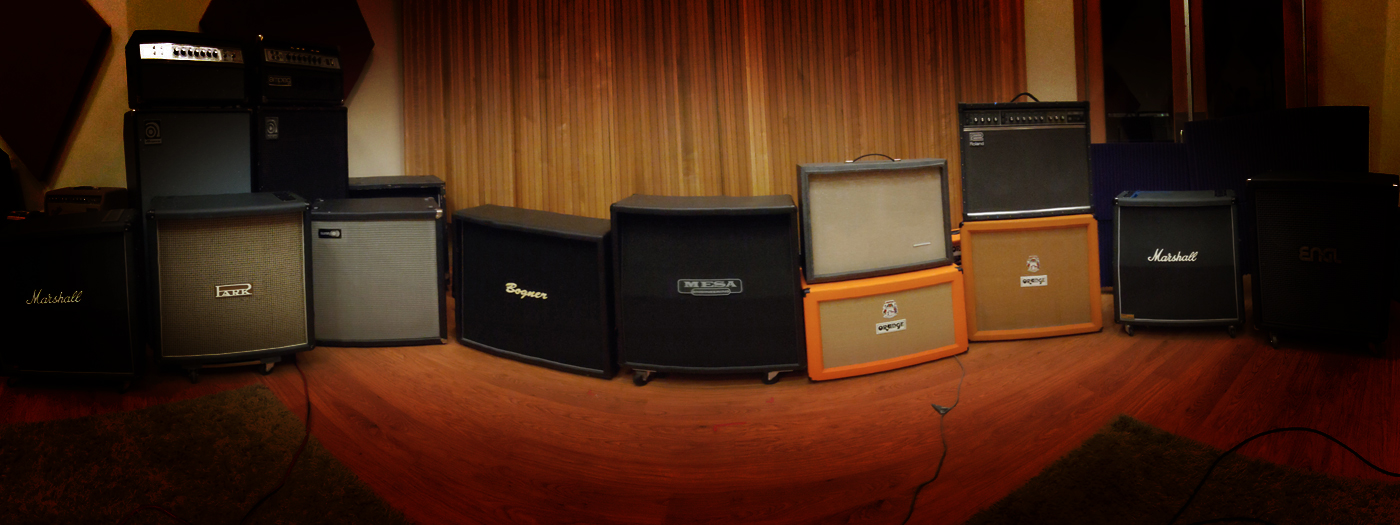
Compact guitar cabinets are incredibly useful tools for home practicing and desktop recording.
However, picking one at random can lead to muddy tones or compatibility issues with your amp head, preventing you from getting the sound you want.
Here, we break down how to choose the right compact cabinet and key points to consider.
Check Cabinet Size and Available Space
When choosing a cabinet for home use, the first thing to evaluate is its physical dimensions and where you plan to place it.
- 12-inch speaker
The most common size, delivering a balanced and full tone. - 10-inch speaker
Offers a clear sound focused on the midrange, frequently used in compact cabinets. - 8-inch or smaller
Ultra-compact and easy to move around, though low-end response tends to be thinner.
Measure your available space to ensure a comfortable setup.
Placing the cabinet directly on the floor can transmit low-end vibrations through the building, so using isolation pads or a stand is highly recommended.


Check Speaker Size and Driver Configuration
Small cabinets typically come in single-speaker (1x12) or dual-speaker (2x12) configurations.
Single-Speaker (1x12, 1x10)
- Focused directional sound with a direct response
- Compact and space-saving
- Moderate low-end power and sound pressure
Dual-Speaker (2x10, 2x12)
- Higher sound pressure, suitable for full-band playing
- Larger footprint, making it less ideal for home use
If your main goal is home practice, a single-speaker compact cabinet offers the best balance and ease of use.
Match Speaker Impedance (Ω) with Your Amp Head
When connecting an amp head to a cabinet, matching the impedance rating (Ω) is critical.
For example
8Ω amp head → Choose an 8Ω cabinet
16Ω amp head → Choose a 16Ω cabinet
If the impedance doesn't match, you run risks such as:
- Harsh clipping or distorted signal
- Extremely low output volume
- In the worst case, hardware damage to your amp head or cabinet
Impedance ratings are printed on the back panel of the cabinet and in the manual. Always double-check before turning on your gear.
Check Power Handling (Wattage)
If your amp head's output power exceeds the cabinet's power handling rating, you risk blowing the speaker.
Power Handling Guidelines for Small Cabinets
- 20W → Ideal for home use (easy to control volume)
- 30W–50W → Handles both home practice and small gigs
- 100W → Built for loud stage environments (usually too loud for home use)
Always make sure your amp head's wattage matches the cabinet's handling specifications properly.
Open-Back vs. Closed-Back Cabinets
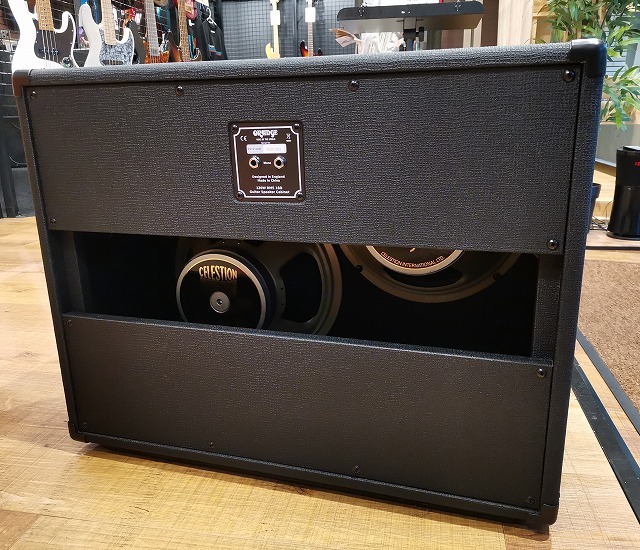
Open-Back Characteristics
- Wider sound dispersion with an open, spatial feel
- Fills the room naturally with ambient resonance
- Slightly looser bass response and less forward projection
Best suited for jazz, clean tones, and arpeggios.
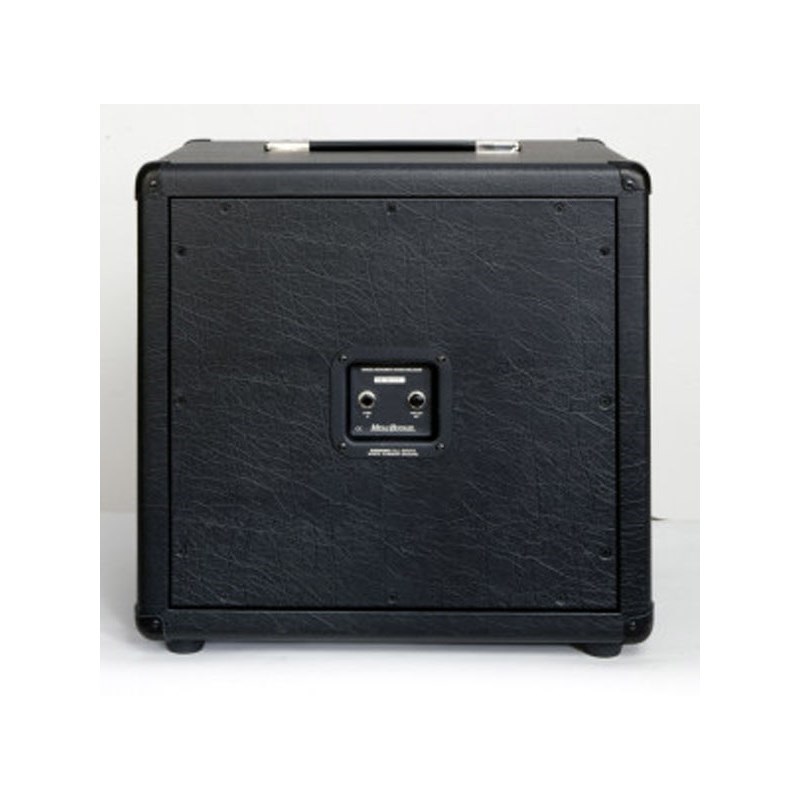
Closed-Back Characteristics
- Direct sound projection straight toward the listener
- Fast transient response with punchy, tight low end
- Stronger sound pressure, ideal for metal and hard rock
Ideal for drive tones, hard rock, and metal.
7 Best Small Guitar Cabinets for Home Use
[Sound Quality Pick] Bogner / 1×12 CUBE
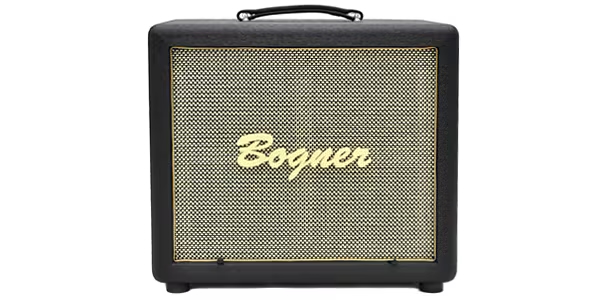
Bogner 1×12 CUBE Specs
| Dimensions | 476W × 444H × 304D mm |
| Weight | Approx. 15 kg (33 lbs) |
| Power Handling | 60 W |
| Speaker | 12" Celestion Vintage 30 |
| Impedance | 8Ω / 16Ω |
| Design | Closed-back with dual ports |
| Yen reference | about ¥150,000 (yen reference) |
- Signature thick Bogner midrange
- Tight low end with rich harmonic overtones
- Handles everything from clean tones to high-gain
Who is the Bogner 1×12 CUBE best for?
- Players who want a thick tone with solid core presence
- Anyone seeking pro-grade audio quality
- Guitarists needing versatility across clean and drive tones

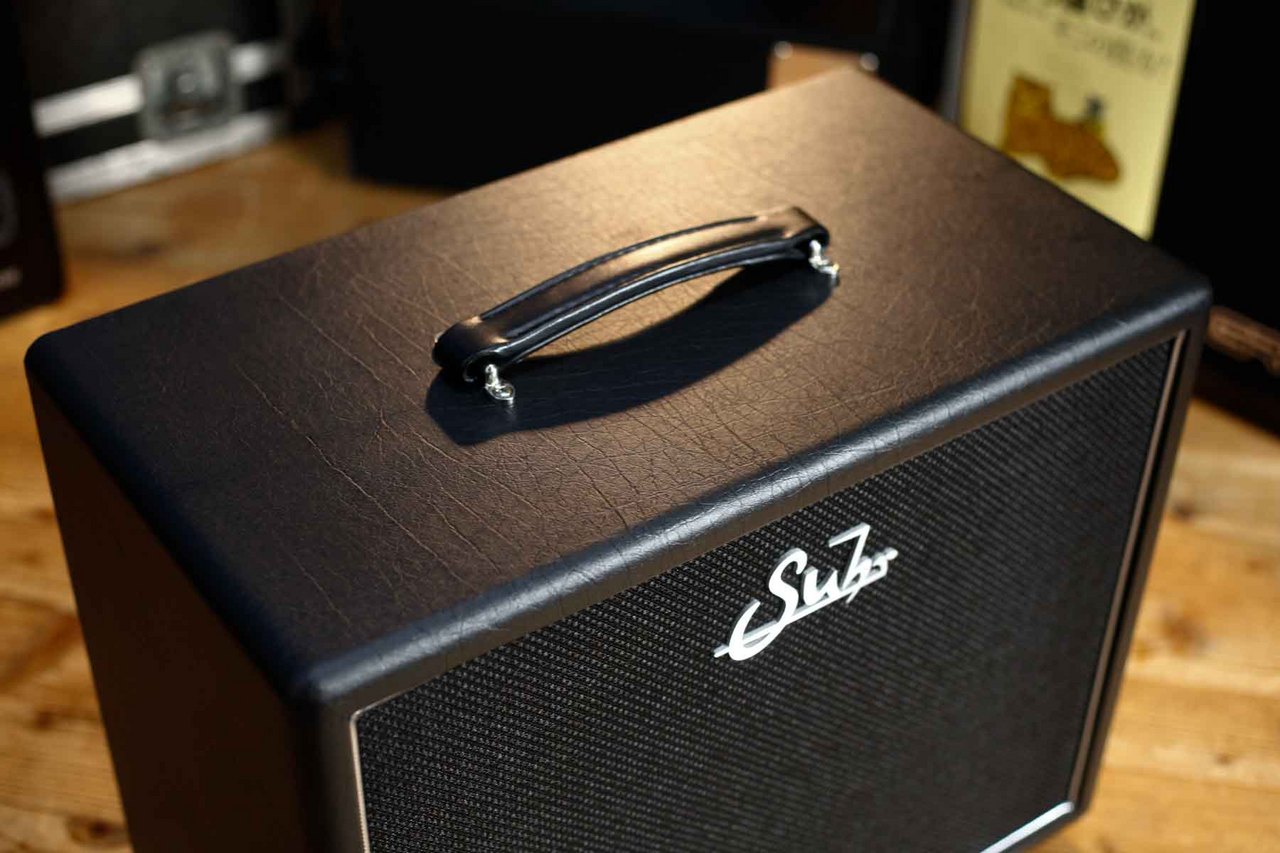
[Tone-Focused] Suhr / 1×12 Cabinet
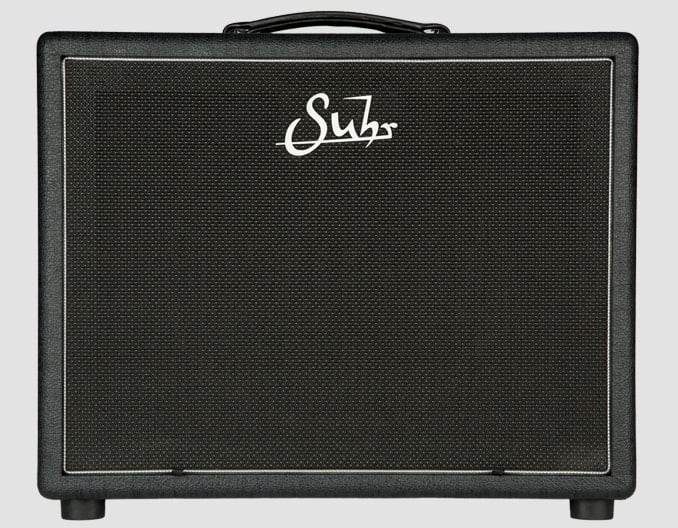
Suhr 1×12 Cabinet Specs
| Dimensions | 519W × 423H × 279D mm |
| Weight | Approx. 17.1 kg |
| Power Handling | 50W / 70W |
| Speaker | WAREHOUSE Veteran 30 Celestion Vintage 30 |
| Impedance | 8Ω |
| Design | Closed-back |
| Price Range | about ¥150,000 (yen reference) |
- Nuanced tone tailored to complement Suhr amplifiers
- Warm, rich midrange
- Maintains clarity without squashing even at high-gain
Who is the Suhr 1×12 Cabinet best for?
- Players looking for well-balanced sound quality
- Those who want coverage from clean to overdrive
- Anyone searching for an all-around high-performing cabinet
Gear Used in Audio Sample
Guitar: Suhr JE-Line Classic Antique Roasted Flame Maple (Black)
Pedal: Xotic Soul Driven (Crunch)
Amp: Marshall JTM45 (Clean/Crunch)
Marshall 1987X (Distortion)
Cabinet: Suhr 1×12 Cabinet
Speaker: ToneSpeak Liverpool 1275
ToneSpeak Birmingham 1275
ToneSpeak Manchester 1290
Celestion G12H-75 Creamback
Mic: Shure SM57

[Balanced] MESA BOOGIE / 1×12 Rectifier Cabinet
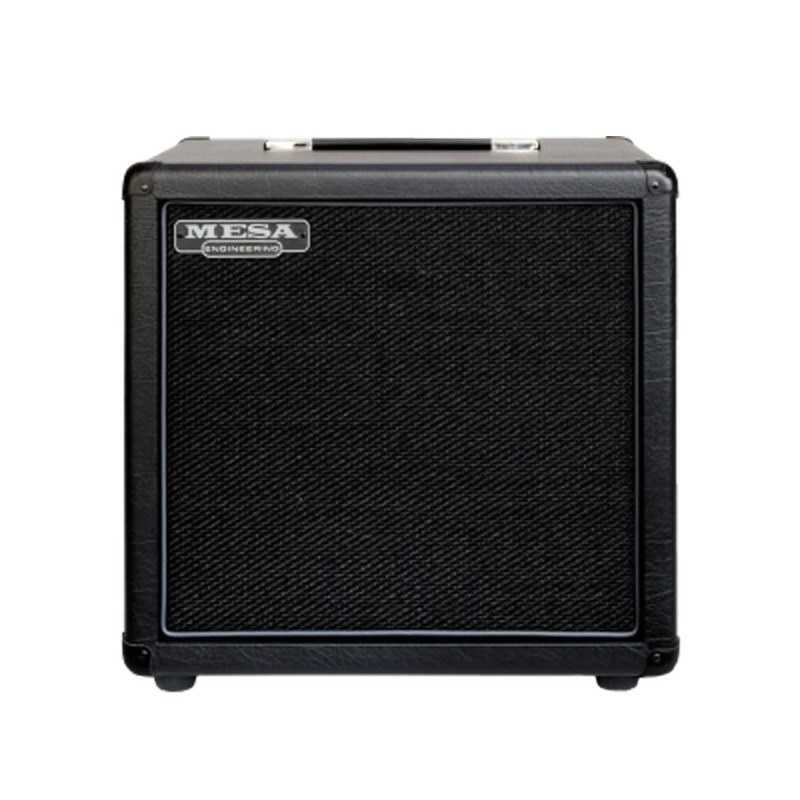
1×12 Rectifier Cabinet Overview
| Dimensions | 476.3W × 466.7H × 362D mm |
| Weight | Approx. 18.6 kg |
| Power Handling | 60 W |
| Speaker | Celestion Vintage 30 |
| Impedance | 8Ω |
| Enclosure | Closed-back |
| Price Range | about ¥80,000 (yen reference) |
- Cabinet optimized for Rectifier amp heads
- Tight low end and powerful midrange
- Ideal for hard rock and metal
Who is the 1×12 Rectifier Cabinet for?
- Players looking to use high-gain amps
- Guitarists focused primarily on metal or hard rock

[Balanced Choice] MESA BOOGIE / 1×10 Boogie
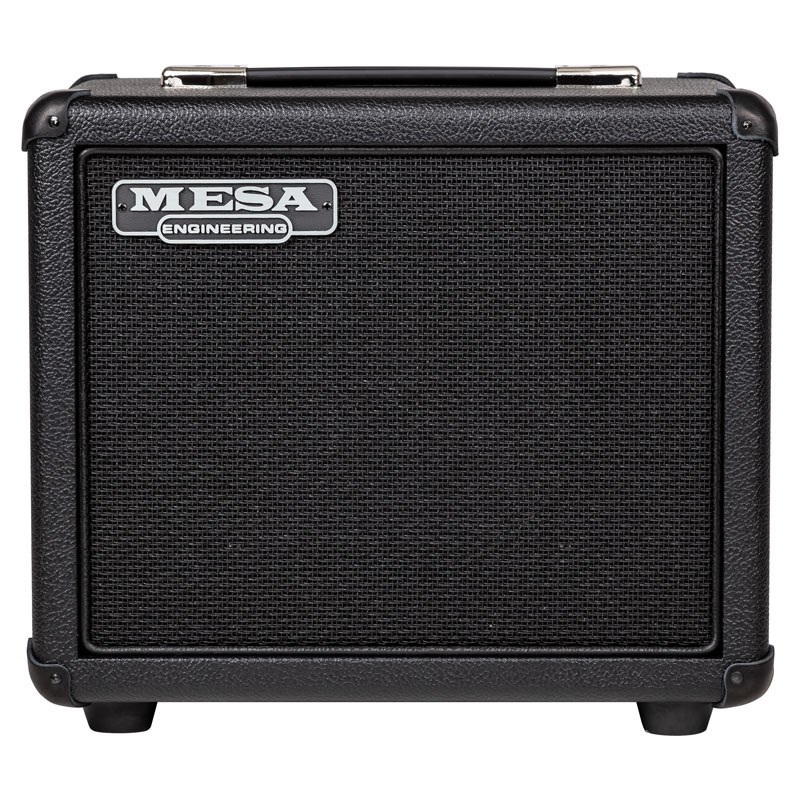
1×10 Boogie Key Specs
| Dimensions | 391W × 337H × 292D mm |
| Weight | Approx. 8.2 kg |
| Power Handling | 60 W |
| Speaker | Celestion G10 Vintage |
| Impedance | 8 ohms |
| Design | Closed-back |
| Price Range | about ¥80,000 (yen reference) |
- Solid sound pressure and punch despite its compact 10-inch speaker format
- Closed-back design balances tight low end with clear articulation
- High versatility for both home practice and live performances
- Ideal for hard rock and metal
The 1×10 Boogie is great if you:
- Want punchy tone from a compact cabinet
- Focus on high-gain drive tones
- Need strong sound pressure and power in a small footprint

[Price & Balance] Marshall / MX112
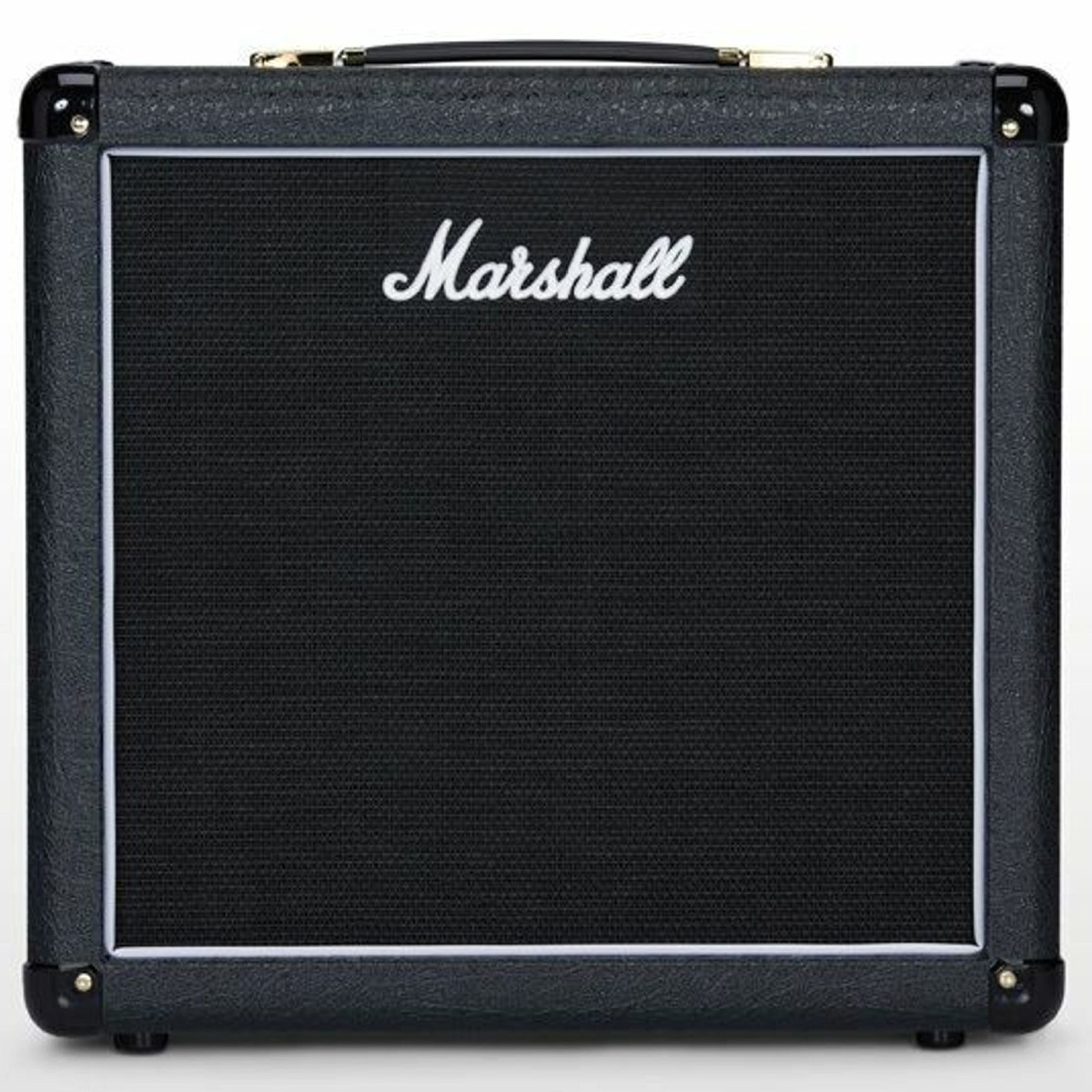
MX112 Overview
| Dimensions | 500W × 470H × 290D mm |
| Weight | Approx. 13.5 kg |
| Power Handling | 80 W |
| Speaker | Celestion Seventy-80 |
| Impedance | 16Ω |
| Design | Closed-back |
| Approx. US street | $300 about ¥40,000 (yen reference) |
- Classic British Marshall sound
- Strong midrange punch
- Handles clean tones to overdrive seamlessly
Who is the MX112 best for?
- Players looking for rich crunch tones
- Great choice for rock, blues, and classic rock

If you want to build a compact Marshall setup at home


[Budget Pick] Hughes & Kettner | TM110 Cabinet
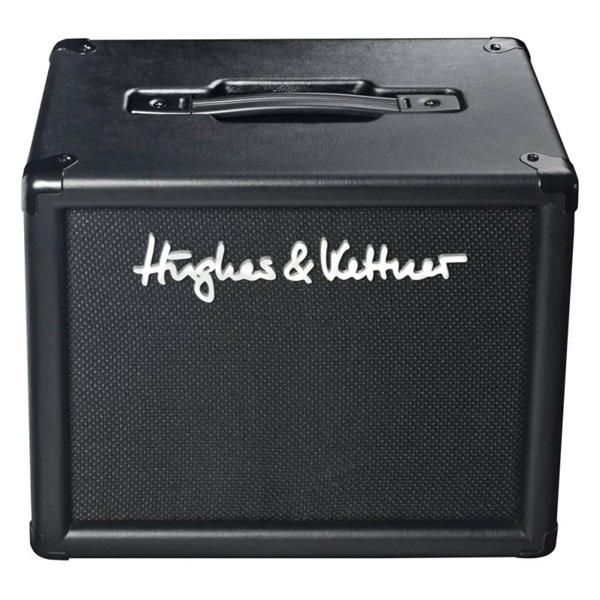
TM110 Cabinet Specs
| Dimensions | 400W × 350H × 255D mm |
| Weight | Approx. 6.6 kg |
| Power Handling | 30 W |
| Speaker | 1×10 Celestion TEN 30 |
| Impedance | 8Ω |
| Enclosure | Closed-back |
| Price Range | about ¥40,000 (yen reference) |
- Compact and easy to handle
- 10-inch speaker ideal for home practice
- Clear midrange that cuts through the mix
- Lightweight and highly portable
The TM110 Cabinet is great for players who:
- Want a lightweight cab focused on great value
- Are drawn to the Hughes & Kettner lineup

If you want an all-Hughes & Kettner setup


[Budget Pick] ORANGE / PPC108 & PPC112
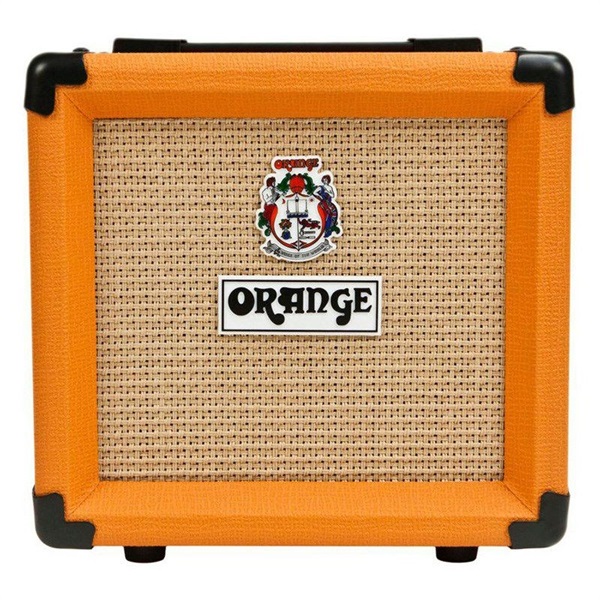
PPC108 & PPC112 Specs Overview
| PPC108 | PPC112 | |
|---|---|---|
| Dimensions | 260 W × 255 H × 160 D mm | 550 W × 450 H × 290 D mm |
| Weight | Approx. 8.8 lbs (4 kg) | Approx. 33 lbs (15 kg) |
| Power Handling | 20 W | 60 W |
| Speaker | Orange 8″ speaker | Celestion Vintage 30 |
| Impedance | 8Ω | 16Ω |
| Design | Closed-back | Closed-back |
| Approx. US street | $110 | $450 |
- Tight low end despite its compact footprint
- Excels at clean and crunch tones
- Delivers Orange's signature vintage vibe
Who is the PPC108 for?
- Players who want real speaker cabinet sound at manageable home volumes
- Anyone who loves Orange's iconic, compact styling


Approx. US street prices are rounded retailer prices as of November 6, 2026, before sales tax. Not a live quote. Figures kept in yen are a yen reference.
Conclusion: Build the Ultimate Home Practice Setup with a Small Cabinet
When practicing guitar at home, finding a compact cabinet with the right balance of sound quality, volume, and footprint is essential. The small cabs featured in this guide all combine high-quality tone with home-friendly usability, letting you enjoy realistic speaker response even at lower volumes.
- Size & weight → Prioritize easy placement and mobility at home
- Impedance & power handling → Consider compatibility with your amp
- Speaker type & materials → Directly impacts tone and response
- Open-back vs. closed-back → Defines sound dispersion and bass directionality
When selecting a home cabinet, choosing a model that suits your playing style and amp setup is key. Playing through an actual cabinet gives you real acoustic resonance and dynamic feel, boosting motivation and making practice far more rewarding.
For players who refuse to compromise on tone just because they're practicing at home, picking the right cabinet—whether tone-first, budget-friendly, or a balanced design—will help you build the ideal practice environment.
Check out these models worth a look and bring pro-level tone into your home setup!