
日本語English
Studio Monitor Guide for Guitarists, by Budget
XTONES is a participant in affiliate programs including Amazon Associates and Reverb. We may earn a commission from qualifying purchases made through links on this page, at no extra cost to you.
Contents (31)
Stocking boutique overdrives and rare vintage gear to archive your personal tone as high-quality digital audio assets using modern digital capture devices—for today's guitarists, unlocking gear potential in the digital domain has become an essential, creative workflow.
However, no matter how high-end your audio interface is or how detailed your capture resolution may be, if the studio monitors delivering that sound to your ears lack precision, you won't be able to accurately evaluate subtle picking nuances or rich tube harmonics. The common frustration of "the killer tone I dialed in on my amp modeler sounds thin on smartphones or car stereos" stems directly from the monitoring environment used to judge the sound. Studio monitors serve as the ultimate mirror, reflecting your guitar tone without distortion or exaggeration.
In this guide, we break down the five key criteria guitarists should prioritize when choosing studio monitors. We also cover practical sizing tips for home setups, budget-friendly entry-level models ideal for a first home studio, and flagship monitors designed for demanding tone collectors—all categorized by price range.
About the 5 Evaluation Criteria
- Resolution & Transients
How clearly the monitor reproduces picking attack, tube harmonics, and decaying reverb tails. - Phase & Stereo Imaging (Capture Precision)
Whether you can accurately evaluate physical amps against digital captures in A/B testing without phase issues. - Frequency Response (Flatness)
Whether the sound remains uncolored so you can objectively evaluate your actual audio output. - Room Adaptability (Placement & Acoustic Tuning)
Whether features like front ports, passive radiators, or DSP room correction allow the monitors to perform properly on a home desktop. - Value for Money (Performance per Dollar)
Beyond just a low price tag, how much performance and functionality you get for your investment.
5 Key Criteria for Guitarists Choosing Studio Monitors
Transient Speed and Precision
Transients refer to the initial attack moment when a note is picked.
If you choose monitors with sluggish transient response, it becomes difficult to accurately judge compressor sensitivity or how a boutique overdrive pedal responds to your playing.
Selecting fast, responsive speakers that reproduce high-end multi-effects tube feel and subtle touch nuances without lag is the first step toward crafting inspiring tone.
Midrange Resolution: The Heart of Guitar Tone
For casual music listening, booming bass and sparkling highs might sound impressive, but all the essential character of electric guitar lives in the midrange.
If a monitor's midrange resolution is muddy or smeared, swapping cabinet IRs or mic positioning on your amp modeler won't sound distinct, often leaving your guitar buried in the mix.
To handle precise EQ tweaks where guitar frequencies clash with vocals or snare drums, you need monitors that expose every midrange detail clearly.
Phase and Imaging Accuracy for Gear Captures
Phase refers to the timing alignment of sound waves coming from the left and right speakers.
Monitors with excellent phase response don't sound like audio coming out of wooden boxes—they project a three-dimensional soundstage where the amp feels physically present in front of you.
This spatial precision is critical when capturing real amps or pedals to create digital profiles and tone models.
When A/B testing a physical rig against its digital capture, poor phase accuracy will deceive your ears into hearing differences that aren't actually in the audio signal.
Woofer Size and Bass Response Tailored to Room Size
A common mistake is assuming bigger is always better and placing oversized monitors in a typical home room.
Excessive low end in a smaller space reflects off walls and creates standing waves—causing boomy frequencies to linger in the room.
When this happens, evaluating tight palm-muted low-end chugs on a high-gain amp profile becomes almost impossible.
Room Size vs. Recommended Monitor Woofer Size
| Room Size (Approx.) | Recommended Size | Environment & Setup Tips |
| Under 80 sq ft (4.5 tatami) (Compact desktop) | 3–4 inches | Ideal when monitors must sit directly on a desk or right against a wall. Helps avoid boomy low end, keeping monitoring tight and clean. |
| 100–140 sq ft (6–8 tatami) (Typical bedroom/study) | 4–5 inches | The safest standard for home recording setups. Provides balanced accuracy from guitar midrange to bass fundamentals. Ideally placed at least 1 foot (30 cm) away from back walls. |
| 180–210 sq ft (10–12 tatami) (Larger dedicated room) | 6.5–7 inches | Suited for spacious rooms where you need to accurately monitor kick drums and sub-bass frequencies. Requires adequate clearance behind the speakers. |
| 260+ sq ft (15+ tatami) (Treated studio / Commercial) | 8 inches+ | Built for high-volume mixing across larger spaces or band playback sessions. Difficult to utilize fully in untreated residential environments. |
Room Correction and Acoustic Adaptation
Professional recording studios are acoustically designed from wall angles to treatment materials to prevent unwanted reflections.
Home desks, however, are filled with audio-clouding factors like computer screens, flat walls, and tight spaces.
That makes room adaptation features crucial.
Front-ported designs (which resist low-end build-up near walls) or monitors with DSP room correction software use measurement mics to compensate for acoustic reflections, helping deliver reliable monitor accuracy even in untreated rooms.
Under $350: Entry-Level Studio Monitors
This price tier is ideal for guitarists setting up their first home studio or working with limited desk space.
Thanks to recent engineering advances, many monitors in this class offer resolution clean enough to serve as reliable reference monitors even for experienced users.
| Specs / Feature | Yamaha HS5 | IK Multimedia iLoud Micro Monitor | PreSonus Eris Studio 5 | JBL 305P MkII | KRK ROKIT 5 G4 |
| Woofer Size | 5" | 3" | 5.25" | 5" | 5" |
| Tweeter Size | 1" | 3/4" | 1" | 1" | 1" |
| Frequency Response | 54Hz – 30kHz | 45Hz – 22kHz | 48Hz – 20kHz | 49Hz – 20kHz | 43Hz – 40kHz |
| Output Power (Total) | 70W | 50W (RMS) | 80W | 82W | 55W |
| Acoustic Tuning / EQ | Rear switches (ROOM CONTROL, etc.) | Rear switches (EQ) | Rear controls (Acoustic Tuning) | Rear switches (Boundary EQ, etc.) | Rear LCD (DSP-driven EQ) |
| Inputs | XLR, TRS | RCA, 1/8" stereo, Bluetooth | XLR, TRS, RCA | XLR, TRS | XLR/TRS combo jack |
| Dimensions (W×H×D) | 170×285×222 mm | 90×180×135 mm | 203×292×223 mm | 186×298×242 mm | 190×285×241 mm |
| Weight (Per Unit) | 5.3 kg | Approx. 850 g (1.7 kg pair) | 5.2 kg | 4.73 kg | 4.85 kg |
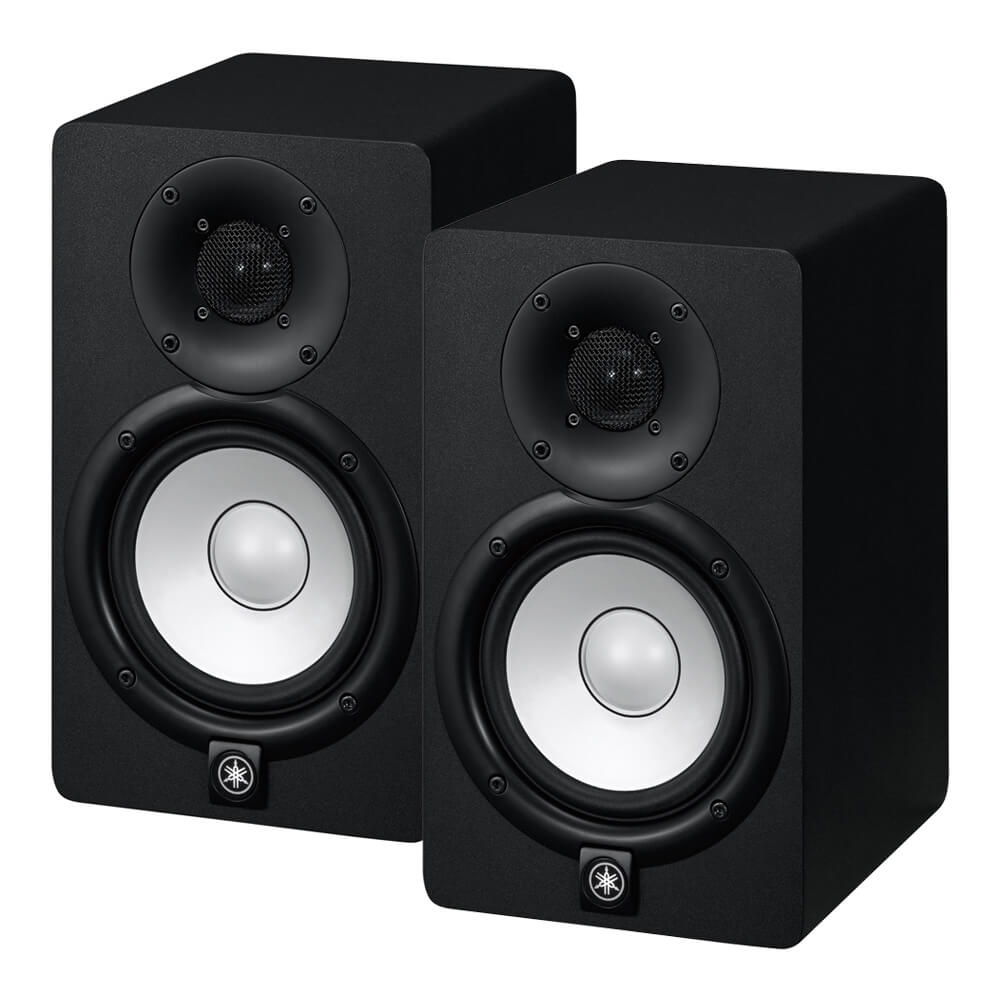
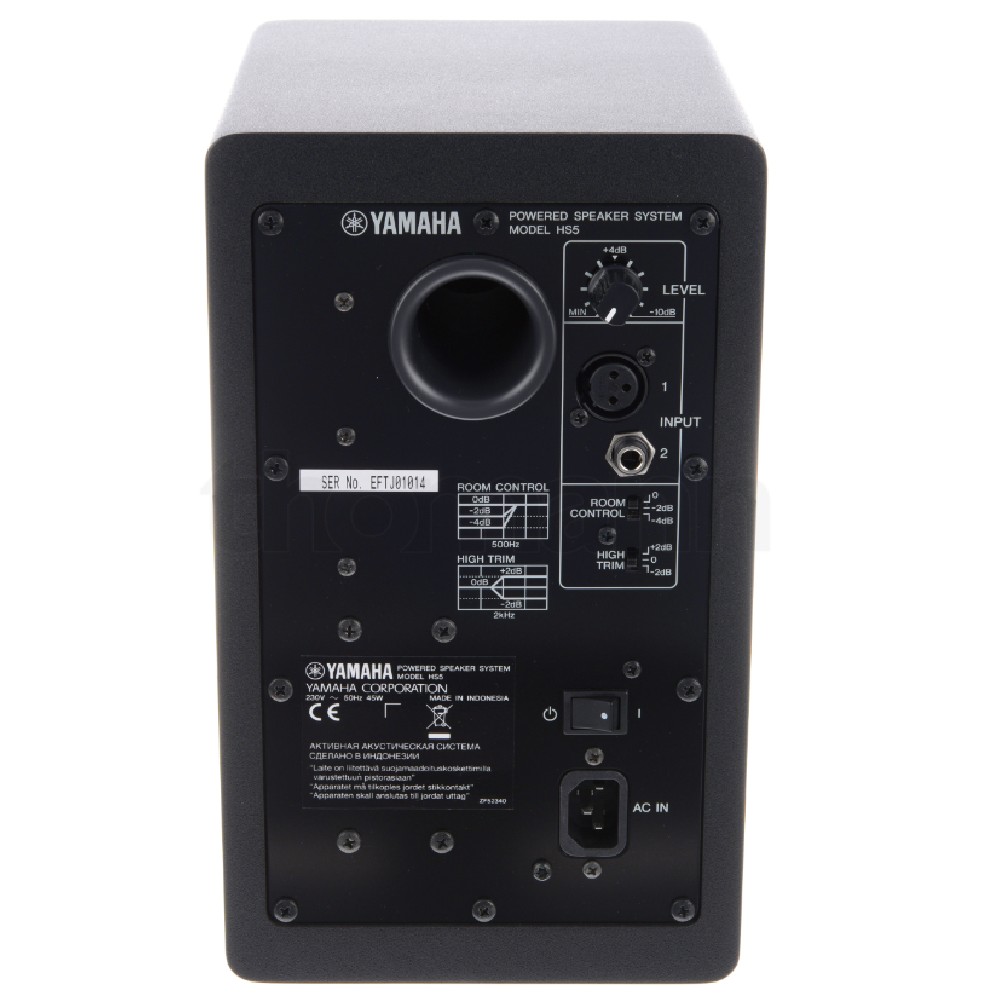
Yamaha HS5
- Flat, Uncolored Response
Delivers accurate audio without artificially boosting frequencies, allowing you to clearly evaluate mix balance and raw amp modeler tones. - High-Performance Transducers
Advanced magnetic circuits optimize flux flow for smooth, seamless response across the frequency spectrum. - Resonance-Free Enclosure
Thick MDF cabinet with three-way mitered joints minimizes unwanted internal cabinet resonances for precise stereo imaging.
Building on the heritage of Yamaha's iconic NS-10M studio monitors, the HS5 serves as an industry-standard nearfield monitor.
For guitarists, the flat, unhyped bass response makes it easy to spot tone flaws like harsh high end or mid scoops.
Widely used as reference monitors in professional recording environments, the HS5 remains a top default choice for home studios.
User Praise
- "I also own Genelec monitors, but these Yamahas sound remarkably natural across highs, mids, and lows."
- "Great flat sound quality and stereo imaging. Extremely reliable for home recording."
- "Excellent value for money with impressive instrument separation and detail."
User Complaints
- "Input sensitivity is high, so fine volume adjustments on your audio interface can be tricky."
- "Low end can feel light, so it takes time to get used to if you monitor bass-heavy genres."

IK Multimedia iLoud Micro Monitor
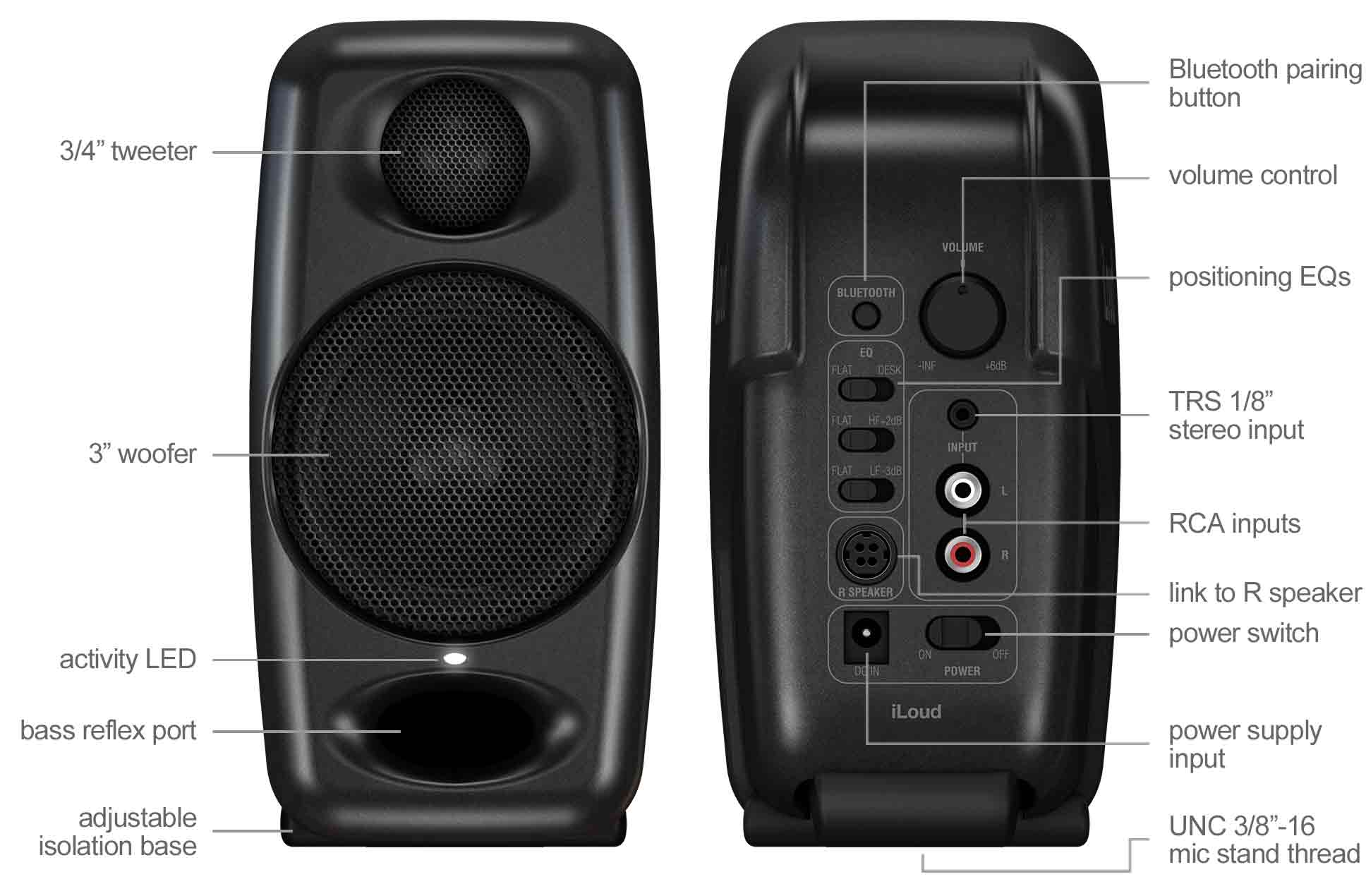
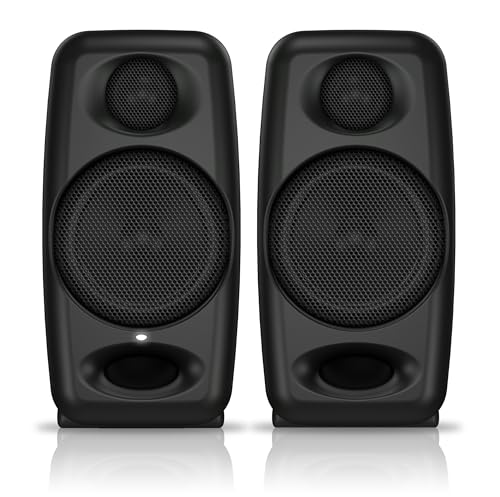
- One of the world's smallest reference monitors
Despite a footprint roughly the size of a 500 ml bottle, it delivers accurate, professional-grade linear frequency response. - Advanced DSP crossover
A 56-bit DSP controls phase response and dynamics to deliver precise stereo imaging even on a desktop setup. - Convenient Bluetooth connectivity
Supports wireless listening for seamless reference audio playback straight from a smartphone.
Italian audio software maker IK Multimedia developed this innovative model to overcome physical size constraints through digital processing.
For guitarists working with limited desk space, few options match its ultra-compact design while delivering such an expansive soundstage and extended low end.
Thanks to DSP, the frequency balance remains consistent even at low volumes, letting you monitor your tone during late-night home practice without losing the feel of natural amp cabinet resonance.
Positive Feedback
- "It produces a soundstage you would never expect from something this size."
- "Having Bluetooth built in makes it super convenient to quickly stream reference tracks from my phone."
- "I was really impressed by how little space it takes up next to my PC monitor or TV."
Negative Feedback
- "The included 4-pin cable connecting the left and right speakers is thick and stiff, making cable routing tricky."
- "The input jacks are placed high on the unit and the power supply is a bit bulky, making it hard to hide the wiring."
PreSonus Eris Studio 5
- Wide Sweet Spot
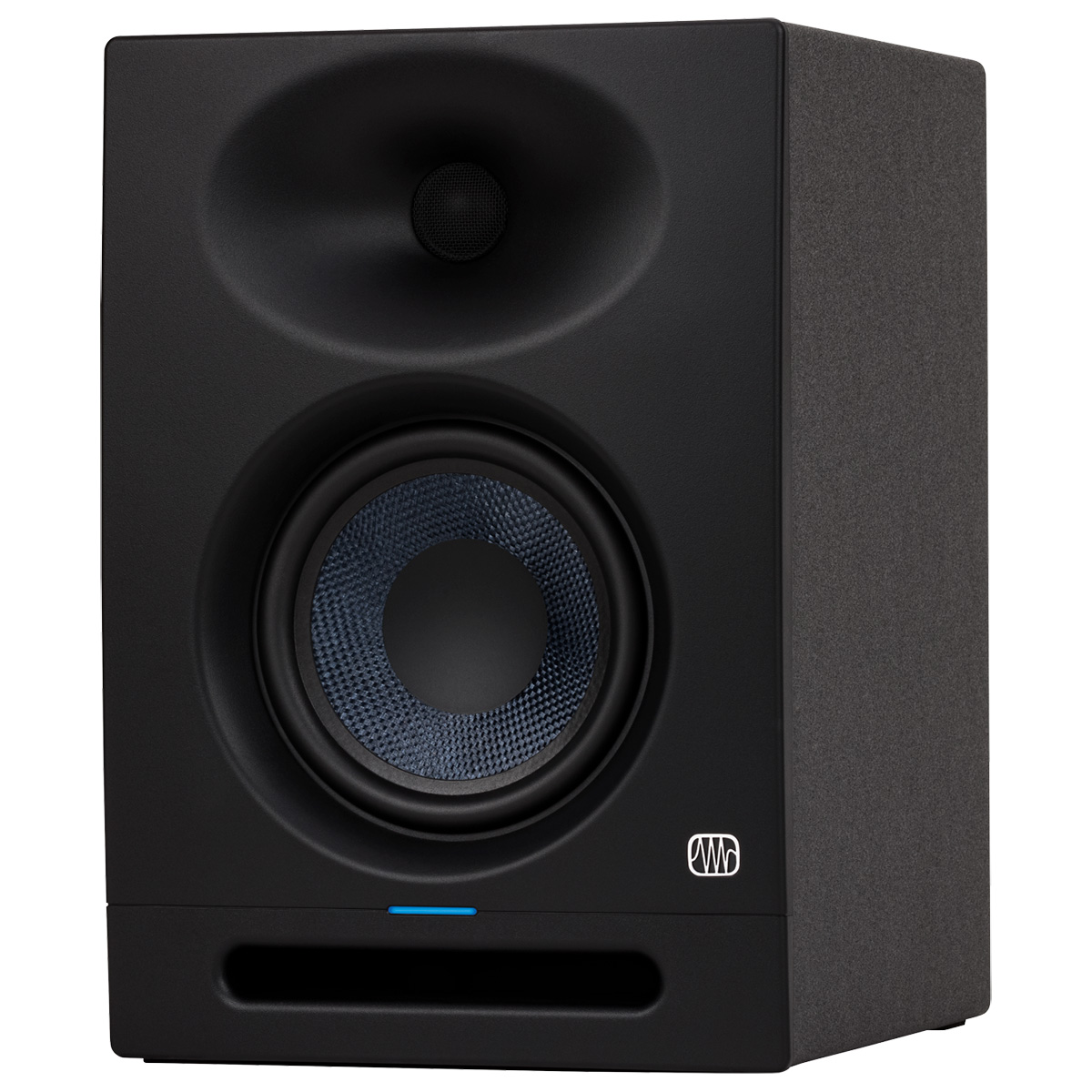
The custom-designed EBM waveguide delivers a broad 120-degree horizontal dispersion, ensuring accurate monitoring wherever you sit at your desk. - Woven Composite Woofer
The custom woofer material maintains a consistent dispersion pattern across the frequency range, producing clear, punchy low-mids. - Flexible Acoustic Tuning Controls
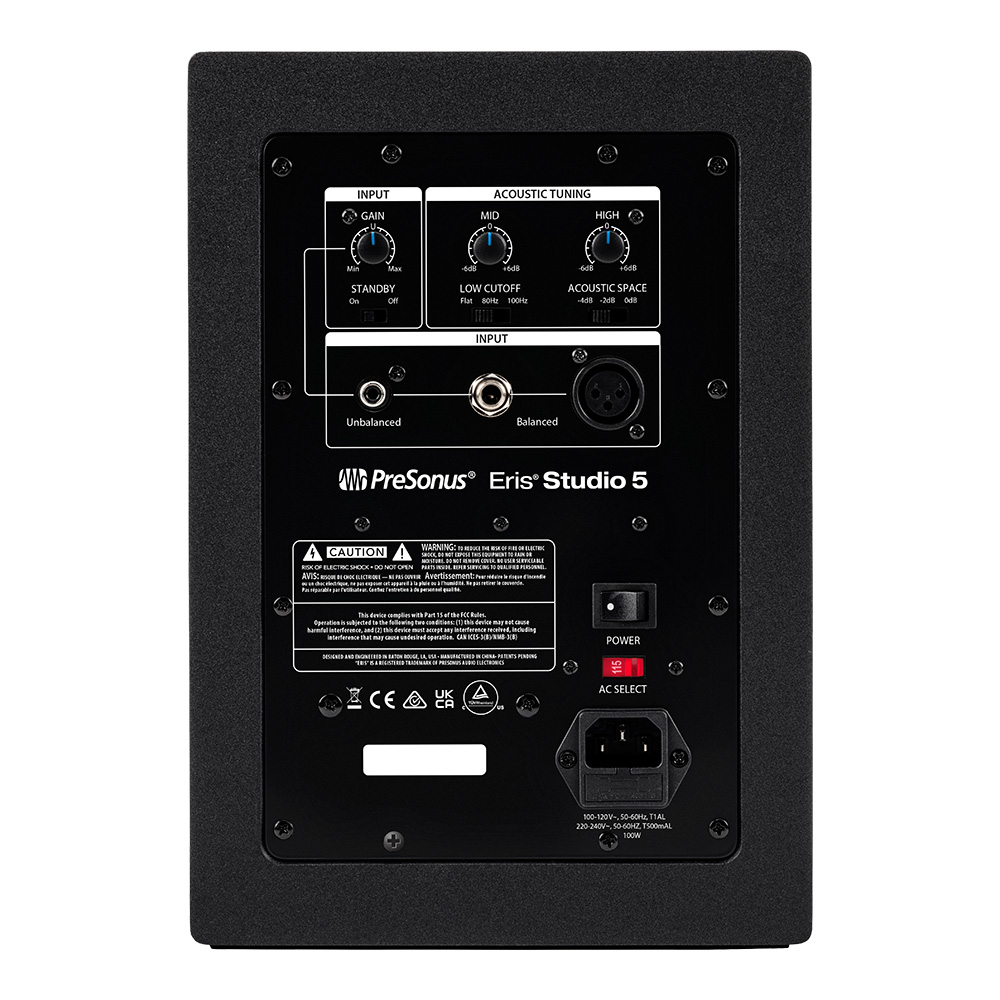
Rear-panel acoustic tuning controls make it easy to compensate for placement against walls or in corners.
Known for recording hardware and DAW software, PreSonus designed this studio monitor with creator workflow as a top priority.
Thanks to its ultra-wide high-frequency dispersion, the soundstage won't shift drastically even if you change your posture while playing guitar or stand up a bit further away.
It features a warm, analog-like low-mid response that smooths out harsh frequencies from single-coil pickups like those on a Stratocaster.
Positive Feedback
- "High midrange resolution brings picking nuance right to the front."
- "The sweet spot is wide, so shifting posture slightly doesn't change the sound—making work very comfortable."
- "Thanks to the custom waveguide, stereo panning and imaging are crystal clear."
Negative Feedback
- "If you're looking for heavy low-end impact, you may hit the physical limits of this speaker size."
- "The rear controls are small, making fine adjustments a bit tricky once it's placed close to a wall."

JBL 305P MkII
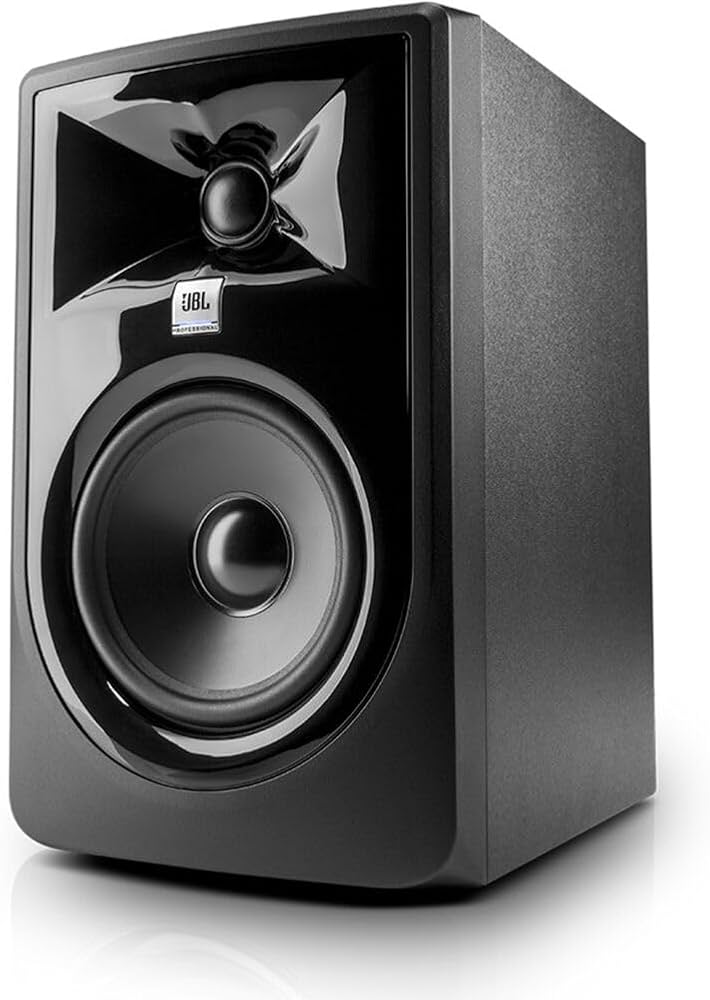
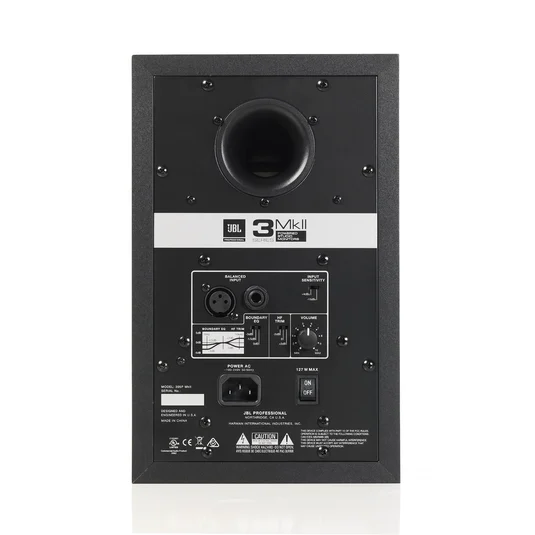
- Patented Waveguide
Inherited from high-end models, the Image Control Waveguide delivers 3D stereo imaging with sharp detail and depth. - Next-Generation Transducers
Optimized woofer and tweeter magnetic circuits maintain a clean, distortion-free frequency response even at high SPLs. - Practical Boundary EQ
Tames low-end buildup caused by desktop placement or proximity to walls at the flick of a switch.
JBL—trusted in movie theaters and concert halls worldwide—packs its proprietary acoustic tech into an active monitor built for home studios.
For guitarists, the real draw at this price point is how it delivers the physical punch of a real amp cabinet right in front of you.
With broad input sensitivity options, dialing in fine volume adjustments from your audio interface is easy, making it ideal for late-night, low-volume playing.
Positive Reviews
- "Hands down the best active monitor for the price. It's great for casual listening too."
- "Being able to turn down input sensitivity helps a lot with fine volume tweaks at my interface."
- "The waveguide makes a huge difference—you get 3D sound no matter where you are in the room."
Negative Reviews
- "There's a bit of amp hiss when idle, which might bother sensitive listeners."
- "To prevent muddy bass, you'll need to use proper stands to get them off the desk."

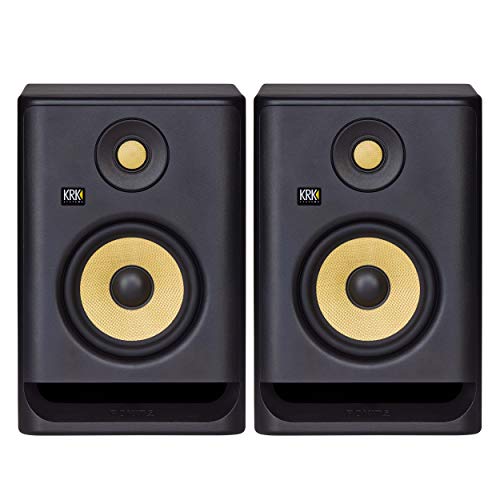
KRK ROKIT 5 G4
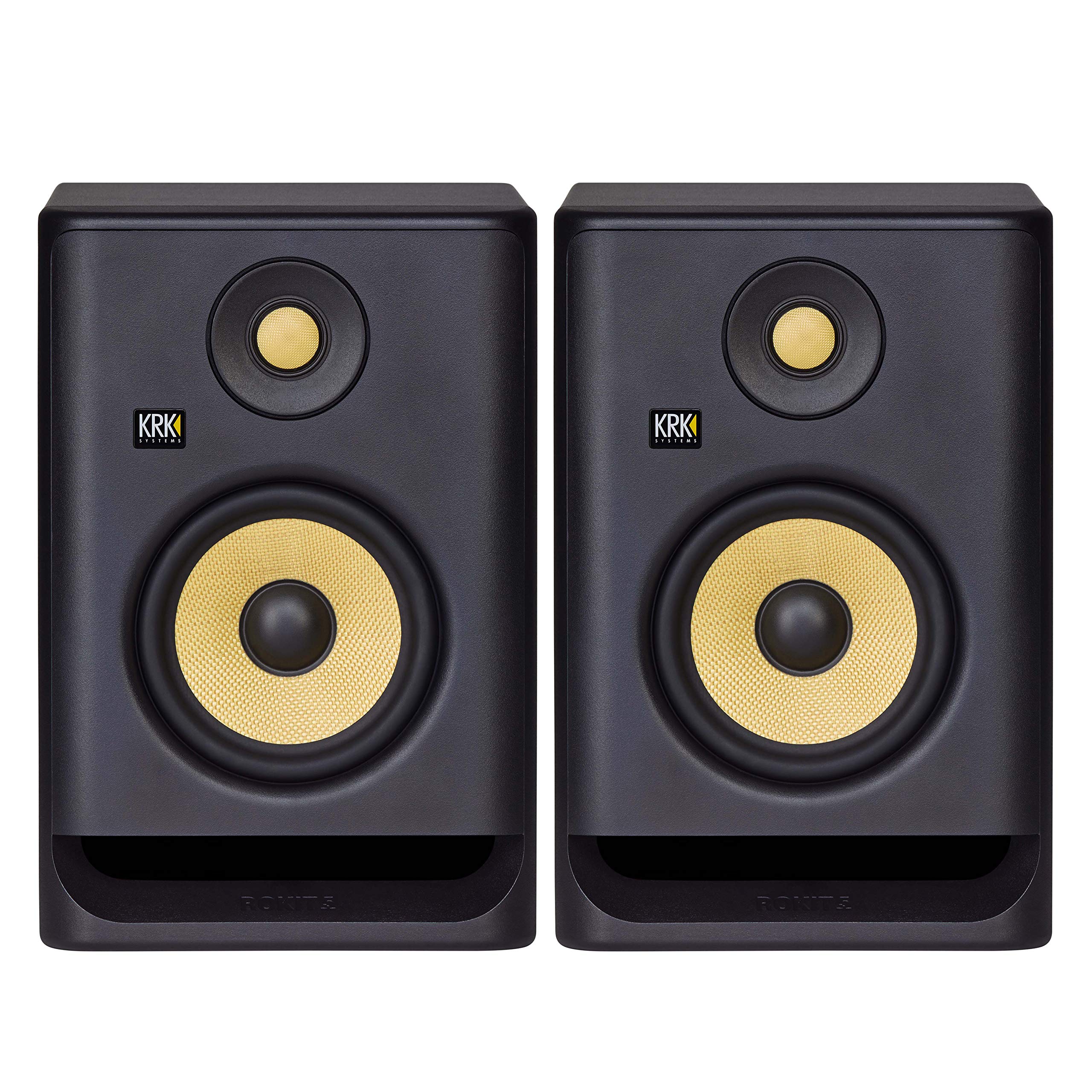
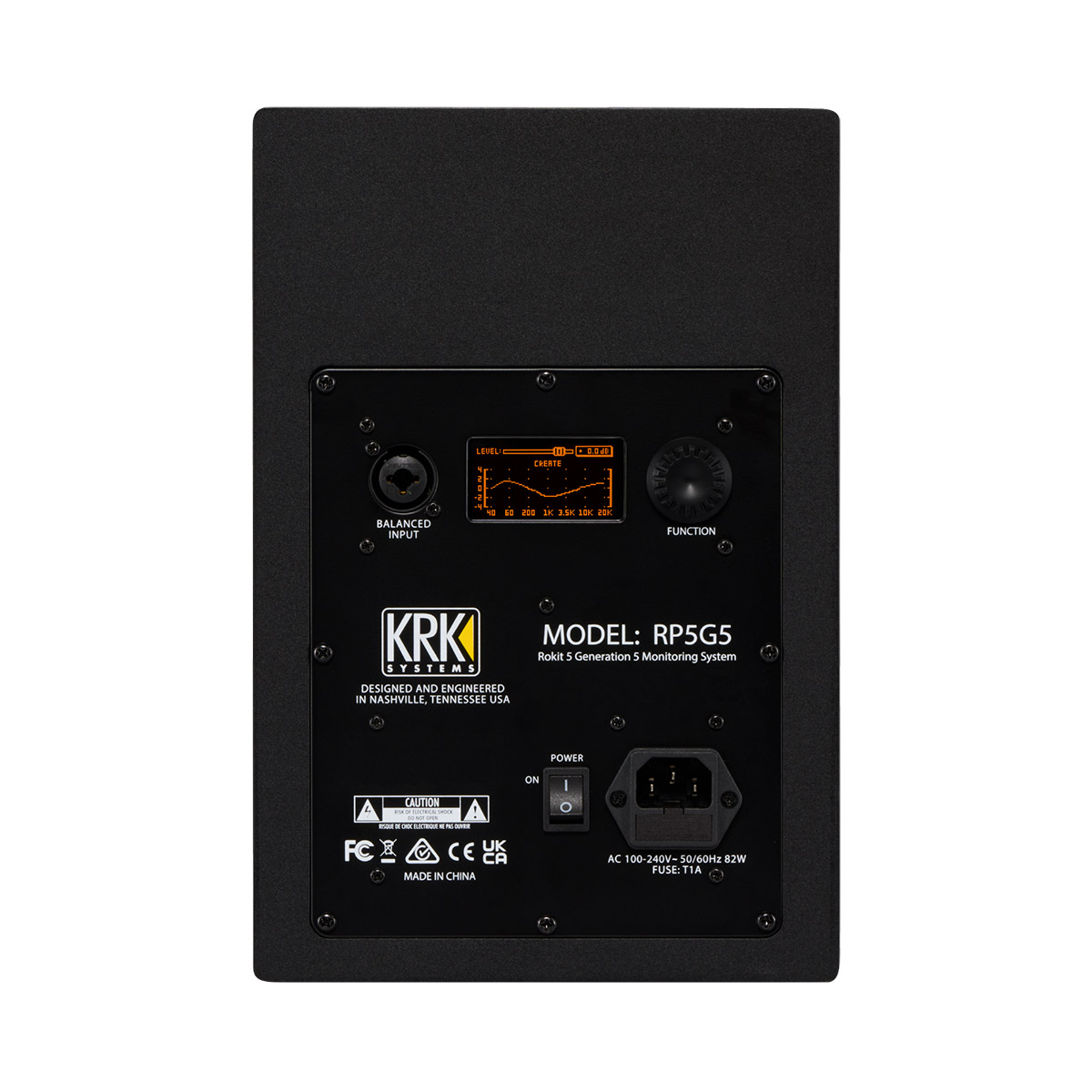
- Custom Kevlar Drivers
Both the woofer and tweeter feature tough, lightweight Kevlar drivers, delivering consistent sonic cohesion across all frequencies and ultra-low distortion. - Visual DSP-Driven EQ
Using the rear LCD screen and rotary encoder, you can dial in the ideal acoustic settings for your room from 25 EQ presets. - Front-Firing Port
The front-firing bass reflex port minimizes low-end mud caused by wall reflections, even when placed close to a wall.
Instantly recognizable by their iconic yellow cones, KRK monitors offer a rich lower-midrange and punchy sound that makes them a compelling option for guitarists.
Now in its fourth generation, the ROKIT features built-in DSP and an LCD display—an impressive inclusion at this price point—allowing you to visually calibrate your room acoustics.
For playing styles that demand a tight low end, such as heavily saturated high-gain palm muting, the tough Kevlar drivers really deliver.
Positive Reviews
- "Having onboard DSP makes it easy to adjust settings for your room while looking at the LCD screen."
- "Thanks to the front port, the low end stays clear even when set up close to a wall, which is great for tight spaces."
- "The Kevlar drivers provide smooth tonal continuity across frequencies, giving guitars a thick midrange."
Critical Reviews
- "Because the LCD screen is on the back, it's hard to check or tweak settings once the monitors are positioned."
- "The low end is quite prominent overall, so cutting bass with the onboard DSP is necessary if you want a flat response."
[$350–$700] Mid-Range Monitors with Next-Level Clarity
In this price bracket, monitors introduce advanced acoustic technologies such as DSP-driven auto-calibration, 3-way coaxial designs, and ribbon tweeters.
Mix resolution improves drastically, letting you hear subtle differences between amp modeler cabinet IRs like inspecting them under a microscope.
| Specs | IK Multimedia iLoud MTM | Focal Alpha Evo 50 | ADAM Audio T5V | Yamaha HS7 | Kali Audio IN-5 |
| Woofer Size | Dual 3.5" | 5" | 5" | 6.5" | 5" (+ 4" midrange) |
| Tweeter Size | 1" | 1" | 1.9" (U-ART) | 1" | 1" (coaxial) |
| Frequency Response | 40Hz – 24kHz | 45Hz – 22kHz | 45Hz – 25kHz | 43Hz – 30kHz | 39Hz – 25kHz |
| Amp Output (Total) | 100W (RMS) | 50W | 70W | 95W | 160W |
| Room Correction / EQ | Auto DSP (ARC mic included) | Rear knobs (shelving EQ) | Rear switches (EQ) | Rear switches (ROOM CONTROL, etc.) | Rear DIP switches (boundary EQ) |
| Inputs | XLR/TRS combo | XLR, TRS, RCA | XLR, RCA | XLR, TRS | XLR, TRS, RCA |
| Dimensions (W×H×D) | 130×264×160 mm | 228×310×239 mm | 179×298×297 mm | 210×332×284 mm | 206×382×286 mm |
| Weight (per unit) | 2.5 kg | 5.95 kg | 5.7 kg | 8.2 kg | 8.4 kg |
IK Multimedia iLoud MTM
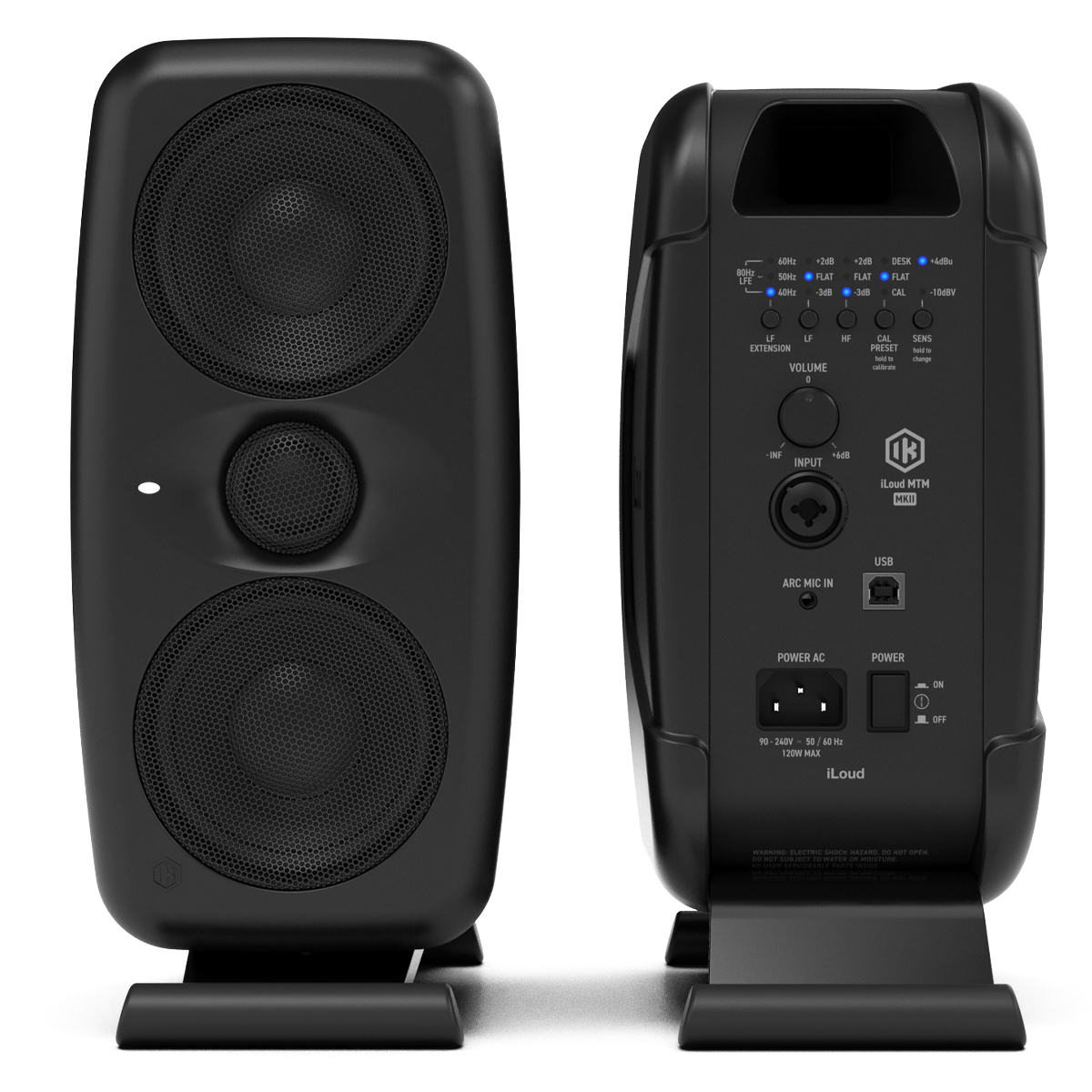
- Virtual Coaxial Design for Phase Alignment
By sandwiching the tweeter between two woofers in an MTM layout, it delivers point-source imaging with sharp clarity and focus. - Integrated ARC Room Calibration
Plug in the included measurement mic and press a button to automatically calibrate a flat response customized to your room acoustics. - Exceptional Desktop Ergonomics
Includes tilt-adjustable stands that direct sound straight to ear level while minimizing unwanted desktop reflections.
Building on the success of the Micro Monitor, this higher-tier model was engineered for professional production environments.
With the built-in ARC system measuring room reflections via mic and correcting them automatically, you get reliable monitor sound right away even in untreated spaces.
Its slim vertical profile sits neatly beside displays, making it a natural fit for modern desk setups where you run DAW screens side-by-side with amp modeler software.
Positive Feedback
- "The auto-calibration using the built-in ARC system and included mic is a total game-changer."
- "The virtual coaxial design minimizes phase issues, giving vocals and guitars outstanding stereo imaging."
- "Despite its compact size, it delivers impressive low-end power like a much larger speaker."
Critical Feedback
- "If you push the low end too hard, port chuffing noise can become slightly noticeable."
- "It uses a large external power brick, which makes cable management behind the desk a bit awkward."

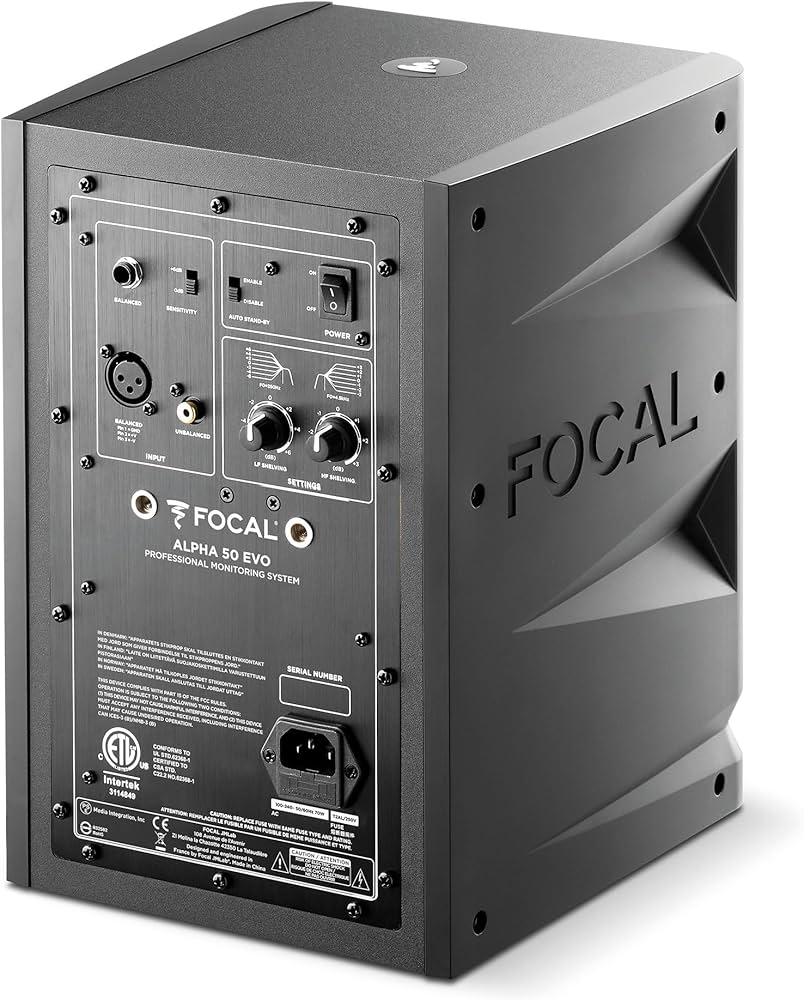
Focal Alpha Evo 50
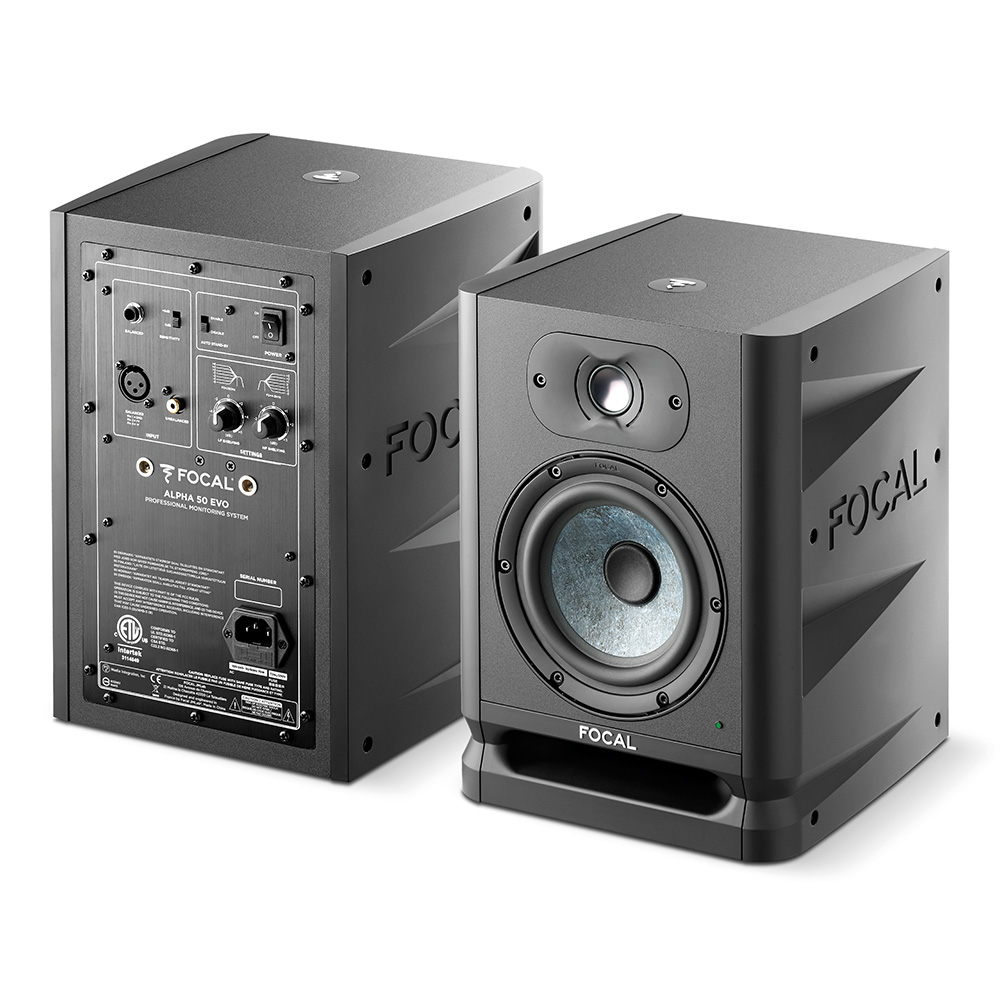
- Proprietary Slatefiber Cone
Uses recycled carbon fibers developed for aerospace engineering in the woofer, delivering rich dynamics through exceptional rigidity and damping performance. - Inverted Dome Tweeter
Focal's signature aluminum inverted dome design provides wide dispersion and ultra-low distortion, revealing delicate high-frequency nuances. - Large Front Laminar Port
An optimized front bass-reflex port prevents bass compression and port noise, even when placed close to a wall.
This monitor brings technology from renowned French high-end audio brand Focal to home studio setups.
The speed and body in the low-mids provided by the Slatefiber cone reproduce the texture of crunch tones and thick guitar leads with vivid realism.
Designed with a wide sweet spot, the tonal balance remains consistent even if you step slightly off-center while playing guitar.
Positive Reviews
- "Thanks to the Slatefiber cone, the low-mid body is fantastic, and guitar harmonics sound crisp and clear."
- "The wide sweet spot prevents ear fatigue, even during long mixing sessions or extended guitar practice."
- "The soundstage imaging is excellent—you can clearly hear every detail right down to the decay of reverb tails."
Negative Reviews
- "The cabinet is surprisingly large for a 5-inch monitor—it might catch you off guard if you're expecting a size similar to the HS5."
- "The rear high and low EQ adjustments don't have detents, and gain adjustment only offers two settings, making fine-tuning tricky."

ADAM Audio T5V
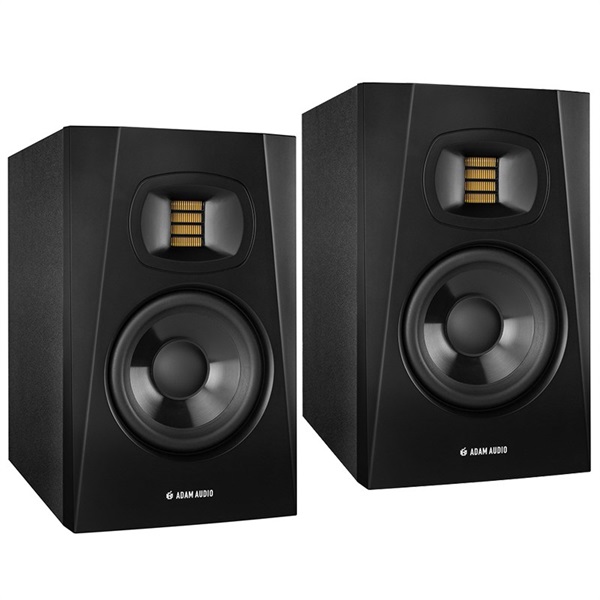
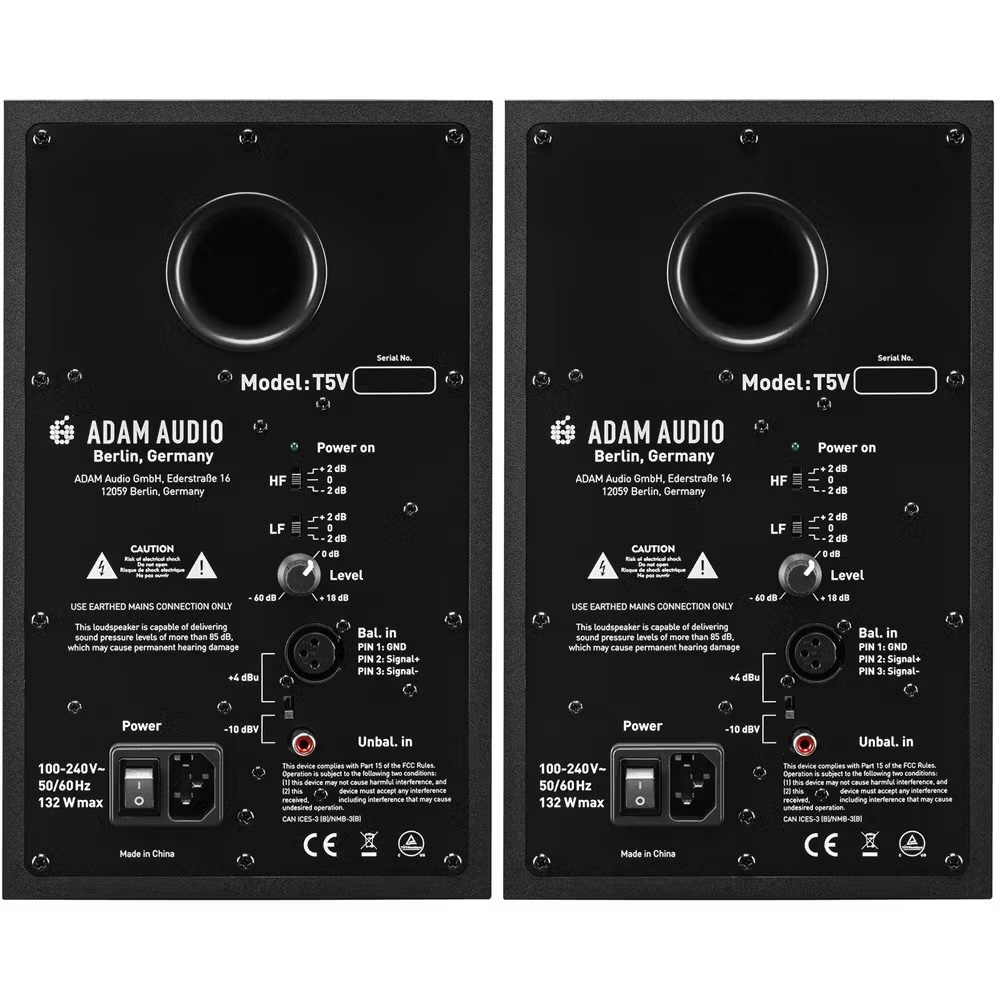
- Innovative U-ART Ribbon Tweeter
Delivers high-resolution treble response extending up to 25 kHz, minimizing ear fatigue during long mixing sessions. - HPS Waveguide Technology
Inherits the acoustic lens design from the higher-end S Series, providing wide horizontal dispersion and tight vertical control to minimize desk reflections. - Compact Beveled Cabinet
Beveled cabinet edges reduce diffraction artifacts, delivering clearer stereo imaging.
Based in Berlin, Germany, ADAM Audio is widely trusted by audio engineers around the world for its proprietary ribbon tweeter technology.
Although the T5V is an entry-level model, it delivers incredible high-end resolution—capturing subtle detail right down to the air and top-end shimmer of a performance.
When dialing in the top-end clarity of acoustic strumming or tweaking the presence range of a high-gain amp, few studio monitors are this reliable.
Positive Reviews
- "The treble extension from the U-ART ribbon tweeter is incredible, making acoustic guitar strings sound remarkably realistic."
- "Even with a rear bass-reflex port, the low end is surprisingly rich and lets you track basslines clearly."
- "Thanks to the waveguide inherited from flagship models, the stereo image locks right in center with great precision."
Negative Reviews
- "Depending on your setup—like plugging directly into a PC—it feels somewhat prone to picking up ground loop noise."
- "Because the high-frequency resolution is so detailed, listening to low-quality audio sources can cause slight ear fatigue."

Yamaha HS7
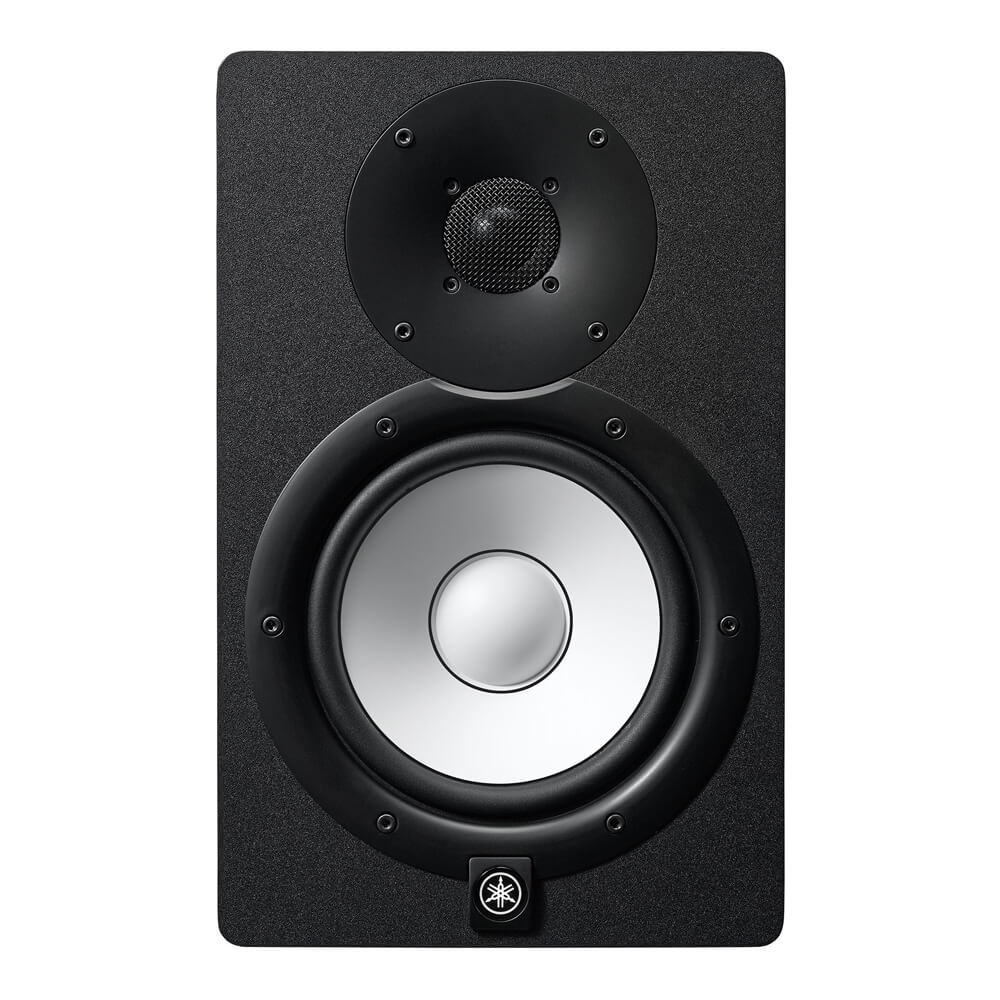
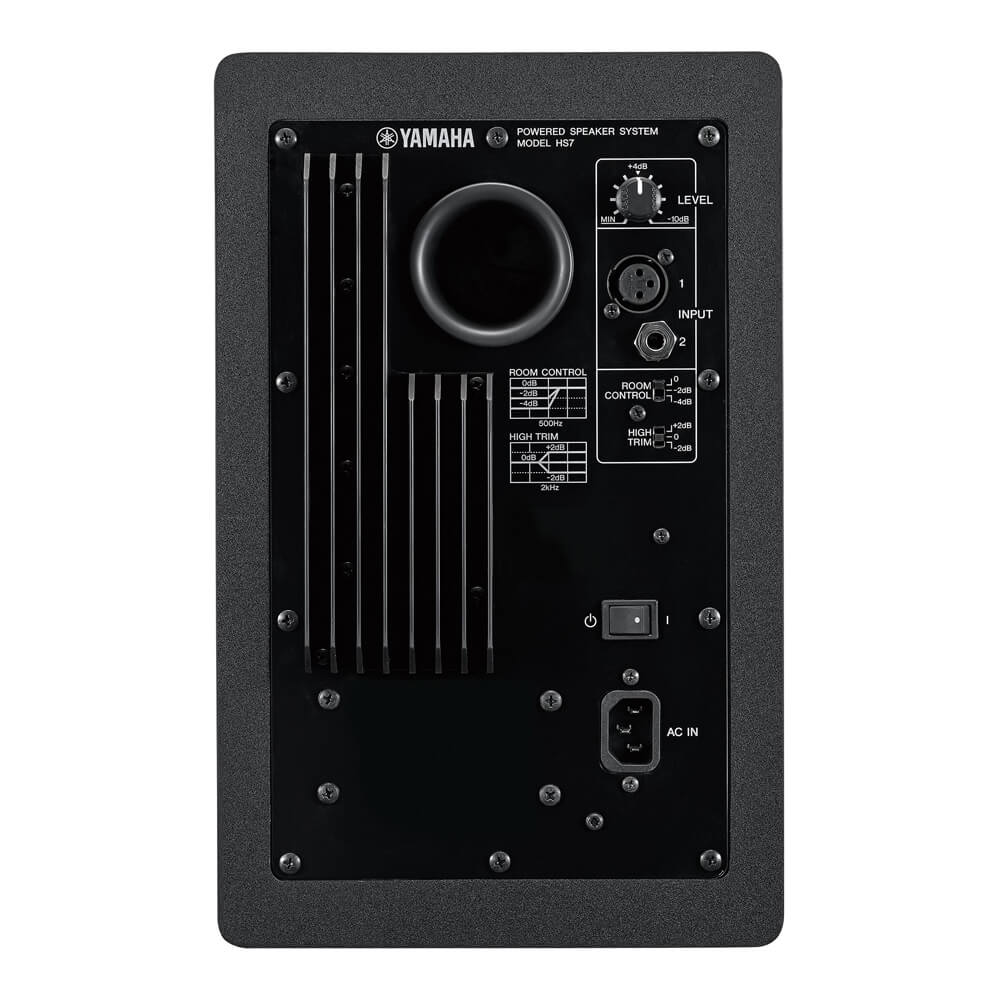
- Spacious 6.5-inch woofer
By adopting a cone one size larger than the 5-inch model, low-frequency reproduction is significantly improved, allowing accurate monitoring down through the bass and kick drum range. - Advanced noise reduction technology
Designed to control air vortices inside the port, reducing unwanted audible noise inherent to bass-reflex enclosures by up to 6 dB. - Controls adaptable to any environment
Rear-panel switches let you fine-tune frequency response to match room size and speaker placement.
Positioned above the HS5, this standard studio monitor for mid-sized rooms is designed for flat reproduction across a wider frequency range.
For guitarists tracking heavy material with 7-string guitars or drop tunings, it clearly reveals low-end contours that can be hard to judge on 5-inch monitors.
While retaining the honest midrange clarity vital for guitar tones, its headroom-rich amp power effortlessly covers top to bottom, taking mix accuracy to the next level.
Positive Reviews
- "Has more low-end headroom than the HS5, making it easy to hear how extended-range guitars and basslines blend."
- "The midrange presence matches guitar frequencies perfectly, making tone shaping effortless."
- "The uncolored sound exposes flaws in the mix clearly, which really speeds up workflow."
Negative Reviews
- "The cabinet might be a bit too large for a typical small home desk setup."
- "Because it outputs flaws in the recording unvarnished, it isn't ideal for relaxed casual listening."

Kali Audio IN-5
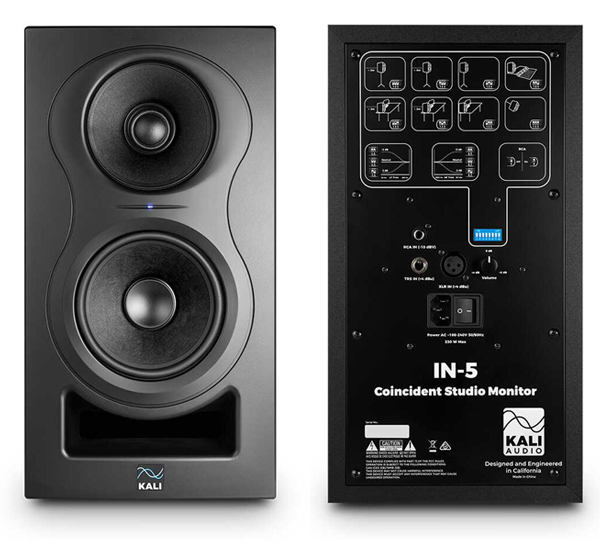
- Innovative 3-Way Coaxial Design
Placing the tweeter inside the midrange driver—completely independent from the woofer—delivers precise point-source stereo imaging with ultra-low distortion. - Upgraded 2nd-Gen Amplifier
Building on user feedback from the original, Class-D self-noise is reduced by 12 dB for a dramatically lower noise floor. - Practical Boundary EQ Settings
Diagrammed DIP switches on the rear panel make it simple to select the ideal EQ preset for your room placement, whether on a desk or speaker stands.
US manufacturer Kali Audio turned heads by bringing a 3-way coaxial speaker design to this price point.
Because a dedicated 4-inch driver handles the critical midrange where vocals and guitars reside, it avoids the crossover smearing common in standard 2-way monitors.
It lets you monitor midrange presence and gain character with extreme clarity, even when cranking the master volume.
Positive Feedback
- "Midrange resolution is outstanding thanks to the 3-way coaxial design, making guitar placement in the mix easy to pinpoint."
- "With the 2nd-gen updates, amplifier hiss is a non-issue, letting you work in a remarkably silent environment."
- "The front port delivers clean low end even when placed near a wall, and the Boundary EQ options are truly useful."
Critical Feedback
- "The plastic finish feels slightly cheap, so the aesthetic might not be for everyone."
- "It can take a little time to adjust to the cohesive sound presentation typical of coaxial drivers."

High-End Monitors for Professional Imaging and Soundstage
This price tier serves as the gateway to high-end studio monitors, delivering quality relied on by professional engineers for primary monitoring.
Featuring rugged die-cast aluminum enclosures and DSP room calibration matching standalone high-end systems, these monitors create an uncompromising acoustic environment.
| Comparison | Genelec 8030C | Neumann KH 80 DSP | Focal Shape 50 | HEDD Type 05 MK2 | EVE Audio SC205 |
| Woofer Size | 5.12 in | 4 in | 5 in | 5 in | 5 in |
| Tweeter Size | 0.75 in | 1 in | 1 in | 2 in (HEDD AMT) | AMT RS1 |
| Frequency Response | 47Hz – 25kHz | 57Hz – 21kHz | 50Hz – 35kHz | 45Hz – 40kHz | 53Hz – 21kHz |
| Total Amp Power | 100W | 140W | 85W | 200W | 100W |
| Acoustic Correction / EQ | Rear DIP switches (acoustic adjustment) | DSP calibration support (MA 1 mic sold separately) | Rear EQ knobs | Built-in DSP (Lineariser phase correction) | Front encoder (DSP-controlled EQ) |
| Inputs | XLR | XLR, TRS | XLR, RCA | XLR, AES/EBU support | XLR, RCA |
| Dimensions (W×H×D) | 189×299×178 mm | 154×233×194 mm | 191×312×242 mm | 180×308×245 mm | 175×275×233 mm |
| Weight (per unit) | 5.0 kg | 3.4 kg | 6.5 kg | 6.4 kg | 5.0 kg |
Genelec 8030C
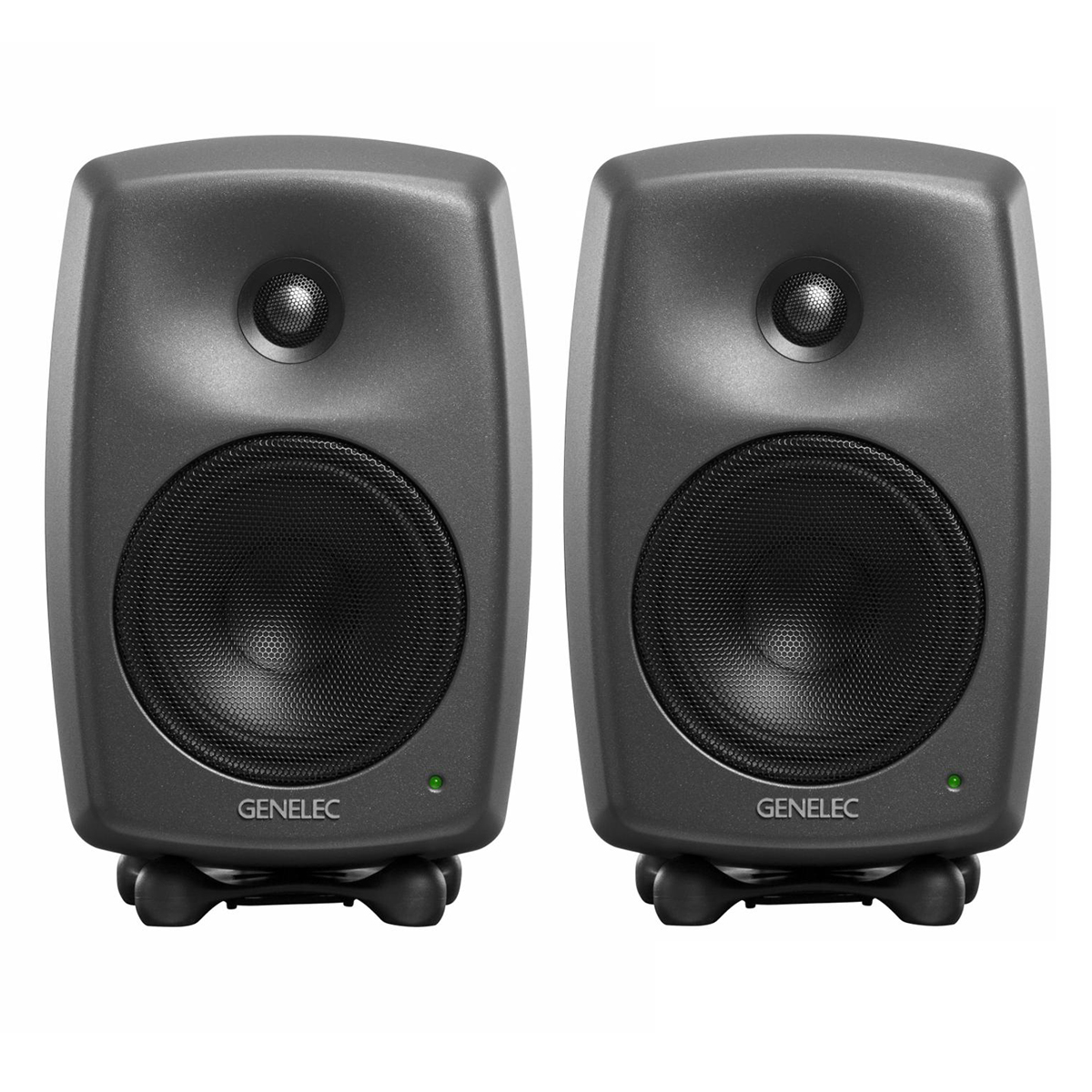
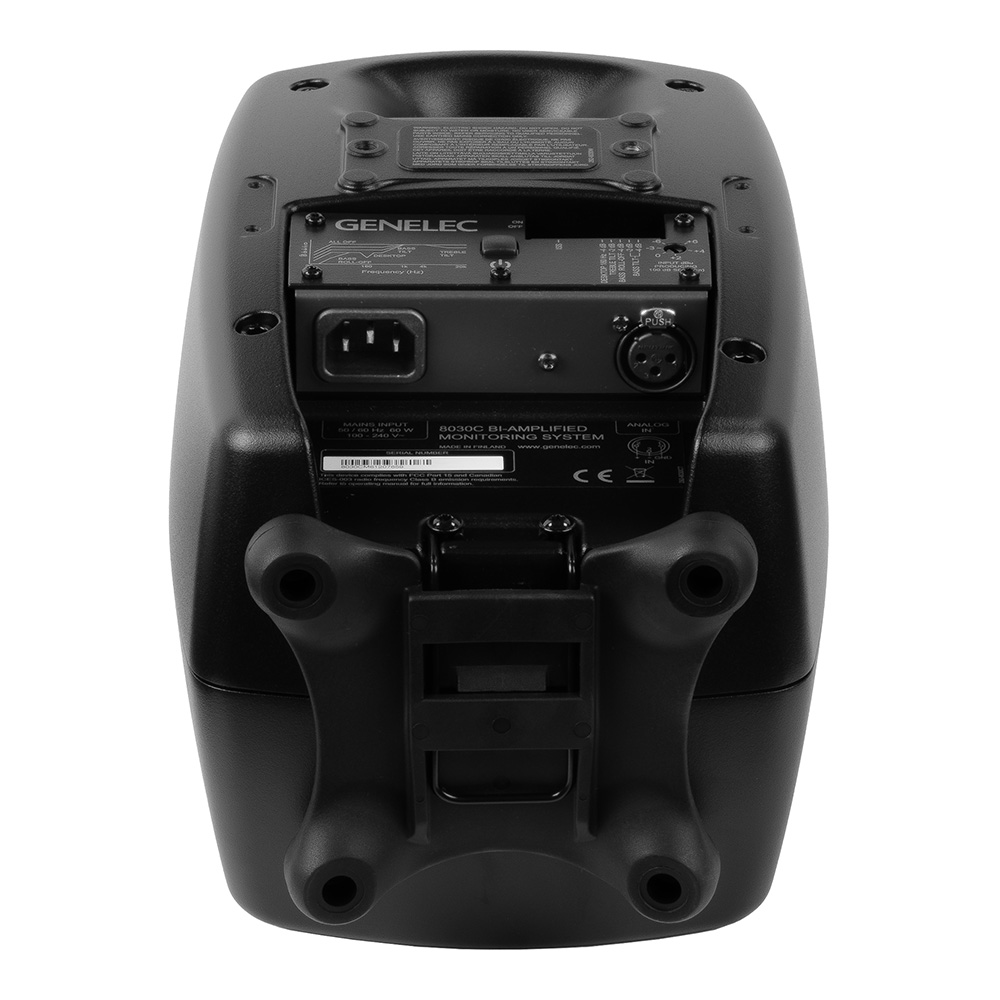
- Aluminum Enclosure Minimizes Diffraction
The rounded die-cast aluminum enclosure eliminates sound diffraction around cabinet edges, delivering uncolored sound. - Advanced Directivity Control
A dedicated waveguide maintains consistent frequency response both on- and off-axis, delivering precise imaging throughout your workspace. - Vibration-Isolating Stand
The included Iso-Pod stand decouples the speaker from desk surfaces while making vertical listening angle adjustments simple.
Finland's Genelec is an industry standard, widely trusted across broadcast facilities and recording studios worldwide.
Refined through iterative updates over many years, the 8030C accurately reproduces fast guitar transients and subtle reverb tails.
Because of its metal enclosure, it completely eliminates cabinet resonance typical of wooden enclosures, delivering only the pure cab response generated by your amp modeler.
Positive Feedback
- "Outstanding resolution and flat frequency response—top-tier performance for a professional monitor."
- "Thanks to the rigid die-cast aluminum body, there’s zero cabinet resonance even at higher volumes."
- "The included Iso-Pod makes angle adjustments effortless, allowing for a precise desktop setup."
Critical Feedback
- "Since it lacks built-in DSP, room acoustic treatment must be handled separately with physical acoustic panels."
- "Because of its compact size for a 5-inch monitor, sub-bass thump felt throughout the room is somewhat modest."

Neumann KH 80 DSP
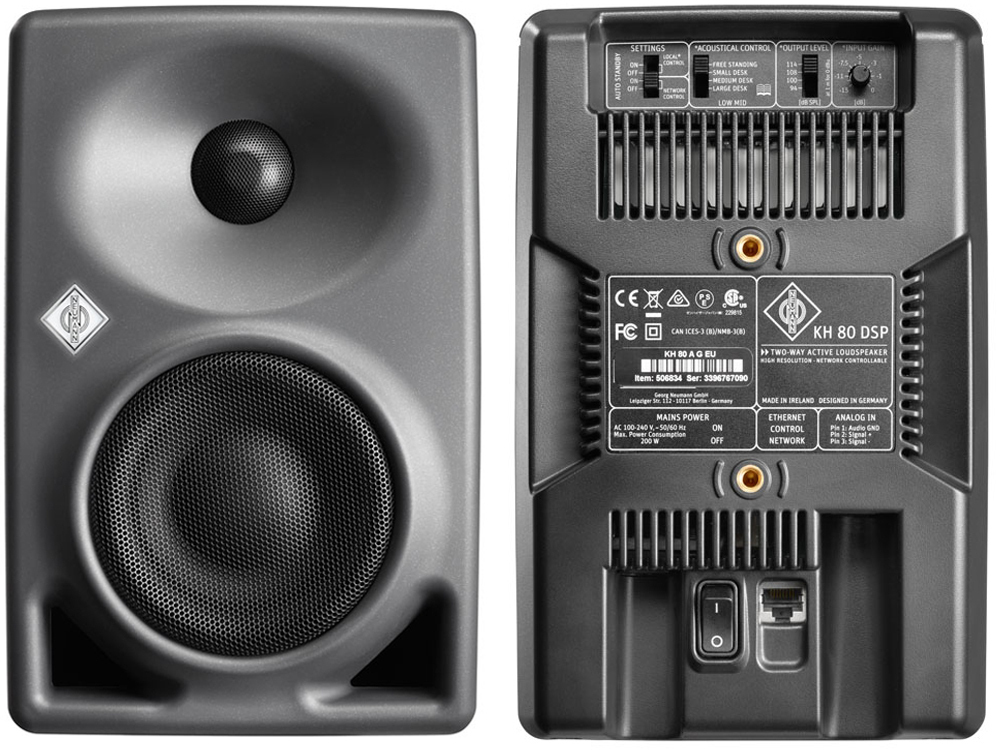
- Mathematically modeled waveguide
An advanced calculated waveguide optimizes room reflections to deliver an exceptionally wide sweet spot. - High-precision built-in DSP engine
A linear-phase DSP crossover enables accurate phase response unmatched by traditional analog designs. - Alignment via dedicated software
Combined with an optional measurement mic and software, it analyzes room acoustics with high precision to automatically optimize speaker performance.
From Germany's Neumann—renowned for industry-standard condenser microphones—comes one of the ultimate monitoring solutions for home studios.
After calibrating with the optional microphone, the sound gives you the illusion that the room itself has disappeared, feeding audio directly into your ears with absolute clarity.
You can instantly hear subtle picking dynamics and 1 dB EQ tweaks, dramatically cutting down the time spent second-guessing your tone.
Positive Feedback
- "The DSP correction using the measurement mic is mind-blowing—it completely changes the game."
- "It doesn't sound like audio being pushed at you; the natural playback effortlessly fills the room."
- "Even in small home studios or awkward room layouts, you get flawless imaging and resolution."
Negative Feedback
- "Beyond the monitors themselves, setting up the system requires extra setup and investment like a measurement mic and router."
- "Due to physical size limits, you can't accurately monitor sub-bass below 56 Hz."

Focal Shape 50
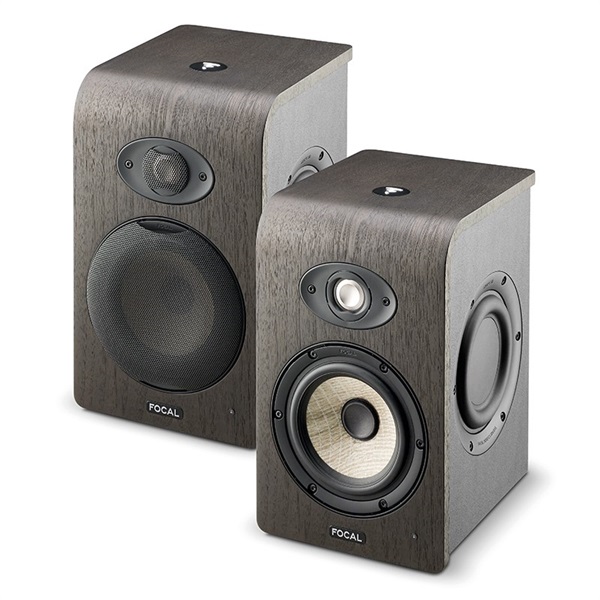
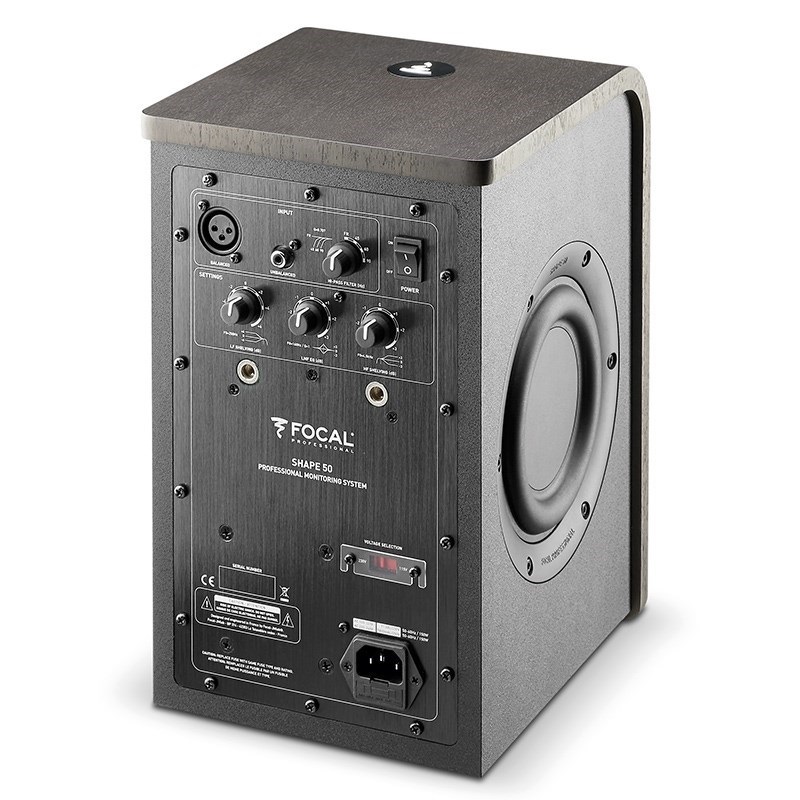
- Innovative Passive Radiator Design
Dual passive radiators on the sides replace traditional bass-reflex ports, preventing low-end boominess even when placed extremely close to walls. - Flax Sandwich Cone
The flax fiber woofer cone combines high internal damping with lightweight construction, producing natural, uncolored midrange response. - M-Shaped Inverted Dome Tweeter
The redesigned M-shaped inverted dome tweeter widens high-frequency dispersion and minimizes distortion.
Featuring a beautiful walnut wood finish, this is Focal's next-generation standard studio monitor.
The passive radiator design captures the best of both sealed and ported enclosures—delivering tight bass punch along with low-end fullness, making palm-muted guitar riffs sound exceptionally satisfying.
The midrange produced by the Flax cone carries a warm, analog feel, breathing organic, real-instrument life into amp modeler tones that can often lean sterile or digital.
Positive Reviews
- "Thanks to the passive radiators, the low end doesn't get boomy near walls, making it ideal for smaller room setups."
- "The walnut wood grain finish looks gorgeous and really elevates the studio vibe."
- "The natural midrange from the Flax cone feels very amp-like, making it a blast to play guitar through."
Negative Reviews
- "It doesn't have automatic DSP room correction, so fine-tuning after placement has to be done manually."
- "The auto-standby feature kicks in when there's no input signal for a while, which can be slightly annoying depending on your workflow."

HEDD Type 05 MK2
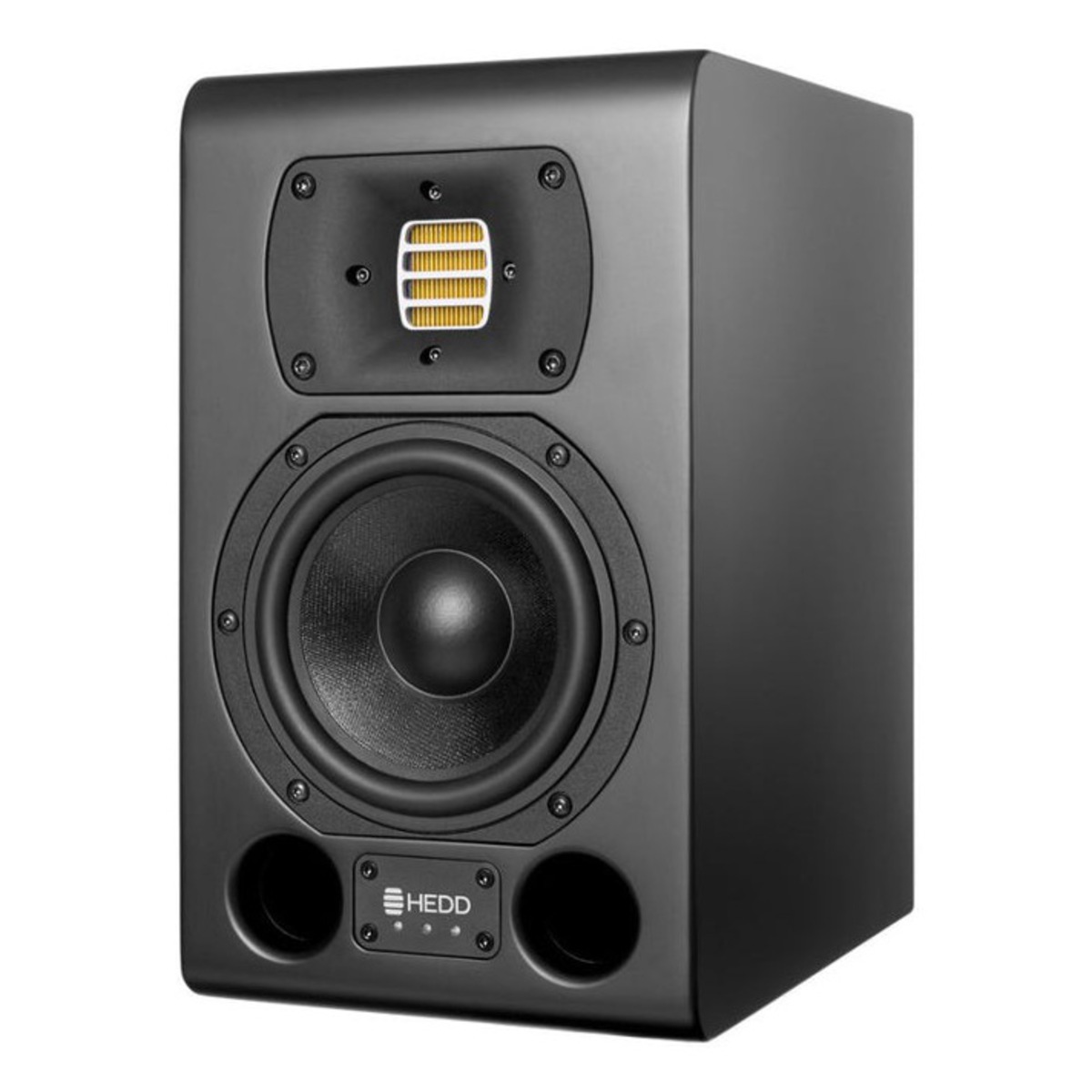
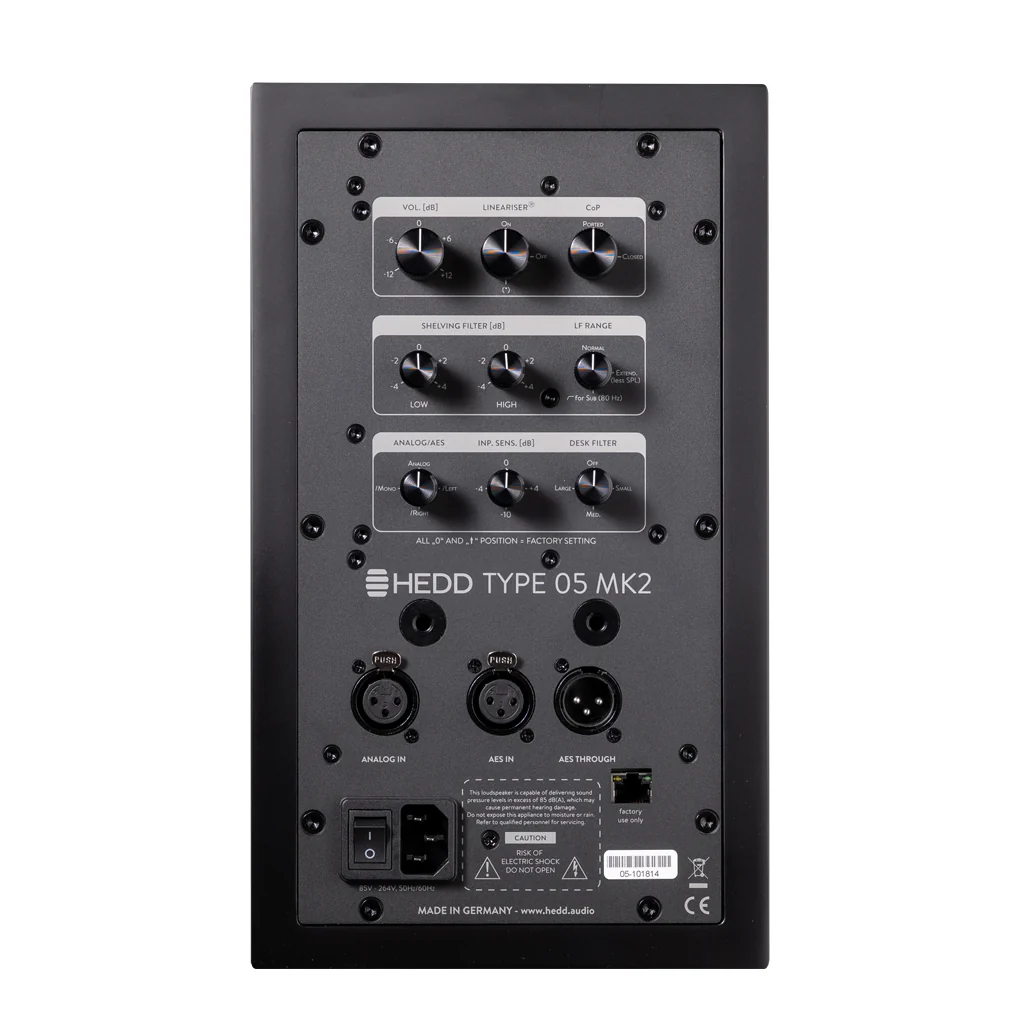
- Next-generation HEDD AMT tweeter
Using AMT technology where a folded diaphragm squeezes air, it delivers ultra-fast transient response impossible with conventional dome tweeters. - Innovative CoP technology
By sealing the bass reflex ports with the included plugs and toggling the onboard DSP switch, you can easily switch between ported and sealed acoustic profiles. - Built-in linear phase correction
Onboard DSP completely corrects time-alignment and phase issues, reproducing spatial depth and reverb tails with incredible accuracy.
Founded by Klaus Heinz (co-founder of ADAM Audio), HEDD Audio delivers products designed to push AMT tweeter technology to its absolute limit.
The CoP (Closed or Ported) feature is especially innovative. Operating it in sealed mode excels at tracking tight, fast bass responses required for heavy guitar riffs and analyzing complex rhythm patterns.
Because transient response is incredibly fast, pick attacks never smear, making even the smallest flaws in your playing strikingly clear during monitoring.
Positive User Reviews
- "The AMT tweeter transients are super fast, making pick attacks sound exceptionally clear."
- "Being able to switch to closed mode is amazing—there's zero bass lag."
- "The analog filter design is excellent; the sound is three-dimensional yet smooth without any harshness."
Negative User Reviews
- "In sealed mode, you do lose a bit of the low-end punch and weight typical of ported designs."
- "Because the DSP switches are on the back panel, changing settings frequently can be a bit inconvenient."

EVE Audio SC205
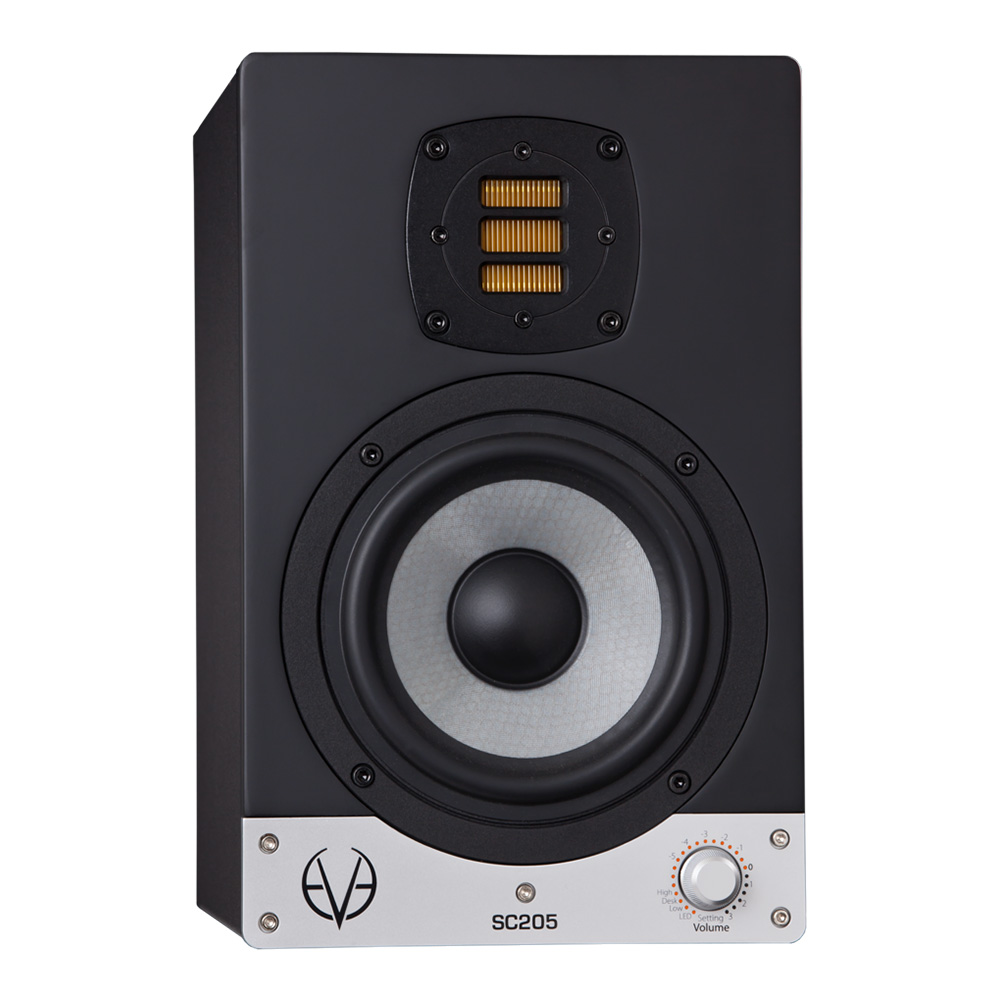
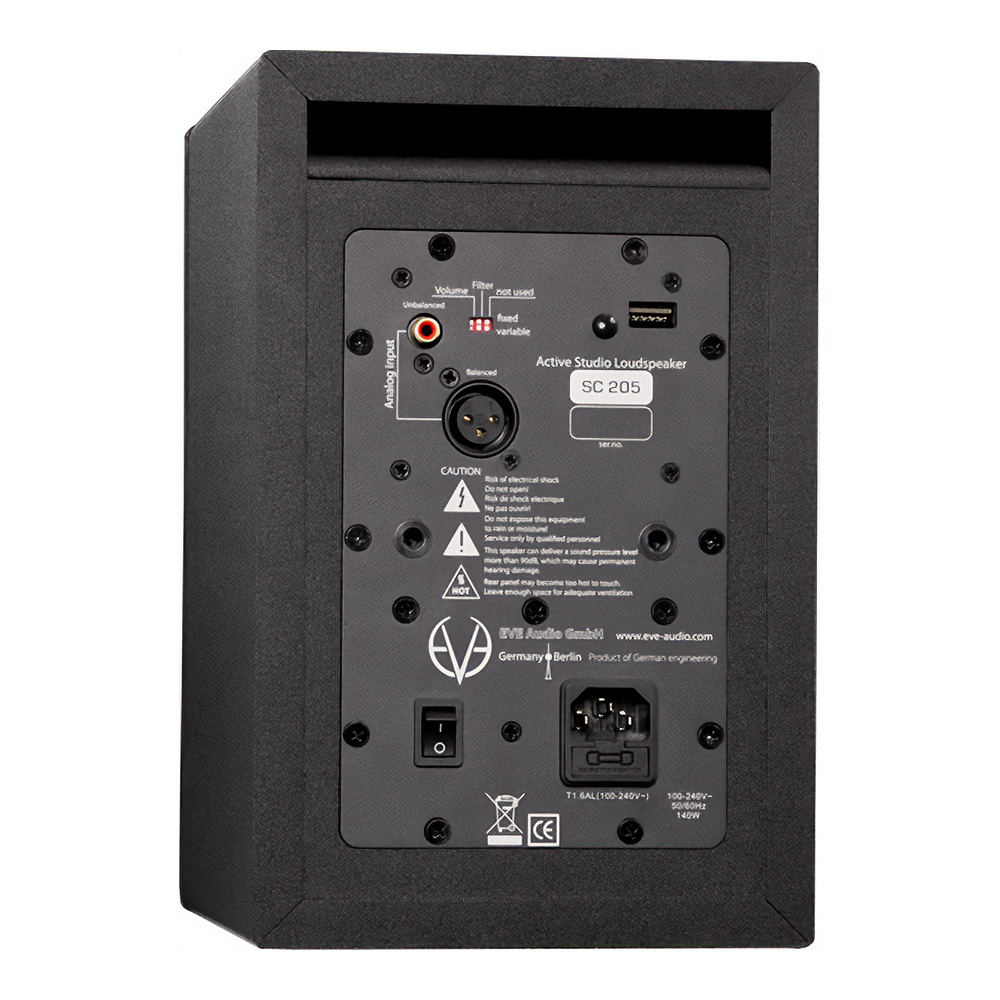
- Custom-Designed AMT RS1 Tweeter
Equipped with a proprietary driver delivering smooth, clear top end with high resolution and zero harshness. - Intuitive Smart-Knob Operation
A single front-panel push knob with an LED ring lets you quickly and accurately adjust volume and fine-tune DSP filters. - Honeycomb-Structured Fiberglass Cone
An extremely lightweight yet rigid woofer material delivers a dynamic, punchy mid-bass response.
Founded by former ADAM Audio engineers, EVE Audio was an early pioneer in pairing DSP technology with AMT tweeters.
The SC205 features a user-friendly layout with a rear bass-reflex port and a front smart knob, allowing you to fine-tune EQ settings right from your listening spot.
When working with distorted guitar tones, the AMT tweeter keeps harsh presence frequencies from causing ear fatigue—a massive advantage during long tone-shaping sessions.
Positive Feedback
- "Handling volume and EQ adjustments directly from the front smart knob makes workflow exceptionally smooth."
- "Thanks to the ribbon tweeter, the high-end resolution is crisp without feeling harsh, making long sessions very comfortable."
- "The honeycomb woofer delivers strong low-mid punch, giving it far more impact than its size suggests."
Negative Feedback
- "At 233 mm deep, it has a fairly long footprint, so you need to plan your desk space carefully."
- "The Desk EQ setting has a significant impact, making it feel slightly less suited for mid-field placement."

Top-Tier Models for an Uncompromising Monitoring Setup
At this price point, you get access to performance on par with what top international producers and mastering engineers rely on.
With ultimate transient response, exotic materials like beryllium, and flawless phase accuracy, these monitors fully unlock the potential of your amp modeler and let you experience the true essence of your guitar tone.
| Feature | Genelec 8030C | Neumann KH 80 DSP | Focal Shape 50 | HEDD Type 05 MK2 | EVE Audio SC205 |
| Woofer Size | 5.12" | 4" | 5" | 5" | 5" |
| Tweeter Size | 0.75" | 1" | 1" | 2" (HEDD AMT) | AMT RS1 |
| Frequency Response | 47Hz – 25kHz | 57Hz – 21kHz | 50Hz – 35kHz | 45Hz – 40kHz | 53Hz – 21kHz |
| Total Power | 100W | 140W | 85W | 200W | 100W |
| Acoustic Trim / EQ | Rear DIP switches (acoustic correction) | DSP alignment support (MA 1 mic sold separately) | Rear EQ knobs | Built-in DSP (Lineariser phase correction) | Front encoder (DSP-controlled EQ) |
| Inputs | XLR | XLR, TRS | XLR, RCA | XLR, AES/EBU | XLR, RCA |
| Dimensions (W×H×D) | 189×299×178 mm | 154×233×194 mm | 191×312×242 mm | 180×308×245 mm | 175×275×233 mm |
| Weight (per unit) | 5.0 kg | 3.4 kg | 6.5 kg | 6.4 kg | 5.0 kg |
Amphion One12
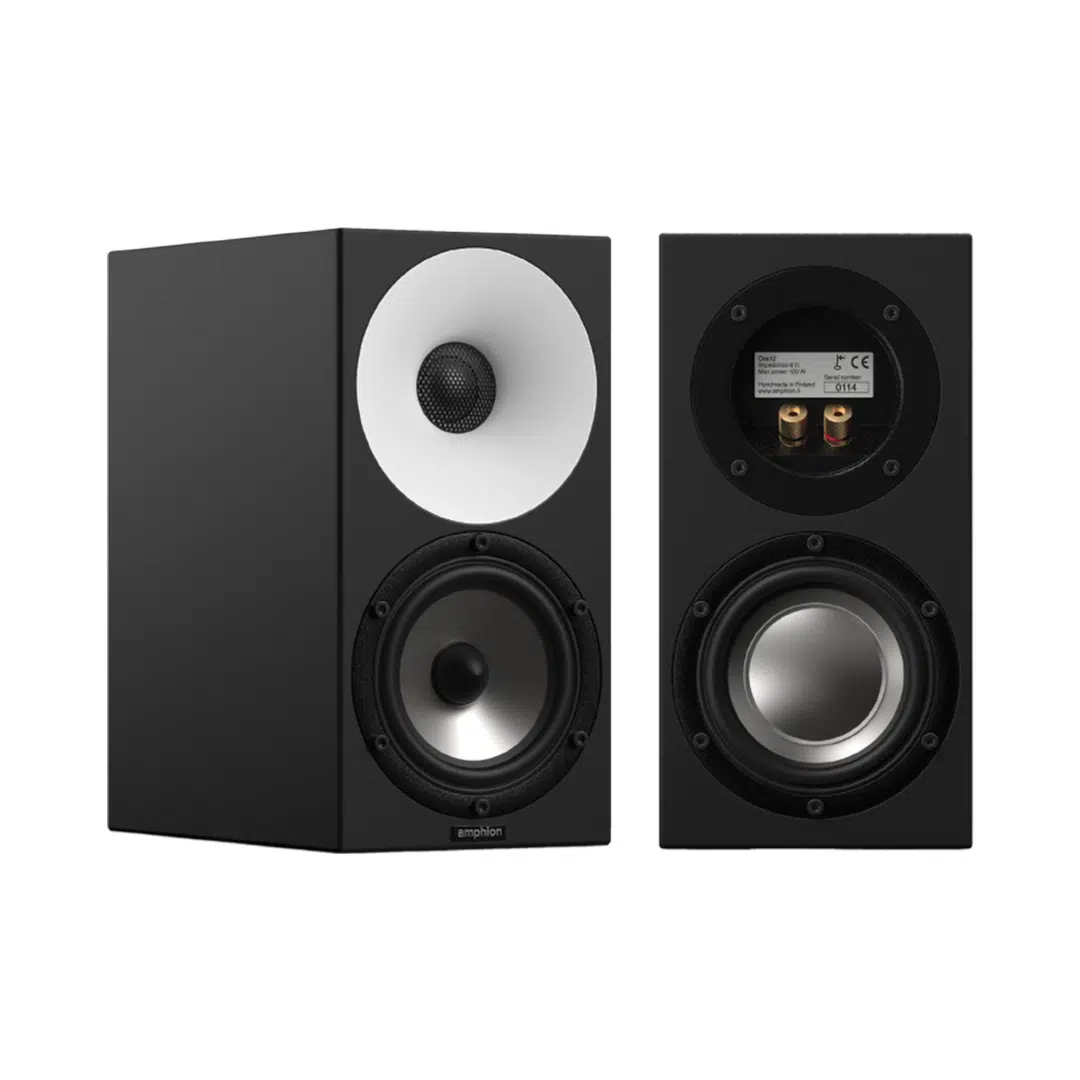
- Extremely natural response via passive radiator
By placing a passive radiator on the rear, it eliminates the time delays and port noise typical of bass-reflex designs, delivering precise and defined low-end contours. - High-density Corian waveguide
Optimized geometry around the tweeter achieves flawless physical time alignment between woofer and tweeter. - Pure signal transfer through a passive design
By eschewing built-in amplification and keeping the crossover network minimal, signal purity remains uncompromised.
These professional passive monitors embody Finnish brand Amphion's philosophy of making music feel genuinely alive.
By intentionally avoiding built-in amps and digital DSP in favor of pure acoustic engineering, this model reproduces guitar wood resonance and string attack with remarkable realism—as if the instrument were being played right in front of you.
While it requires a separate high-quality power amp, the resulting resolution and phase accuracy easily transcend what you expect from conventional active monitors.
Positive Reviews
- "The expressive detail is incredible—it makes music feel so alive that you just want to keep playing."
- "The tonal balance stays rock-solid even at very low volumes, making it ideal for late-night editing and mixing."
- "The integration between the titanium tweeter and waveguide is seamless, delivering a soundstage you can almost touch."
Negative Reviews
- "Because it's a passive design, you need to invest in a dedicated power amp, raising the total setup cost."
- "Compared to larger models in the lineup, physical cabinet size limits the ultra-low bass extension."

Genelec 8330A
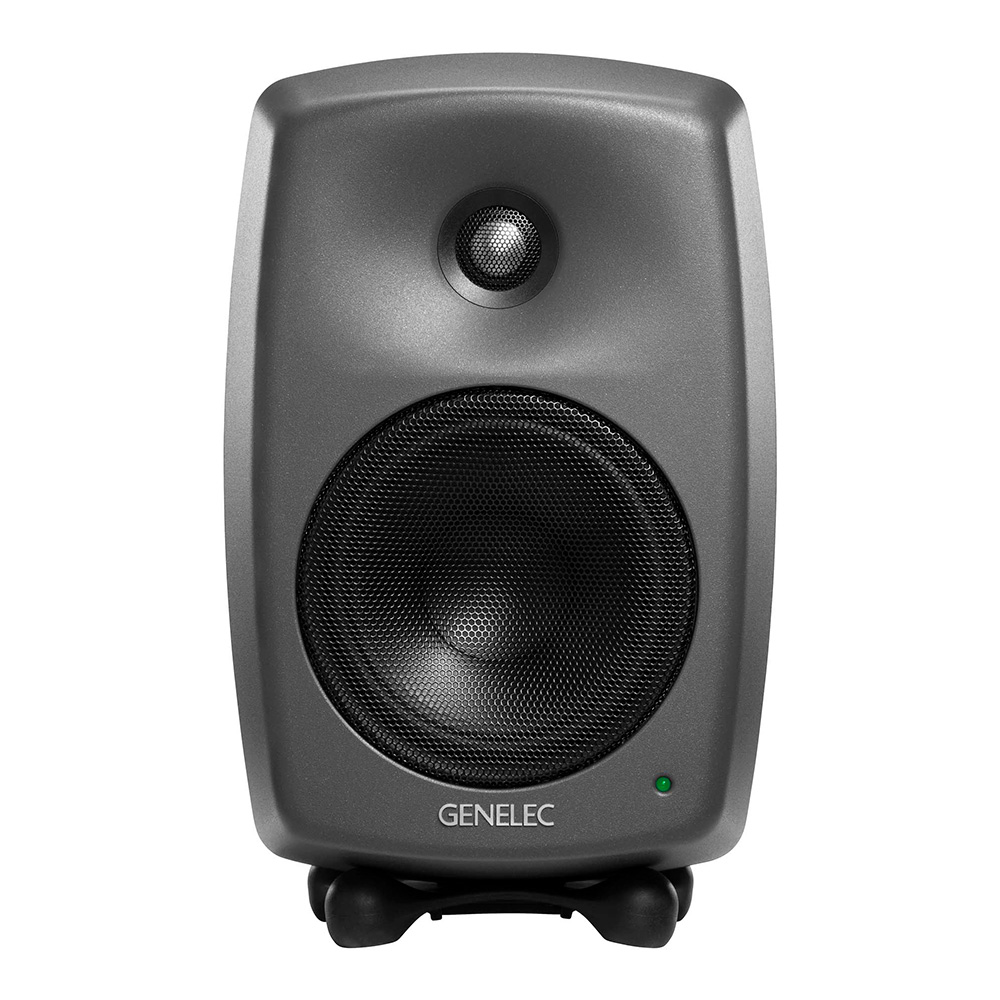
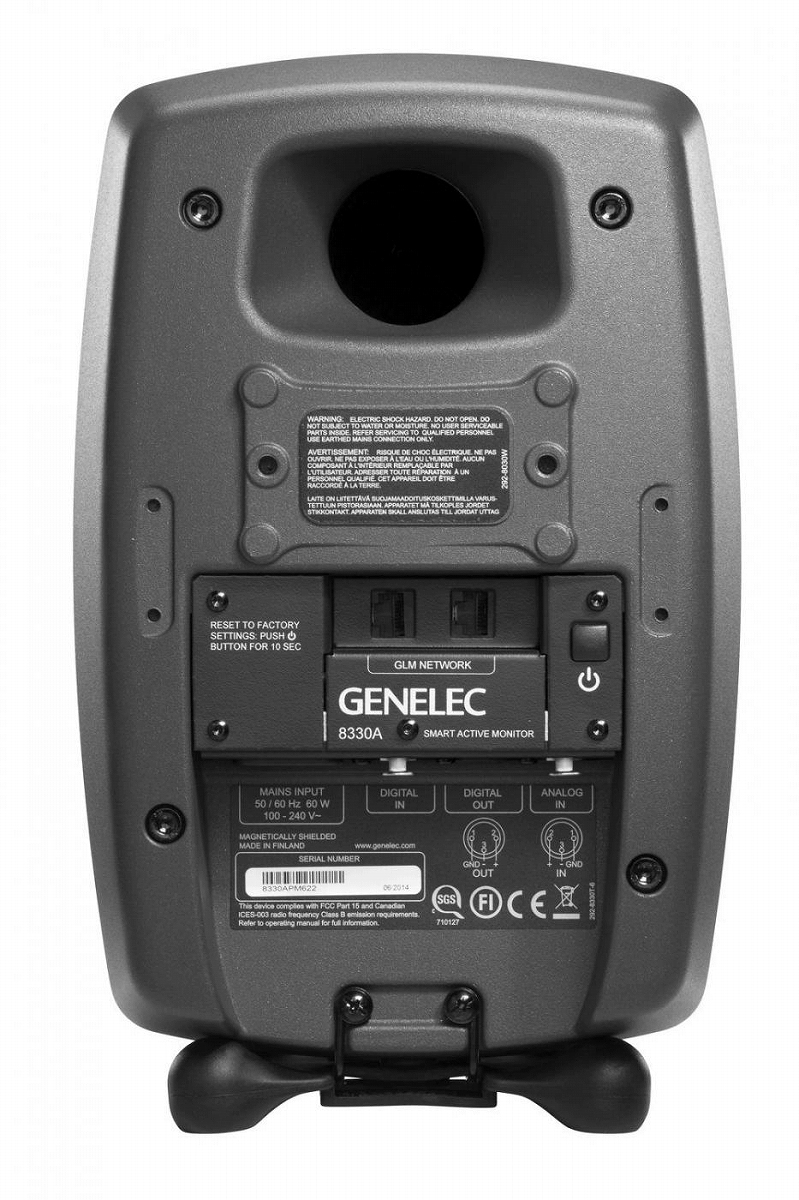
- SAM System Equipped
Onboard DSP and dedicated software automatically calibrate for room acoustics with extreme precision,
delivering a flat response regardless of placement. - High-Grade Class-D Amplification & Digital Inputs
Features digital inputs that feed signals directly from your audio interface into the DSP without D/A conversion loss. - Refined, Consistent Design
Maintains Genelec's industry-standard aluminum enclosure design while upgrading the digital brain for a next-generation reference monitor.
A compact monitor with DSP calibration at the core of Genelec's SAM (Smart Active Monitor) system, widely adopted in pro studios worldwide.
When tracking guitars across different studios or temporary spaces, a quick mic measurement instantly recreates your ideal baseline sound—its key advantage.
It completely removes any doubt that your amp modeler tones are being skewed by room reflections, making it a dependable monitoring tool.
Positive Reviews
- "The software calibration is on another level, effectively eliminating standing waves in the room."
- "Great portability lets you recalibrate in new environments and maintain your reference sound anywhere."
- "The 3D soundstage depth and transient response are outstanding—it's an ultimate monitor."
Negative Reviews
- "You have to purchase the calibration kit separately for auto-alignment."
- "If you don't use digital inputs, an extra conversion step occurs, so you might not get the full performance benefit."

Focal Solo6
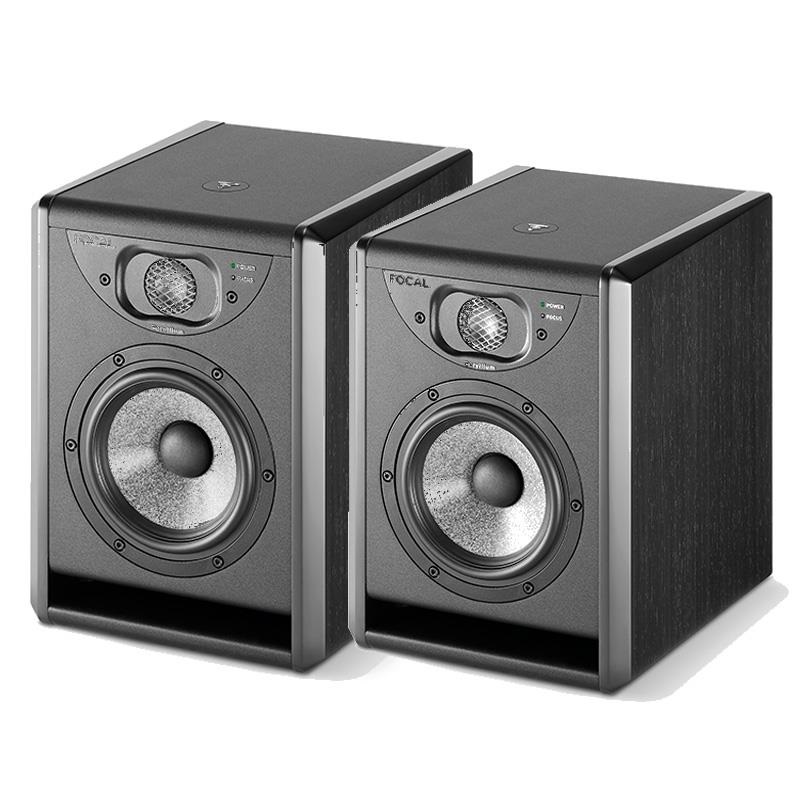
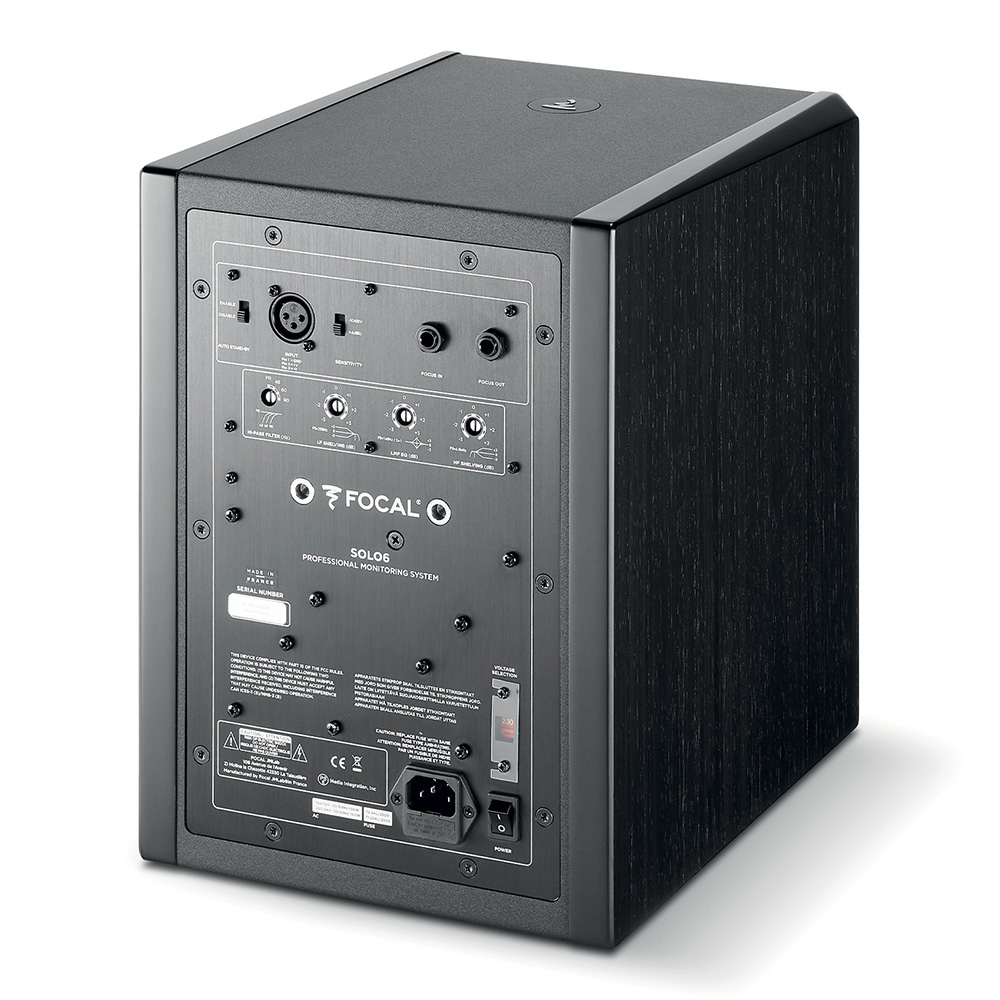
- Pure Beryllium Tweeter
Utilizing a rare metal far harder and lighter than titanium or aluminum, it delivers distortion-free ultra-high frequency response all the way up to 40 kHz. - Patented "W" Composite Cone
A specialized sandwich structure combines incredible rigidity with light weight, yielding exceptionally fast transient response in the mid-bass range. - Innovative Focus Mode
With a single footswitch, you can bypass the tweeter and run the woofer alone as a full-range, one-way monitor.
A cornerstone of Focal's professional lineup, this high-end monitor sits on the desks of top engineers worldwide.
The beryllium tweeter delivers massive detail, resolving acoustic guitar finger squeaks and micro-noise components from high-gain amps with stunning clarity.
Additionally, Focus Mode lets you hone in strictly on mid-range density—essential for guitarists—making it invaluable when resolving frequency overlap between rhythm guitars and vocals.
Positive Reviews
- "The high-frequency resolution from the beryllium tweeter is unrivaled—you hear details you never knew were there."
- "Running it as a one-way monitor via Focus Mode is extremely convenient for checking mix balance."
- "Picking nuances and amp cab resonance are reproduced with uncanny, lifelike accuracy."
Critical Reviews
- "They are fairly heavy, so sturdy speaker stands are essential to prevent resonance."
- "The price is high, making it a serious investment for a home studio setup."

Neumann KH 120 II
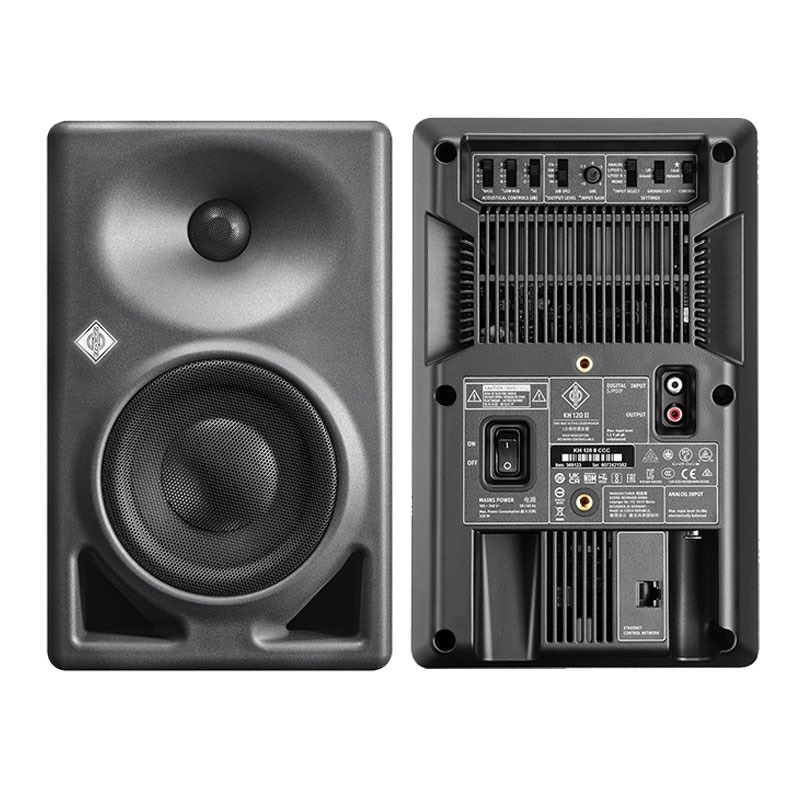
- Complete Phase Alignment via Built-in DSP
A newly developed DSP engine corrects phase shifts around the crossover point, achieving linear phase response. - Redesigned Cabinet and Woofer
Upgraded amplifiers and drivers deliver deeper bass response and higher maximum SPL compared to the previous model. - Patented Waveguide
Provides a wide sweet spot while minimizing desk reflections, working alongside measurement systems for precise room acoustic alignment.
A powerful next-generation reference monitor completely redesigned from the hit original to suit the digital era.
While guitarists already held the previous model in high regard, the addition of built-in DSP elevates the reproduction of phase accuracy and depth in amp modeler cab IRs to a whole new level.
With dramatically improved low-end resolution, your guitar note definition stays completely distinct and clear—even when tracking heavy low-end riffs on a 7-string or monitoring alongside multi-tracked bass parts.
Positive Feedback
- "Adding built-in DSP over the previous model gives it flawless phase response and incredible 3D depth."
- "The low-end clarity is fantastic—basslines and low guitar notes never get muddy or clash."
- "An extremely reliable monitor that clearly exposes mix flaws across any genre."
Critical Feedback
- "You really need the calibration mic to unlock this speaker's full potential."
- "Switching settings between analog inputs and network connections can feel a bit cumbersome depending on your setup."

ATC SCM12 Pro
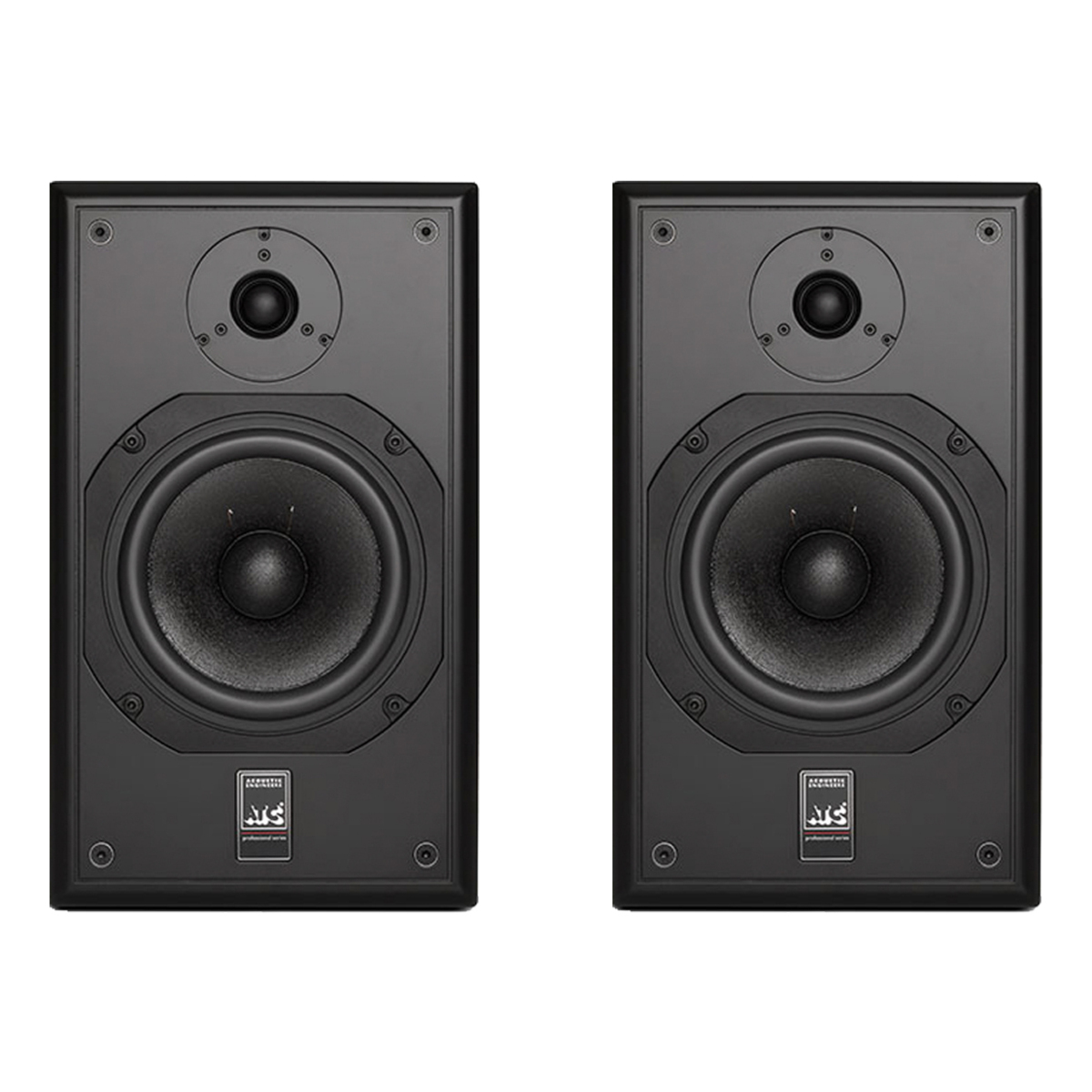
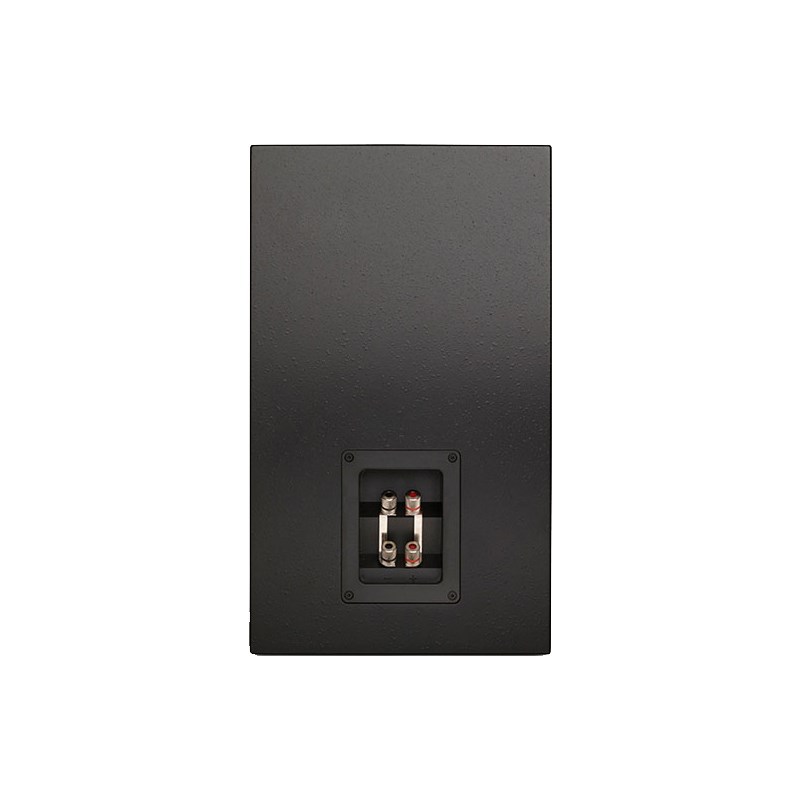
- Proprietary Dual-Suspension Tweeter
A unique dual-suspension design accurately controls voice coil movement even at high SPLs, minimizing high-frequency distortion. - CLD Woofer
Constrained Layer Damping (CLD) technology uses layered materials to suppress breakup modes in the low-midrange, delivering smooth playback across vocal and guitar frequencies. - Accurate Low End via Sealed Cabinet
The portless sealed cabinet design eliminates bass lag and phase distortion, providing a tight, musical low end.
This passive nearfield studio monitor comes from ATC, the legendary UK speaker manufacturer.
Its traditional sealed design and custom driver technology deliver outstanding transient response and time-domain accuracy.
It excels at capturing the warm midrange of guitars and reproducing the complex harmonic overtones of a saturated tube amp with a rich, musical character.
Positive Feedback
- "Warm midrange that makes guitar tone sound beautiful."
- "Tight, lag-free bass from the sealed cabinet lets you spot micro-timing errors instantly."
- "No noticeable phase issues or time-domain smearing, making it easy to mix for hours without fatigue."
Negative Feedback
- "Low sensitivity means you need a capable, high-end power amp to drive them properly."
- "Highs can feel slightly conservative, so they may not suit anyone looking for a bright or hyped sound."

Summary: The Ultimate Mirror Reflecting Your Guitar Tone
In modern workflows centered on building and archiving high-end tone as digital audio assets, studio monitors are far more than just output devices—they serve as the definitive standard for evaluating your sound.
No matter how many rare boutique overdrives or high-end multi-effects units you collect, or how modern your interface is, you won't realize their full potential without a monitoring setup that accurately reproduces every nuance.
A great guitar, a solid interface, and studio monitors that deliver true sound.
When these key pieces come together, your desk transforms into a dedicated environment for crafting premium tone. Pick the monitors that best fit your playing style and room.