
日本語English
5 Best Buffer Pedals for Guitar (How They Work & Why You Need One)
XTONES is a participant in affiliate programs including Amazon Associates and Reverb. We may earn a commission from qualifying purchases made through links on this page, at no extra cost to you.
Contents (10)
- Looking for recommended buffer pedals
- Wondering if you really need to add a buffer
- Unsure about what a buffer actually does and its benefits
When researching guitar pedals, terms like "buffer," "impedance," and "true bypass" pop up everywhere, which can quickly get confusing...
Below, we explain what buffer pedals do, key things to keep in mind, and take a look at models worth a look.
Guitar Pedals | What Is a Buffer?
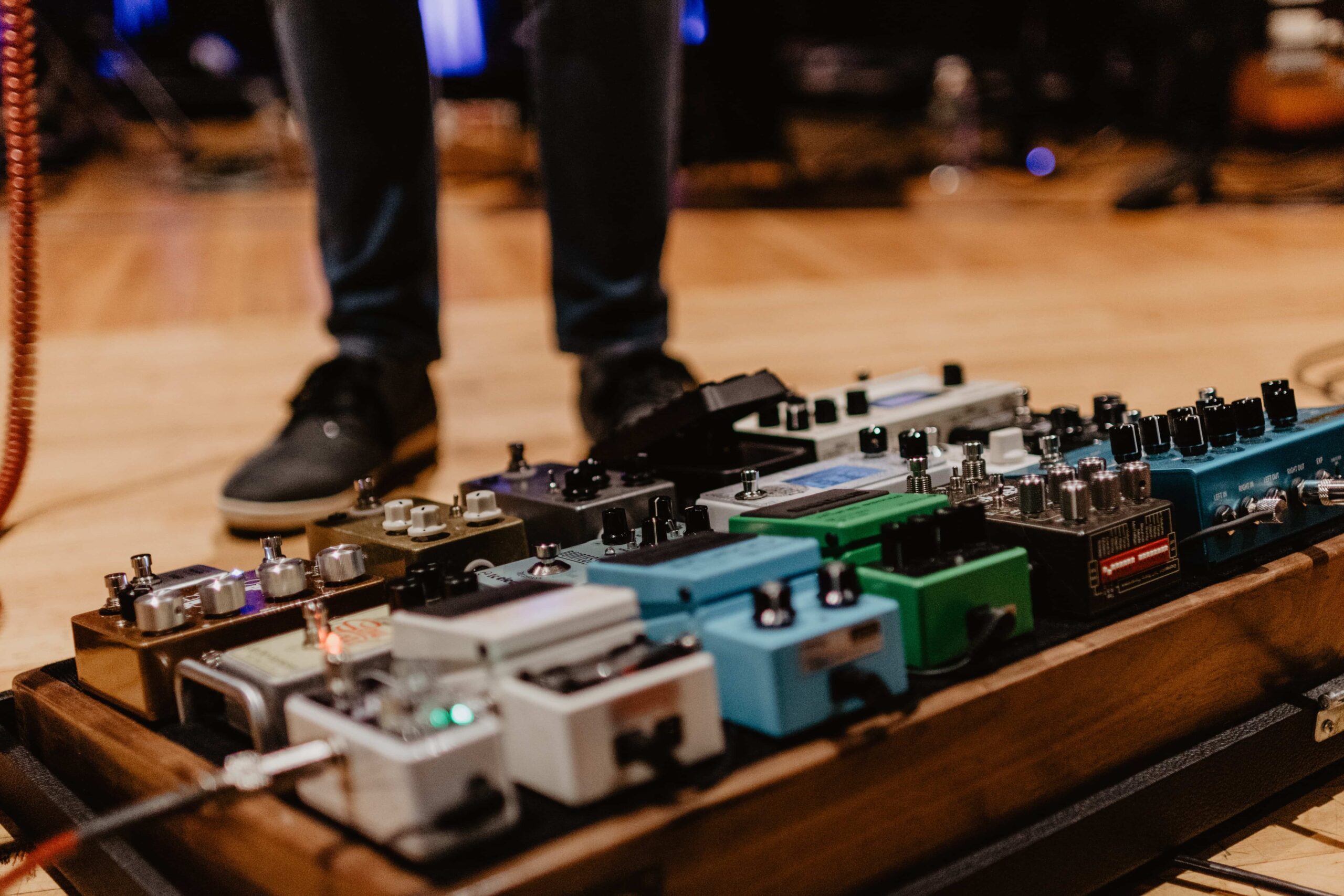
A buffer lowers signal impedance to prevent tone loss and minimize noise.
Its core job is to convert high impedance into low impedance.
Impedance explained simply
In short, passing weak guitar signals through a buffer strengthens them, preventing tone degradation and noise.
Understanding Buffers | The Connection to Bypass Types

Buffered Bypass vs. True Bypass
Understanding buffers goes beyond just "preventing noise and tone loss."
To decide if you need one, you need to understand true bypass and buffered bypass.
These refer to how a pedal handles your guitar or bass signal when turned off.
- Buffered Bypass
Even when bypassed, the signal passes through internal circuitry, outputting a buffered signal.
→ Depending on the pedal's buffer quality, this may slightly alter your core tone. - True Bypass
When bypassed, the signal completely bypasses the pedal's internal circuit.
→ If every pedal in your chain is true bypass and switched off, it's identical to plugging straight into the amp.
Do You Really Need a Buffer Pedal?
While not strictly essential, a buffer is usually worth having since it makes a big difference depending on your setup.
That is the short answer.
So, when exactly do you need one?
- Running multiple true-bypass pedals in series
- Using long cable runs to the amp (e.g., 30+ feet / 10+ meters)
The longer your cables and the more components in your path, the higher the risk of tone loss and interference.
The most common setup that benefits from a buffer is a pedalboard with 4 or 5 true-bypass pedals wired in series.
That said, even players using multi-FX units or programmable switchers sometimes prefer adding a standalone buffer because they like the sound character.
- You already have at least one buffered-bypass pedal in your chain
- You use an always-on pedal
Even with true-bypass pedals, switching one on passes your signal through an active circuit (often buffering it).
However, buffer quality and voice vary widely between pedals, so individual setups still differ.
Some vintage pedals (like classic fuzzes) expect a high-impedance signal directly from passive pickups. Placing a buffer in front can ruin their response and drive character. Strengthening the signal can also feel less organic to some players, so personal preference is key.
5 Buffer Pedals Worth a Look
Providence VZW-1 Vitalizer WV
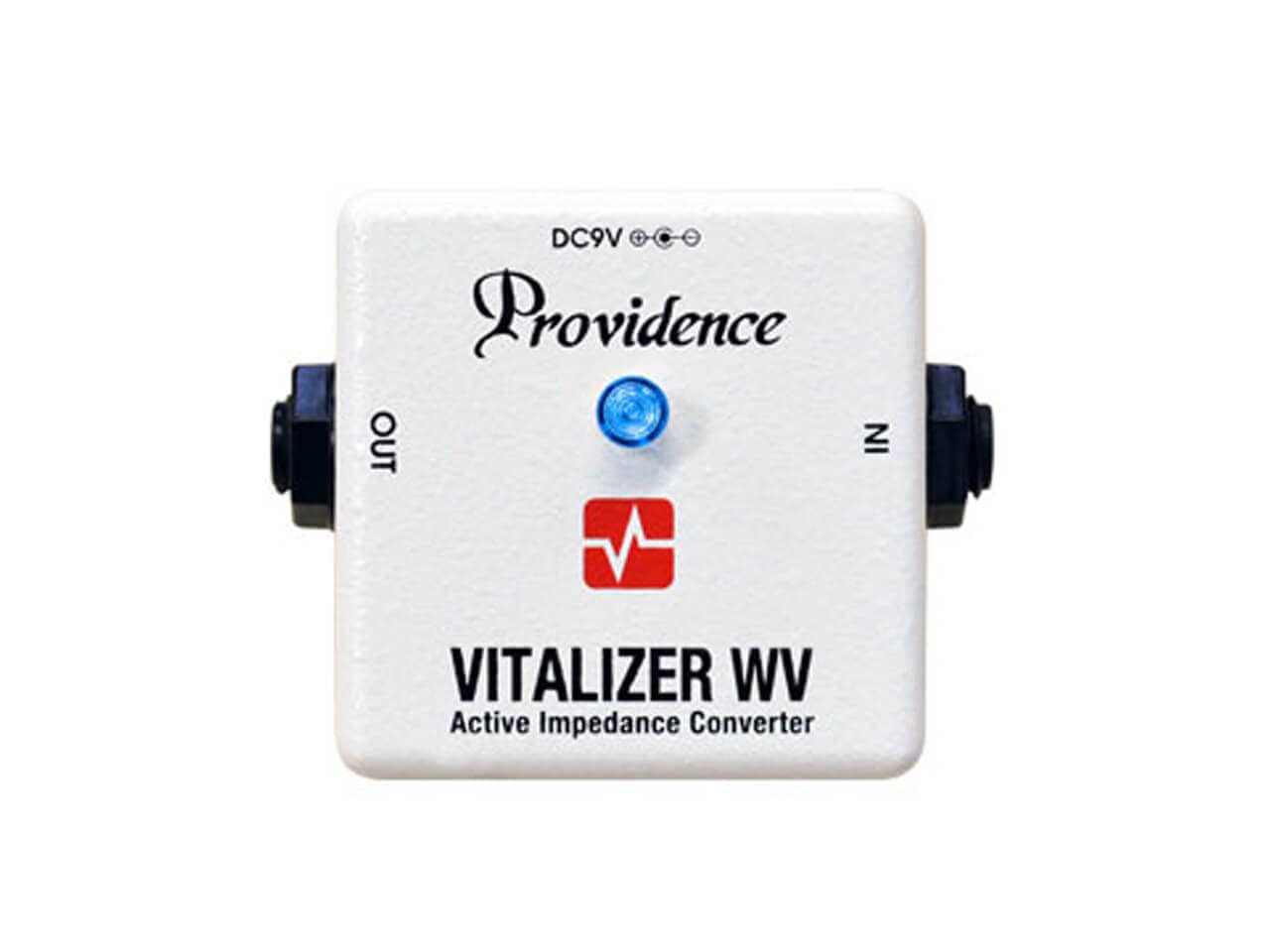
A long-standing favorite known for preserving the natural tone of your instrument.
Providence designed this circuit specifically so that converting to low impedance doesn't result in an overly harsh, bright, or artificial sound.
It avoids the harsh active sheen common in lesser buffers, and its compact footprint fits easily on any pedalboard.

Xotic / Super Clean Buffer & EP Booster
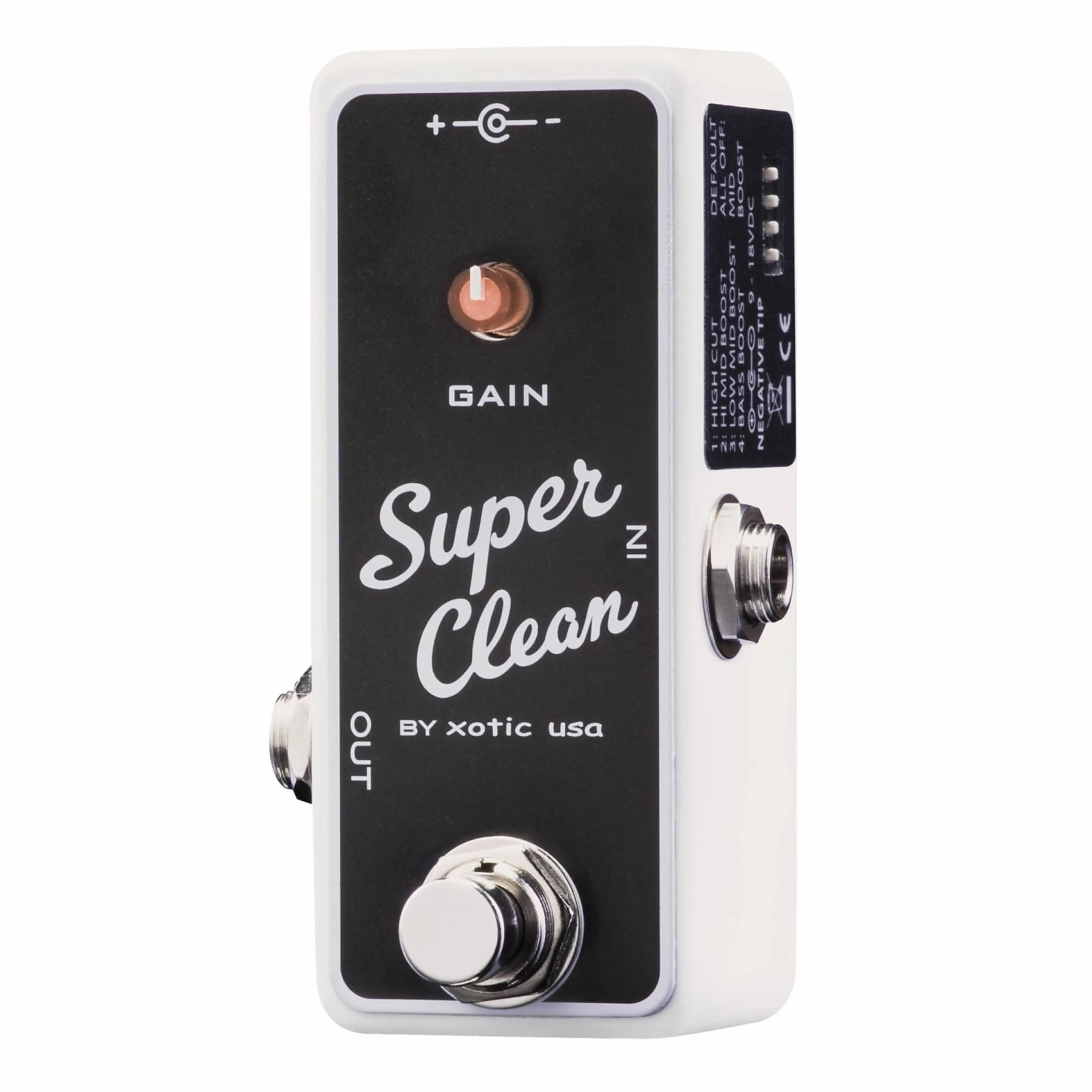
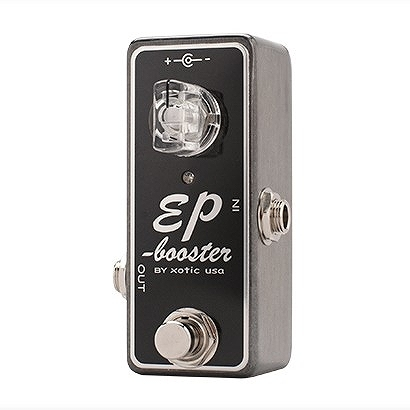
The Super Clean Buffer is a mini pedal that packs a high-end buffer and up to +12 dB of clean boost into a compact enclosure. It prevents signal degradation caused by running long instrument cables or connecting multiple pedals with patch cables.
Built around a JRC4558 op-amp, four DIP switches on the side let you tailor the boost EQ using combinations of high-cut, hi-mid boost, low-mid boost, and bass boost. An internal DIP switch also allows you to bypass the buffer function entirely.
While designed as a buffer-focused alternative to Xotic's iconic EP Booster, some players still prefer the original EP Booster for its overall versatility and tone character.

A bestseller popular as an always-on pedal that doubles as a buffer.

One Control / Minimal Series BJF Buffer Split
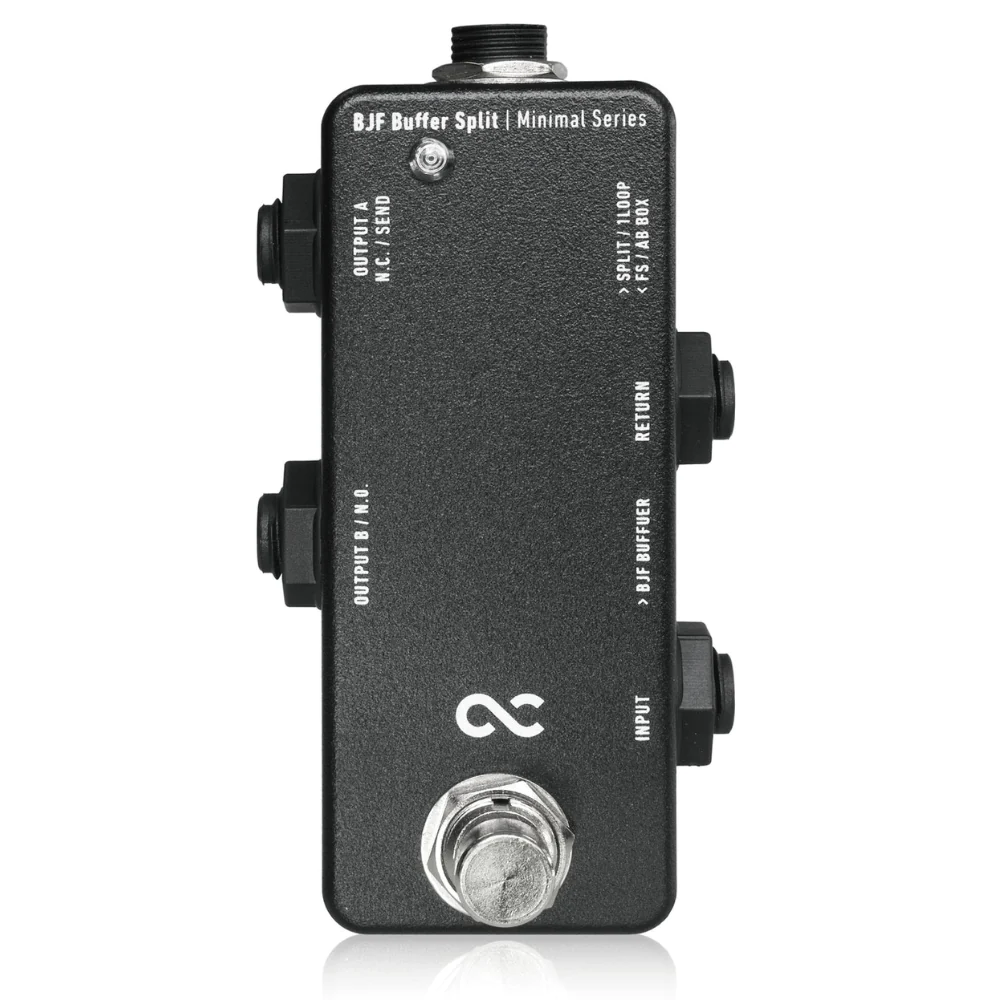
The One Control Minimal Series BJF Buffer Split is a compact, functional buffer and splitter that offers flexible signal routing options. Side-mounted switches allow you to toggle the buffer on/off and switch between SPLIT and LOOP modes, giving you six distinct setup options in a single unit.
• High-quality, natural-sounding BJF Buffer (switchable on/off)
• Split output to divide your signal into two paths
• 1-loop box to toggle a single effects loop on/off (switchable true bypass/buffered bypass)
• A/B box to switch between two outputs
• Input selector to switch between input instruments
• Latching footswitch for remote control of various gear

Suhr / BUFFER
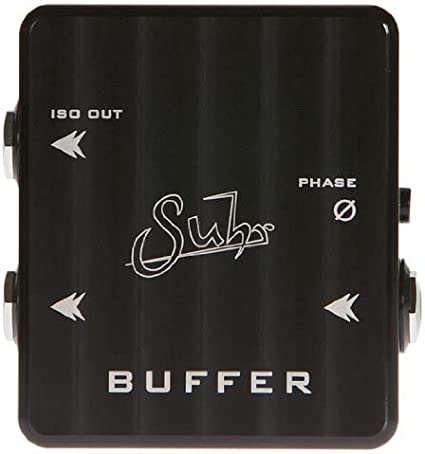
From the manufacturer:
Today’s players demand quality, reliability, and great tone. The Suhr Buffer uses premium components, including high-grade, low-noise audiophile op-amps, glass epoxy PCBs, and a machined aluminum enclosure. To earn your trust, we put the same effort into developing it as we did with our acclaimed Badger, Hand-Wired, and OD series amplifiers. This unit is a buffer/line driver that delivers crystal-clear tone. Signal loss occurs over long cable runs or when chaining multiple patch cables together. Using this Buffer prevents that loss and preserves your tone. We generally recommend placing the Buffer first in your signal chain. However, if you use vintage fuzz pedals like a Fuzz Face or Tone Bender, we suggest placing the Buffer after them to preserve their tone character. Built to withstand any performance setting, this compact aluminum enclosure packs in top-tier engineering and materials. Output 1 (ISO) is isolated from the rest of the circuit to eliminate ground noise, and features a phase switch to reverse phase issues when needed.

TC Electronic / BonaFide Buffer
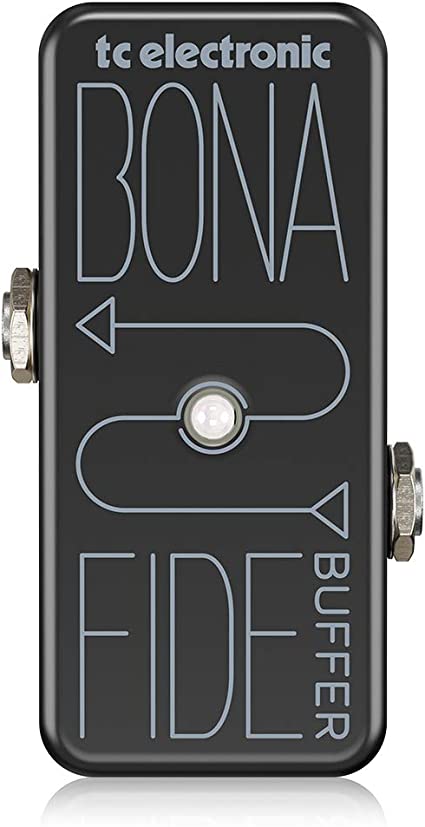
A compact, simple, and affordable buffer from TC Electronic.
Its high-grade analog circuit stays true to your original tone.
With no footswitch, it stays always-on as soon as it is plugged in.
For added peace of mind, it automatically switches to true bypass if power is lost.
