
日本語English
[Pink Floyd] David Gilmour's Gear Guide: Amps, Guitars & Pedals

XTONES is a participant in affiliate programs including Amazon Associates and Reverb. We may earn a commission from qualifying purchases made through links on this page, at no extra cost to you.
Contents (33)
Player’s RIG breaks down the gear relied on by iconic guitarists worldwide.
As the voice and lead guitar behind Pink Floyd for decades, David Gilmour has woven unforgettable melodic contours in both his band work and solo career. Raised in Cambridge, he joined Pink Floyd in 1968, guiding their sonic evolution from The Dark Side of the Moon and The Wall through to their later landmark reunions.
David Gilmour
Sustaining lead notes, lush echo, and swirling modulation define his signature tone. Anchored by the iconic Stratocaster silhouette, Gilmour moves fluidly between massive live stacks and pedalboards on stage, and tube combos with rotary cabs in the studio.
Here is a comprehensive look at the guitars, amps, and effects pedals behind David Gilmour's legendary tone.
David Gilmour|Profile

Date of Birth: March 6, 1946
Origin: Cambridge, England
Main Activity: Pink Floyd / Solo
Key Works: The Dark Side of the Moon, Wish You Were Here, The Wall / On an Island, Rattle That Lock, Luck and Strange
1960s–1970s | Joining Floyd, Dark Side of the Moon, and Wish You Were Here
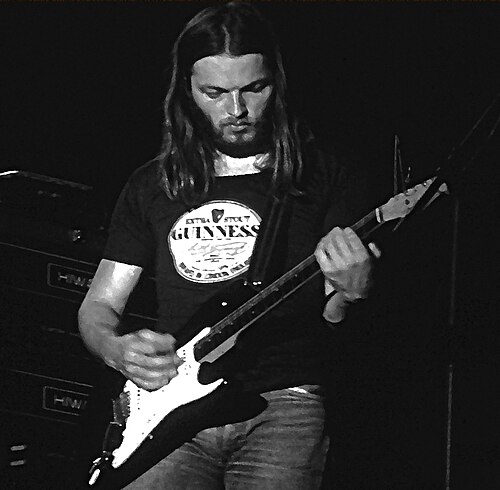
Raised in Cambridge, Gilmour was a childhood friend of Syd Barrett. He joined Pink Floyd in 1968 as guitarist and vocalist, eventually becoming one of the band's core focal points following Barrett's departure. Around the Atom Heart Mother era, he acquired the instrument that would become known as the "Black Strat," which served as his primary guitar for both live and studio work.
With The Dark Side of the Moon (1973) and Wish You Were Here (1975), his soaring lead sustain and immersive time-based effect layers set global benchmarks for guitar tone. Names like Hiwatt, Echorec, and Big Muff became indelibly linked with his sound during this pivotal decade.
1977–1985 | Animals, The Wall, and Early Solo Work
By the time Pink Floyd transitioned from Animals to The Wall, Gilmour's pedalboard setup grew increasingly sophisticated through custom work with Pete Cornish, incorporating distinct configurations for stage and studio. Around 1979, he began using GHS Boomers strings, and his Black Strat underwent key modifications, including the installation of a custom Seymour Duncan bridge pickup.
He released his self-titled debut solo album in 1978, followed by About Face in 1984. Even amidst shifting dynamics within Pink Floyd, his distinct guitar tone and musical identity remained firmly intact across his solo releases.
1987–2005 | A Momentary Lapse of Reason, The Division Bell, and Live 8
Following Roger Waters' departure, Pink Floyd launched massive worldwide stadium tours behind A Momentary Lapse of Reason (1987) and The Division Bell (1994). The instrumental track "Marooned" earned a Grammy Award, and the band was inducted into the Rock and Roll Hall of Fame in 1996.
At Live 8 in 2005, the classic lineup reunited for a historic performance in London, delivering iconic renditions of songs like "Comfortably Numb." It was a triumphant night that brought the Black Strat back into the global spotlight before a massive audience.
2006–2024 | Solo Era to Luck and Strange
Gilmour focused primarily on his solo career with the release of On an Island (2006), Rattle That Lock (2015), and Luck and Strange (2024), accompanied by major international tours. In 2008, Fender Custom Shop released his signature Stratocaster, and following the auction of the original Black Strat in 2019, signature variants took over as his main stage instruments.
In the studio, vintage gear like Hiwatt amps, Yamaha rotary cabs, Tube Drivers, Electric Mistresses, and Echorec/Boonar delays comfortably coexist with modern units. On tour, custom Skrydstrup and Cornish switching systems streamline his signal path, blending classic Pink Floyd tones with refined solo setups.
David Gilmour|Performances & Tracks
David Gilmour — Wish You Were Here (Live At Pompeii)
"Wish You Were Here" performed live at the ancient Roman amphitheatre in Pompeii. As night falls over the stone arena, the acoustic guitar intro begins under the soft glow of audience lights. The poignant lyrical call directly resonates through the open air.
Many listeners return to this performance as a timeless piece to share with family and friends. Among his solo Pompeii recordings, it stands out as one of the most quietly moving highlights, leaving the natural acoustic resonance of the ancient stone ringing long after the final note.
David Gilmour — High Hopes (Live At Pompeii)
"High Hopes," also recorded live in Pompeii. The opening chime motif builds into a soaring guitar solo that sounds monumental against the dark night sky. This track captures a Division Bell-era classic beautifully expanded by his solo band.
Reactions often highlight the emotive delivery of lyrics like "the grass was greener" alongside the driving rhythm section. Positioned as an emotional peak of the Pompeii set, it is a clip fans frequently revisit to experience the incredible outdoor atmosphere and soaring lead tone.
Pink Floyd — Comfortably Numb (Recorded at Live 8)
"Comfortably Numb," recorded during the historic 2005 Pink Floyd reunion at Live 8 in London. After years apart, the four classic members took the stage together, culminating in a legendary second guitar solo that filled the massive public arena. It remains one of the most referenced moments in rock history.
Fans often note Nick Mason removing his headphones to absorb the atmosphere, as well as the striking dynamic between Gilmour's vocals and expressive lead lines, supported by Richard Wright's lush keyboard textures. The sheer scale of the venue elevates this iconic solo performance.
David Gilmour|Guitars Used
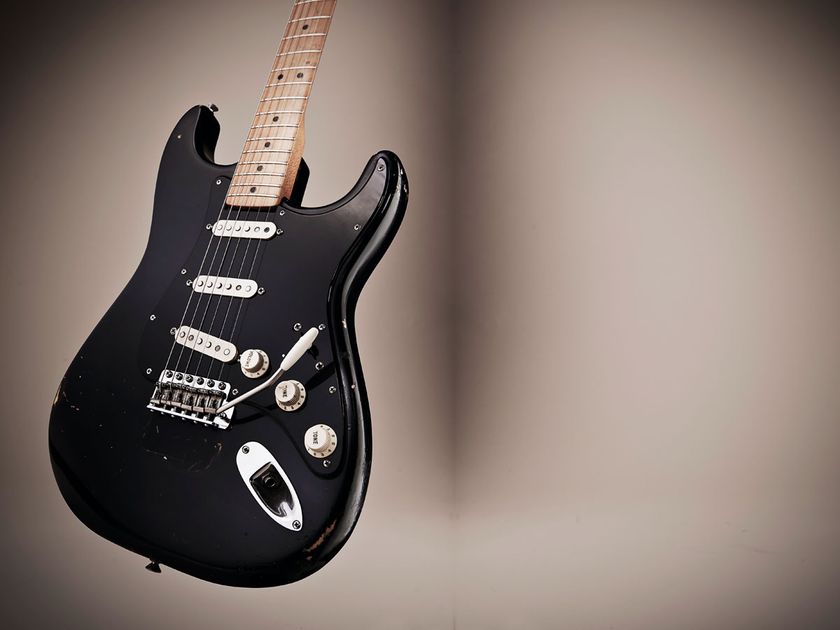
Fender Custom Shop David Gilmour Signature Stratocaster (NOS “Black Cat”, etc.)
SPECS
| Manufacturer | Fender Custom Shop |
| Model | David Gilmour Signature Stratocaster (NOS / Relic) |
| Body | Select Alder (NOS = Black / Relic = Black over 3-Color Sunburst) |
| Neck | 1-Piece Maple, 1983 Thin-Shouldered “C” (.790″–.870″) |
| Fingerboard | Maple, 7.25″ (184mm) radius, 21 Vintage Frets |
| Scale / Nut Width | 25.5″ (648mm) / Nut width: 1.675″ (42.5mm) |
| Pickups | CS Fat ’50s (N) / CS ’69 (M) / Seymour Duncan SSL-5 (B) |
| Switching | 5-way + mini-toggle switch (activates neck pickup in positions 1–3) |
| Bridge | American Vintage Synchronized Tremolo (shortened arm / beveled block) |
| Pickguard | 1-Ply Black Acrylic 11-hole |
| Included (At Launch) | Evidence Audio cable, leather strap, GHS DG Boomers, DG picks, Live in Gdansk CD/DVD, Phil Taylor's The Black Strat book |
Overview
In 2008, Fender Custom Shop collaborated with Gilmour's longtime guitar technician Phil Taylor to recreate the iconic Black Stratocaster. Featuring an alder body, a thin-shouldered 1983 "C" maple neck, a Seymour Duncan SSL-5 bridge pickup, Custom Shop neck/middle pickups, and a mini-toggle switch that allows the neck pickup to be blended into bridge/middle positions. The shortened tremolo arm and 11-hole black acrylic pickguard precisely match the specs of his iconic instrument.
Following the auction of the original Black Strat in 2019, Gilmour has relied heavily on these signature instruments (such as the NOS variant nicknamed "Black Cat") for both live concerts and studio recordings. In rehearsal and performance footage from the Luck and Strange era, these signature Stratocasters remain the central visual and tonal fixture.
Commercial signature models reproduce the specific design specs of the famous instrument rather than capturing every historical mod of the original.
Fender Stratocaster “The Black Strat” (Original Instrument)
SPECS
| Manufacturer | Fender (Extensively Modified) |
| Nickname | The Black Strat |
| Acquired | May 1970 at Manny's Music, New York |
| Body | Factory Black finish (refinished over Sunburst) / Alder |
| Neck | Replaced multiple times (settled on a 1983 '57 Reissue C-shape) |
| Pickguard | 1-ply 11-hole Black (became signature look in summer 1974) |
| Pickup History | 1971 Fender neck/middle; Seymour Duncan SSL-1C (later SSL-5) installed at bridge in late 1979 |
| Switching | Upgraded from 3-way to 5-way in 1985 |
| Tremolo | Original synchronized tremolo reinstalled in 1997 / shortened ~4.25" arm |
| Notable Usage | Pink Floyd albums (Atom Heart Mother onwards), solo works, Live 8, etc. |
| Auctioned | 2019 Christie's David Gilmour Guitar Collection |
Overview
Acquired in May 1970 at Manny’s Music in New York, this Stratocaster evolved into the legendary "Black Strat." Beginning with the Bath Festival performance, it served as Gilmour's primary instrument for both live tours and studio work, spanning The Dark Side of the Moon, The Wall, and his early solo projects. The addition of the black 11-hole pickguard in the summer of 1974 created its most famous visual profile.
As chronicled by Phil Taylor, the guitar served as a continuous platform for experimentation, undergoing numerous neck changes, pickup swaps, wiring modifications, and even temporary XLR jack installations. The custom Seymour Duncan SSL-1C bridge pickup installed in late 1979 was later commercialized as the SSL-5. Upgrades like the 5-way switch in 1985, shortened tremolo arm, and reinstalling the original synchronized bridge in 1997 reflect its multi-decade evolution.
After being auctioned for charity at Christie's in 2019, Gilmour transitioned to playing his Fender Custom Shop signature models on stage.
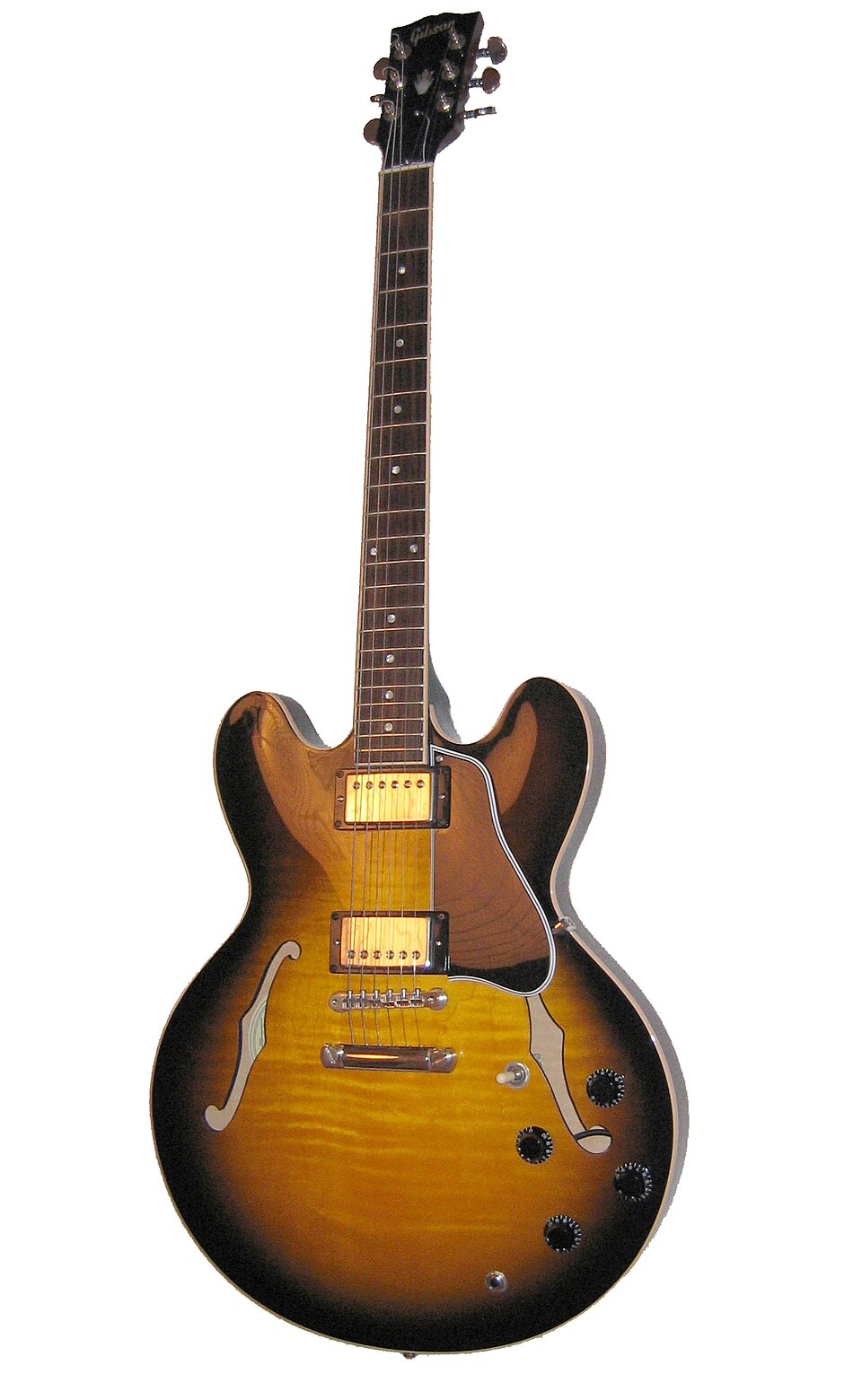
Gibson ES-335 (1961, Luck & Strange, etc.)
SPECS
| Manufacturer | Gibson |
| Model | ES-335 (Reported as a 1961 vintage model used by Gilmour) |
| Body | Semi-hollow (Laminated maple top/back, solid center block) |
| Neck | Mahogany neck / Rosewood fingerboard (vintage specs) |
| Pickups | Dual Humbuckers |
| Usage | Used on Luck & Strange as a tonal alternative to Stratocasters |
| Notes | Gilmour noted: "I don't have a long history with Gibsons, but I wanted a different flavor and bought it relatively recently." |
Overview
A semi-hollow guitar featured in the recording logs for Luck and Strange. According to gear documentation provided by Phil Taylor to Guitar World, a 1961 ES-335 was selected to bring a fresh tonal texture to Gilmour's traditionally Stratocaster-focused setup. The warm resonance of a semi-hollow body paired with a solid center block creates a rich, open voice that pairs exceptionally well with tube-driven drive pedals and rotary speaker cabinets.
Gilmour remarked that while he doesn't have a long background with Gibson guitars, he acquired this ES-335 relatively recently to introduce new colors into his sonic palette. Rather than replacing his main instruments, it serves as an inspiring alternative in the studio.
Note: This refers specifically to the vintage 1961 instrument used on recordings rather than standard production models.
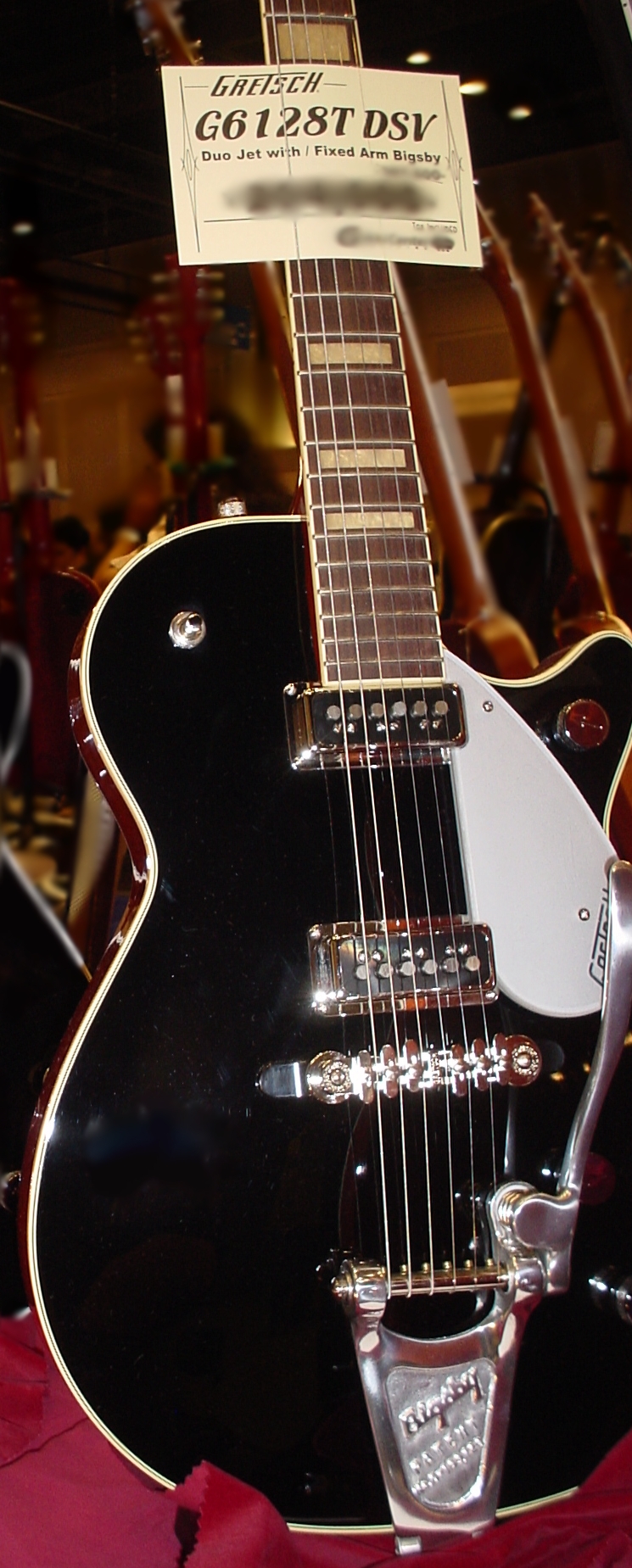
Gretsch Duo Jet (1958)
SPECS
| Manufacturer | Gretsch |
| Model | Duo Jet (Reported as 1958 model) |
| Body | Chambered / Solid-style single-cutaway |
| Pickups | Filter’Tron humbuckers |
| Bridge/Tremolo | Vintage spec |
| Usage | Featured on Luck & Strange studio recordings |
Overview
A 1958 Gretsch Duo Jet listed among the recording gear for Luck and Strange. Offering a distinct attack and focused midrange character compared to Stratocasters or ES-335s, it served as a key element in Gilmour's expanded studio palette curated alongside Phil Taylor. Its compact single-cut silhouette has also appeared in solo promotional visuals.
Used primarily for tracking specific song parts rather than live performance, it represents a fresh tonal addition to his 2024 solo release.
Note: Documentation specifically cites an original 1958 vintage instrument.
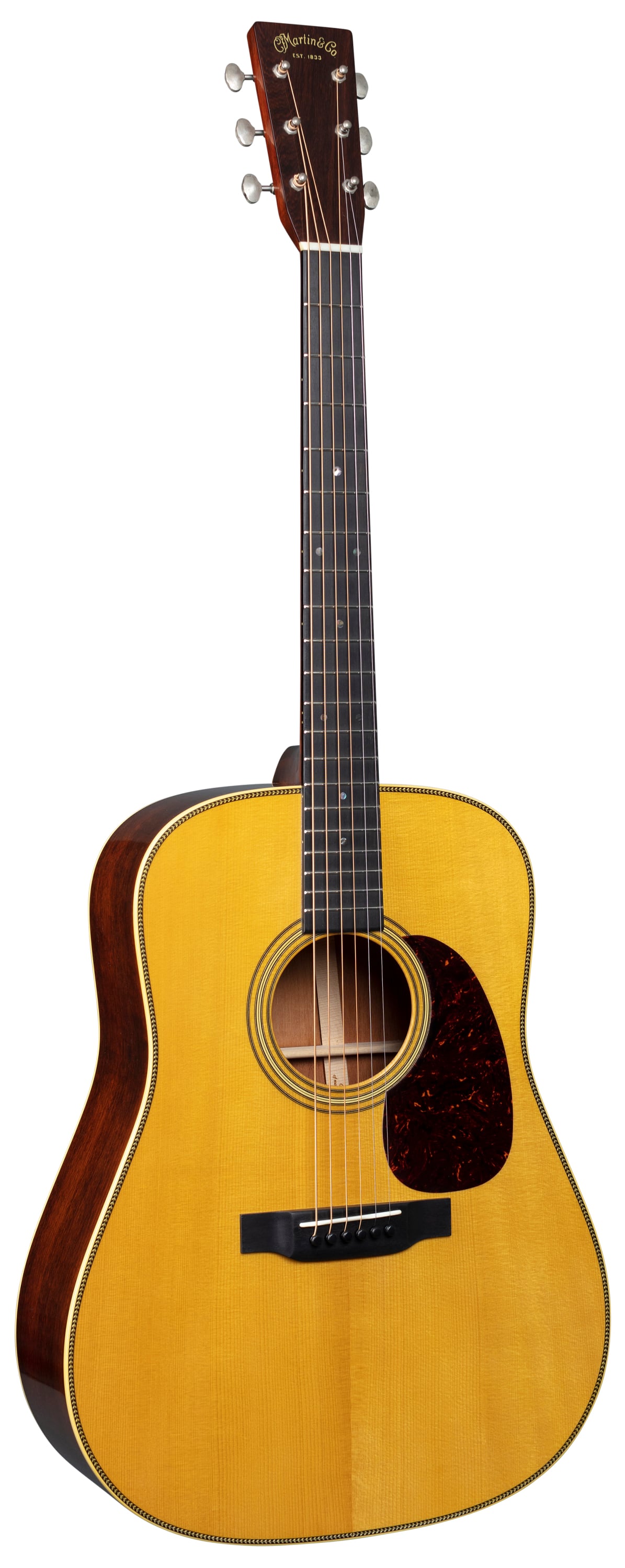
Martin D-35 David Gilmour Custom Signature Edition
SPECS
| Manufacturer | C.F. Martin & Co. |
| Model | D-35 David Gilmour Custom Signature Edition (6-string / 12-string) |
| Body | D-14 Fret / Sinker Mahogany back & sides (3-piece back) |
| Top | Adirondack Spruce with VTS, Antique Toner, Vintage Gloss |
| Neck | Sinker Mahogany, David Gilmour Custom Shape, Standard Taper |
| Fingerboard / Bridge | Ebony / Abalone DG dot pattern |
| Scale / Nut Width | 25.4″ / Frets: 20 / Nut width: 1 11/16″ |
| Tuning Machines | Golden Age Relic Nickel (Butter Bean) |
| Limited Edition | Total of 250 instruments (combined 6-string and 12-string production) / Signed label |
| Strings (Factory 6-string) | Martin Authentic Acoustic Lifespan 2.0 MA540T (.012) |
| Case | Slate blue molded hardshell |
Overview
A custom signature acoustic that reinterprets Gilmour’s cherished 1969 Martin D-35 with modern masterbuilt specifications. Featuring sinker mahogany back, sides, and neck paired with a Vintage Tone System (VTS) Adirondack spruce top. It includes a custom neck profile specified by Gilmour, abalone fingerboard dots, a special headstock stamp, and a hand-signed interior label. Production was strictly limited to 250 instruments across 6-string and 12-string models.
Following the high-profile auction of his original D-35 in 2019, Martin collaborated with Gilmour via Westside Distribution to create this signature edition. Factory strung with Martin Light MA540T strings to match his personal preference, it also comes with a classic slate blue hardshell case. Both 6-string and 12-string versions were utilized during the Luck and Strange recording sessions.
It represents the writing and acoustic fingerpicking side of his music, separate from his Stratocaster history.
David Gilmour|Amplifiers Used
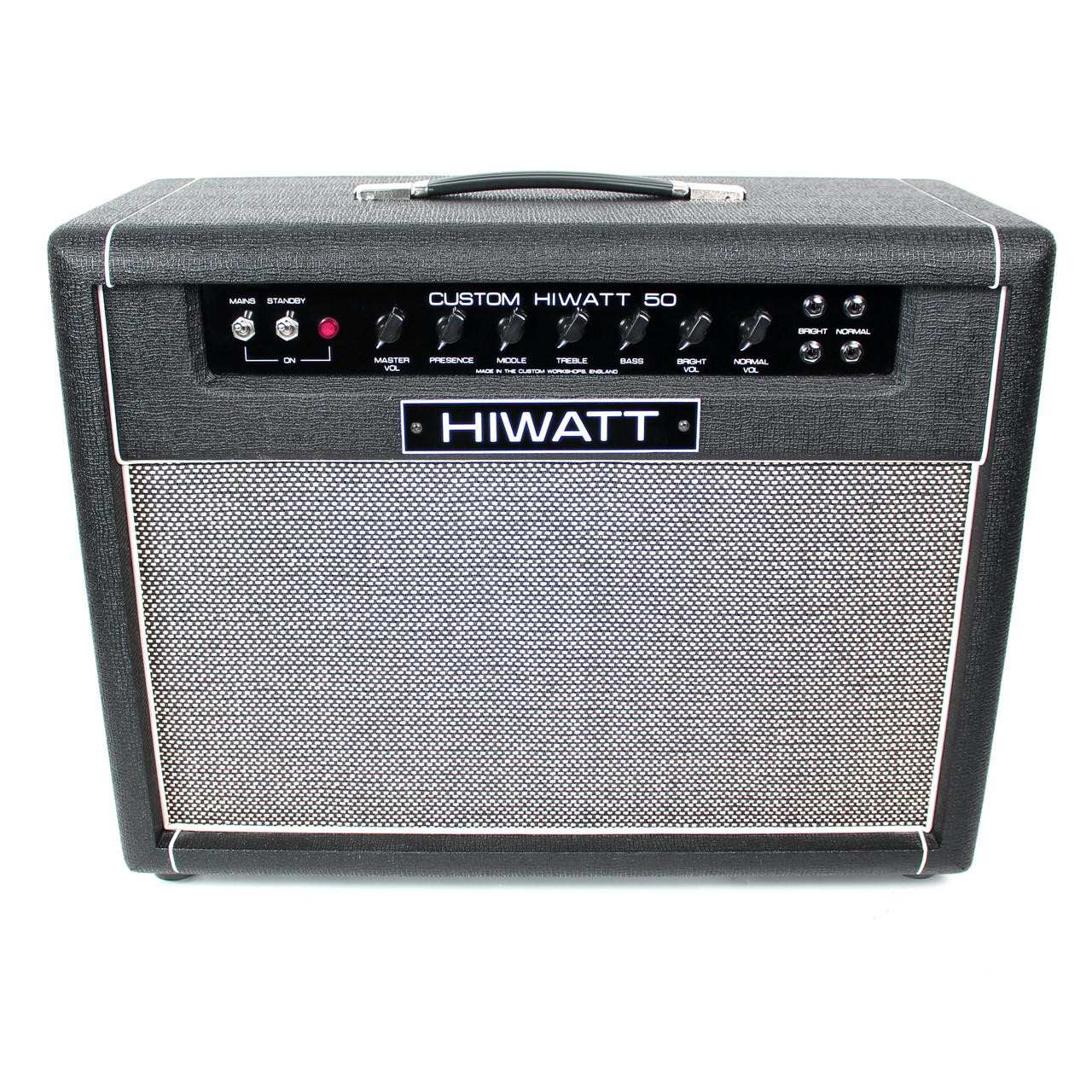
Hiwatt Custom 50 SA212
SPECS
| Manufacturer | Hiwatt (Hylight / Custom Shop era) |
| Model | Custom 50 SA212 (2x12 Combo) |
| Output | 50 Watts (All-Tube) |
| Power Tubes | 2 x EL34 |
| Preamp Tubes | 4 x ECC83 / 12AX7 |
| Inputs / Outputs | Normal / Bright (linkable inputs), 4/8/16 ohms |
| Tone Controls | Bass / Treble / Middle / Presence (+ Master Volume) |
| Speakers | 2x12 (Gilmour's personal unit reportedly features Fane Crescendo speakers) |
| Cabinet | Marine Birch construction |
| Related | Modern Hiwatt lineup includes the DG212 Custom Gilmour Combo with linked inputs |
Overview
A 50W Hiwatt combo amplifier that has served as a foundational clean-to-drive platform throughout Gilmour's career. Powered by EL34 tubes, its exceptionally high headroom provides a pristine, articulate canvas that resists unwanted clipping when pushed by high-gain drive pedals or heavy modulation. His personal units are known to feature Fane Crescendo speakers, and SA212 combos are prominent in studio photography from The Endless River sessions.
Listed in the recording documentation for Luck and Strange, 50W Hiwatts also remain central to his 2024 tour rig. Alongside his famous 100W DR103 heads, these 50W combos form a highly reliable core for both studio work and recent solo tours.
The current DG212 model is a Custom Shop derivative featuring linked inputs based on his personal specs, rather than a historical original.
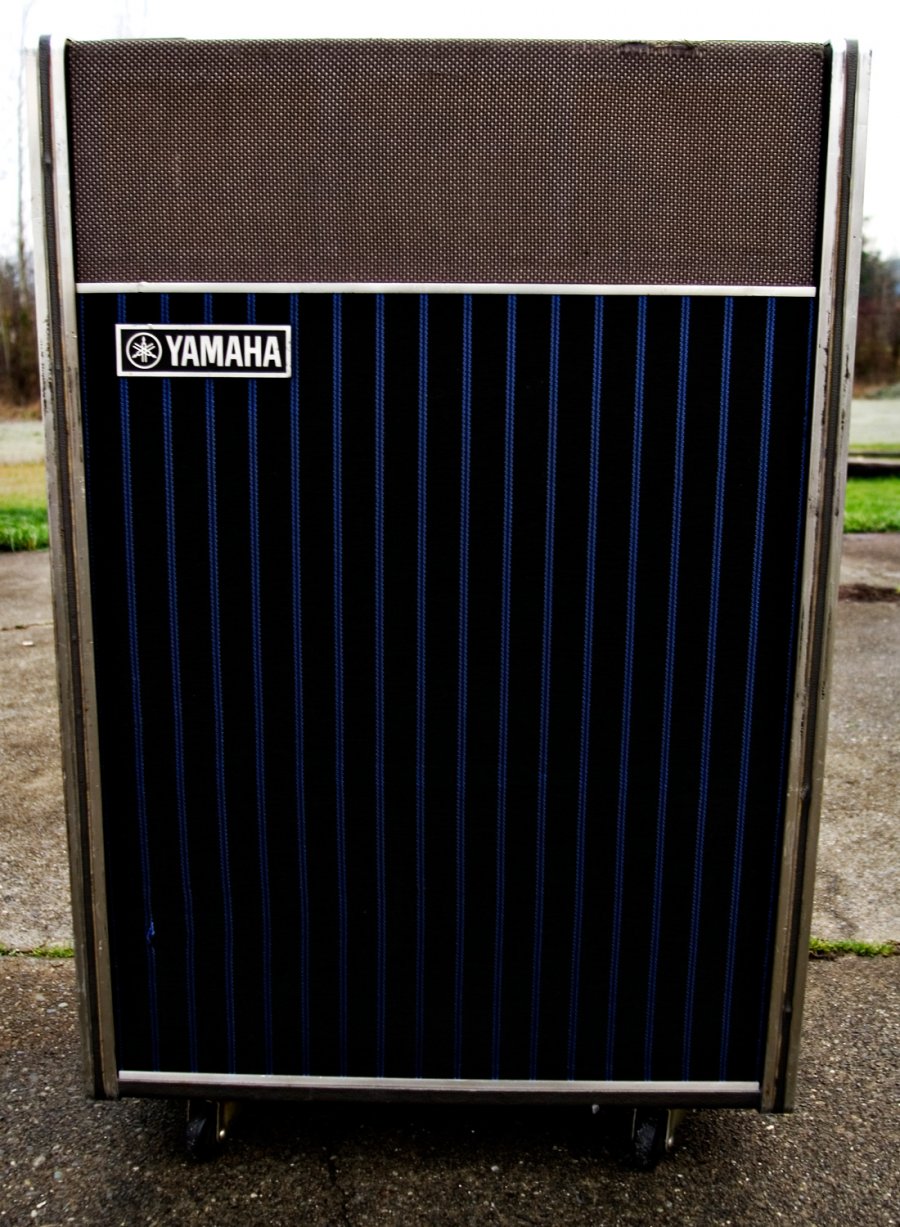
Yamaha RA-200 (Rotary Cabinet)
SPECS
| Manufacturer | Yamaha |
| Model | RA-200 |
| Type | Rotary Speaker Cabinet |
| Purpose | Spatial swirl and rotary modulation effects |
| Drive/Preamp | Historically paired with an Alembic F-2B tube preamp |
| Recording | Re-emerged in studio sessions for The Endless River and Luck and Strange |
Overview
Unlike standard static guitar cabinets, the Yamaha RA-200 features rotating speakers that physically swirl air to create lush, three-dimensional modulation. Long celebrated for its pairing with an Alembic F-2B tube preamp, Gilmour frequently runs the RA-200 in parallel with pristine clean signals from Hiwatt or Fender amps in the studio.
It was brought out again for Luck and Strange to deliver organic rotary sweep and spatial depth. While modern pedals can approximate rotary effects, the physical Doppler effect produced by moving speakers delivers a unique, organic movement that remains unmatched.
It functions less like a standard guitar amp and more like a physical spatial device.
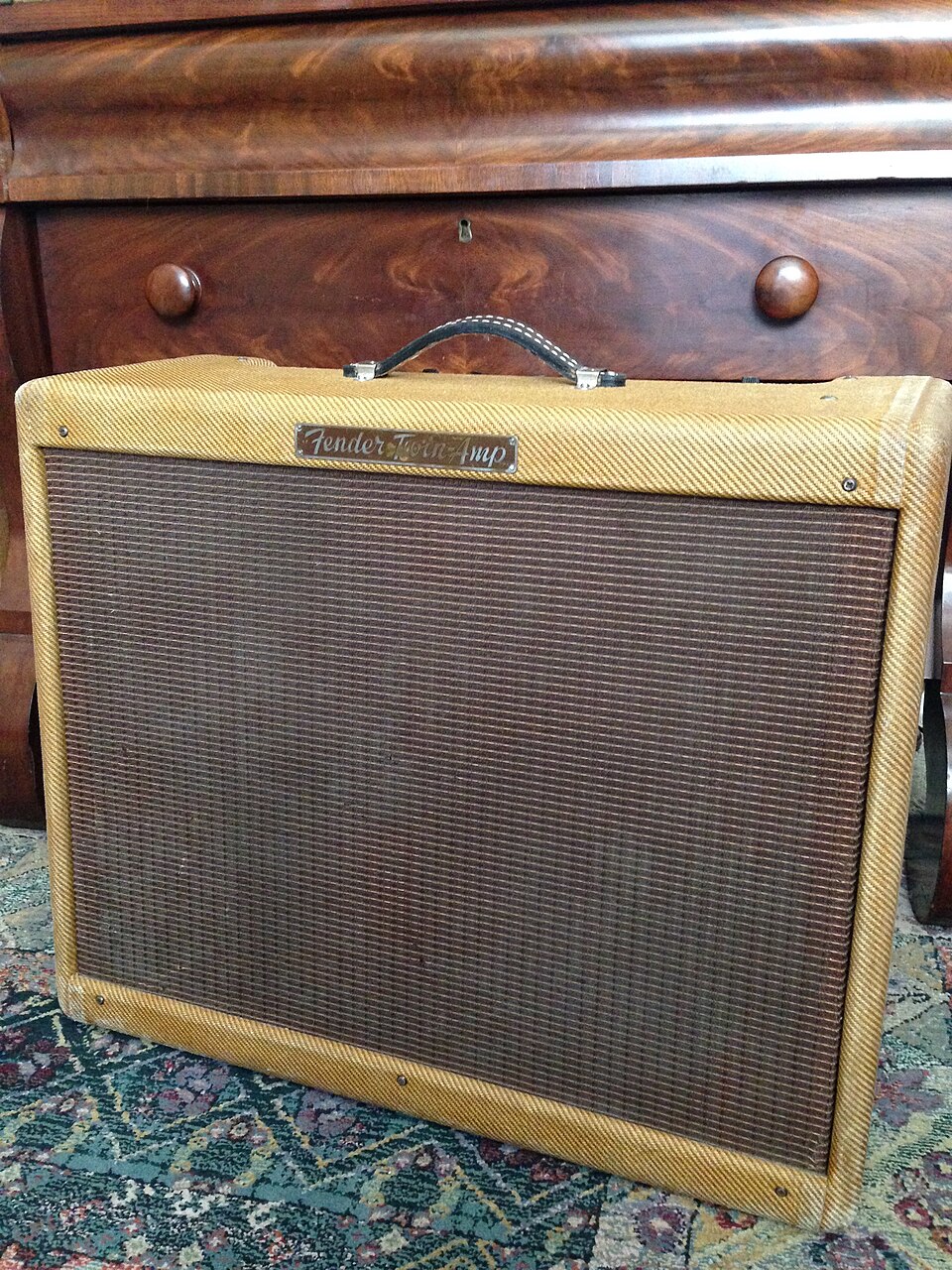
Fender Tweed Twin
SPECS
| Manufacturer | Fender |
| Model | Tweed Twin (Listed as Fender Tweed Twin in studio documentation) |
| Origin | 1950s-style tweed combo amp |
| Usage | Clean and edge-of-breakup option for recording |
| Notes | Pete Cornish Tech Talk notes highlighted designing Gilmour's solo systems for direct response into vintage Fender Tweed or reissue amps |
Overview
A Fender Tweed Twin included in the recording amp roster for Luck and Strange. Providing a warmer alternative to the headroom of Hiwatt rigs, its natural tube compression and rounded midrange make it an ideal voice for specific studio tracks. It represents Gilmour's practice of tailoring amp heads and cabinets to individual song arrangements in his Medina home studio.
When Pete Cornish built Gilmour's custom solo pedal systems, maintaining a direct, responsive feel into vintage Fender Tweed amps was a key design objective, aligning perfectly with his studio philosophy.
Fender Bandmaster
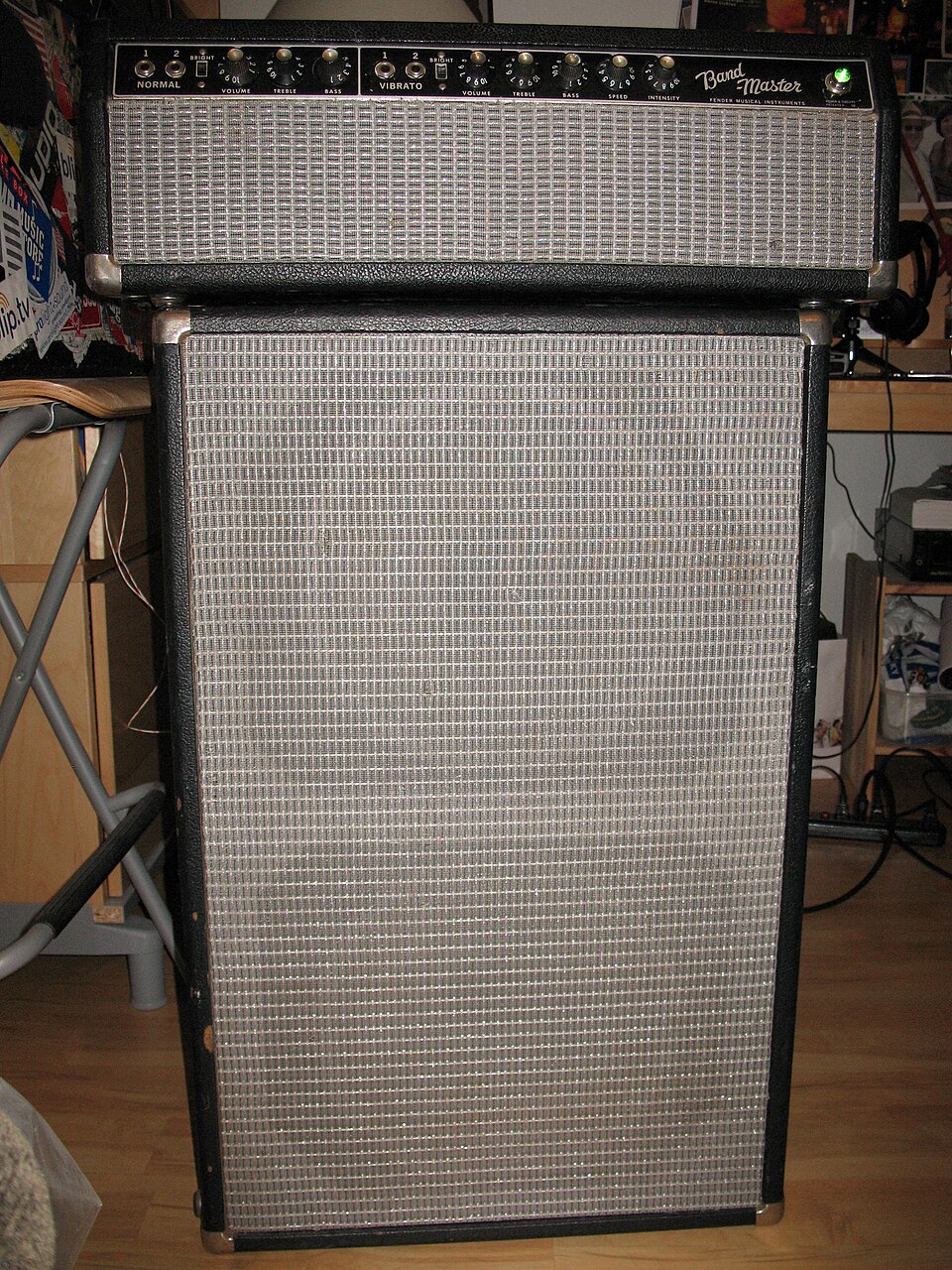
SPECS
| Manufacturer | Fender |
| Model | Bandmaster (Head setup varies) |
| Origin | Vintage Blonde/Blackface medium-output tube head |
| Usage | Studio recording option on Luck & Strange |
Overview
A Fender Bandmaster featured in the amplifier list for Luck and Strange. Alongside Tweed Twins, Hiwatts, Alessandros, and Lazy J combos, it reflects Gilmour's studio approach of mixing and matching different amp heads and speaker enclosures for specific tracks at Medina Studio.
While his iconic live image is tied to Hiwatt heads and WEM cabinets, his recent solo recordings rely heavily on an array of vintage tube heads and small combos to craft distinct tonal textures.
David Gilmour|Effects Pedals Used
Electro-Harmonix Big Muff (Ram’s Head, etc.)
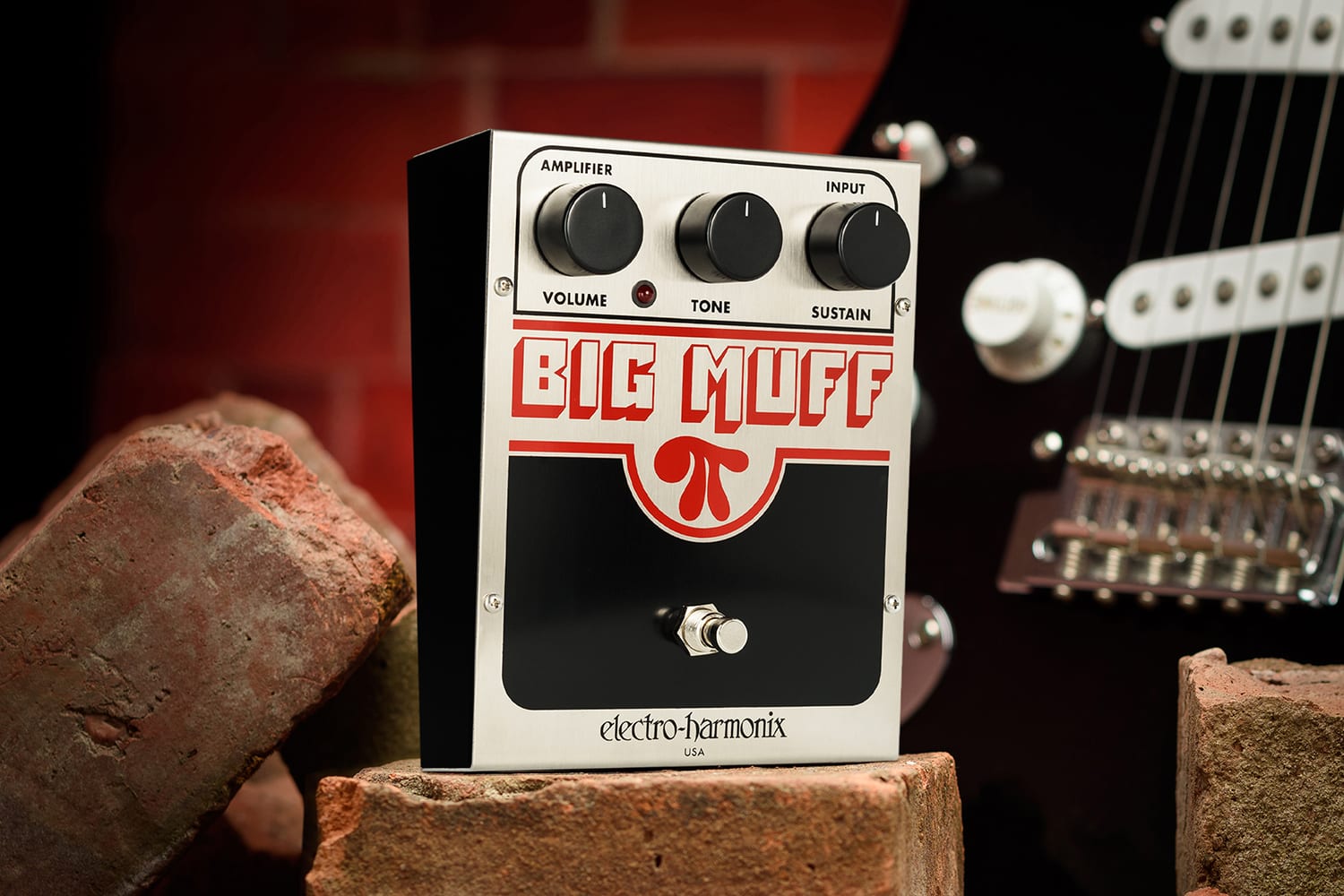
SPECS
| Manufacturer | Electro-Harmonix |
| Type | Big Muff Pi (Multiple revisions including Ram's Head era) |
| Circuit | Fuzz / Distortion pedal (Sustain-focused) |
| Controls | Volume, Tone, Sustain |
| Current Use | Vintage Ram's Head units observed in upper rack tray for Luck & Strange tour |
| Pairing | Sovtek Civil War Big Muffs also documented in rack rigs |
Overview
The Electro-Harmonix Big Muff is one of the definitive components of David Gilmour's drive sound. Responsible for the monumental, wall-of-sound sustain heard since the Animals era, various vintage revisions have rotated between his studio and touring rigs for decades. The mid-1970s "Ram's Head" version remains particularly revered among gear enthusiasts.
On his 2024 Luck and Strange tour, a Ram's Head Big Muff was spotted on the top tray of his custom rack alongside Tube Drivers and Electric Mistresses. Rather than running it alone, Gilmour frequently stacks the Big Muff with tube drivers or adjusts his guitar's volume control to shape its gain density and sustain.
Commercial modern Big Muffs differ significantly from vintage originals.
Electro-Harmonix Electric Mistress
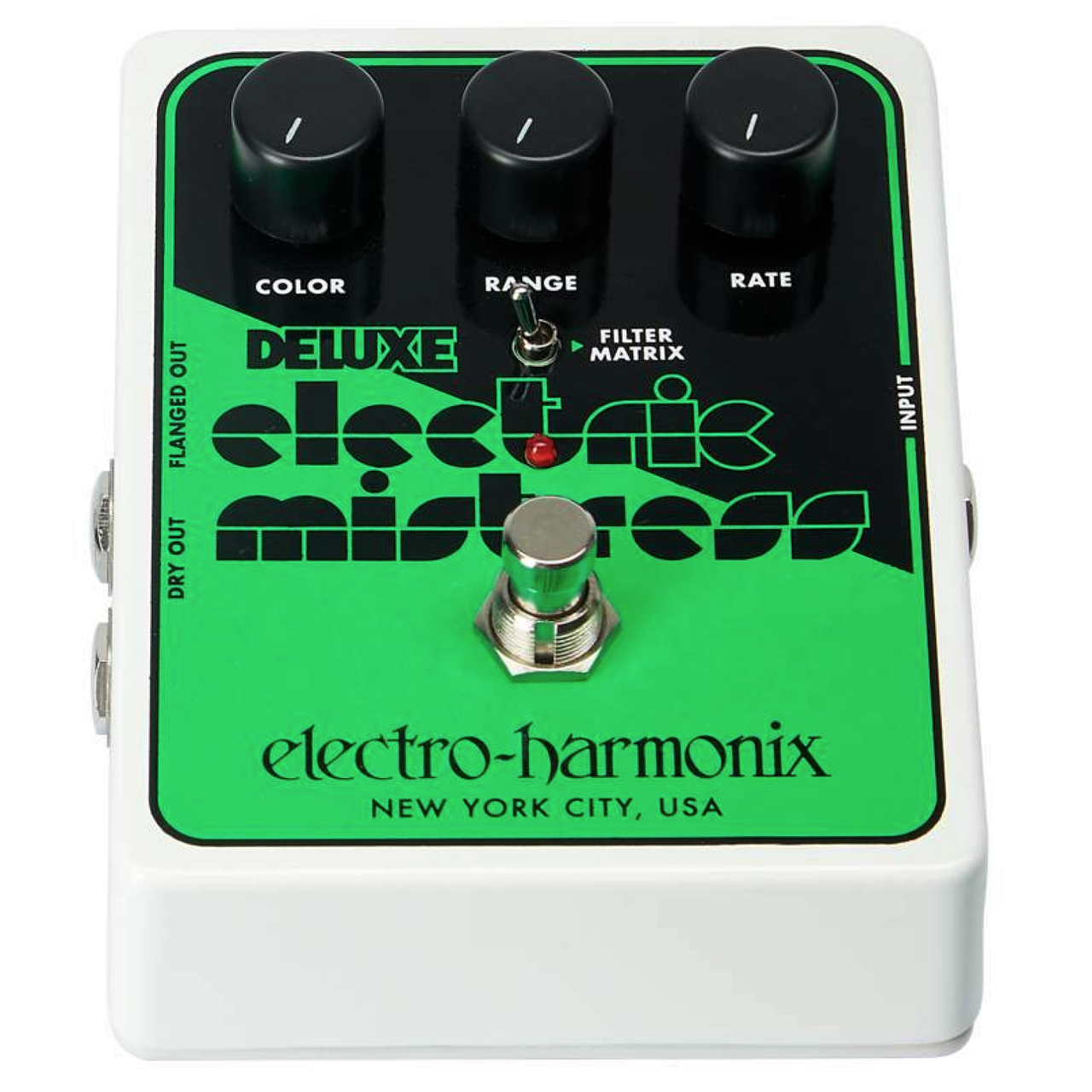
SPECS
| Manufacturer | Electro-Harmonix |
| Model | Electric Mistress (Flanger / Chorus) |
| Usage | Modulation effect (Live and Studio) |
| Current Rig | 1976/77 vintage unit observed in 2024 tour rack; routed through Lehle Parallel L for level control |
Overview
Blurring the line between flanging and chorus, the Electro-Harmonix Electric Mistress is a core modulation pedal that featured prominently on The Wall studio pedalboard. It adds lush spatial thickness, ranging from subtle swooping sweeps to liquid modulation textures.
A vintage 1976/1977 Electric Mistress was integrated into his 2024 Luck and Strange rack, utilizing a Lehle Parallel L mixer loop to manage signal levels and dry blend. Placed before or after drive pedals like the Big Muff and Tube Driver, it remains a pillar of his classic modulation tone.
Modern reissues differ significantly from vintage originals.
BK Butler Tube Driver (+ Chandler variants)
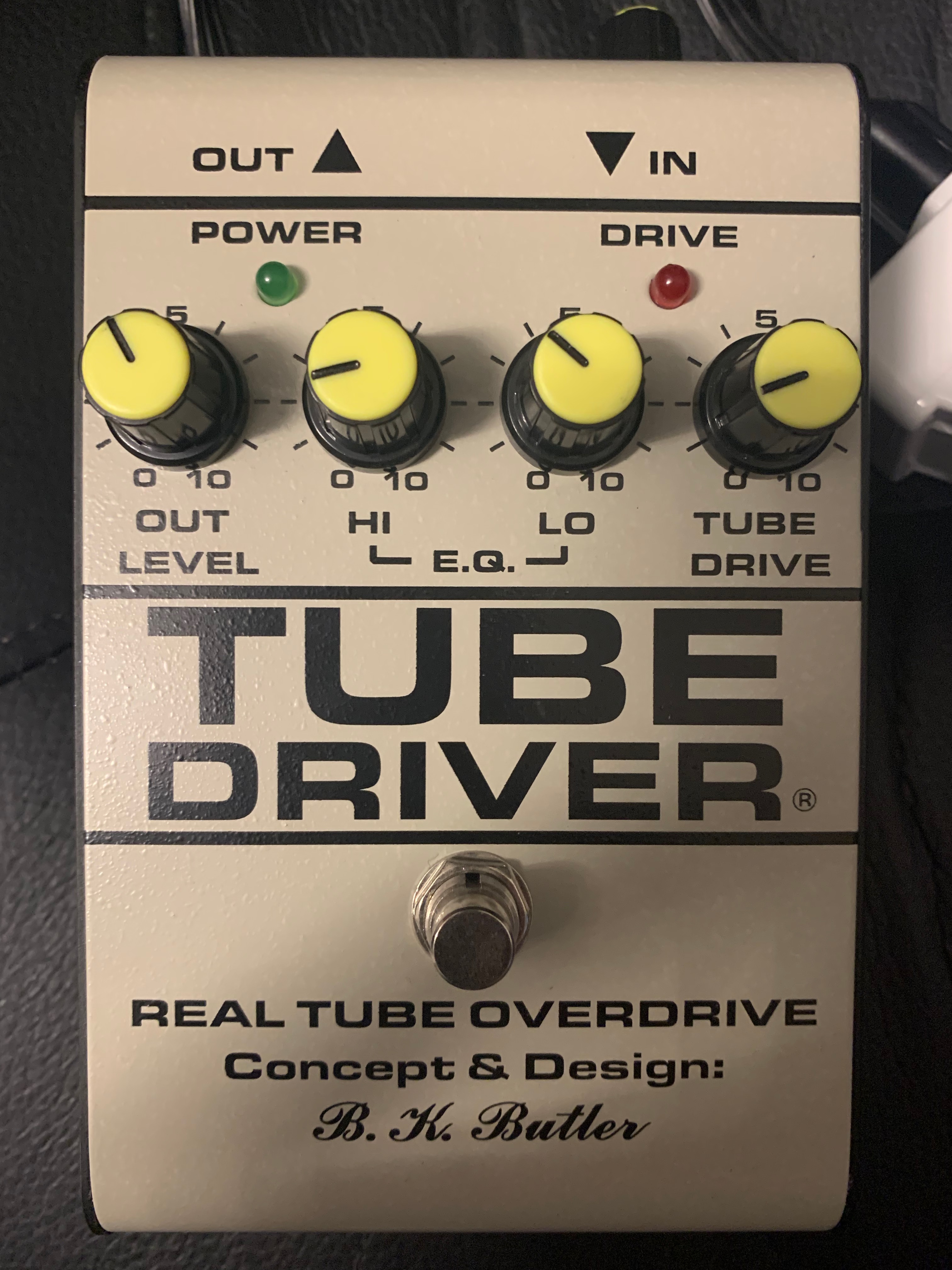
SPECS
| Manufacturer | BK Butler / Chandler (Varies by era and production run) |
| Category | Tube Overdrive / Boost |
| Usage | Core drive stage; multiple units set for different gain levels |
| Current Rig | Pair of BK Butler units alongside a Chandler Tube Driver spotted in 2024 tour rack |
Overview
Using a real vacuum tube to generate warmth and saturation, the Tube Driver has been the workhorse overdrive pedal of Gilmour's solo career. It delivers everything from transparent clean boost to smooth, saturated drive, responding dynamically to guitar volume adjustments. Pete Cornish notably integrated Chandler Tube Drivers into Gilmour's custom solo routing setups.
In his 2024 tour rack, multiple BK Butler and Chandler Tube Drivers were configured in series to provide distinct gain stages at the tap of a foot. If the Big Muff represents massive sustain, the Tube Driver provides touch-sensitive, dynamic overdrive.
Brand naming varies across different production eras.
Dawner Prince Boonar
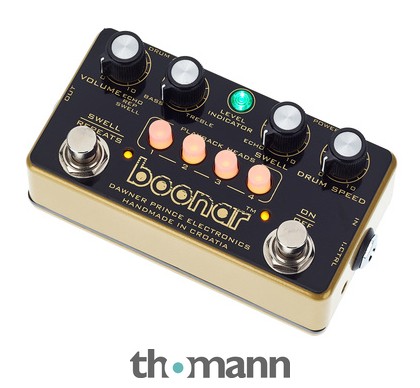
SPECS
| Manufacturer | Dawner Prince |
| Model | Boonar (Tube Deluxe and standard versions) |
| Type | Multi-head magnetic disc delay emulation |
| Usage | Live and rack echo pedal; complements vintage studio Echorecs |
Overview
The Dawner Prince Boonar is a pedal designed to recreate the distinct multi-head magnetic disc delay of the vintage Binson Echorec. Because vintage electromechanical Echorecs can be delicate on the road, the Boonar provides an authentic reproduction of their rhythmic multi-head repeats and musical swell tones in a robust format. A Tube Deluxe version was observed in his 2024 tour rack.
While an original Binson Echorec 2 was used during studio tracking for Luck and Strange, the Boonar handles live performance duties on tour, offering the feel and feedback response of magnetic disc echo without mechanical instability.
Used alongside Free The Tone digital delay processors, it allows him to easily switch delay types based on song requirements.
Binson Echorec 2
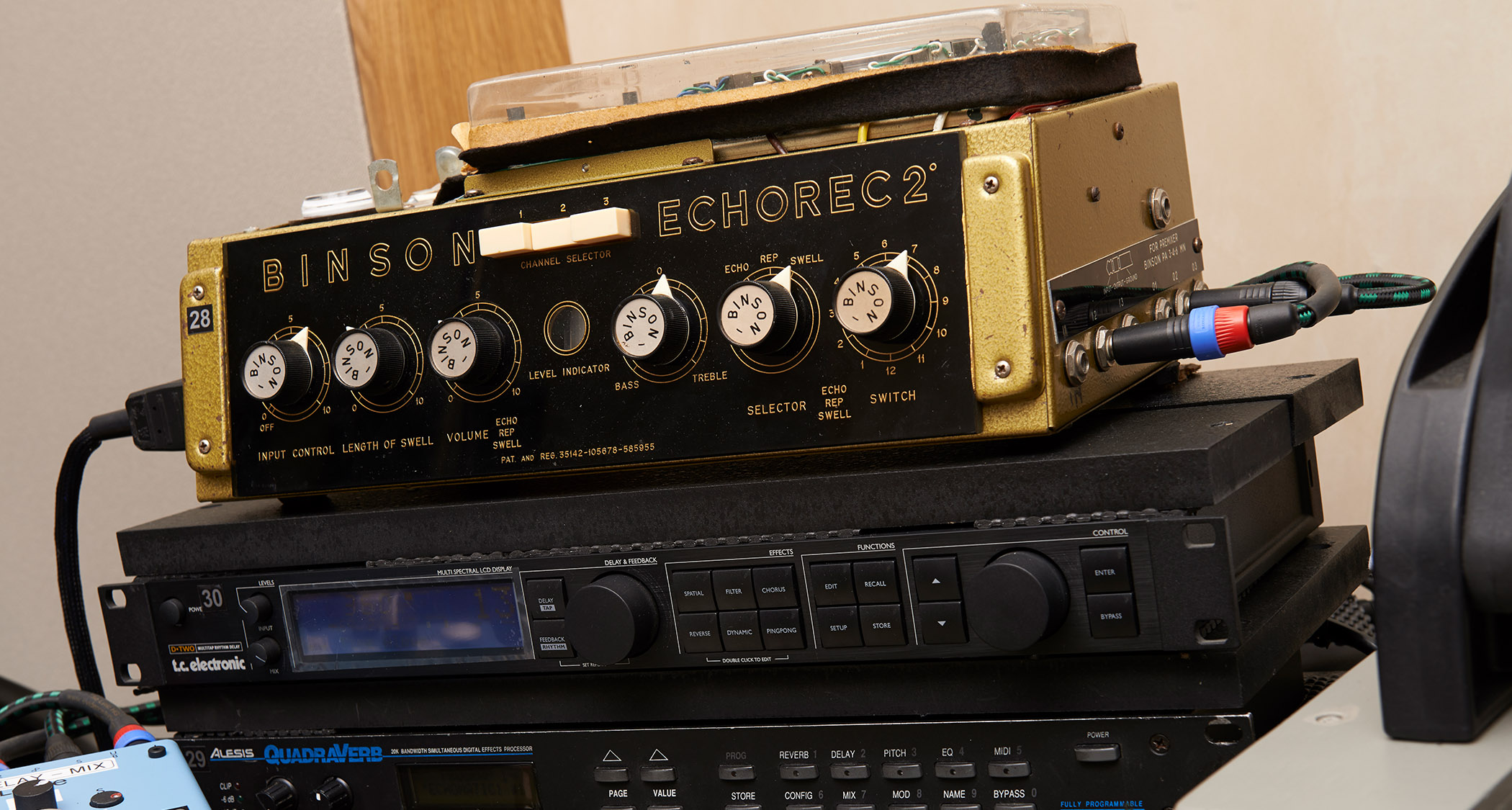
SPECS
| Manufacturer | Binson |
| Model | Echorec 2 |
| Type | Magnetic disc multi-head echo unit |
| Usage | Vintage studio echo and ambient delay |
| Modern Alternative | Dawner Prince Boonar on live tours |
Overview
Featuring a rotating magnetic metal disc surrounded by record and playback heads, the Binson Echorec 2 is the legendary echo unit behind Pink Floyd's classic 1970s sound. Its unique multi-head switching options and warm, deteriorating repeats produce rhythmic decay patterns that differ significantly from tape or digital delays.
An authentic Echorec 2 was listed in the recording gear for Luck and Strange. While live tours utilize modern digital and analog emulations like the Boonar for reliability, the original Echorec remains an essential studio centerpiece for his signature ambient echoes.
Vintage units vary significantly due to age and wear.
Origin Effects Cali76
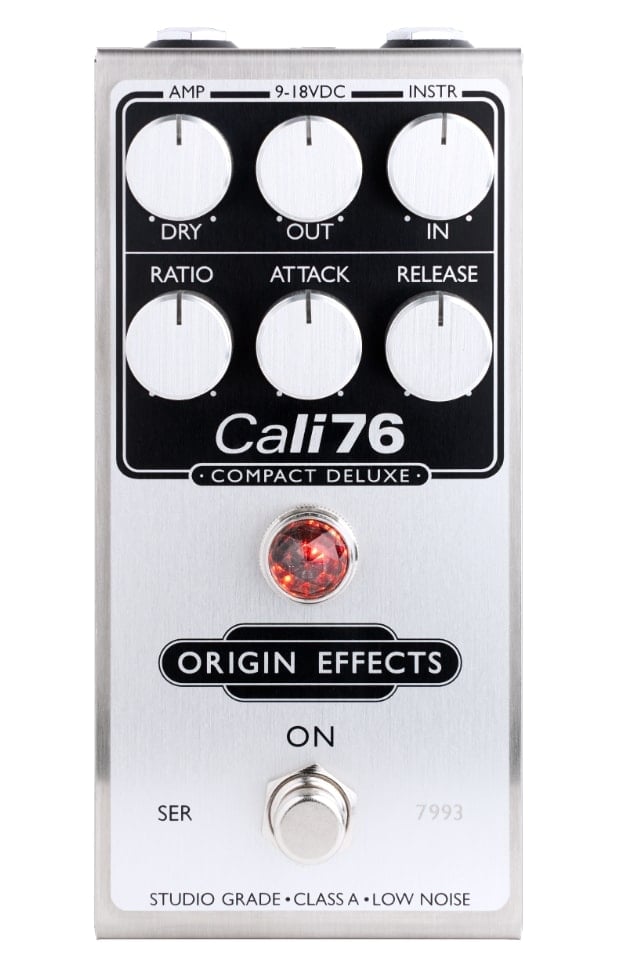
SPECS
| Manufacturer | Origin Effects |
| Model | Cali76 (Compact and standard versions) |
| Type | Studio-grade 1176-style FET compressor pedal |
| Usage | Dynamic control; used alongside Effectrode and Demeter compressors |
Overview
Featured on the effects roster for Luck and Strange, the Origin Effects Cali76 brings studio 1176-style FET compression to a stompbox format. It provides fast, punchy dynamic control that evens out picking attack while enhancing sustain on Stratocaster leads.
A Cali76 Compact was integrated into the lower tray of his 2024 tour rack, bringing his preferred studio compression setup directly to the stage. Situated early in the signal chain, it shapes initial dynamics prior to drive and boost stages.
Compact and large-enclosure variants share the same core circuit design.
DigiTech Whammy
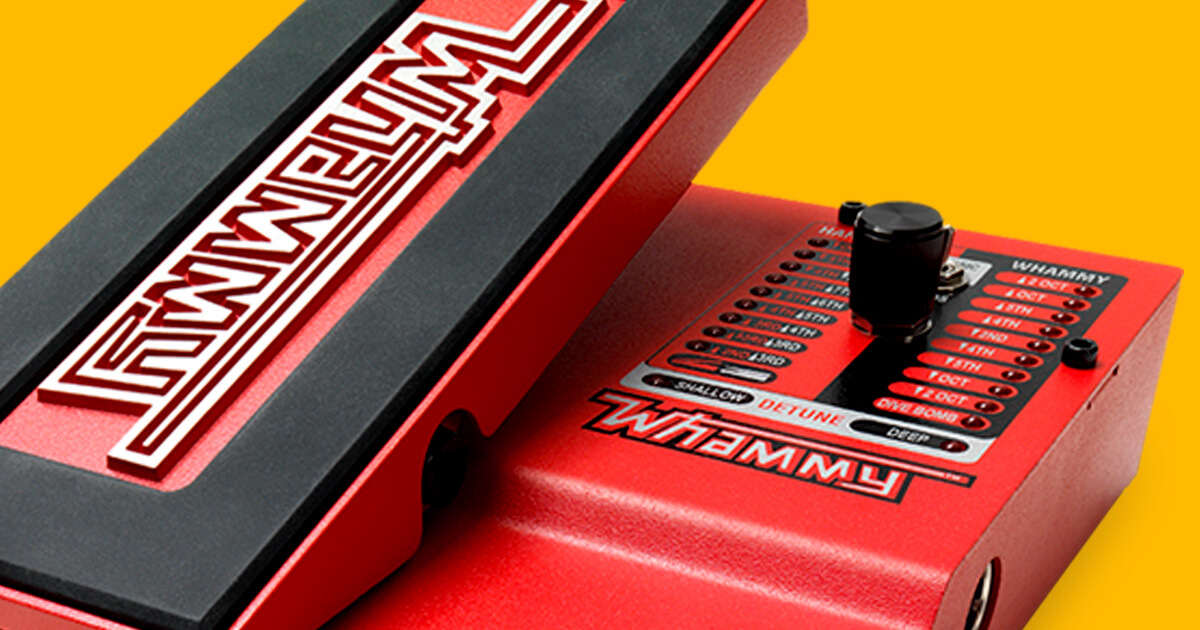
SPECS
| Manufacturer | DigiTech |
| Model | Whammy (Whammy 5 observed in recent rigs) |
| Category | Pitch shifter / Harmony pedal |
| Placement | Located on floor controller setup alongside Ernie Ball Volume pedal |
Overview
The DigiTech Whammy pitch-shifting pedal has become a staple of Gilmour's modern floor setup for solo tours. Unlike his vintage rack processors, it allows real-time foot control over pitch bends and dramatic octave shifts during solos, as showcased on tracks like "The Blue."
On the Luck and Strange tour, a Whammy pedal was positioned beside his Skrydstrup controller and volume pedal, giving him immediate foot control over expressive pitch shifts.
While gear photos indicate a Whammy 5, specific preset configurations vary by song.
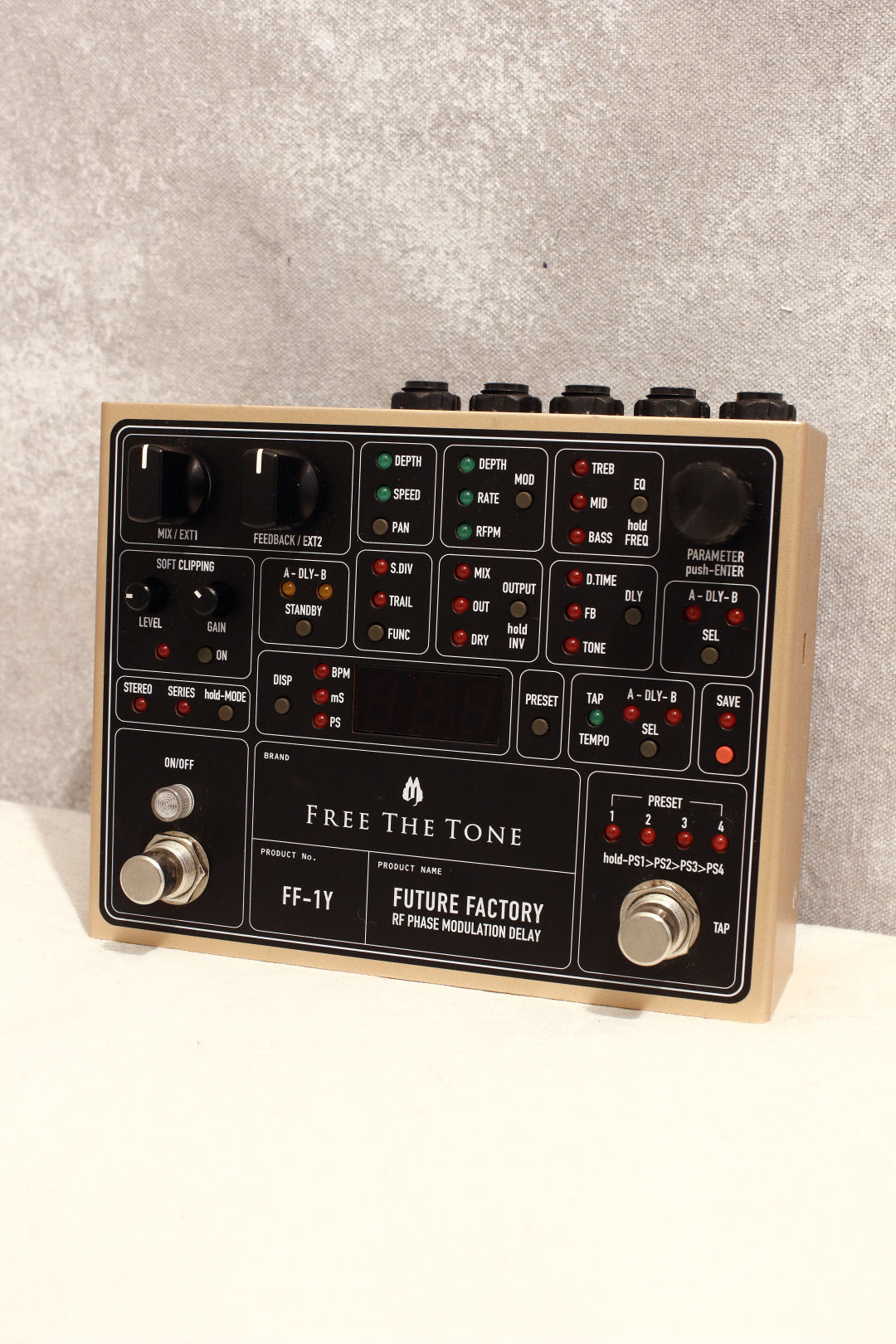
Free The Tone Future Factory FF-1Y (Studio) / Flight Time (Tour)
SPECS
| Manufacturer | Free The Tone |
| Studio Model | Future Factory FF-1Y (Phase Modulation Delay) |
| Tour Rig | Flight Time Digital Delay |
| Usage | Digital delay and modulation processing; used in tandem with Boonar/Echorec |
Overview
The Free The Tone Future Factory FF-1Y delay was used during studio sessions for Luck and Strange to add precise digital delay with phase modulation. On tour, a Free The Tone Flight Time digital delay handles live delay duties in his custom rack.
Where magnetic drum delays like the Echorec and Boonar provide warm, vintage echoes, Free The Tone processors deliver high-precision digital repeats with deep modulation control, allowing him to tailor delay characters to specific songs.
Note the different models utilized for recording sessions versus live tour racks.
David Gilmour|Accessories & Other Gear
GHS David Gilmour Signature Boomers

Overview
The official signature string set from GHS, packaged in Gilmour's custom gauges. The GB-DGF set for Stratocasters starts with a .010 high E but features customized gauge pairings (.010, .012, .016, .028, .038, .048) designed for effortless string bending on the high strings while maintaining low-end punch on the wound strings. A heavier set (GB-DGG, starting at .0105) is tailored for Les Paul scale lengths.
GHS notes that Gilmour began using Boomers in 1979 during the recording of The Wall. These signature gauges come stock on Fender Custom Shop David Gilmour Stratocasters and remain his preferred choice on tour.
As an accessible signature accessory, it represents the most direct way to get his exact string specs.
Herco Flex 75 (Dunlop)
Overview
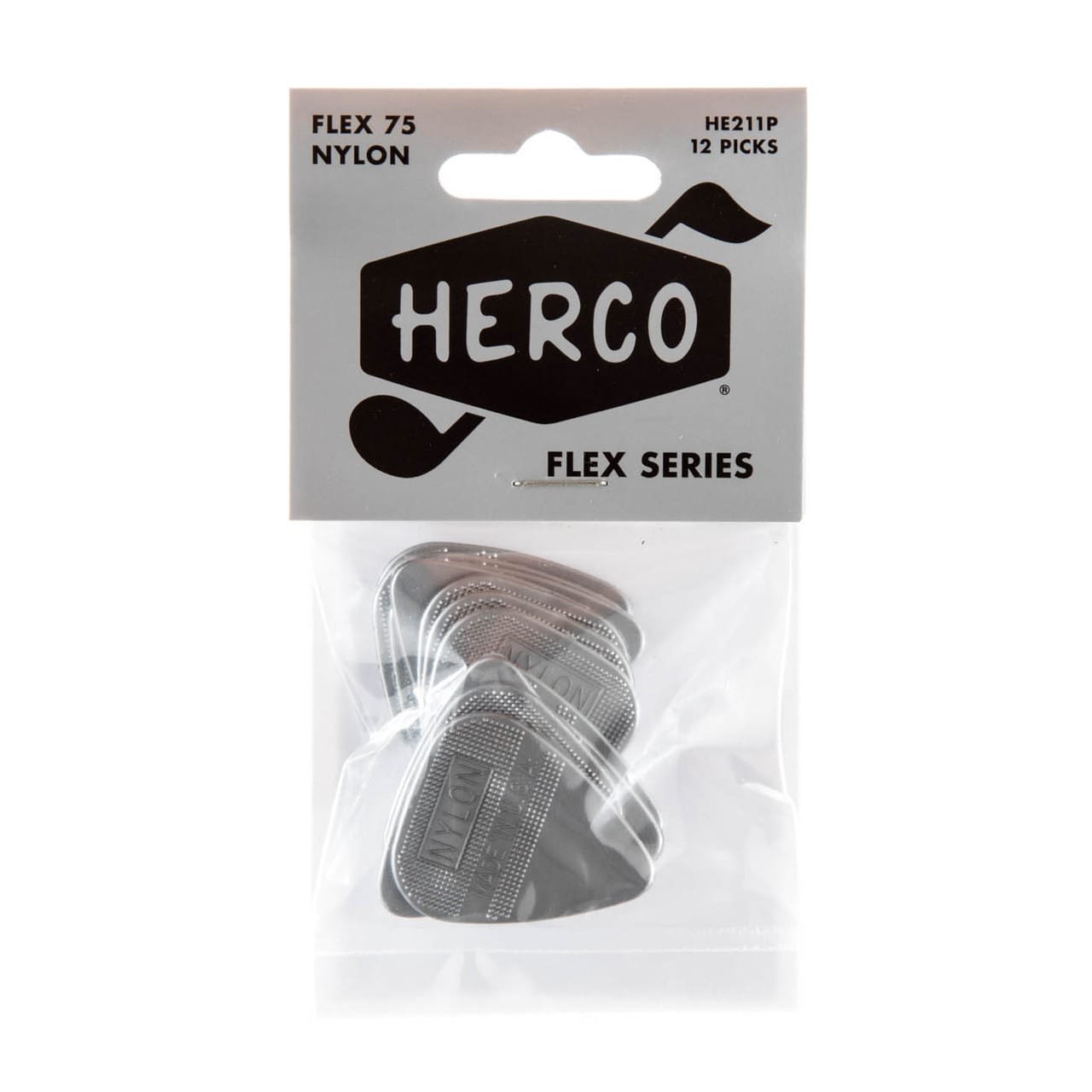
Nylon guitar picks manufactured by Herco (now a Dunlop brand) have been a longstanding favorite in Gilmour's live setup. The Flex 75 (.75mm gauge) offers an ideal balance of flexibility and attack, delivering a smooth response that prevents single notes or chords from sounding harsh on a Stratocaster. Reports indicate he also uses D’Andrea or Fender celluloid picks depending on the session.
Around 2015, Dunlop produced custom-stamped signature picks for his touring staff, though standard commercial Herco Flex 75 picks provide the exact same material and feel.
Standard commercial Herco Flex 75 picks offer the identical playing experience.
Seymour Duncan SSL-5
Overview
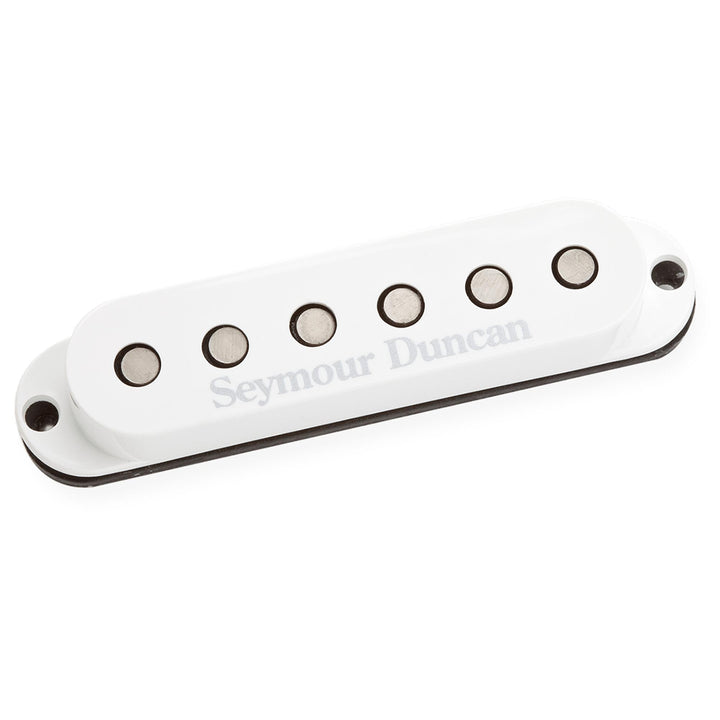
In late 1979, Gilmour's tech Phil Taylor installed a custom Seymour Duncan single-coil pickup (designated SSL-1C) into the bridge position of the Black Strat. That custom pickup was later released commercially as the Seymour Duncan SSL-5. It features overwound coils for higher output and a punchier midrange, designed to drive vintage tube amps into smooth breakup without sounding thin. Fender Custom Shop Gilmour Stratocasters also feature this pickup in the bridge position.
Distinct from the Custom Shop neck and middle pickups, it provides punch and presence for soloing in the bridge position.
Note: The SSL-6 and Stack versions feature different designs.
Evidence Audio Cables
Overview
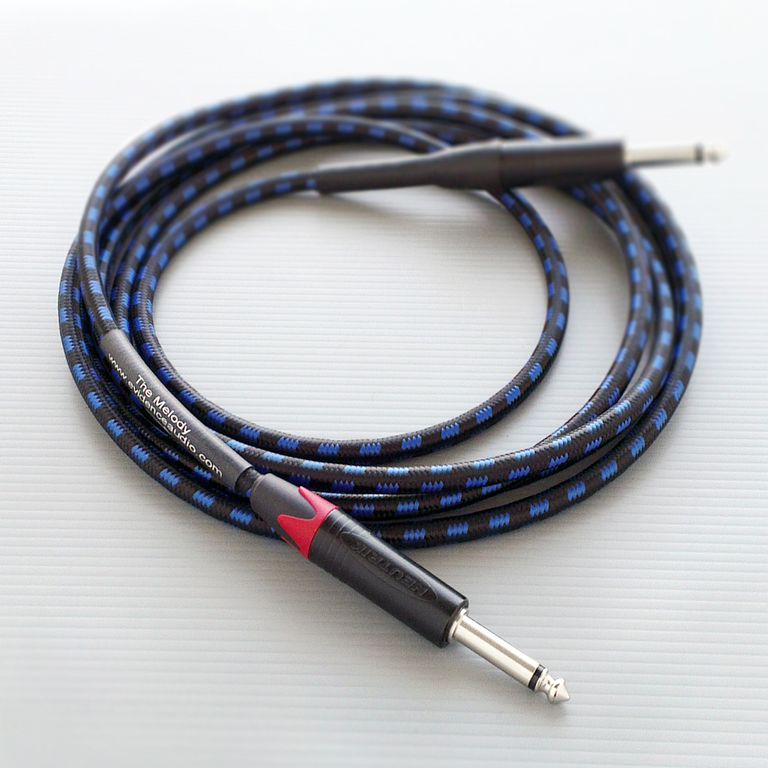
In complex, multi-amp rigs with extensive pedal routing, high-quality cabling is essential for signal integrity. Documentation from On an Island and subsequent tours notes the use of Evidence Audio Melody cables for stage guitars, Lyric HG for pedalboard patch runs, and Siren speaker cables between amp heads and cabinets.
Evidence Audio instrument cables were also included with commercial Fender Custom Shop Gilmour Stratocasters. They provide maximum signal clarity and noise rejection across long cable runs.
As model designations evolve over time, they are categorized under the overall brand range.
Pete Cornish Custom Switching & Line Selectors
Overview
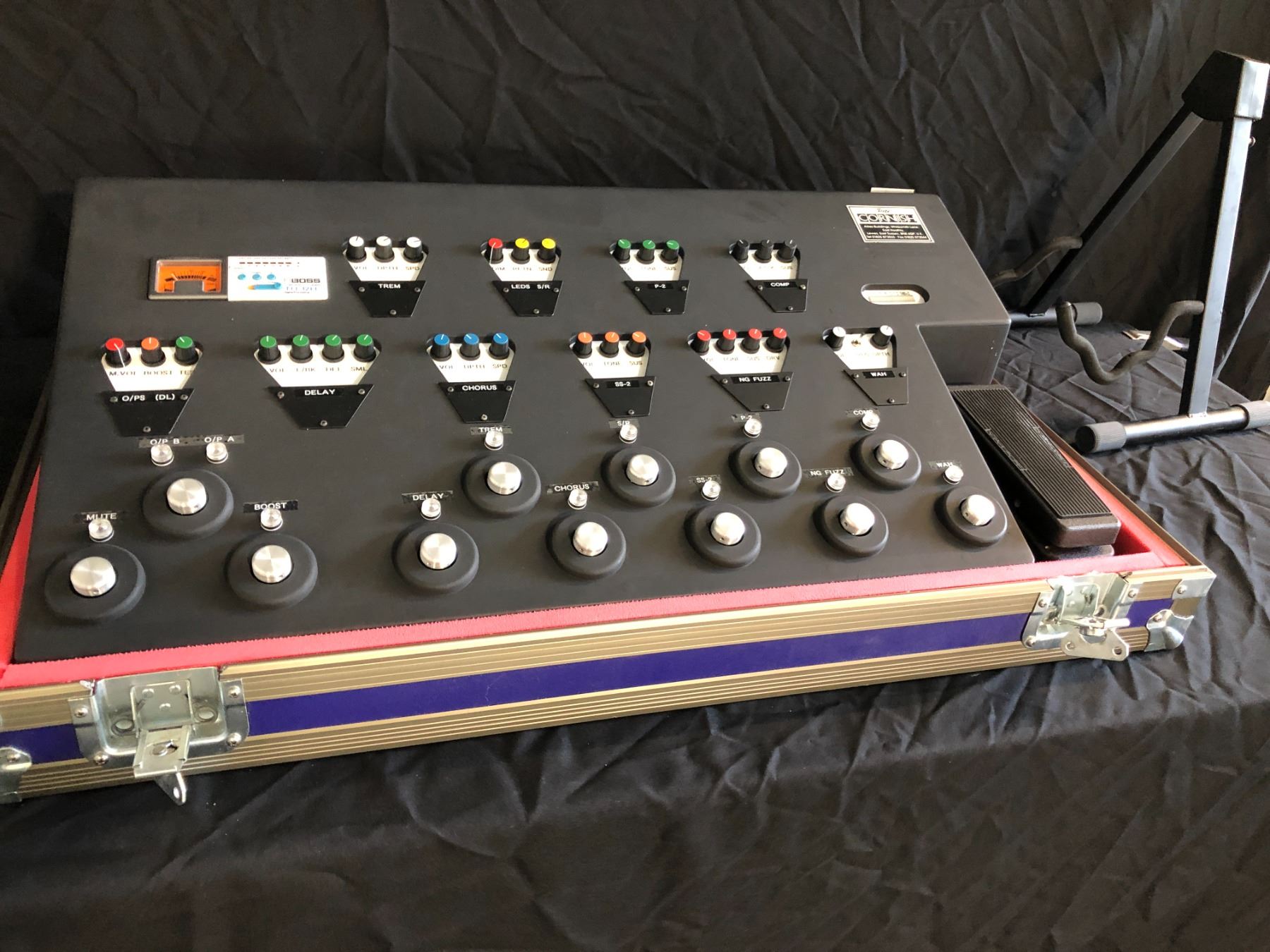
Legendary builder Pete Cornish has designed the master signal architecture behind David Gilmour's pedalboards and switching systems for decades. For Gilmour's custom all-tube solo systems, Cornish built high-headroom tube preamps and line drivers into the input stages to preserve tone and signal level over long cable runs. Floating isolated outputs allow multiple Hiwatt and Fender amps to be driven simultaneously without ground loop hum.
On recent tours, custom Pete Cornish line selectors handle guitar switching between main Stratocasters and lap steel/slide instruments at his feet. Operating alongside Skrydstrup MIDI controllers, they protect and manage signal routing.
These represent custom engineering work rather than mass-produced retail pedals.
Ernie Ball Volume Pedal
Overview
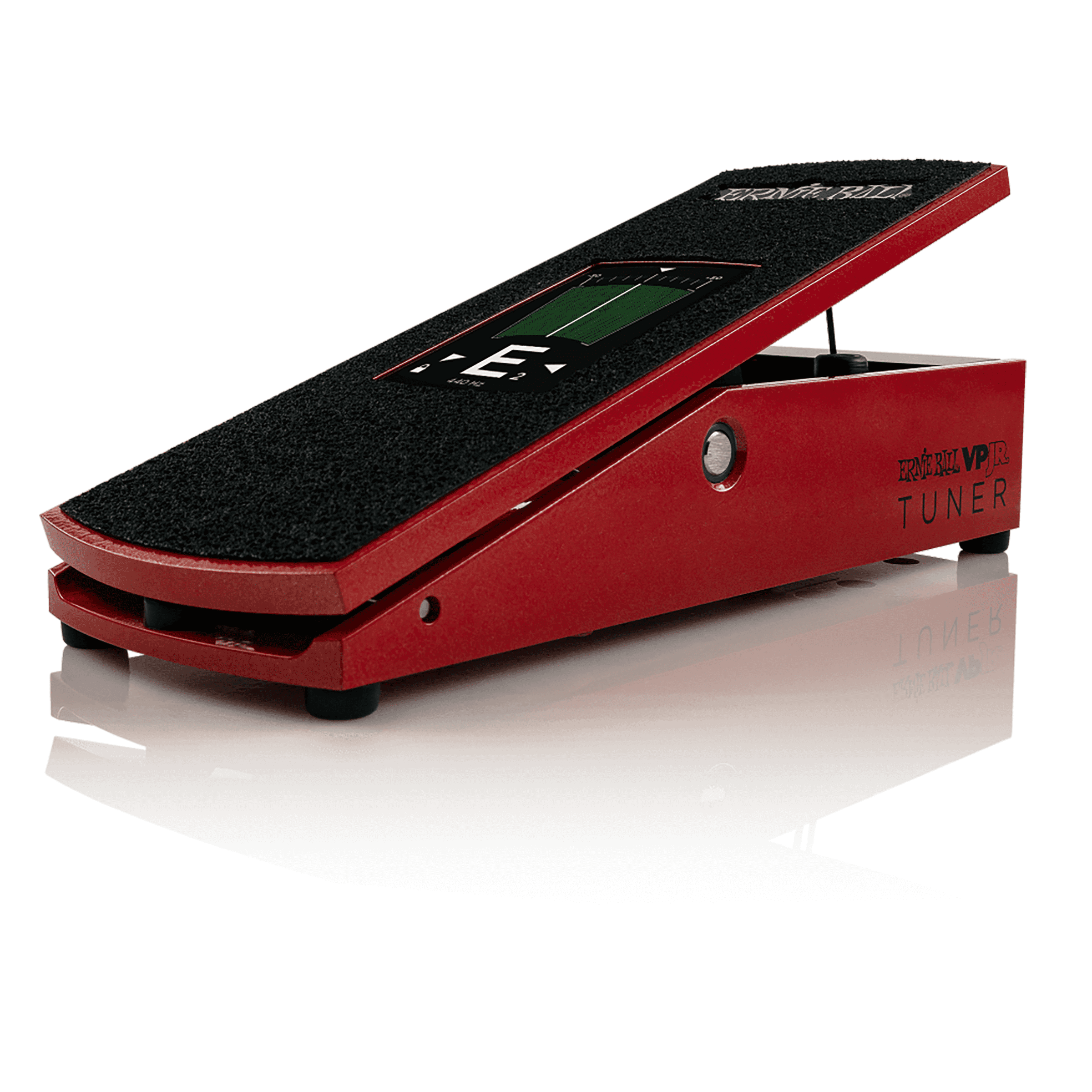
An Ernie Ball volume pedal is a permanent fixture on Gilmour's floor setup for real-time control over volume swells and dynamics. Placed alongside his Whammy pedal and MIDI controllers, it allows him to manually blend volume levels, tame high-gain pedal output, or create dramatic ambient swells into his delay chain.
On photos from Rattle That Lock through to Luck and Strange, it sits prominently beside his floor controllers as a core performance utility.
It provides specialized foot control over volume swells and swells into delay effects.
Phil Taylor — The Black Strat (Book)
Overview
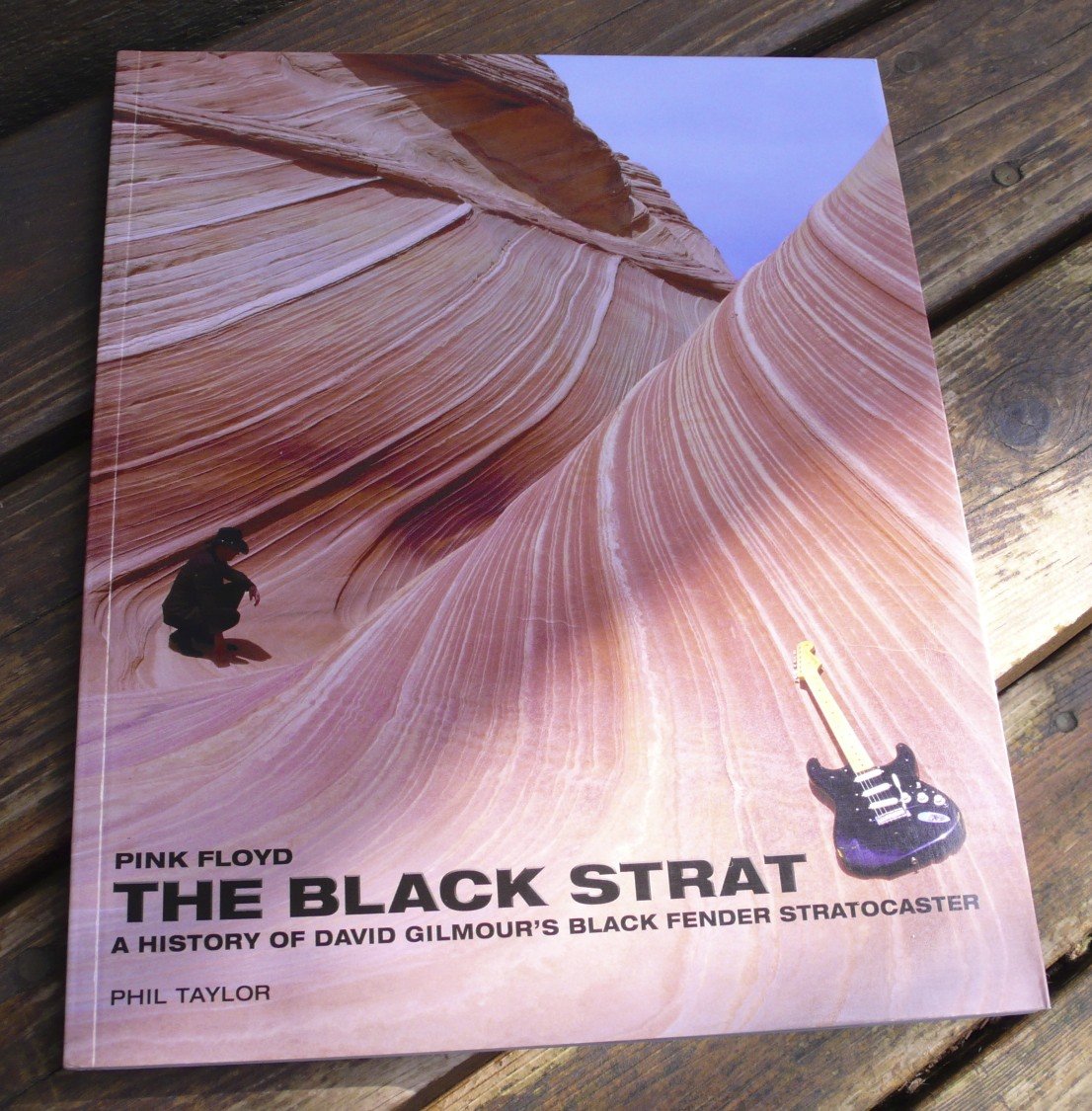
Authored by Gilmour's long-serving guitar technician Phil Taylor, The Black Strat provides a detailed chronological record of every modification, neck change, pickup swap, and performance history of the famous instrument.
Included with original releases of the Fender Custom Shop signature Stratocaster, the book serves as the definitive primary source on the guitar's evolution throughout Pink Floyd's history and Gilmour's solo career.
Featured as an essential reference resource for understanding his guitar history.