
日本語English
[X JAPAN] hide's Gear Setup: Amps, Guitars & Effects Pedals
XTONES is a participant in affiliate programs including Amazon Associates and Reverb. We may earn a commission from qualifying purchases made through links on this page, at no extra cost to you.
Contents (31)
"Player's RIG" highlights the gear relied on by prominent guitarists in Japan and around the world.
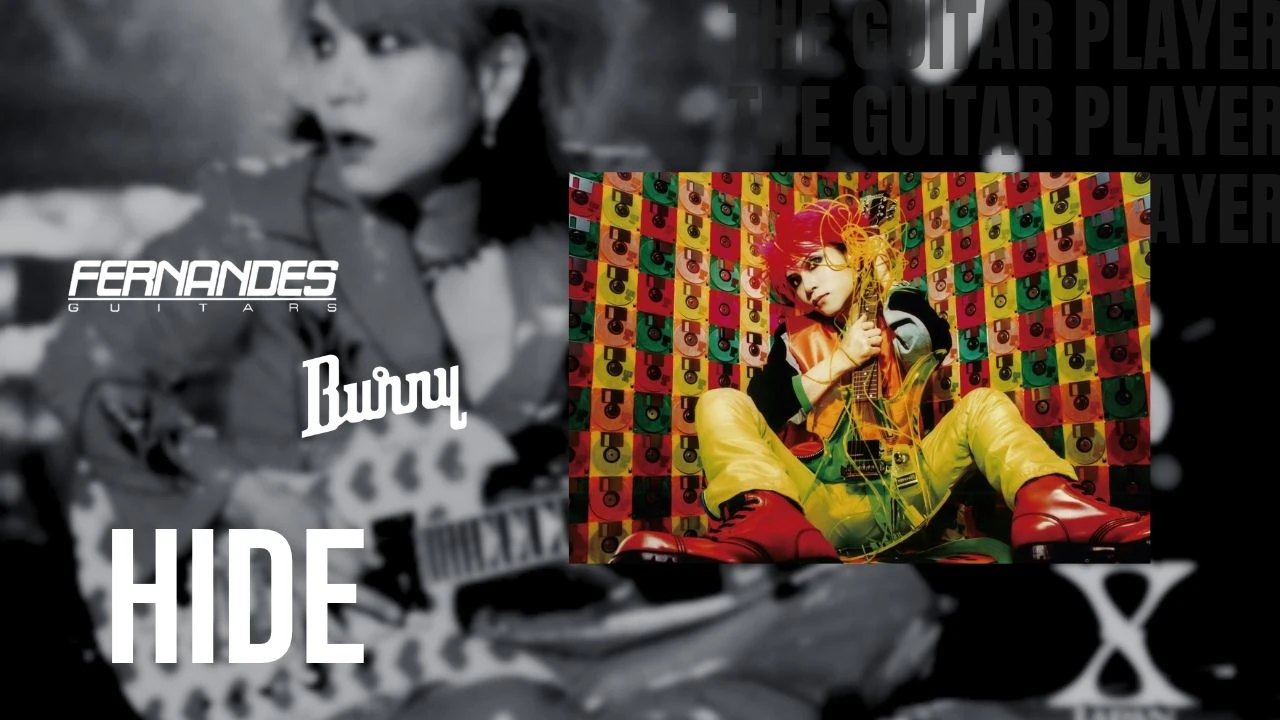
hide left an unforgettable mark on Japanese rock as the guitarist for X JAPAN and the face of hide with Spread Beaver. His signature Mockingbird MG guitars and a dual-signal rack setup splitting drive and clean channels formed the backbone of his iconic sound.
hide
Before the iconic Yellow Heart guitar came the hand-painted face model. Rather than relying on a single amp head, he used a rack system to switch between two distinct signal paths.
Here is a complete overview of the guitars, tube amps, pedals, and rack gear used by hide.
hide|Profile
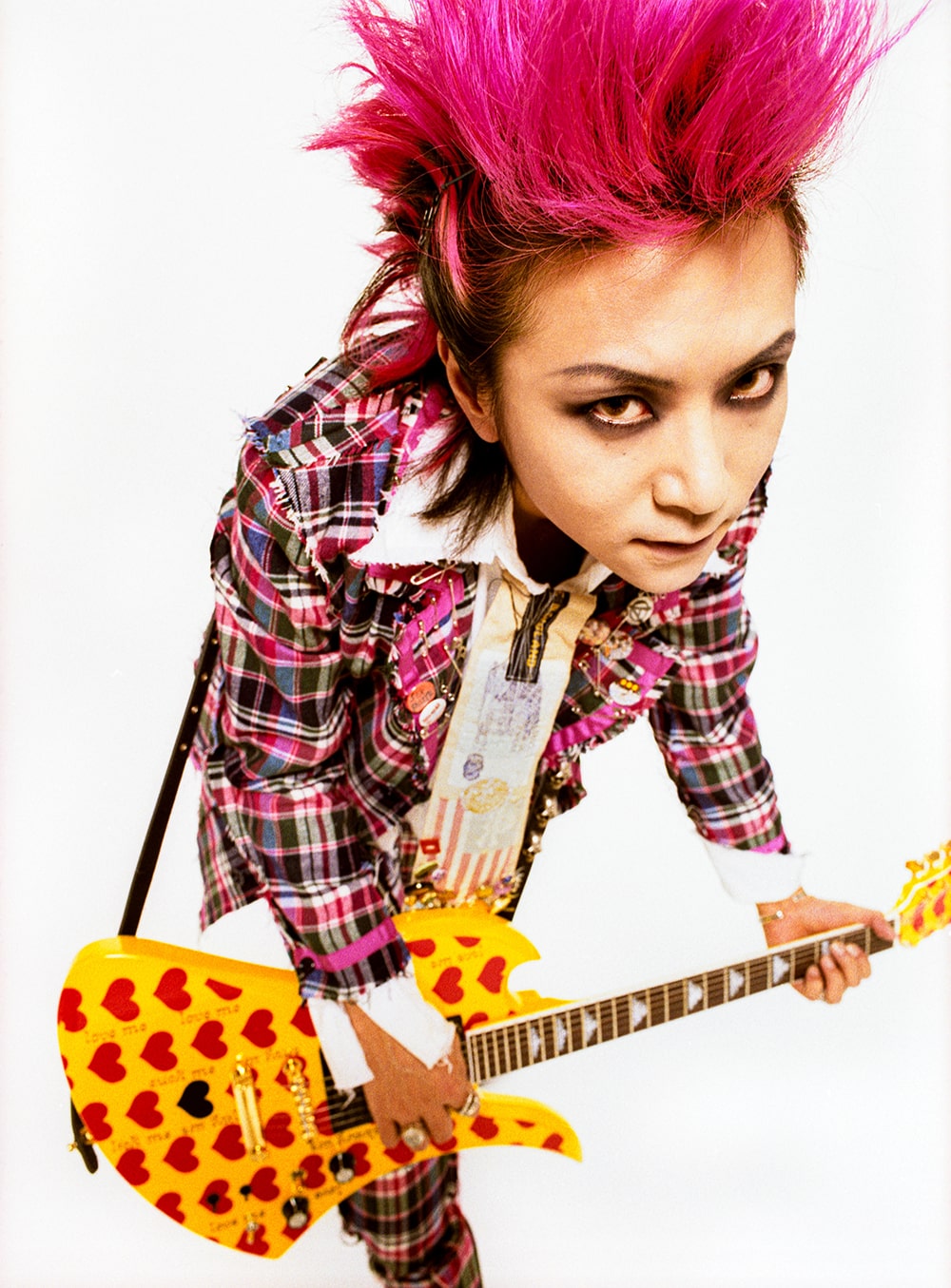
hide (born Hideto Matsumoto on December 13, 1964, in Yokosuka, Kanagawa) was a legendary guitarist, singer, and songwriter. As lead guitarist for X (later X JAPAN), he expanded the boundaries of Japanese hard rock through striking visual flair and unforgettable riffs. Active simultaneously with hide with Spread Beaver and zilch, his solo work showcased his talents as both a frontman and producer. THE LAST LIVE in 1997 represented the pinnacle of X JAPAN while capturing his late-era rack setup at its peak.
The core of his guitar collection was the Fernandes/Burny MG (Mockingbird) series. From the hand-painted "Paint" model to the Les Paul-inspired laminate-body Cherry Sunburst, and finally his late-period symbol, the "Yellow Heart," his philosophy centered on pairing distinct visual aesthetics and tuning configurations to specific songs. Other variants like "Science" and "Snow White" became iconic through tracks like "SCARS" and events like the "Shiroi Yoru" (White Night) concerts. Custom specs designed for hide—such as the Sustainer system and string-through-body routing—were also brought to his commercial signature models.
His amplification evolved from early Marshall stacks to ENGL rigs during the *Jealousy* era, eventually maturing into a sophisticated late-era rack system centered on a Tech 21 SansAmp PSA-1 for drive tones and a DigiTech GSP-2101 for clean tones around THE LAST LIVE, feeding into VHT power amps and Hiwatt or ENGL Savage heads. On his pedalboard, long-standing staples included the BOSS OD-1, DigiTech Whammy, Guyatone Flanger, and VOX Wah. Beneath the striking visual image of his guitars, a dual-routing signal chain and rich modulation provided the backbone of his tone.
hide|Play & Music
Pink Spider (Single Version / 2026 Remaster)
The 2026 remaster of "Pink Spider." Fans still comment on how prescient his lyrics were about internet culture nearly 30 years ago, calling it a timeless masterpiece. The pink clouds and infectious riff instantly bring back the image of hide's solo era. If you want to experience the sparkle of his guitars alongside the bite of his vocals, this is the perfect starting point. The remaster retains all of its aggressive core, making it an essential track for both newcomers and longtime listeners.
hide - Beauty & Stupid
"Beauty & Stupid." Fans often cite hide describing it as a playfully cheeky, sultry track, marveling at how its aesthetic still feels completely modern today. With fans worldwide listening since 1996, it remains effortlessly cool across eras. It is also an excellent video to watch his use of the Whammy pedal and soaring drive sounds in action, capturing the crossover between his MG guitar visuals and his cheeky solo persona.
hide with Spread Beaver - ROCKET DIVE
"ROCKET DIVE." Hailed across generations as a signature solo track that defined his sound, fans often note that it feels just as fresh today. Many share how it inspired them to pursue creative paths or how new listeners keep discovering it. "Adios to yesterday when you just waited around"—that iconic line encapsulates hide's relentless momentum. If you want to feel the raw energy of the Spread Beaver era through both guitar and vocals, this track is an absolute must-hear. Whether live or in the studio, that driving spirit hits your ears first.
hide|Gear [Guitars]
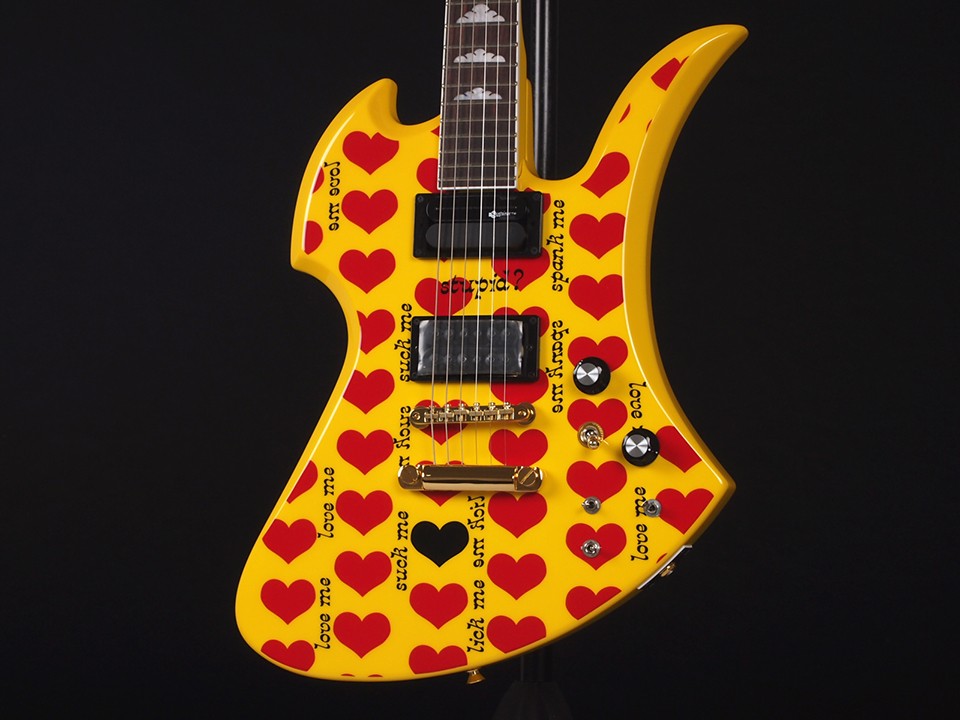
Burny MG-X “Yellow Heart”(+市販 MG-145S/165S HY)
SPECS
| Brand | Burny (Fernandes) |
| Model | MG-X “Yellow Heart” (personal unit) / Production MG-145S HY, MG-165S HY, etc. |
| Body Shape | Mockingbird (MG) |
| Neck | V-shape (late spec), approx. 628mm scale |
| Features | Yellow body with red heart graphics, FERNANDES Sustainer |
| Pickups (Production) | CD-100F + dummy cover / VH-401 |
| Primary Use | Main late-era guitar, primarily half-step down tuning |
| First Appearance | 1996 Tokyo Dome (DAHLIA TOUR FINAL era) |
Description
Introduced at Tokyo Dome in 1996, the Burny MG-X "Yellow Heart" became the defining guitar of hide's later years. True to his famous philosophy of "playing filthy riffs on a cute guitar," it features a yellow body covered in red hearts and a V-shaped neck for a solid grip. Used as his main instrument for half-step-down songs like "Kurenai" and "DAHLIA," its thick finish is often noted for giving it punchy low-end resonance.
The pickups were based on a Fernandes Sustainer in the neck and a VH-401 in the bridge, with later reports suggesting a retrofitted DiMarzio Super Distortion in the bridge. Commercial models like the MG-145S HY and MG-165S HY brought this distinctive aesthetic to production lines, complete with the Sustainer system and yellow heart graphics.
Field reports mention that when a newly built prototype failed right before THE LAST LIVE, the Yellow Heart—originally a backup—was pressed back into service as his primary guitar for the show. Both visually and functionally, it remains the definitive face of late-era hide.
FERNANDES MG-X “Paint”(+50th MG-480X 等)
SPECS
| Brand | FERNANDES |
| Model | MG-X “Paint” (personal unit) / 50th Anniversary MG-480X, etc. |
| Body Shape | Mockingbird (MG) |
| Body Wood (Original) | Monkeypod (Maple neck) |
| Pickups (Reported) | Neck: DiMarzio-style / Bridge: EMG-81 |
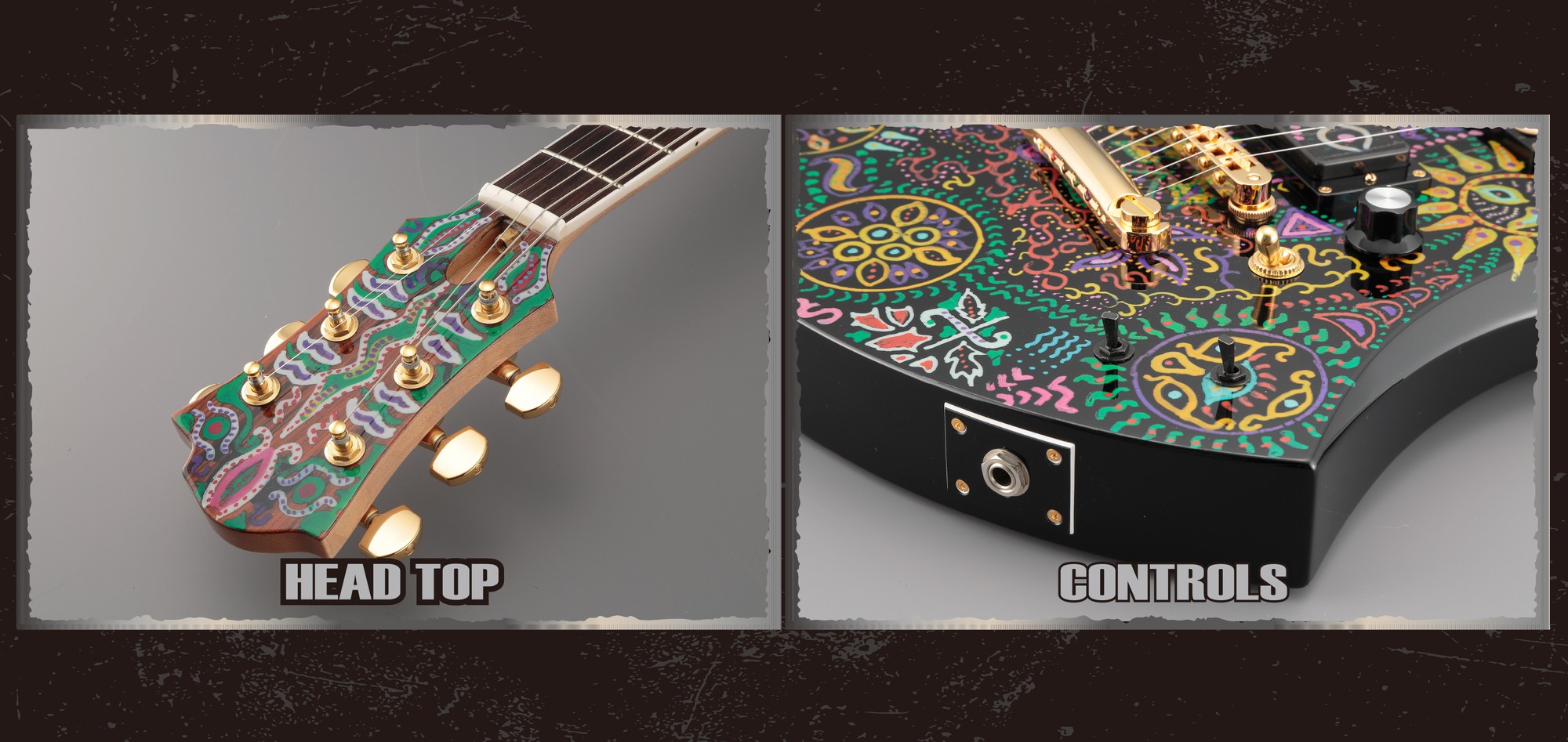
| Finish | Black base with hand-painted Posca art by hide |
| Notes | String-through body routing for strings 4–6 |
| Primary Use | Main guitar from ~1991 through mid-era |
Description
Featuring hand-painted "face" graphics drawn by hide using Posca markers on a black body, the FERNANDES MG-X "Paint" is the iconic visual centerpiece of his early to mid-period career. The monkeypod body provided thick mid-range bite, while string-through body routing on the 4th to 6th strings added extra string tension. Often reported with a DiMarzio-style neck pickup and an EMG-81 bridge pickup, this guitar defined both hide's sonic tone and visual contour.
To commemorate his 50th birthday anniversary, Fernandes released the limited-production MG-480X, meticulously recreating its specs and artwork. While production prints differ from hide's original hand-painted instrument, it serves as the benchmark for the "Paint" model in collector circles.
Though hide owned other painted MGs like the Army Tiger and Amoeba, the Paint model remains his most referenced guitar from the major-label era. Alongside the late-era Yellow Heart, it stands as a cornerstone of his guitar lineup.
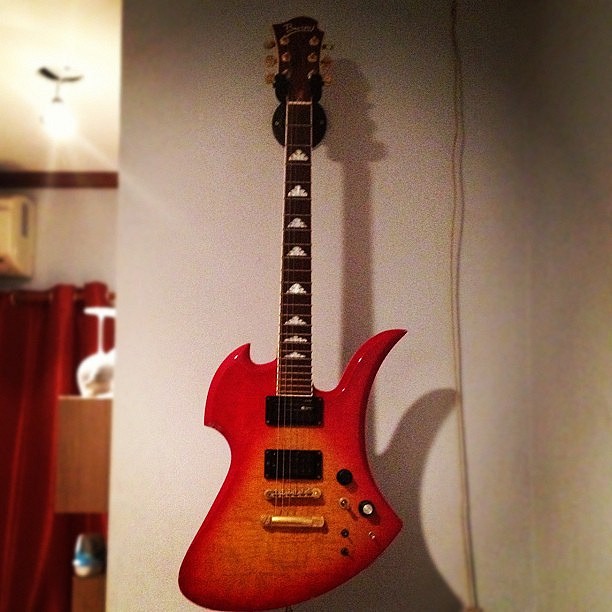
Burny MG-X “Cherry Sunburst”
SPECS
| Brand | Burny (Fernandes) |
| Model | MG-X “Cherry Sunburst” |
| Construction | Maple top / Mahogany back, neck-through |
| Body Thickness (Reported) | Approx. 42–45mm (varies by unit) |
| Pickups | Fernandes VH-401 + Sustainer |
| Neck | Reported U-shape early / V-shape later |
| Finish | Cherry Sunburst |
| Significance | Mid-era design turning point, benchmark for subsequent MGs |
Description
The Cherry Sunburst was designed to translate the feel of hide's personal 1959 Gibson Les Paul into the neck-through format of the MG series. Incorporating a classic maple top and mahogany back laminate while anchoring a neck-through construction from the rear, it set the structural blueprint for subsequent models like the Lemon Drop and Yellow Heart.
It was equipped with Fernandes VH-401 pickups developed for hide alongside the Sustainer system. Early examples featured a 42mm body thickness with a U-shaped neck grip, while backup models and later iterations shifted toward 45mm bodies and V-shaped profiles. A refinished white version of this series was famously used during the "Shiroi Yoru" (White Night) concerts.
This guitar marked a pivotal shift from the monkeypod body of the Paint era toward a heavier, Les Paul-like mid-range weight. Though traditional in appearance, it is a crucial design milestone in hide's MG lineage.
Burny MG-X “Science”
SPECS
| Brand | Burny (Fernandes) |
| Model | MG-X “Science” (MG-PS series) |
| Body Shape | Mockingbird (MG) late spec |
| Graphic | PSYENCE album artwork motif |
| Primary Use | Drop D tuning ("SCARS", etc.), solo-era visual mainstay |
| Features | Late-era MG specification (same generation as Yellow Heart) |
| Pickups / Sustainer | Standard late MG specs (varies by unit) |
Description
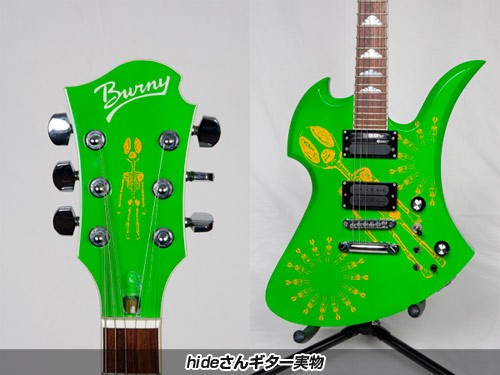
The "Science" model translated the robotic alien graphic from the inner sleeve of his solo album *PSYENCE* directly onto the MG body. Built in the same generation as the Yellow Heart, it was notably used in X JAPAN for Drop-D tuned songs like "SCARS." Its sci-fi artwork offered a striking visual alternative to the heart graphics on stage.
Underneath the artwork, its construction followed late-era MG specifications (laminated body, Sustainer system, VH-series pickups), serving a clear role for specific song tunings and visual themes. While the Yellow Heart handled half-step-down tuning, the Science model served as the face for Drop D.
Though commercial signature variants exist under the Science name, hide's personal instrument artwork differs from mass-production prints. It stands as a key instrument linking his *PSYENCE* solo work with X JAPAN tracks like "SCARS."
Burny MG-X “Snow White”
SPECS
| Brand | Burny (Fernandes) |
| Model | MG-X “Snow White” |
| Origin | White finish variant based on Cherry Sunburst series |
| Notable Use | 1994 Tokyo Dome "Shiroi Yoru" (White Night) |
| Construction | Late MG spec (laminated body + Sustainer) |
| Role | Visually specialized stage guitar |
Description
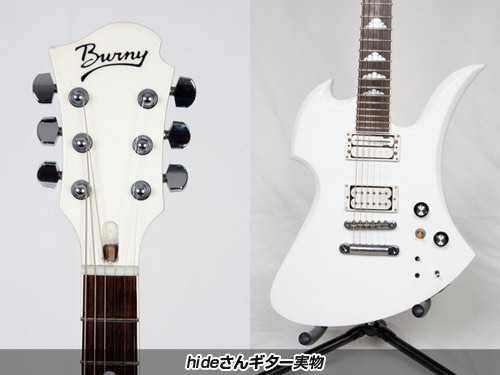
The Snow White made a lasting impression at the late 1994 Tokyo Dome "Shiroi Yoru" (White Night) concerts. Based on the Cherry Sunburst design but finished in solid white, under stage lights only the iconic MG silhouette floated against the backdrop—a quintessential example of hide's visual aesthetics. Sonically, it inherited mid-era MG laminate construction and the Sustainer system, functioning as a specialized stage guitar designed to make a dramatic visual statement.
While it didn't enjoy as long a tenure as the main Paint or Yellow Heart guitars, its association with "Shiroi Yoru" makes it an iconic memory for X JAPAN fans. It was likely brought in as a backup and switched depending on songs and stage costuming.
Though less frequently reproduced than the heart or Posca designs, a pure white MG encapsulates hide's live aesthetic philosophy and remains an essential piece of his visual legacy.
hide|Gear [Amps]
Tech 21 SansAmp PSA-1
SPECS
| Brand | Tech 21 |
| Model | SansAmp PSA-1 (Rack) |
| Type | Hybrid tube/solid-state amp simulator / preamp |
| Primary Use | Main drive source for THE LAST LIVE, solo studio direct recording |
| Connected Gear | Palmer PDI-05, VHT Classic, Mackie CR-1604, etc. |
| Format | 19-inch rack unit |
Description
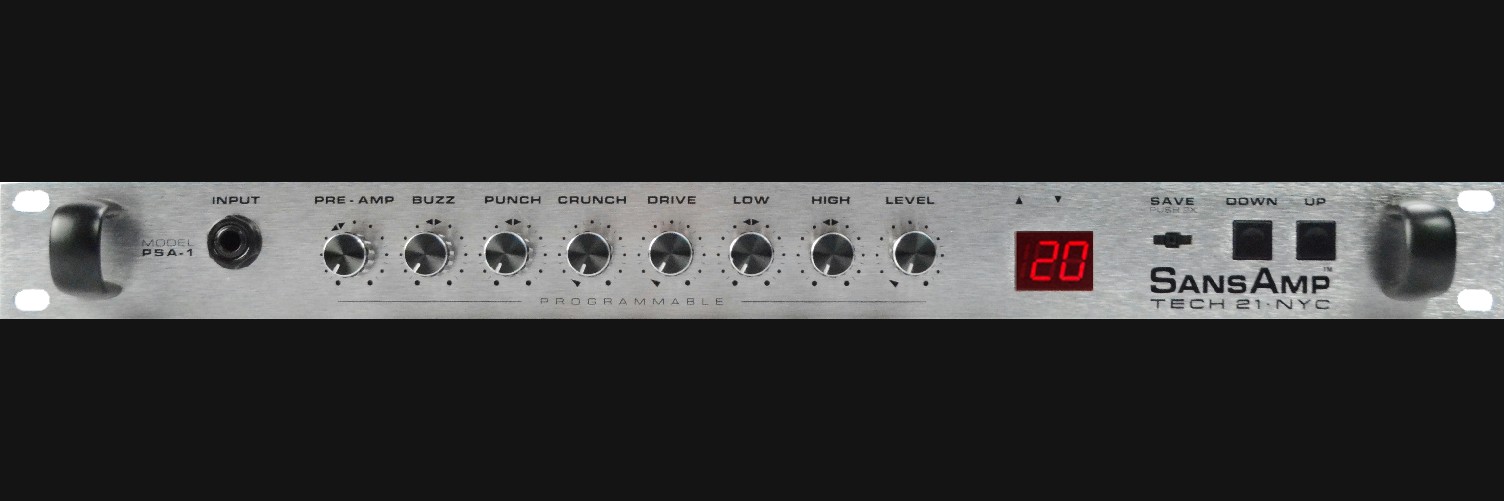
The Tech 21 SansAmp PSA-1 served as the core of hide's drive tone in his rack system at X JAPAN's *THE LAST LIVE* (December 31, 1997, at Tokyo Dome). Rather than relying solely on tube amp head distortion, hide crafted his gain structure using preamps and simulators before routing signal to power amps and direct lines—a cornerstone of his late-era tone philosophy. It was also a studio staple for direct-line guitar recording alongside Palmer speaker simulators.
The red-paneled rack unit allowed him to switch seamlessly between extreme high-gain presets with pinned controls and mid-scooped, articulate drive tones. While the BOSS OD-1 on his pedalboard acted as a boost pedal, the PSA-1 was the primary drive source in the rack.
In his late-era live setup, it worked alongside a DigiTech GSP-2101 handling clean tones, with both signals routed through a Mackie mixer. It remains one of the first pieces of gear mentioned when discussing hide's late-period guitar sound.
DigiTech GSP-2101
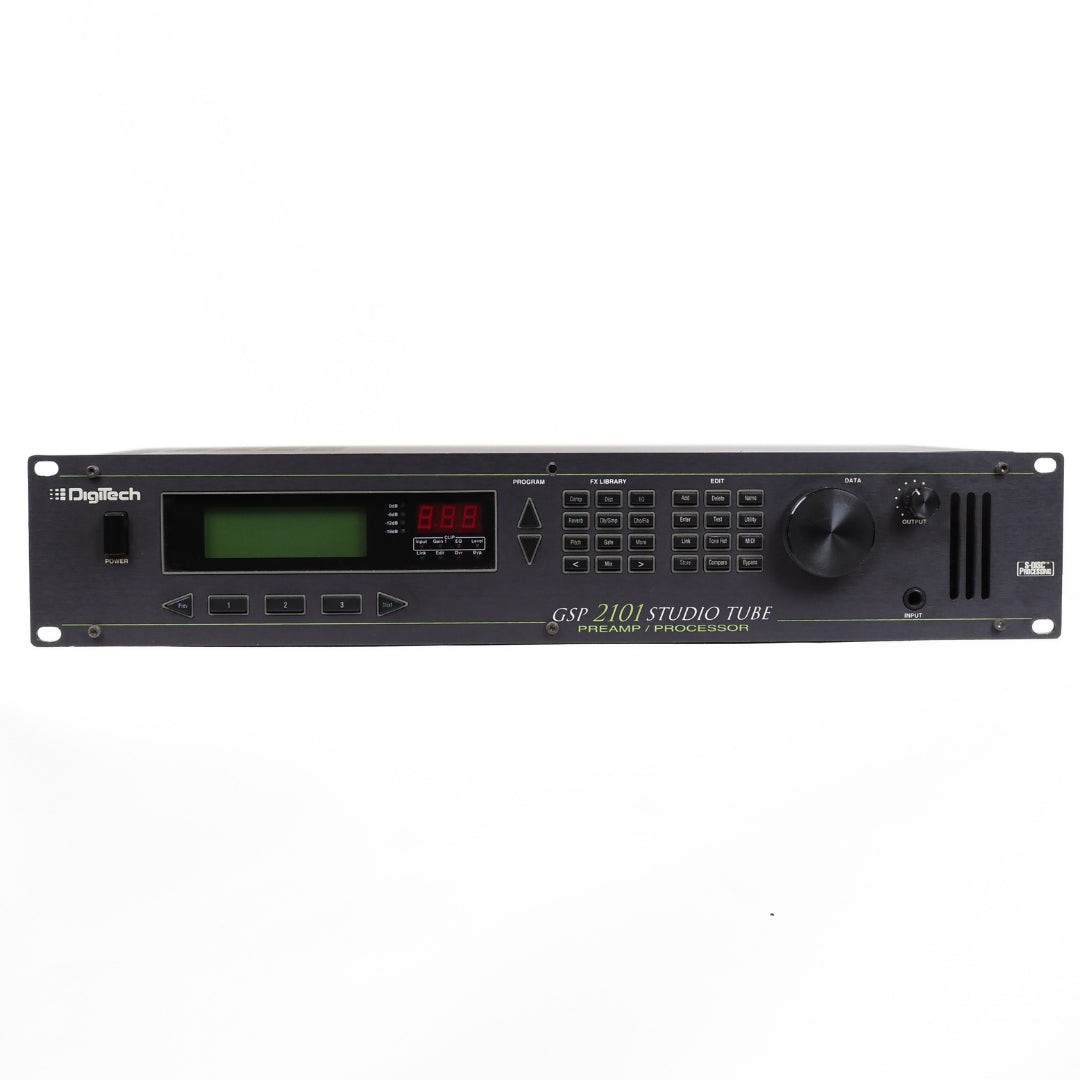
SPECS
| Brand | DigiTech |
| Model | GSP-2101 Studio Tube Preamp/Processor |
| Type | Tube preamp + multi-effects unit (Rack) |
| Primary Use | Main clean tone source for THE LAST LIVE |
| Notes | Photographed in a limited-edition red chassis |
| Connected Gear | Mackie CR-1604, Hiwatt / VHT power sections |
Description
The DigiTech GSP-2101 handled hide's clean tones around the era of THE LAST LIVE. Combining a tube preamp section with digital multi-effects in a single rack unit, it provided lush, shimmering clean tones for arpeggios and ballads via a dedicated signal path separate from his drive setup. Photographed in a rare red chassis, it is easily identifiable in photos of hide's rack rig.
Its outputs fed into a Mackie mixer to blend time-based effects before splitting to power amps and the front-of-house PA. This created a clear separation of labor: the PSA-1 handled drive, while the GSP-2101 shaped immaculate clean tones and ambient textures.
While studio records show he later introduced a GSP-2112, the 2101 remains his definitive live unit, responsible for supporting the sparkling clean tones of late-era hide.
VHT 2150/Classic (Power Amp)
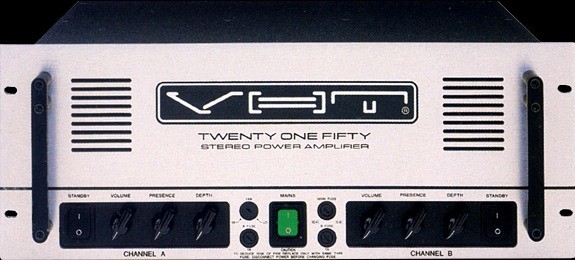
SPECS
| Brand | VHT |
| Model | Classic (Power Amp) |
| Type | Guitar stereo power amplifier |
| Primary Use | Power section for THE LAST LIVE |
| Preceding Gear | SansAmp PSA-1 / Palmer, etc. |
| Cabinets | Paired with Hiwatt / Marshall 4×12 cabs |
Description
The VHT Classic (and 2150 series) is widely cited as the power amplification section for hide's late-era setup, including THE LAST LIVE. Positioned downstream of the PSA-1 and speaker simulators, this rack-mount tube power amp drove the physical speaker cabs on stage, delivering massive volume and tactile response. It represents the final stage of his late rack design: shaping tone in the preamp, then pushing air with high-headroom tube power.
Reports indicate it was used alongside or switched with heads like the ENGL Savage and Hiwatt, giving him distinct output paths depending on the song. It drove Hiwatt and Marshall 4×12 cabinets to move air on stage.
Though distinct from modern VHT/Fryette offerings, the "Classic" power amp remains a symbolic component powering hide's final live performances.
Hiwatt Custom 100
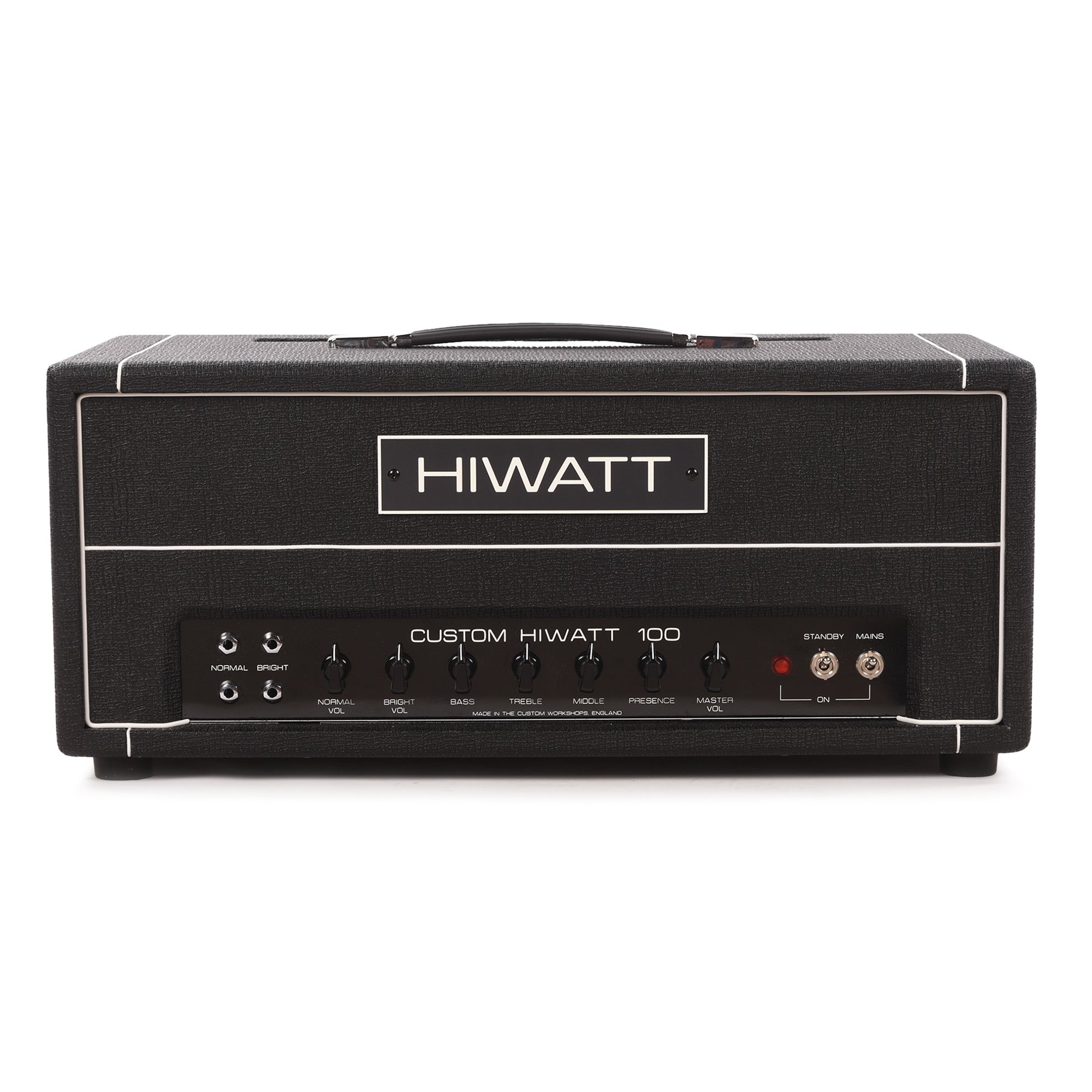
SPECS
| Brand | Hiwatt |
| Model | Custom 100 (DR103 series) |
| Type | 100W guitar amp head |
| Primary Use | Late-era clean/head amp, used around THE LAST LIVE |
| Cabinets | Paired with Hiwatt 4×12 cabs |
| Role | Clean channel output isolated from drive paths |
Description
The Hiwatt Custom 100 served as hide's clean, British-style amp head during his late era. Offloading high-gain duties to ENGL and SansAmp units, hide used the Hiwatt's pristine clean headroom to carry sparkling arpeggios and crystalline chords—a core pillar of his dual-signal philosophy from the *DAHLIA* era through THE LAST LIVE.
Paired with matching Hiwatt 4×12 cabinets, it maintained a setup dating back to the *Jealousy* recording sessions where "Hiwatt = clear clean tone and cab projection." The 100W head anchored his stage sound while integrating seamlessly with rack-based modulation and delays.
Unlike Marshall-style crunch, its tight response and high headroom underpinned hide's ballad playing. Positioned alongside the Savage and PSA-1, it highlights his meticulous late-era signal routing.
ENGL Savage 100/120
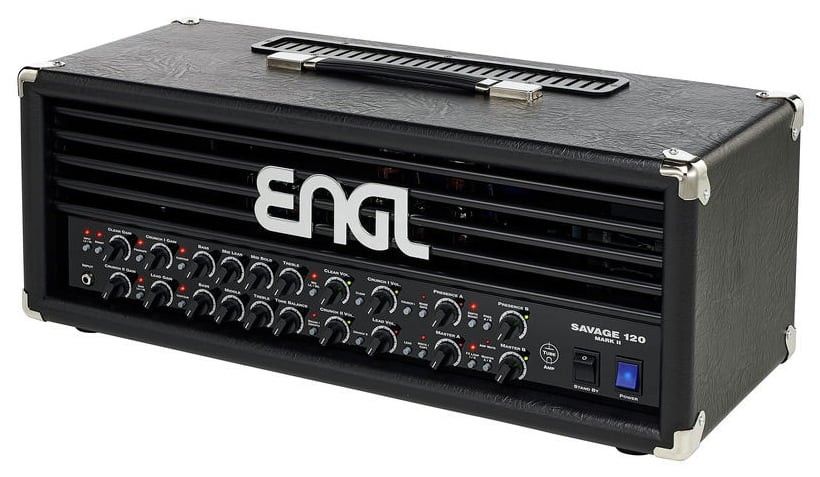
SPECS
| Brand | ENGL |
| Model | Savage 100 / 120 (varies by source) |
| Type | High-gain tube amp head |
| Primary Use | Late-era live rig (DAHLIA to THE LAST LIVE era) |
| Connected Gear | VHT / Marshall cabs, etc. |
| Notes | Model numbers (100 vs 120) vary across secondary documentation |
Description
Sitting alongside hide's rack rig as a dedicated high-gain head was the ENGL Savage (referenced as both 100 and 120 in documentation). Parallel to the SansAmp routing, it provided true tube amp distortion and natural compression whenever he wanted raw amp feel. Paired with VHT power amps and Marshall cabs, it represents one of the early instances of a German high-gain head powering Japanese stadium rock.
Continuing his preference for ENGL gain dating back to *Jealousy*-era preamps, the Savage gave hide an alternative distortion flavor on stage. By selecting between the PSA-1 and the Savage per song, he could alter the distortion grain while keeping his MG guitars consistent.
Because documentation varies between 100 and 120 model numbers, we reference it as the Savage series. It stands as a key symbol of his late-era high-gain sound.
Hiwatt 4×12 Cabinet
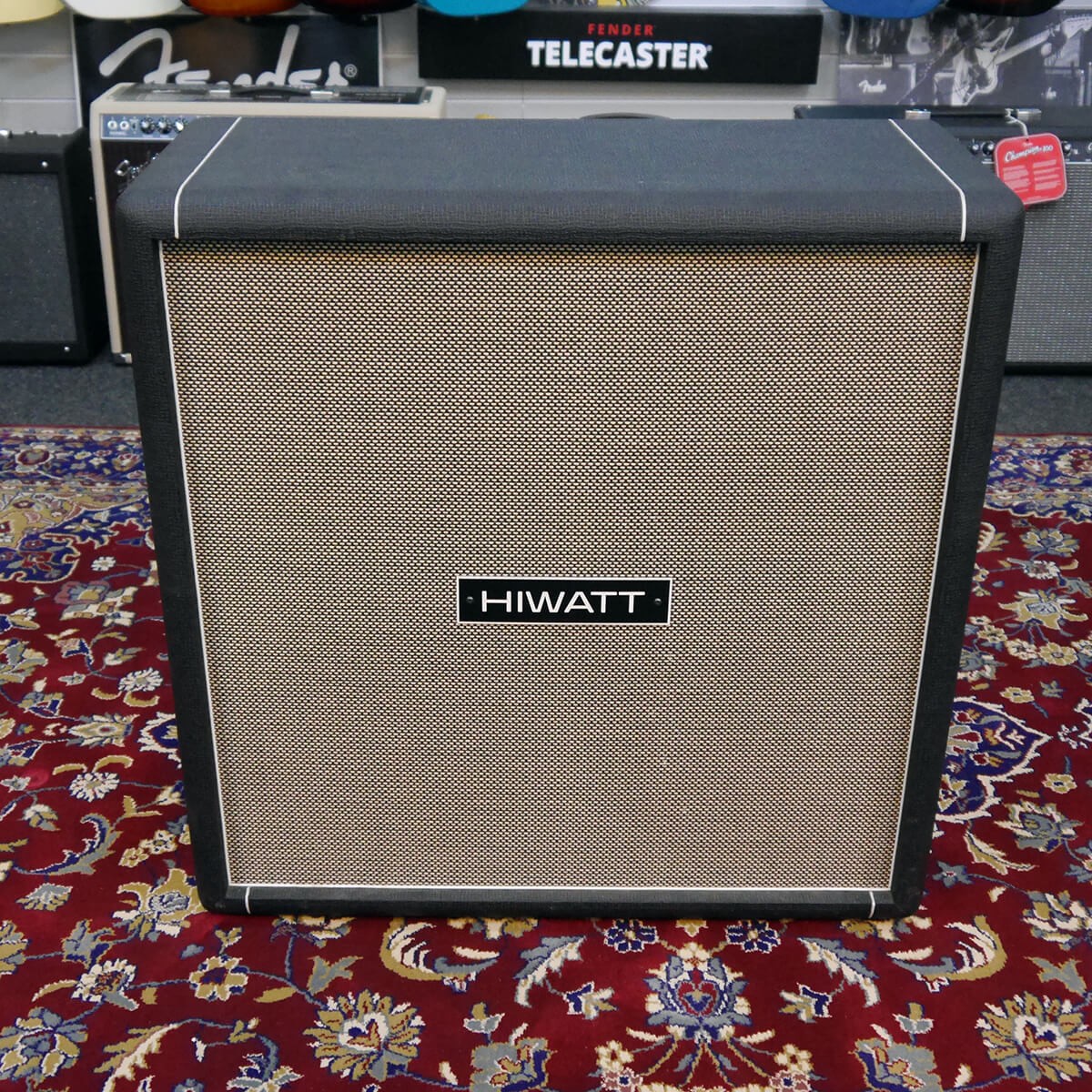
SPECS
| Brand | Hiwatt |
| Model | 4×12 Speaker Cabinet (SE4123, etc.) |
| Configuration | 4 x 12-inch speakers |
| Primary Use | *Jealousy* recordings through live era & THE LAST LIVE |
| Paired With | Hiwatt Custom 100 / ENGL heads |
Description
From the *Jealousy* recording sessions to his final live shows, the Hiwatt 4×12 cabinet was hide's go-to speaker enclosure. It handled not only clean tones from Hiwatt heads but also high-gain signals from ENGL gear, serving as the foundational speaker voice throughout his mid-to-late career. Its tight low-end and articulate mid-high clarity provided an ideal canvas for complex rack delays and modulation.
At THE LAST LIVE, it was used alongside Marshall 4×12 cabs, likely splitting duties across different signal chains. Even as preamps and rack units shifted over time, the Hiwatt cabinet remained a constant anchor for his stage presence.
While vintage specs differ from modern commercial SE series 4×12s, the Hiwatt cabinet remains strongly synonymous with hide's signature tone.
Marshall 4×12 (Celestion V30, etc.)
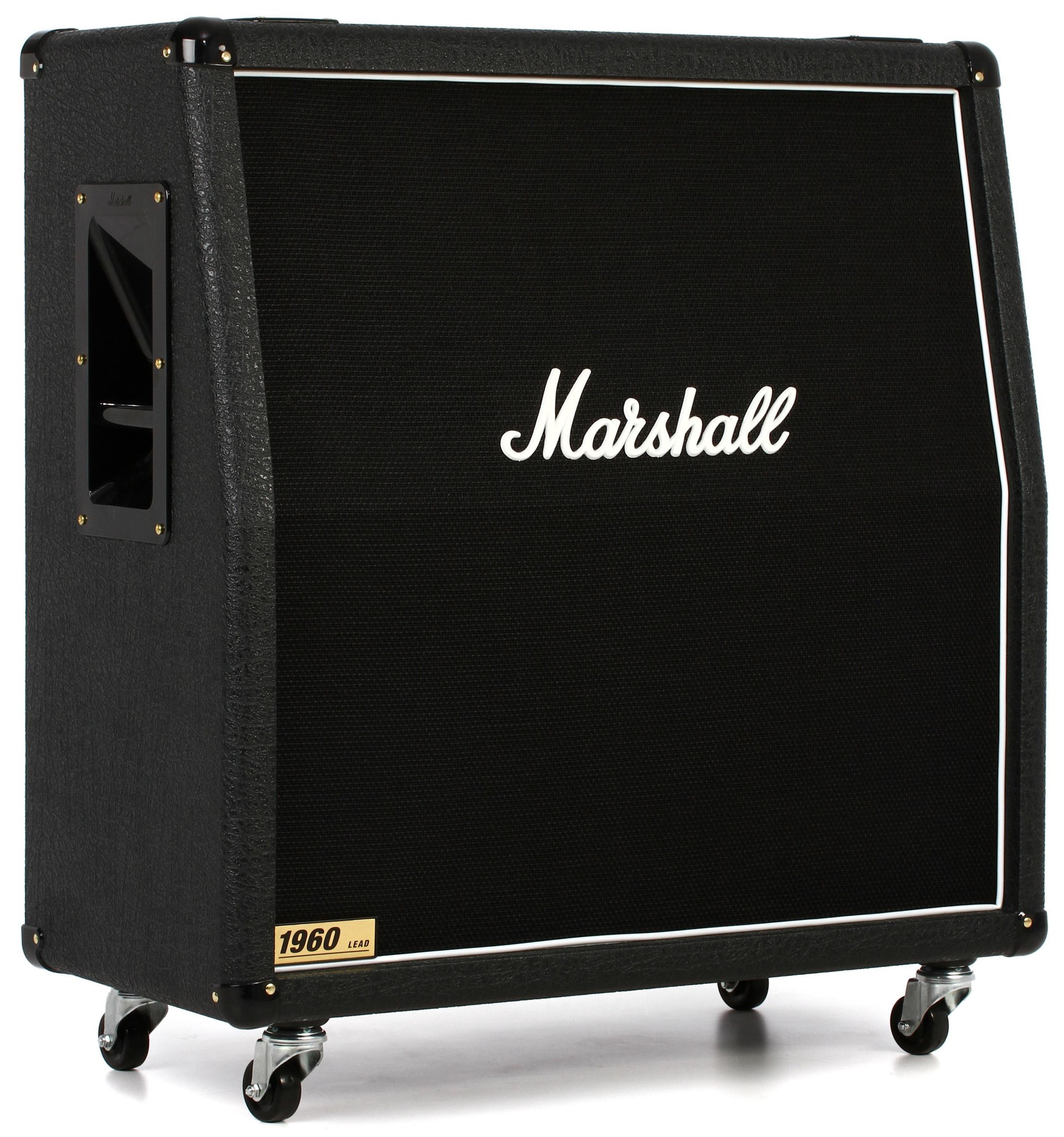
SPECS
| Brand | Marshall |
| Model | 4×12 Cabinet (1960A, etc. / Celestion V30 reported) |
| Configuration | 4 x 12-inch speakers |
| Primary Use | High-gain side cab around THE LAST LIVE era |
| Paired With | VHT Classic / ENGL Savage, etc. |
Description
Alongside the Hiwatt enclosure, Marshall 4×12 cabs loaded with Celestion V30 speakers featured prominently in hide's late-era stage setup. Serving as the primary projection for high-gain signals from the VHT power amp and ENGL Savage, it complemented the Hiwatt cab's pristine British clean projection.
Marshall had been a familiar staple since X JAPAN's early days, and retaining these cabinets in his late rack system allowed hide to keep that familiar stage punch and spatial feel even with a rack-based preamp core.
Because secondary sources reference various model numbers like the 1960A, we group this under the Marshall 4×12 (V30-style) banner. It stands as the high-gain counterpart to his Hiwatt cabs.
ENGL Rack Preamp Setup (*Jealousy* Era / e.g. E530-style)
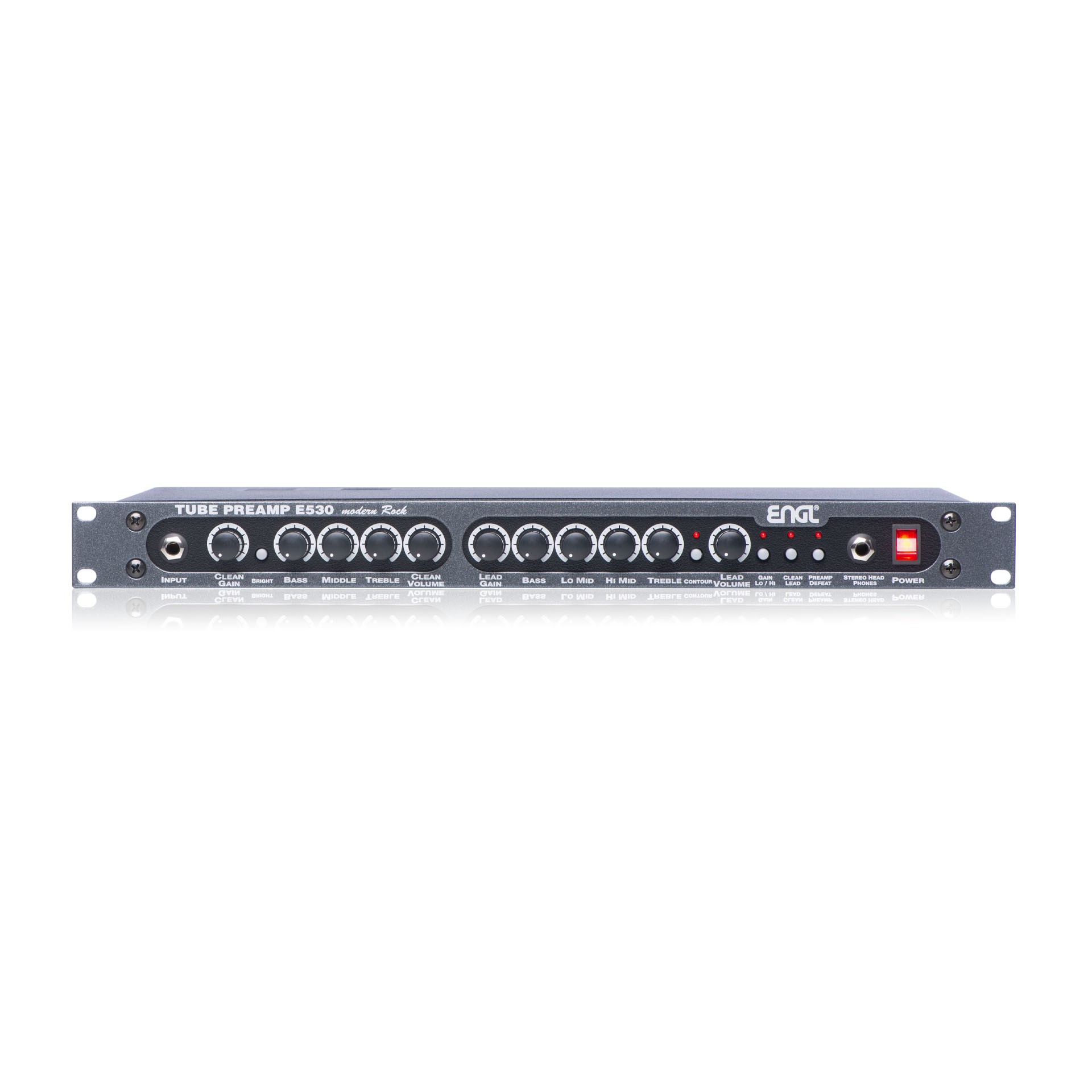
SPECS
| Brand | ENGL |
| Configuration | 2-channel preamp + 850/100 tube power amp (*Jealousy* sessions) |
| Type | Rack / modular amp system |
| Era | 1991 *Jealousy* recording sessions |
| Cabinets | Hiwatt 4×12 |
| Notes | Distinct generation/wiring from late Savage / PSA-1 rigs |
Description
During the recording of X's seminal 1991 album *Jealousy*, hide's core drive tone was built around an ENGL 2-channel rack preamp paired with an ENGL 850/100 tube power amp. This represented a major turning point, moving away from early Marshall distortion toward German high-gain architecture alongside Hiwatt 4×12 cabs, a TC Electronic 2290, BOSS OD-1, DigiTech Whammy, and Guyatone Flanger.
Because this rig differs in generation and routing from his late-era Savage and SansAmp live setups, it should be viewed separately from his final touring rack. Nevertheless, it remains the sonic foundation for mid-period X JAPAN guitar tones.
As documentation varies on specific preamp model numbers (such as the e620), we summarize this as the *Jealousy*-era ENGL preamp + power amp rig—the studio cornerstone of his mid-career sound.
hide|Gear [Effects Pedals]
BOSS OD-1 OverDrive
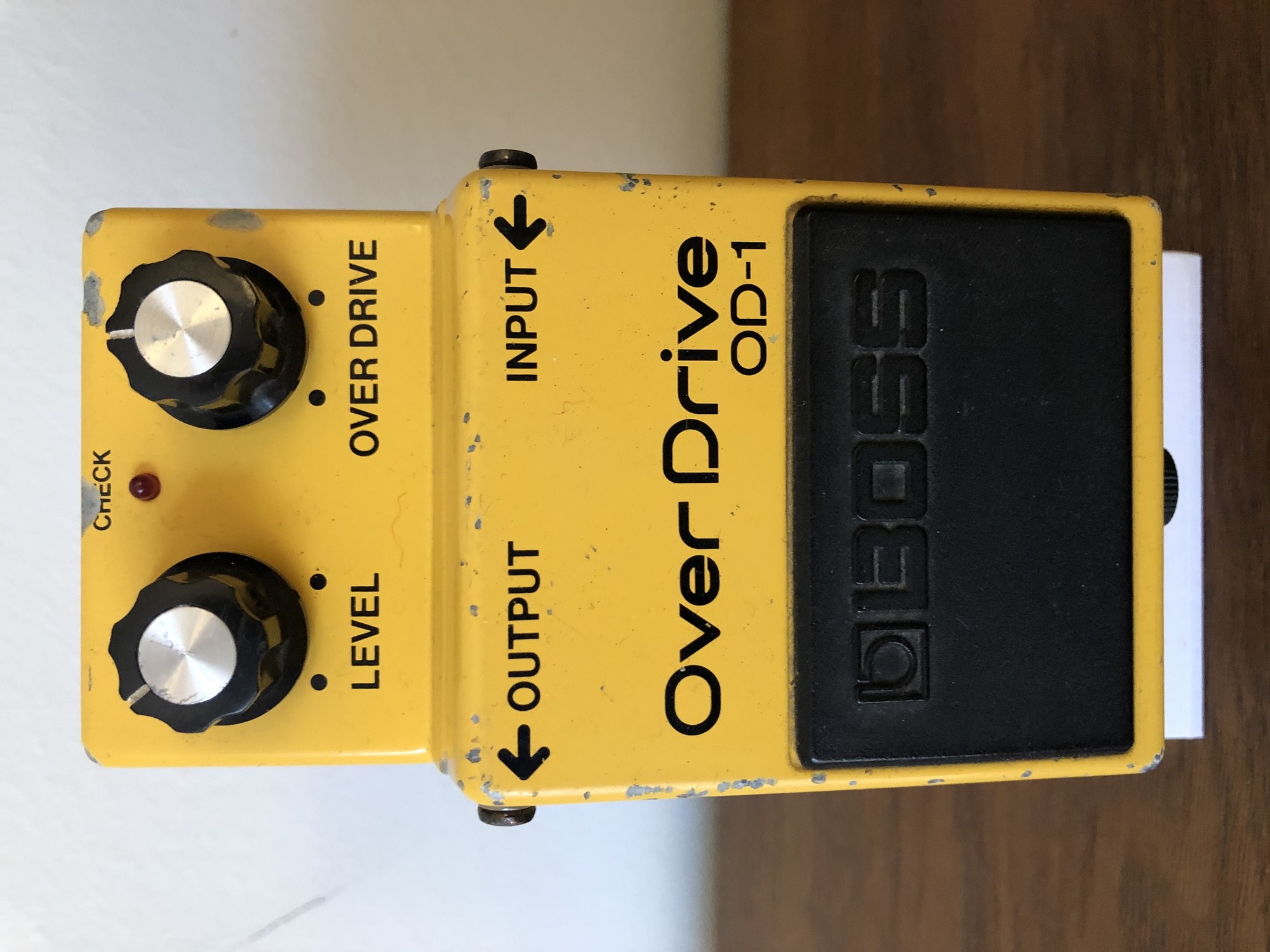
SPECS
| Brand | BOSS (Roland) |
| Model | OD-1 OverDrive |
| Type | Overdrive / booster |
| Primary Use | Longtime front-end boost pedal |
| Era | Fixed position from *Jealousy* era through mid/late live rigs |
| Format | Compact stompbox |
Description
The BOSS OD-1 served as a long-standing boost pedal on hide's pedalboard. Though designed as a smooth overdrive pedal, hide primarily utilized it as a front-end booster to push his amp and rack stages for extra bite during solos and heavy riffs. From *Jealousy*-era rack setups to mid-period live shows, the classic yellow stompbox remained a permanent fixture.
While some secondary sources mention a shift toward Maxon in later years, the OD-1 remains the most recognized overdrive associated with hide's signature tone. Alongside the Whammy and Wah, it represents one of the most accessible pieces of gear for fans aiming to replicate his sound.
Rather than generating massive standalone gain, its primary role was boosting mid-range frequencies to push his MG guitar humbuckers hard into the amp stage. It is an essential starting point in his pedal signal chain.
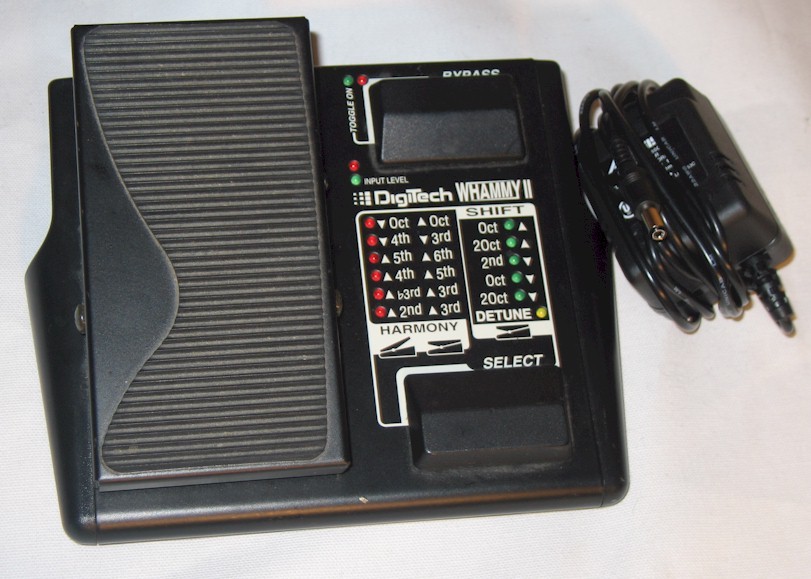
DigiTech Whammy (Whammy II, etc.)
SPECS
| Brand | DigiTech |
| Model | Whammy / Whammy II (generation varies by era) |
| Type | Pitch shifter / harmony pedal |
| Primary Use | Pitch-bending lead effects in studio & live settings |
| Placement | Pedalboard & rack FX loop |
| Notes | Earlier generation than modern Whammy 5 |
Description
The DigiTech Whammy pedal was hide's secret weapon for radical foot-controlled pitch shifts during solos and lead lines. Used since the *Jealousy* recording sessions, a Whammy II was later integrated into his rack and pedalboard loops for dramatic pitch glides and octave harmonies. Combined with the Sustainer system on his MG guitars, it turned soaring feedback into theatrical sonic shifts.
Alongside the VOX Wah and flangers, it filled his need for expressive pitch modulation, taking quiet arpeggios and suddenly transforming them into aggressive pitch bends. Historical documentation focuses on the original Whammy and Whammy II, which differ in chassis and digital algorithms from modern Whammy 5 pedals.
Also famously used by peers like PATA and SUGIZO, the pedal became a shared language in Visual Kei guitar playing. It remains an indispensable pedal for analyzing hide's soloing style.
Guyatone Flanger (PS-018 Series)
SPECS
| Brand | Guyatone |
| Model | Flanger (commonly PS-018 series) |
| Type | Flanger pedal |
| Primary Use | Modulation effect from *Jealousy* era to late career |
| Format | Compact stompbox |
| Notes | Later used alongside MXR Flanger in rack setup |
Description
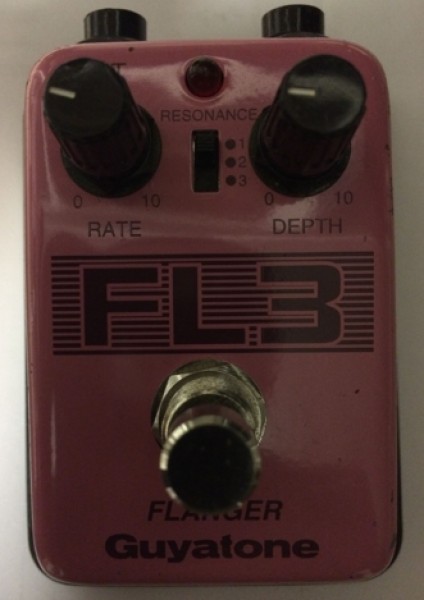
The Guyatone Flanger (commonly identified as the PS-018 series) was hide's long-serving choice for metallic sweep modulation. Present from his *Jealousy*-era rack through his mid-to-late period, it became a staple of his modulation sound. More aggressive than a standard chorus, pairing it with a TC 2290 delay produced hide's signature swirling texture on both clean and drive patches.
In his late rack rig, reports indicate an MXR Flanger was added alongside it, meaning the Guyatone wasn't his sole flanger. Nevertheless, as a Japanese compact stompbox, it remains one of the most accessible reference points for recreating his tone.
Alongside wah and phaser pedals, it stands as a cornerstone of hide's modulation palette—a subtle yet essential effect adding motion to his heavy guitar tones.
VOX V846 Wah
SPECS
| Brand | VOX |
| Model | V846 Wah (HW hand-wired noted in documentation) |
| Type | Wah pedal |
| Primary Use | Late-era live pedalboard / FX loop |
| History | Early era reports cite Cry Baby pedals |
Description
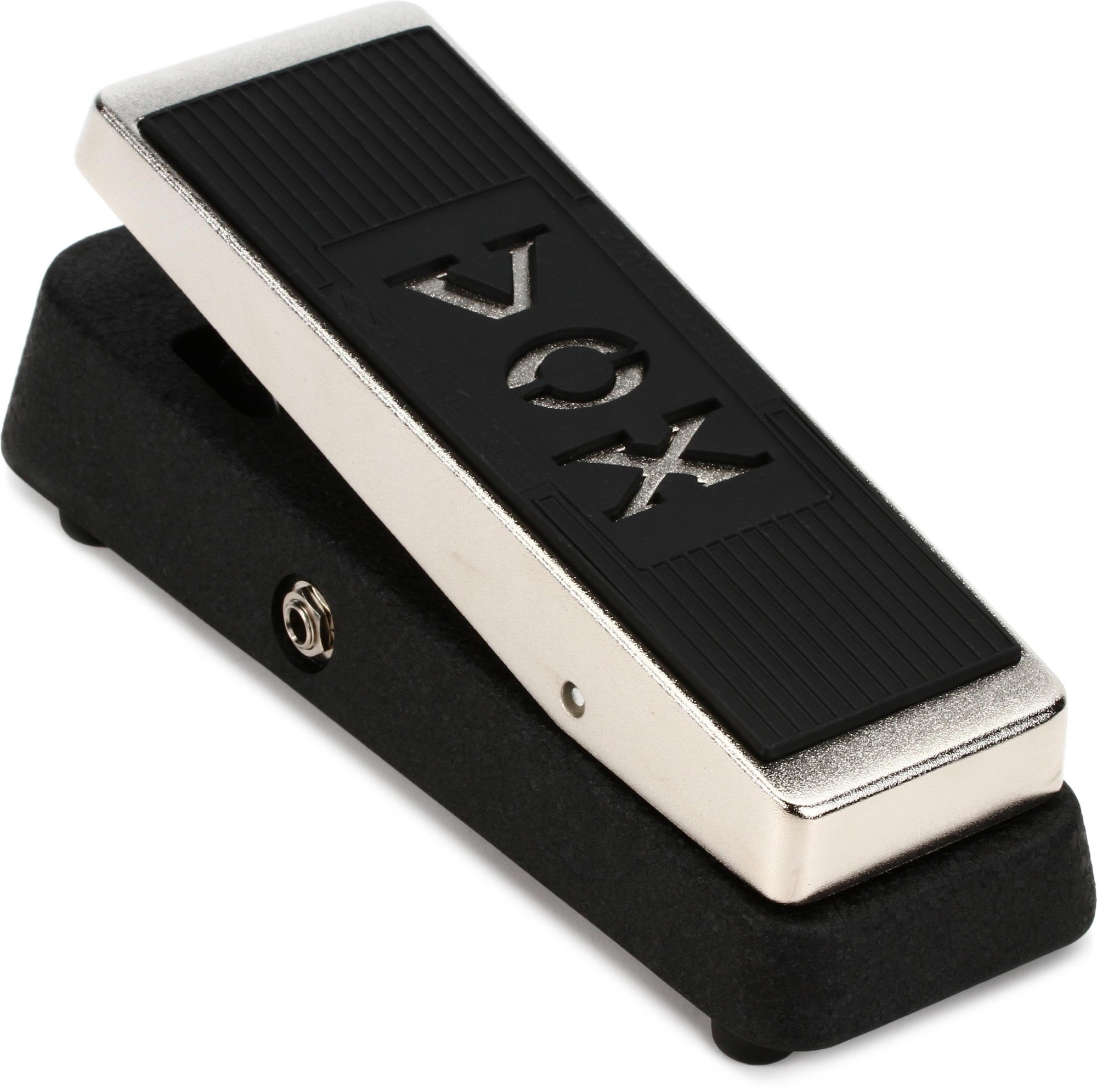
The VOX V846 handled foot-controlled filter sweeps on hide's late-era pedalboard. Switching over from earlier Cry Baby pedals, hide integrated the V846 into his live switching loops around THE LAST LIVE. He stepped on it to inject vocal-like expression into lead solos and add dynamic filter sweeps to rhythm chords.
Hand-wired V846 units are often praised by players for a deeper sweep notch compared to standard modern production wahs. For hide, it joined the Whammy and flanger as a key foot-operated expression pedal.
Even with a massive rack rig, the wah remained right on his pedalboard—a clear tactile interface for human control over his complex setup.
MXR Phase 100
SPECS
| Brand | MXR (Dunlop) |
| Model | Phase 100 (MX-107, etc.) |
| Type | 10-stage phaser pedal |
| Primary Use | Mid-to-late era rack modulation |
| Format | Compact stompbox / rack-mounted |
Description
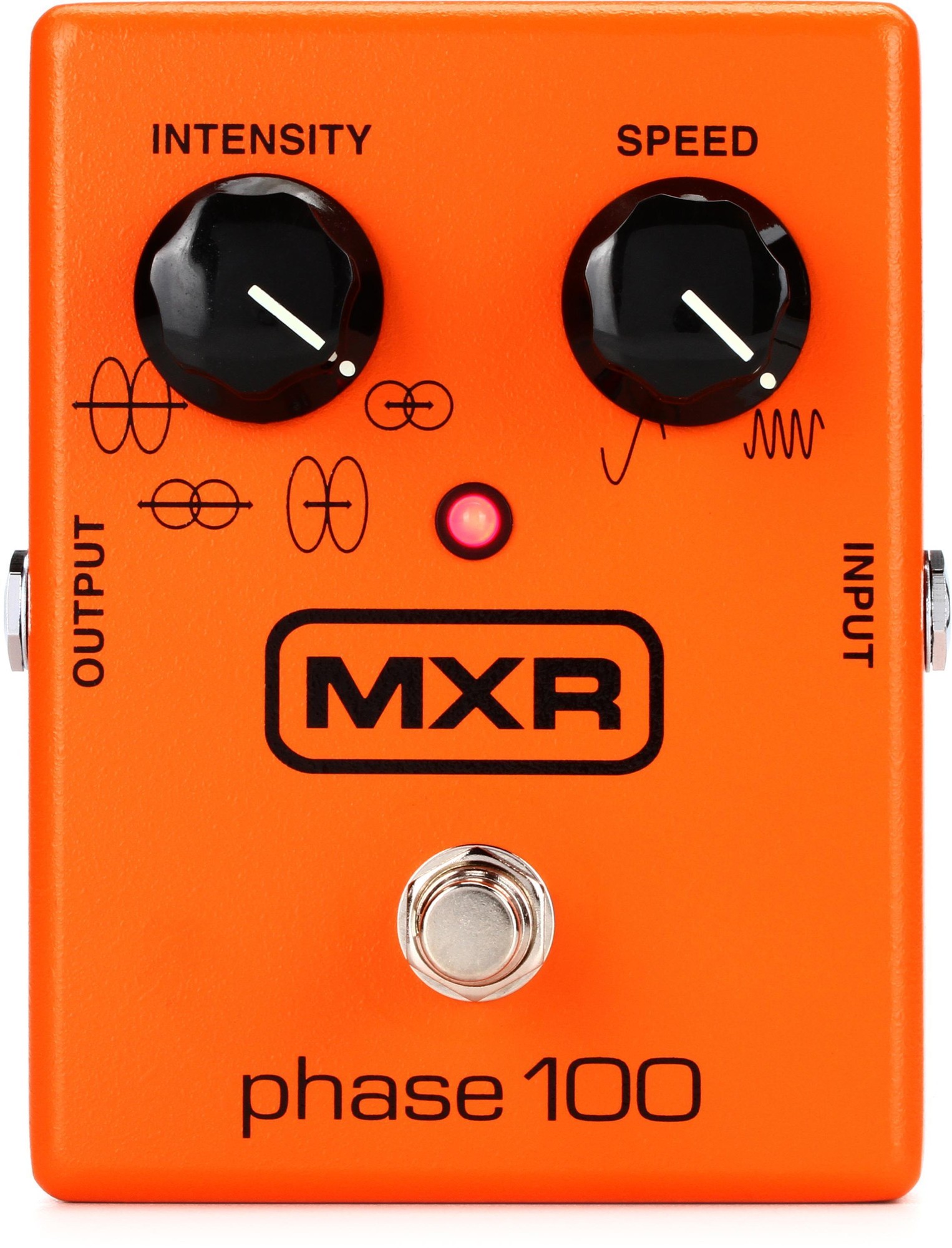
The MXR Phase 100 was the phaser of choice mounted inside hide's rack rig. Offering more phasing stages than a standard Phase 90, it allowed hide to dial in everything from deep, slow rotary sweeps to rapid, subtle warbles. Equipment photos from his mid-to-late era clearly show a Phase 100 module working alongside his Guyatone flanger to expand his modulation capabilities.
Applied lightly to clean arpeggios, it added expansive dimension; dialed deep into high-gain drive tones, it yielded psychedelic lead textures. The signature "swirling" guitar sounds in hide's music relied heavily on phasers and flangers working in tandem with delay units.
While vintage script-logo units are often cited by collectors, the core functionality of the Phase 100 remains a benchmark rack modulation component for his late setup.
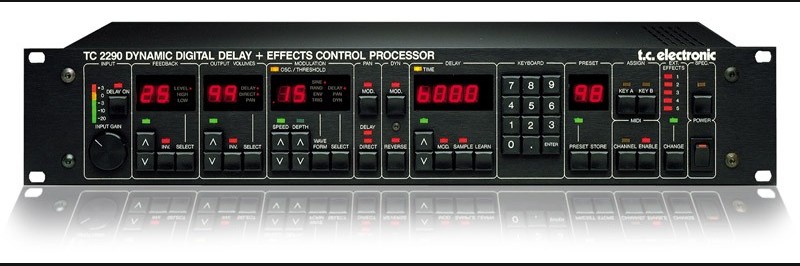
TC Electronic 2290
SPECS
| Brand | TC Electronic |
| Model | 2290 Dynamic Digital Delay |
| Type | Rack digital delay |
| Primary Use | Core rack delay processor from *Jealousy* era onward |
| Features | Dynamic delay (delay ducking responds to picking dynamics) |
| Format | 19-inch rack unit |
Description
A masterpiece of digital processing, the TC Electronic 2290 was the central rack delay unit in hide's system from the *Jealousy* era onward. Renowned for its dynamic delay function—where effect levels automatically adjust based on picking intensity—it allowed long arpeggio repeats to decay naturally without muddying the primary notes. The pristine clarity of hide's clean passages owes much to the exquisite quality of this unit working alongside his Hiwatt and GSP gear.
Housed deep within his live rack, its delay times and feedback parameters were recalled per song via MIDI foot controllers. It remains a studio-grade processor that compact delay pedals struggle to replicate.
Although distinct from modern TC processors, the model number 2290 is synonymous with '90s pro rack guitar rigs. It represents the flagship delay unit of hide's ambient palette.
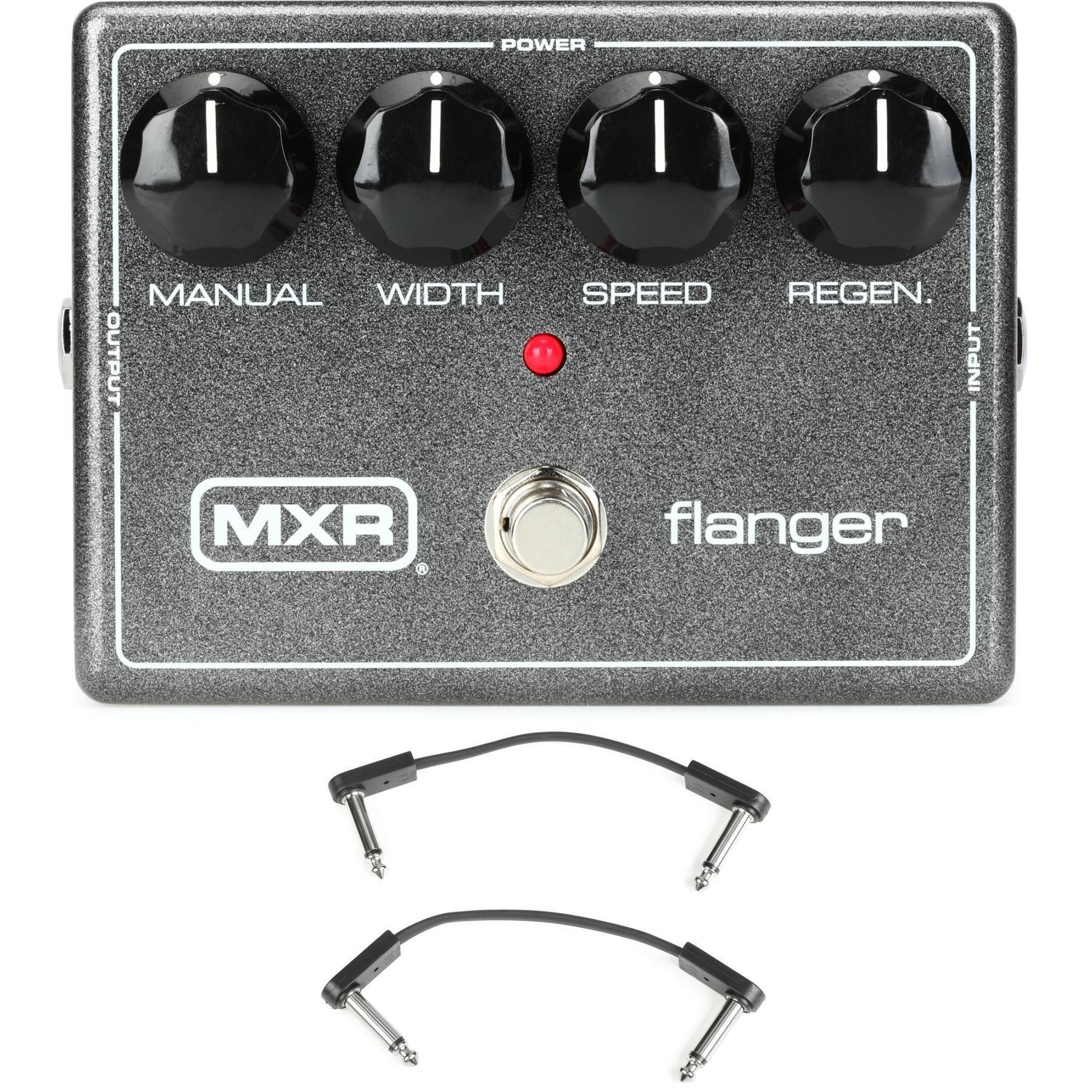
MXR Flanger
SPECS
| Brand | MXR (Dunlop) |
| Model | Flanger (Late rack rig) |
| Type | Flanger pedal |
| Primary Use | Modulation for ~1996 and late live shows |
| Notes | Used alongside Guyatone Flanger |
Description
In hide's late-era rack setup, the MXR Flanger sat alongside his Guyatone unit. Equipment photos from around 1996 outdoor shows document it mounted in the rack with his phaser, likely utilized for aggressive jet-plane sweeps and fast modulation. While the domestic Guyatone pedal was his long-standing companion, the MXR provided an additional, bolder modulation texture in later years.
Housing both a Phase 100 and an MXR Flanger gave hide the flexibility to switch between mild phase shimmer and intense jet sweeps per song. If the Whammy and Wah provided physical expression for solos, the MXR Flanger acted as a tonal wardrobe change for his sound.
We highlight the MXR Flanger as an essential rack component, proving how deep and layered his late-era modulation options were.
hide|Gear [Accessories & Other]
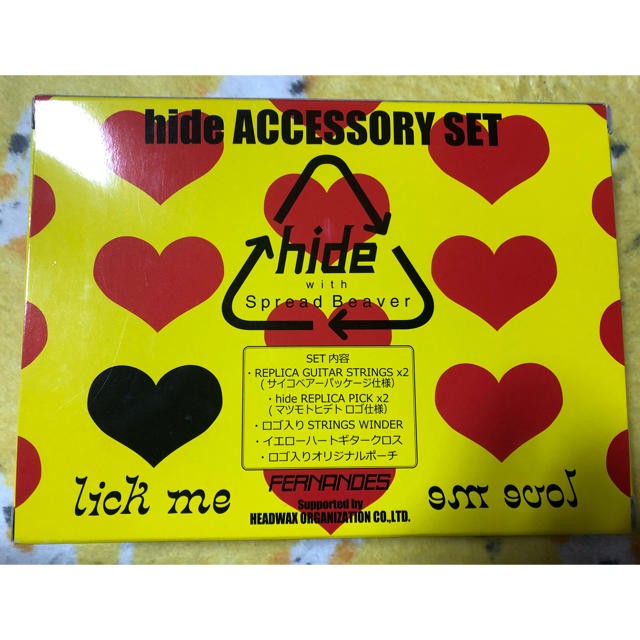
Fernandes hide Signature Strings (HGS-1200 / Psycho Bear Series)
Description
The HGS-1200 strings were released by Fernandes as hide's official signature set. Prior to this, hide relied on standard sets like Ernie Ball Hybrid Slinkys before partnering with Fernandes to create custom string gauges tailored specifically to his MG guitars. Designed to balance string tension and fret buzz on string-through bodies and short/medium-scale MG guitars, they formed a critical functional component.
While strings don't draw the same visual attention as custom guitars, choosing the right gauge was essential for managing hand feel during half-step-down and Drop-D tunings. This signature set serves as proof that his relationship with Fernandes extended well beyond instrument manufacturing.
Since original NOS sets are rare today, players often recreate the setup using equivalent gauge strings from modern brands.
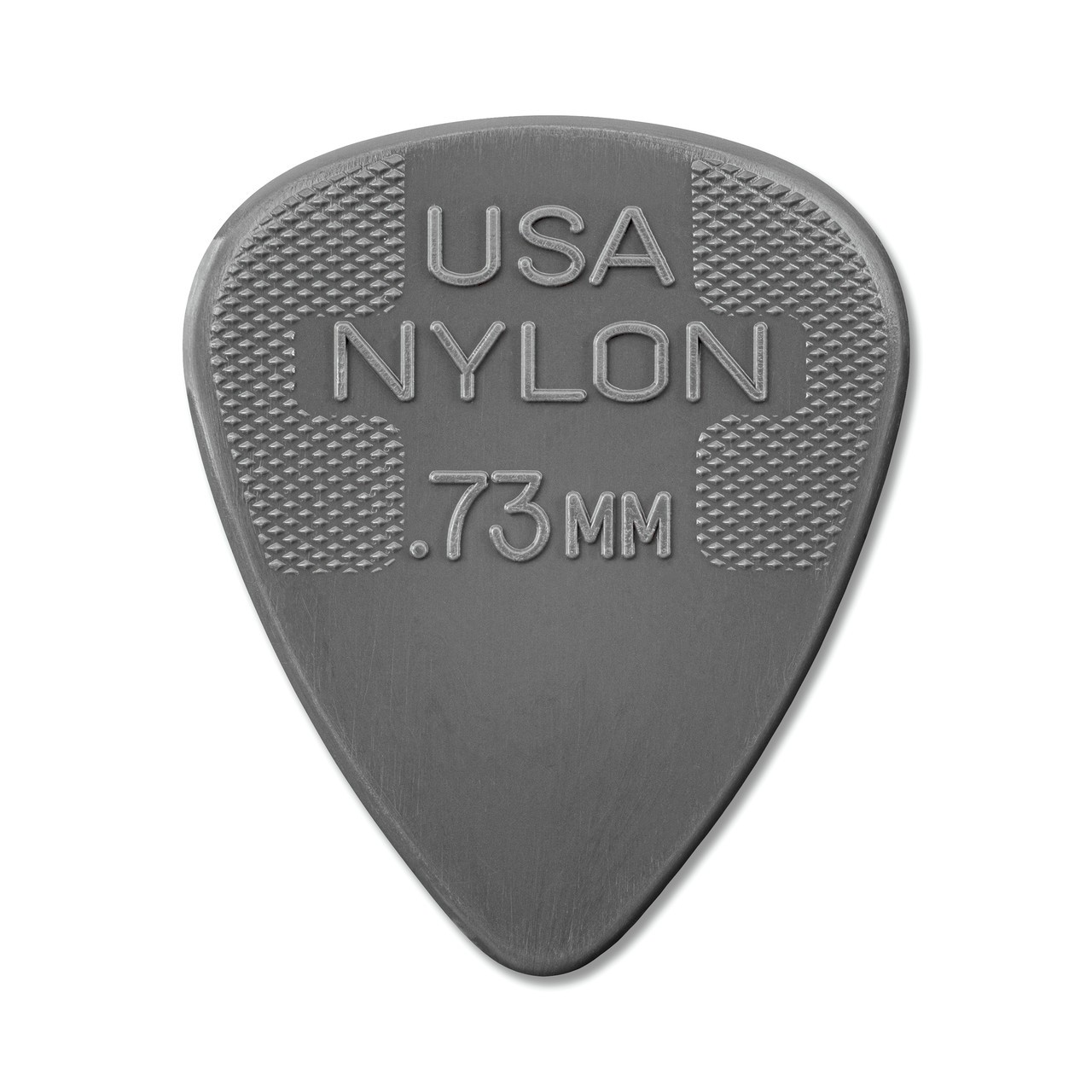
Jim Dunlop Nylon Standard 0.73
Description
hide is known to have favored Jim Dunlop Nylon Standard 0.73mm picks, selecting them based on his playing condition and stamina. Offering a balanced medium flexibility that was neither too stiff nor too flimsy, this gauge accommodated his mix of fast alternate picking and heavy rhythm strumming.
Tech reports suggest he adjusted pick choice depending on the day, making the 0.73mm Nylon pick an ideal starting point rather than an absolute rule. Using a standard Dunlop pick rather than an over-designed custom shape is very characteristic of hide's pragmatic approach to gear.
Alongside his signature HGS-1200 strings, this pick remains an essential accessory for players aiming to replicate his right-hand attack and response.