
日本語English
How to Choose a BOSS Multi-Effects Unit (2026) | GT, GX, MS-3, & EX-4 Compared
XTONES is a participant in affiliate programs including Amazon Associates and Reverb. We may earn a commission from qualifying purchases made through links on this page, at no extra cost to you.
Contents (16)
- Interested in getting a BOSS multi-effects unit
- Hard to tell which model best fits your setup with so many options available
This guide is for anyone facing these exact questions.
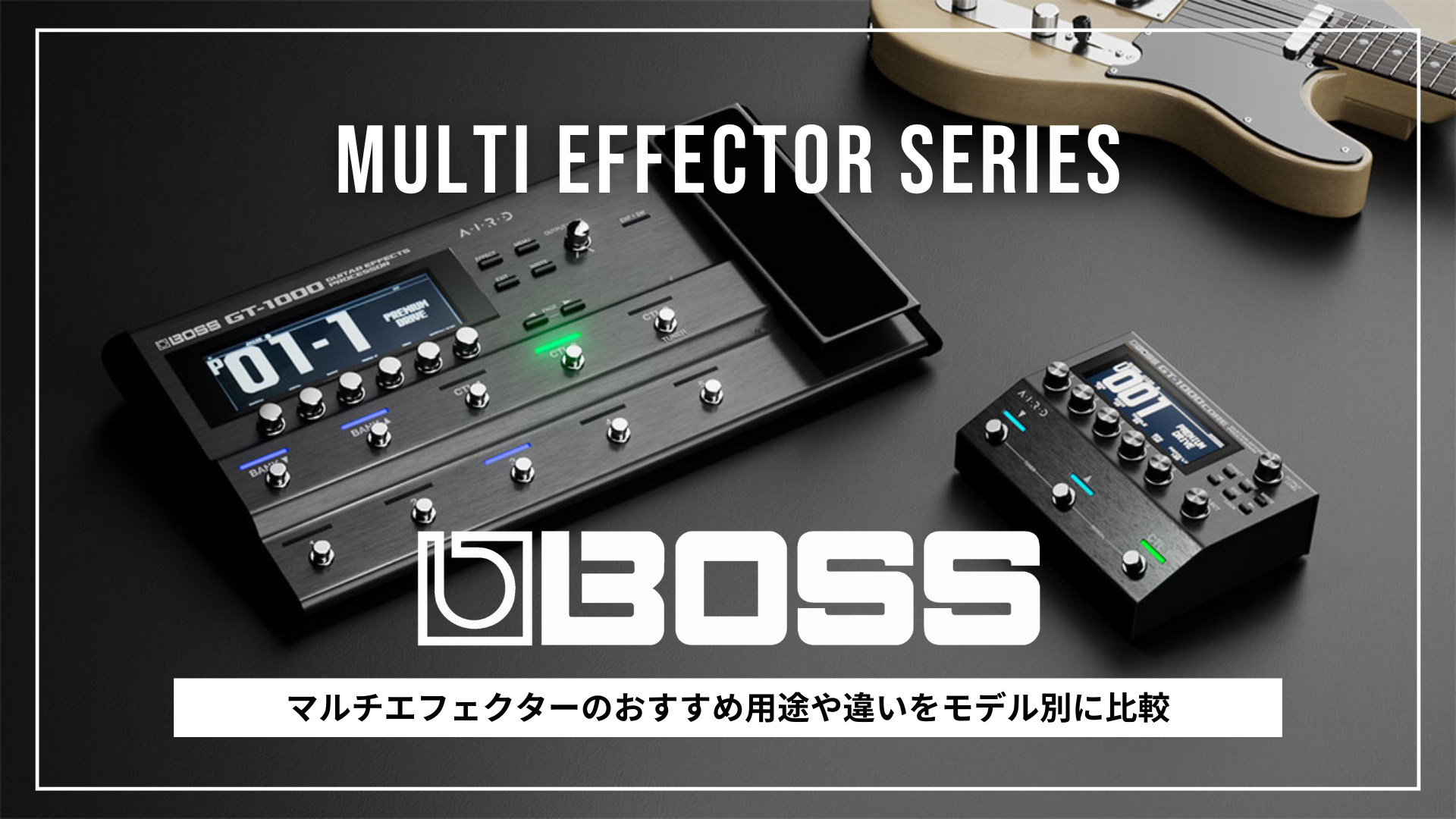
BOSS floor multi-effects processors have long been a go-to choice thanks to their balance of sound quality, usability, and durability. However, with so many models out there, sorting through the differences between the GT, GX, MS-3, and EX-4 series can get confusing.
- All-in-one flagships … GT-1000 / GX-100 (full-sized); for best value, look at the GX-10 / GX-1
- Pedalboard integration … GT-1000CORE (compact engine), MS-3 (switcher hybrid), EX-4 (effects expander)
- Entry-level & portable … GT-1. Choose the GX-1 if you want the same compact footprint with upgraded audio quality
- Where the EX-4 fits … No amp modeling included. Designed as a pedalboard expander to add time-based and modulation effects while keeping your favorite drive pedals and tube amps intact
Below, we break down key features, a spec comparison chart, recommended uses by model, and a final verdict to guide your choice.
Why Pick a BOSS Multi-Effects Unit? Key Reasons Players Choose Them
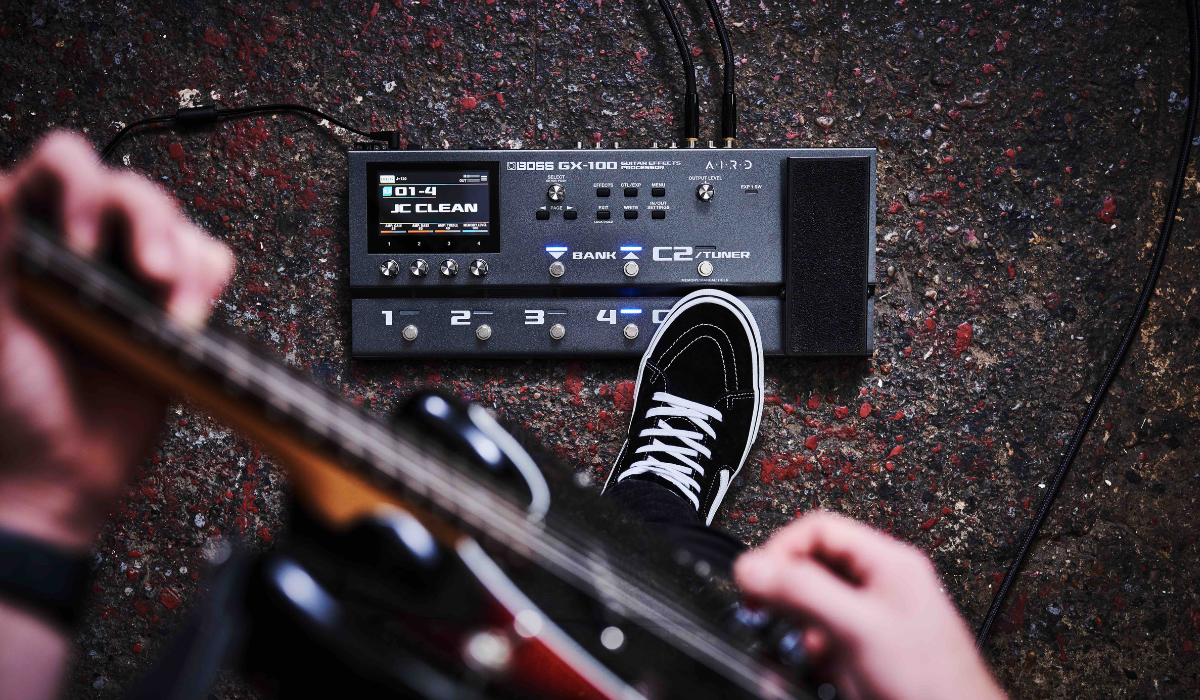
BOSS is a legendary brand in the effects pedal industry, maintaining a top-tier reputation particularly in the multi-effects market. Guitarists rely on BOSS processors for their sound quality, intuitive controls, and road-tested durability. Here is a closer look at what makes BOSS multi-FX units stand out.
Pro-Grade Tone and Audio Quality
The main reason BOSS multi-effects processors earn such high marks is their exceptional audio quality. Leveraging decades of innovation in compact stompboxes, BOSS recreates rich, analog-like tone in a digital format.
- Signature COSM (Composite Object Sound Modeling) technology faithfully models amp and effect characteristics
- Delivers natural playing dynamics while preserving pure signal clarity
- Drive, delay, and reverb effects rival dedicated individual stompboxes
Flagship models like the GT-1000 and GX-100 offer pro-level performance for both live stage and studio sessions.
Intuitive Interface | Simple, User-Friendly Operation
BOSS designs its multi-effects units to be intuitive for everyone from beginners to seasoned players.
- High-visibility large display screens
- Real-time parameter control via expression pedals and footswitches
- Customizable UI options tailored to your workflow
Models like the GX-100 offer touchscreen control, while the GT-1000 and GT-1 deliver intuitive hands-on editing with dedicated knobs and buttons.
Versatile Array of Effects and Amp Models
BOSS multi-effects processors come packed with dozens of effect algorithms alongside comprehensive amp modeling.
- Covers essential sounds including distortion, delay, reverb, and modulation
- Deep control over amp models and cabinet impulse response (IR) settings
- The GT-1000 supports complex signal routing with multiple parallel chains
From home practice to live gigging, these units seamlessly handle any musical scenario.
Comparing BOSS Multi-Effects Units | Spec Chart & Feature Breakdown
 | 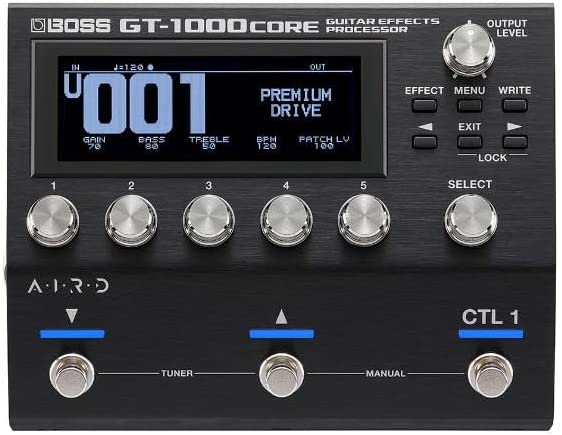 |  | 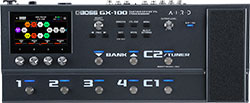 | 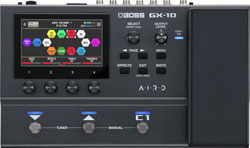 |  |  |  | |
|---|---|---|---|---|---|---|---|---|
| Model | GT-1000 | GT-1000CORE | GT-1 | GX-100 | GX-10 | GX-1 | MS-3 | EX-4 |
| Dimensions (mm) | 462×248×70 | 198×134×65 | 305×152×56 | 460×193×73 | 300×183×74 | 307×149×56 | 276×134×65 | 117×138×63 |
| Weight | ~3.6 kg | ~1.4 kg | ~1.3 kg | ~3.5 kg | ~2.2 kg | ~1.2 kg | ~1.0 kg | ~0.8 kg |
| Amps / FX Types | 145 | 140+ | 108 | 154 | 170 | 150 | 112 | 120 (FX) |
| Simultaneous FX | 24 | 24 | 9 | 15 | 15 | 15 | 6 | 4 |
| MIDI | IN/OUT | IN/OUT | × | IN/OUT | × | × | OUT | IN/OUT |
| Headphone Out | ○ | × | × | ○ | ○ | ○ | × | × |
| SEND/RETURN | 2 | 2 | × | 1 | 1 | × | 3 | 1 (Assignable) |
| Display | Full-color LCD | Monochrome LCD | Monochrome LCD | Color LCD Touchscreen | Color LCD Touchscreen | Full-color LCD | Monochrome LCD | 2.4" Color LCD |
| Key Features | AIRD / Bluetooth opt. | AIRD / Compact | Lightweight / Battery | AIRD / User IRs | AIRD / Touchscreen | AIRD / Built-in BT | Loop switcher hybrid | FX Expander No amp modeling |
| Est. Price | ~$800 | ~$530 | ~$160 | ~$410 | ~$390 | ~$220 | ~$390 | ~$330 |
How to Choose a BOSS Multi-Effects Processor | Best Models by Use Case
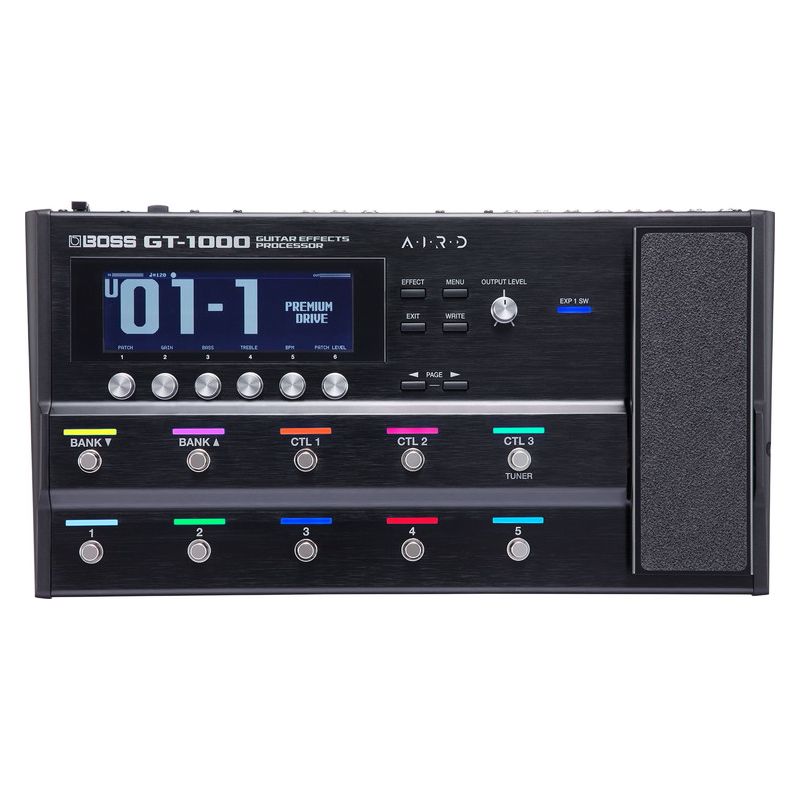
GT-1000: The Flagship Pro Processor
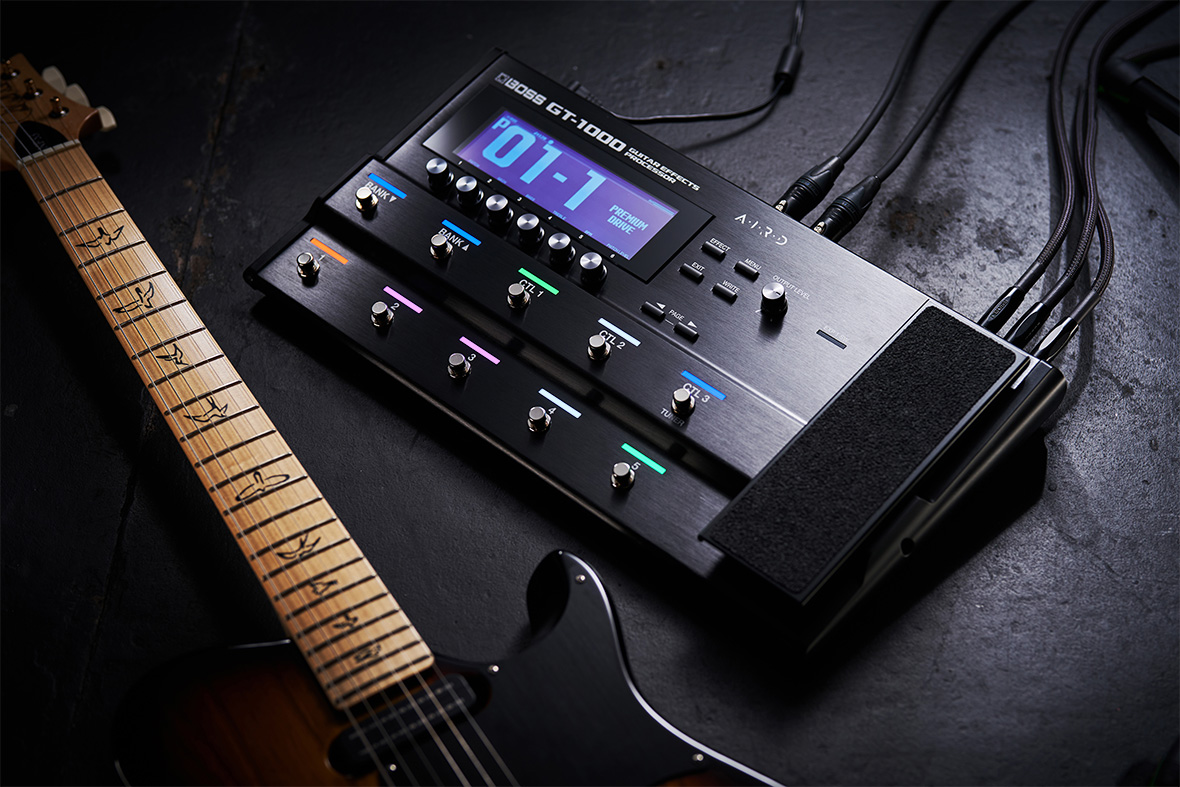
- Powered by BOSS's advanced AIRD technology
Faithfully captures the dynamic sound and feel of tube amps - 32-bit/96kHz pristine AD/DA processing
Top-tier audio quality with over 140 amp and effect models - Full MIDI IN/OUT support
Seamless integration with external MIDI gear - Built-in Bluetooth connectivity
Wireless preset editing via BOSS Tone Studio app on iOS/Android
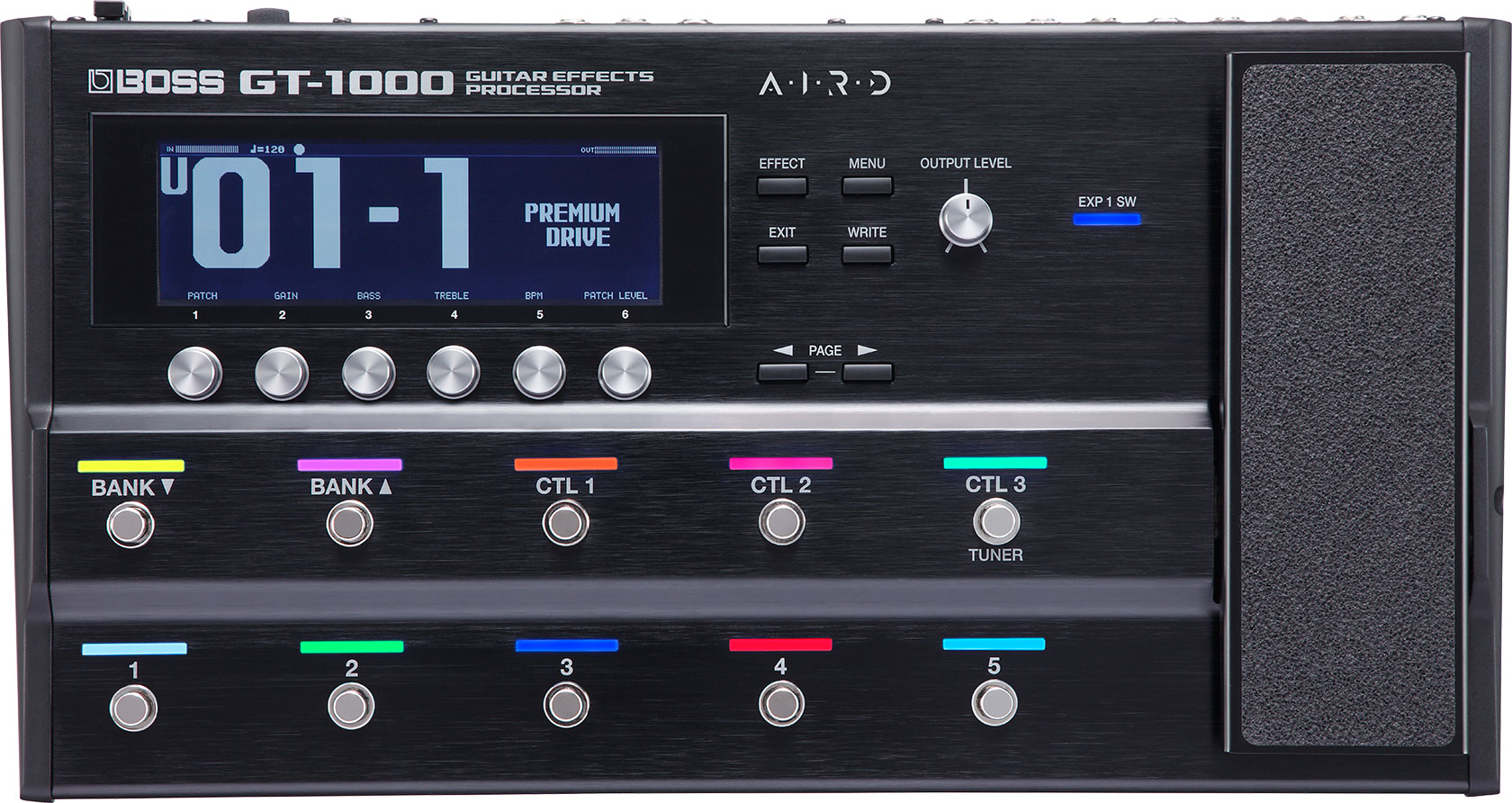

GT-1000 Recommended Applications
- Pro-level tone shaping for gigging and studio work
- Players needing deep MIDI integration and external gear control
- Professionals who demand uncompromised sound quality and dynamic response
What Sets It Apart

GT-1000CORE: Full GT-1000 Performance in a Compact Footprint
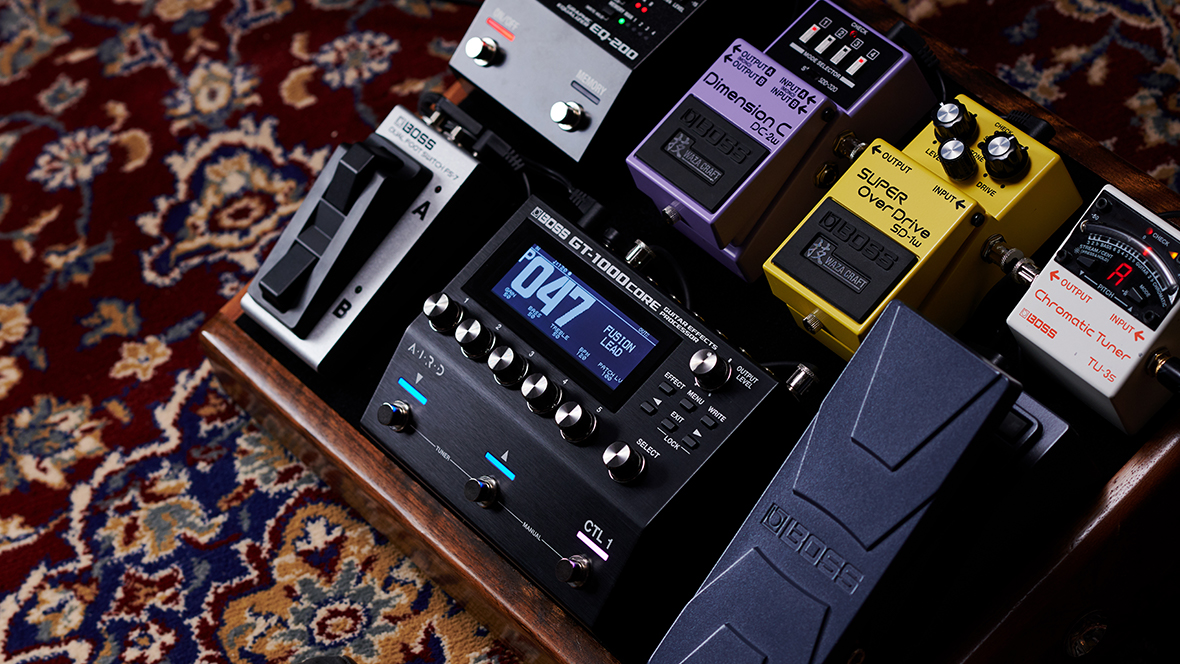
- A compact unit powered by the GT-1000 sound engine
- Run up to 24 effect blocks simultaneously
- MIDI IN/OUT onboard for easy integration with other gear
- Loaded with over 140 amp and effect models
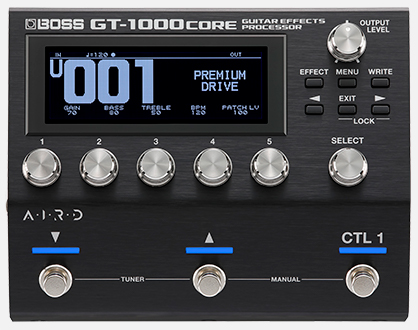
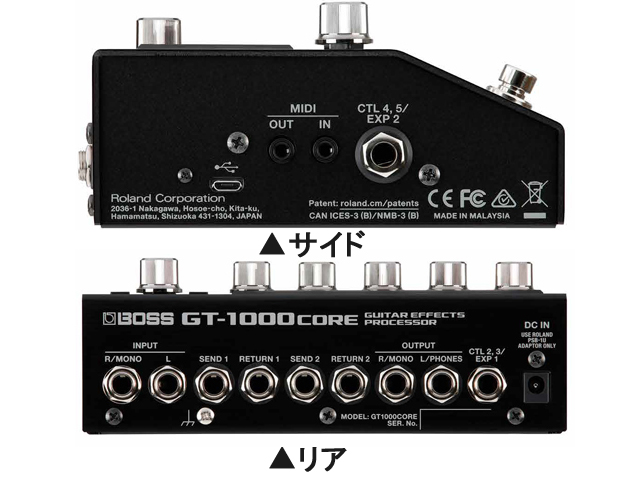
Best Applications for GT-1000CORE
- Compact size that fits seamlessly onto any pedalboard
- Flexible integration with external pedals and amps
- For players who want full GT-1000 tone in a scaled-down format
How it differs from other models

GT-1: Entry-Level Model for Beginners and Intermediates
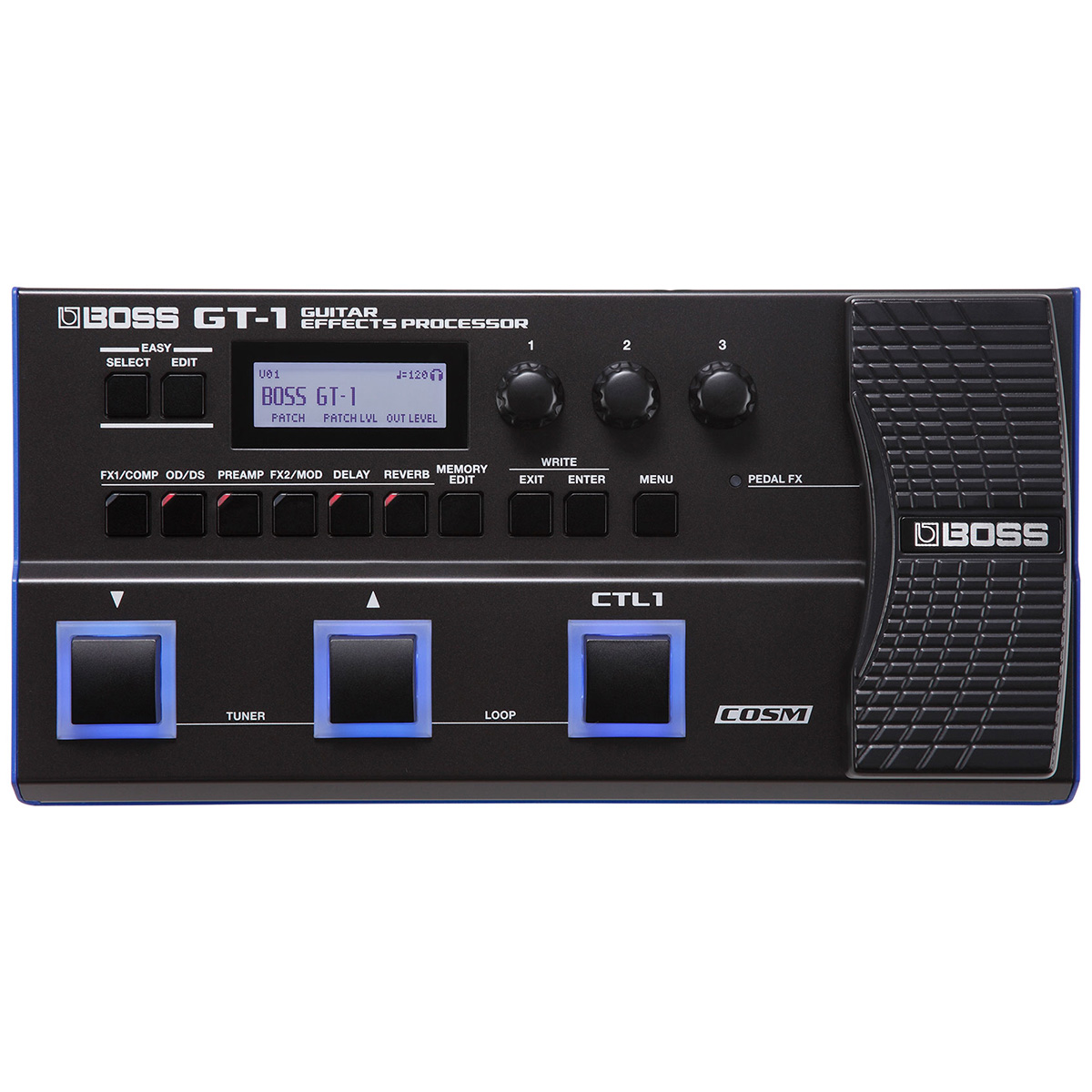
- Lightweight & Compact → Easy to carry and quick to set up
- Simple Interface → Intuitive to operate, even for beginners
- COSM Technology → Proven amp modeling

GT-1 Recommended Uses
- Ideal choice for your first multi-effects unit
- Great if you want a lightweight, space-saving design
- Perfect for quick jam sessions without complicated tweaking
How it differs from other models

GX-100 | Touchscreen for Intuitive Control
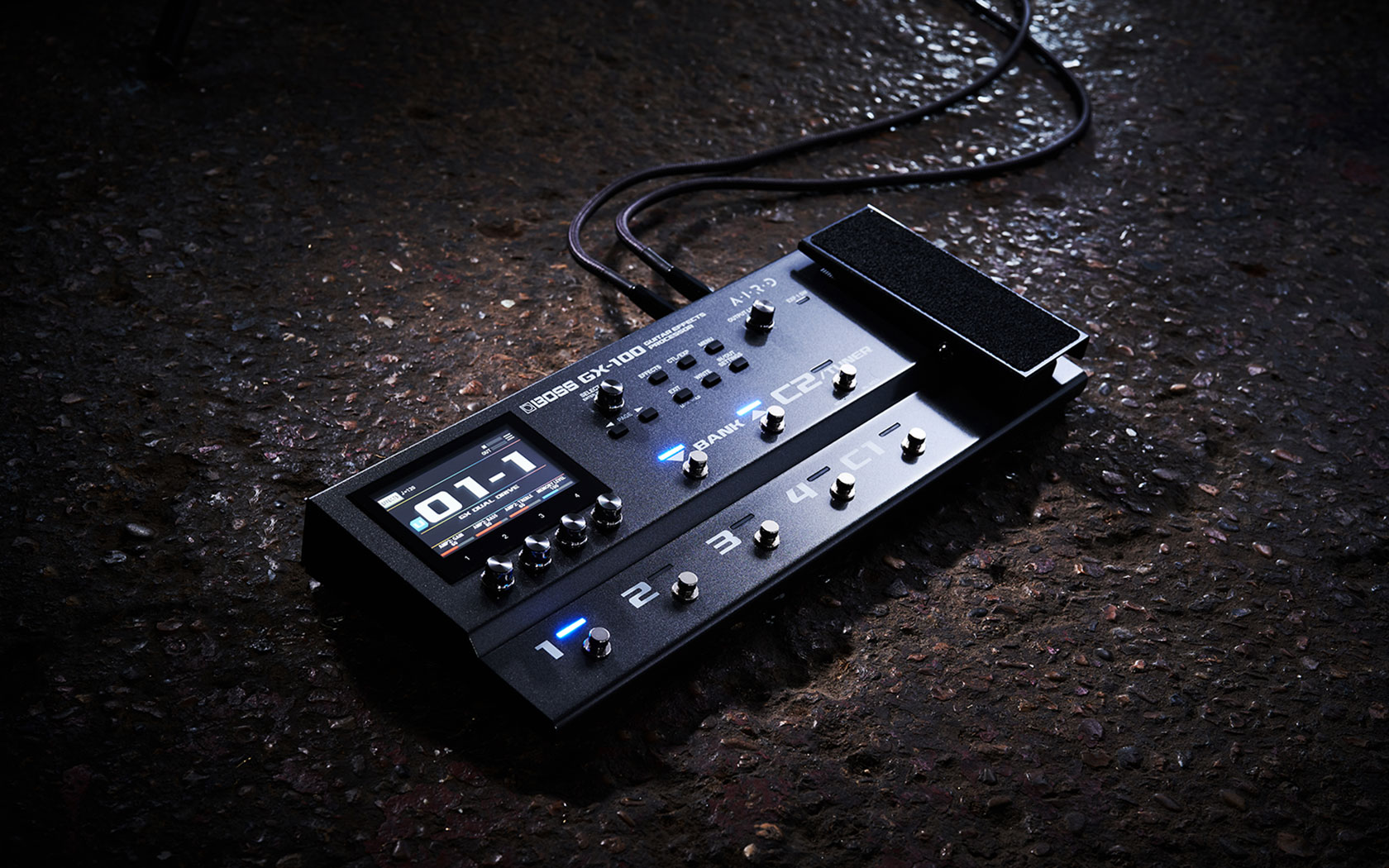
- Color touchscreen → Intuitive control
- 15 amp models and over 150 effects
- IR (impulse response) support → Cabinet simulation capability
- Built-in expression pedal
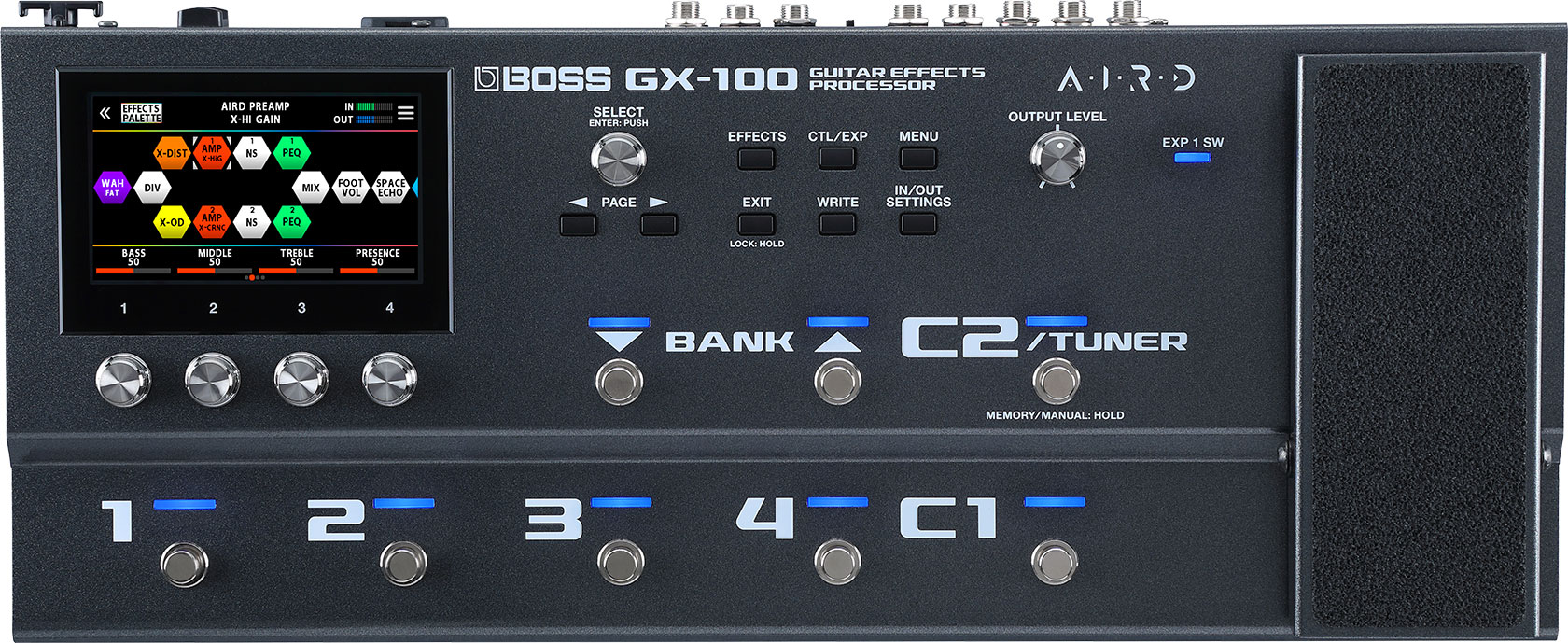

Best Uses for the GX-100
- On-the-fly tone shaping on stage
- Versatile tone shaping leveraging high-performance amp modeling
- Ideal as a backup rig for pros or for studio use
What Sets It Apart

GX-10 | The Ideal Balance of Size and Functionality
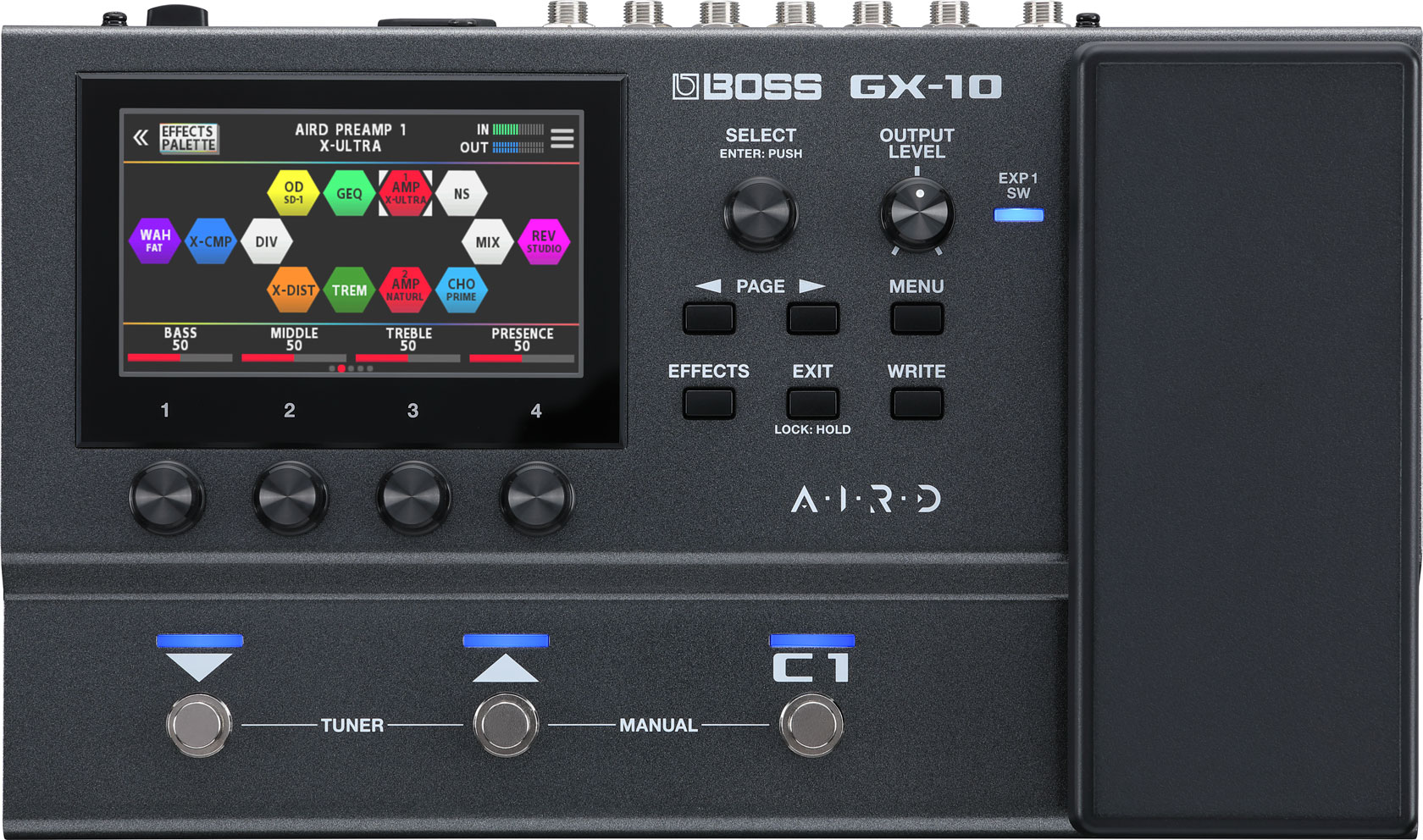
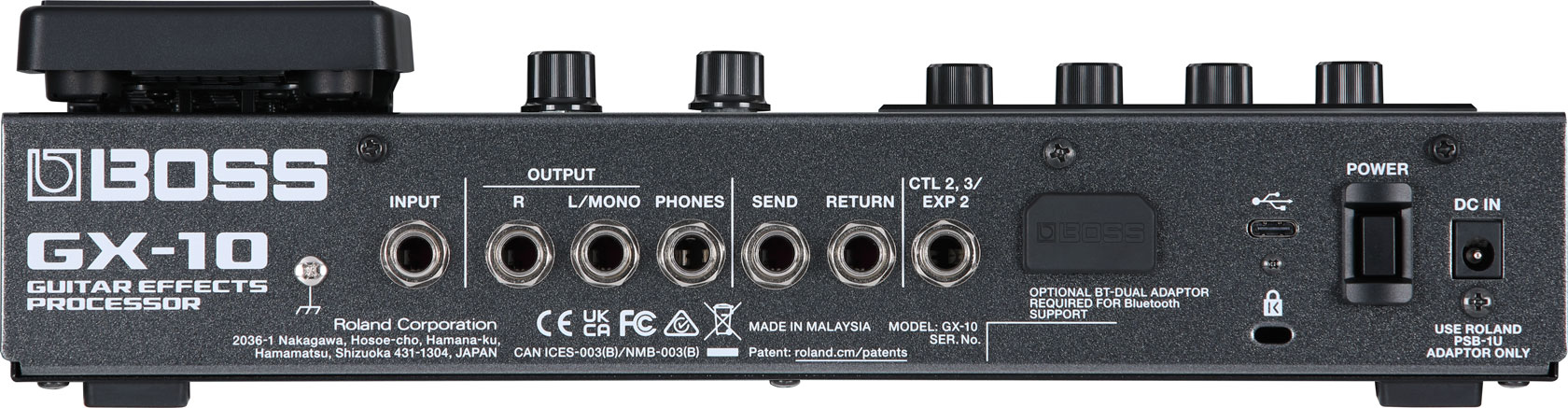
- Compact footprint featuring the color touchscreen display inherited from the GX-100
- Flagship-derived AIRD amps and over 170 built-in effects
- Send/return jacks for seamless integration with physical amps and external pedals
- Simple yet flexible control using three foot switches
- Full-featured USB audio interface functionality
This compact unit packs the premium sound quality and outstanding touchscreen workflow of the higher-end GX-100 into a smaller footprint.
The biggest difference compared to the entry-level GX-1 is the inclusion of the color touchscreen display and send/return jacks. Dialing in tones by dragging and dropping icons just like on a smartphone is a major advantage unique to the GX-10.
It also offers great expandability by allowing you to integrate external pedals into the loop. For players who feel the GX-100 is too large but find button-only navigation tedious, the GX-10 hits the sweet spot between size and functionality.
Best Uses for the GX-10
- Players who prioritize touchscreen visibility and intuitive control
- Players wanting a pedalboard-friendly footprint that still supports external pedals via send/return
- Players looking for a single unit that handles desktop editing at home and easy portability for rehearsals or live gigs
Key Differences from Other Models

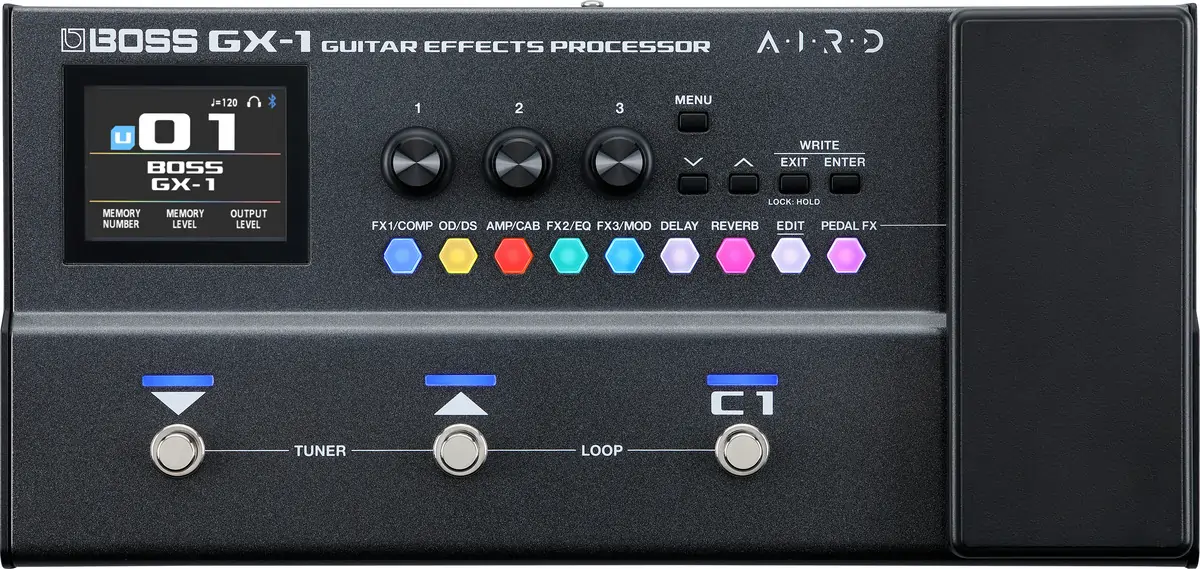
GX-1 | Uncompromised Quality in an Ultra-Compact Footprint
- High-visibility color display with intuitive control via four knobs
- Authentic tube amp response from 23 AIRD amp models inherited from flagship units
- Over 150 built-in BOSS effects with full support for bass
- Built-in Bluetooth® (no adapter required) for effortless smartphone integration
- Powered by AC adapter, USB, or 4 AA batteries; ultra-lightweight 1.2 kg design fits right into a gig bag pocket
Building on the lightweight portability of the hit GT-1, this standout 2026 model upgrades the sound engine to match the latest GX series.
Tone-wise, it features the exact same AIRD preamps found in the higher-end GX-100 and GX-10, delivering true pro-grade audio quality. Plus, in a rare move for a BOSS multi-effects unit, Bluetooth functionality is built directly into the hardware, letting you stream audio or edit patches via smartphone app without purchasing an optional adapter.

Who is the GX-1 for?
- Players who love the GT-1's compact size but want a massive upgrade in tone quality
- Knob purists who prefer hands-on tactile controls over touchscreens
- Players who want seamless smartphone connectivity for practicing and dialing in tones without extra dongles
How it compares to other models

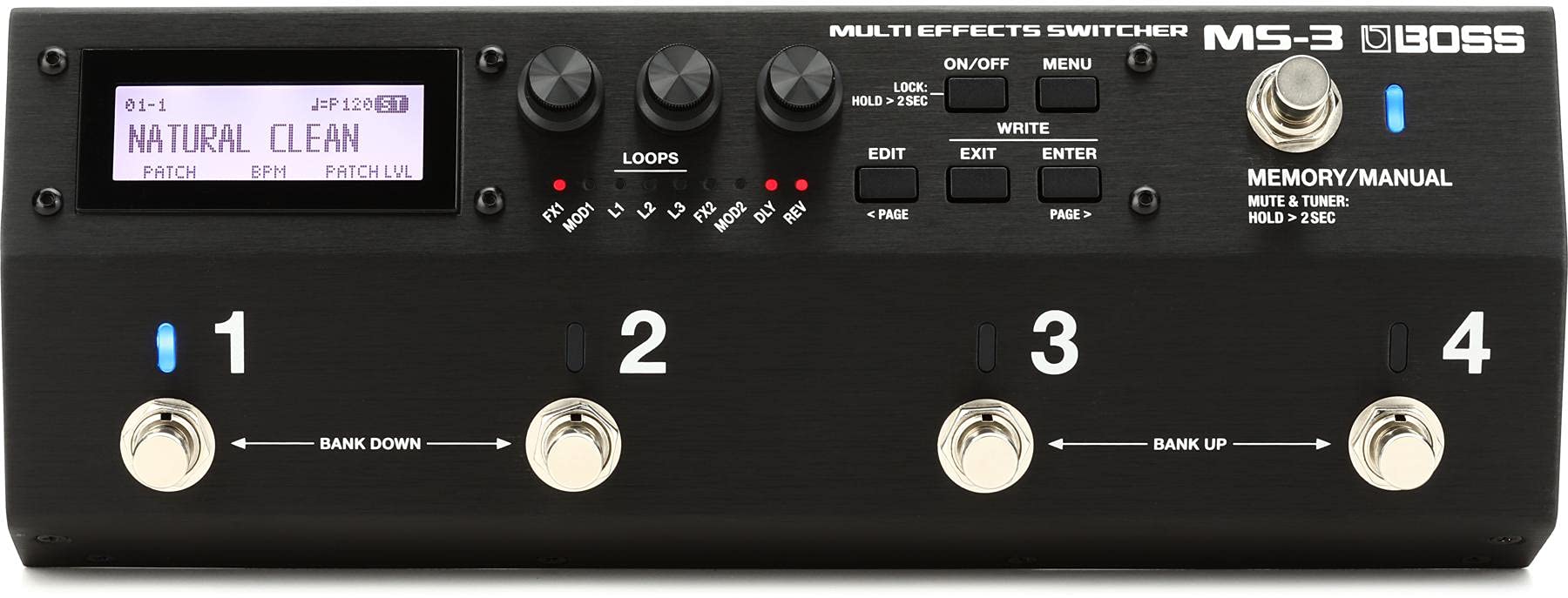
MS-3 | Combining a Switcher and Multi-Effects
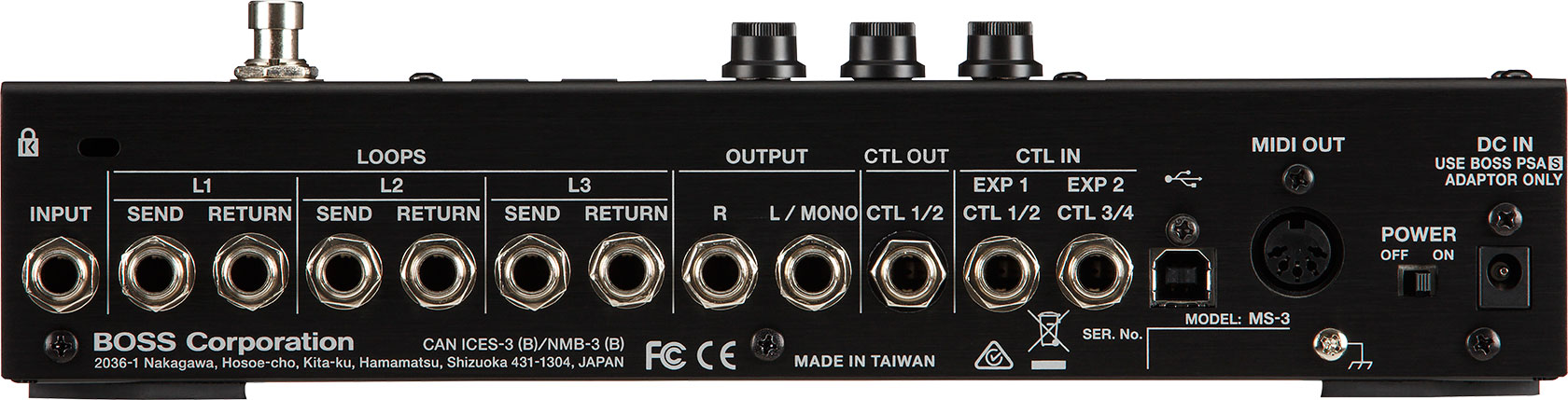
- Integrates a multi-effects unit with a switcher
- 3 loops for combining with external pedals
- 112 built-in effects
- MIDI support for control over other gear
Best Uses for the MS-3
- Players looking to add functionality to an existing pedalboard
- Guitarists who want to craft their tone alongside external pedals
- Players seeking a compact yet feature-packed unit

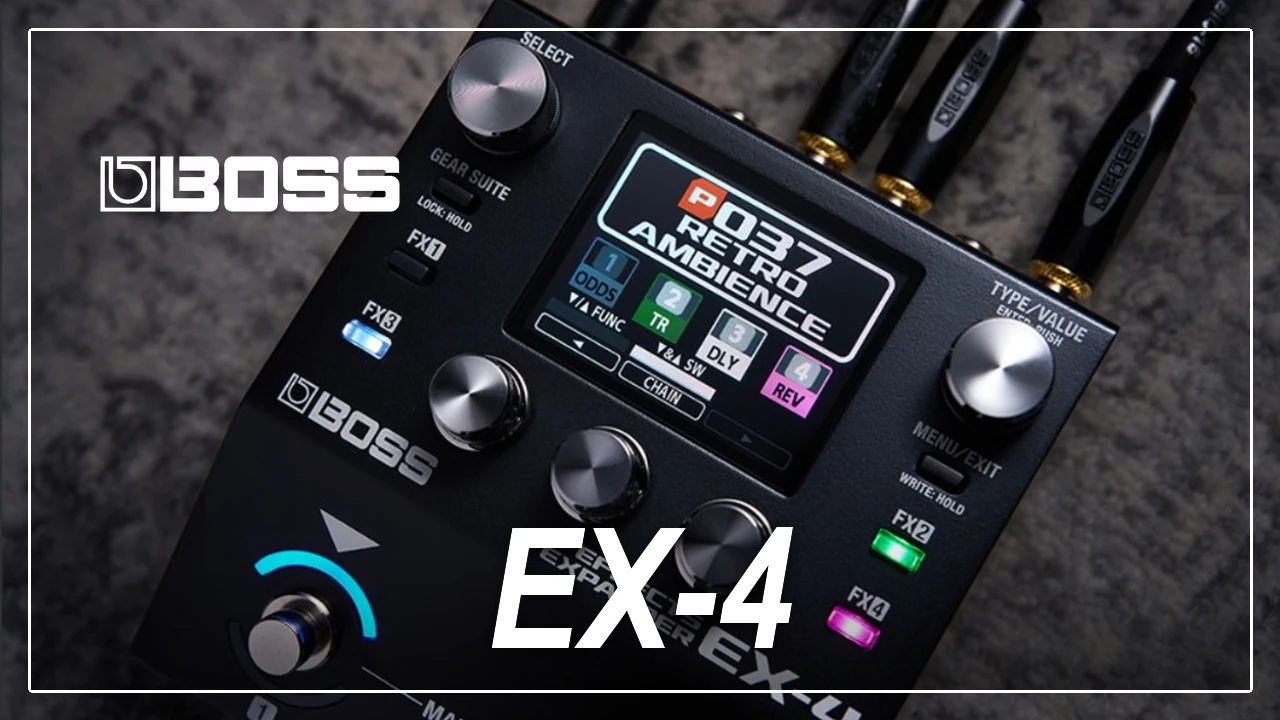
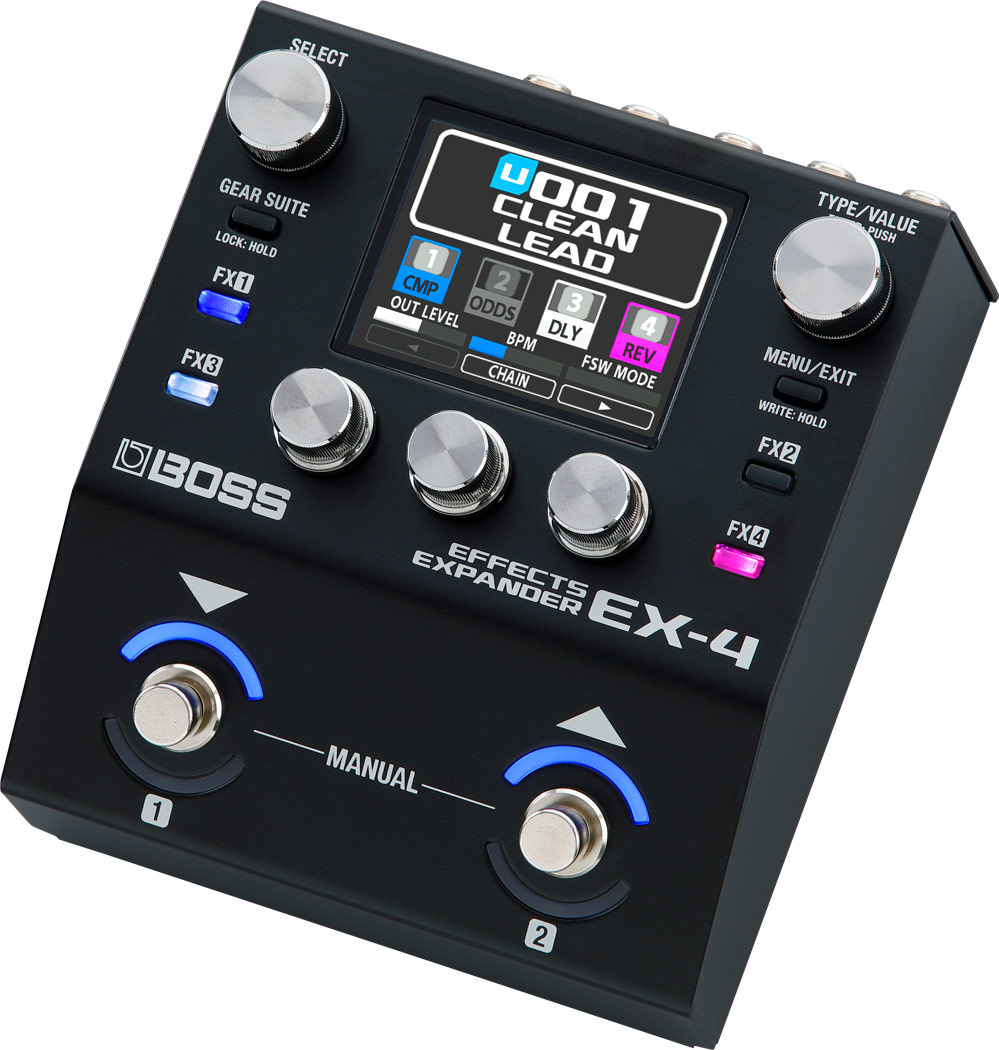
EX-4 | Expand your board with extra effects while keeping your core amp setup
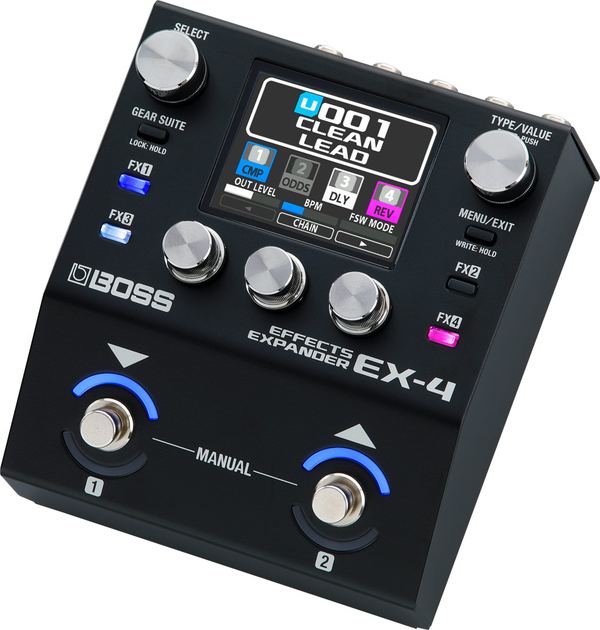
- Focuses purely on 120 effect types (no amp modeling)
- Run up to 4 effects simultaneously with serial/parallel routing
- Stereo I/O, R-jack loop assignment, MIDI IN/OUT, and CTL/EXP
- 2.4-inch color LCD and GEAR SUITE for fast tone shaping
- Compact design (117 mm wide, ~800 g) to fit right into tight board spaces
The EX-4 isn't an all-in-one multi-effects unit. Instead, it's an expansion unit designed to add time-based, modulation, and special effects while keeping your favorite drive pedals and amp tone intact. While the GT and GX series serve as all-in-one amp-and-effects processors, the EX-4 focuses strictly on expanding your pedalboard's effect capabilities.
Check out our standalone review for a deeper dive into audio/video demos, detailed features, and player feedback.
Best Uses for the EX-4
- Upgrade delay and modulation capabilities while keeping your existing drive pedals and amp intact
- Expand your tonal options without sacrificing pedalboard space to a full-size multi-FX unit
- Centralize pedalboard switching with MIDI or external control switches
How it differs from other models
Overall Assessment | Top Pick Shortlist by Use Case
Rather than asking "which one is best," you'll avoid mistakes by focusing on how well it fits your specific use case. Below is our editorial breakdown based on the comparison chart and feature sets (this is not a play-test ranking).
| Use Case | Top Pick | Runner-Up | Comments |
|---|---|---|---|
| All-in-one for live shows | GT-1000 / GX-100 | GX-10 | Plentiful I/O and hands-on control options. Choose based on size and budget. |
| Pedalboard tone engine | GT-1000CORE | GX-10 | CORE focuses on flagship tone processing in a compact footprint. |
| Beginner / Lightweight | GX-1 | GT-1 | If looking for a compact unit, the newer GX-1 offers updated sound. |
| Doubles as a switcher | MS-3 | — | Ideal for rig systems built around external pedals. |
| Expand without changing core tone | EX-4 | MS-3 | Choose the EX-4 if you don't need amp modeling and just want to add FX. |
Summary | How to Choose the Right BOSS Multi-Effects Pedal for You
Who should choose the GT-1000
- Players wanting pro-level tone for live gigs and studio work
- Players who want high-resolution audio quality and a wide array of versatile effects
- Guitarists looking to build a complex rig integrated with MIDI gear and external pedals
- Anyone seeking a tour-ready, stage and recording solution right out of the box
Who should choose the GT-1000CORE
- Players who want the sound engine and features of the GT-1000 in a compact footprint
- Guitarists looking to integrate a flagship multi-effects engine onto a pedalboard
- Those needing a backup rig with identical tone quality to the GT-1000
- Players focused on seamlessly combining their rig with MIDI devices and external stompboxes
Who should choose the GT-1
- First-time multi-effects users
- Players looking for simple, intuitive hands-on operation
- Anyone wanting a lightweight, portable unit that's easy to carry around
- Guitarists who want a hassle-free setup for home practice and casual jam sessions
Who should choose the GX-100
- Players who want intuitive touch-screen editing
- Guitarists wanting flexible cab simulation with support for high-resolution IRs
- Anyone looking to dial in sounds across a wide variety of genres
- Players seeking reliable, high-quality tone for live shows and recording
Who should choose the GX-10
- Players wanting a streamlined, easy-to-use unit
- Guitarists looking for a great value option for practice and jam sessions
- Those who prefer essential features over overly complex routing or settings
- Anyone seeking a light, compact unit for easy portability
Who should choose the GX-1
- Players who want to minimize gear weight and play anywhere on battery power
- Guitarists who prefer physical knobs and buttons over touchscreens
- Budget-conscious players who don't want to compromise on AIRD sound quality
Who should choose the MS-3
- Guitarists looking to integrate a switcher-effects combo onto an existing pedalboard
- Players wanting to combine built-in effects with external stompboxes
- Those who want both loop switcher functionality and multi-effects processing
- Guitarists requiring MIDI integration and external switching capabilities
Who should choose the EX-4
- Players who want to keep their favorite drive pedal or amp as the core sound while adding ambient/modulation FX
- Guitarists looking to expand their pedalboard without adding a full-sized multi-effects unit
- Those who don't need built-in amp modeling or USB recording capabilities