
日本語English
7 Best Compact Tube Amps for Home Use (How to Choose & What to Know)
XTONES is a participant in affiliate programs including Amazon Associates and Reverb. We may earn a commission from qualifying purchases made through links on this page, at no extra cost to you.
Contents (14)
- Want a compact tube amp to use at home
- How to choose a small tube amp?
- Which compact tube amps are worth a look right now?
Many players want authentic tube tone, even for everyday practice.
Below, we’ll cover key buying tips and points to keep in mind, along with 7 compact tube amps worth a look for home use.
The Appeal of Tube Guitar Amps
Even with digital tech advancing so rapidly, countless pro guitarists still rely on tube amps—and for good reason.
It comes down to deep, warm analog tone and expressive dynamic response and detail.
“If a solid-state amp is like a CD, a tube amp is like vinyl.”
That’s a comparison you’ll often hear in the gear world.
Tube Guitar Amps vs. Solid-State Amps
An amp is simply an amplifier for your guitar signal.
A tube amp uses vacuum tubes to amplify the signal.
A solid-state amp uses electronic components called transistors.
Here is a breakdown of their main characteristics.
Tube Amp Features, Pros & Cons
| Pros | Cons |
|---|---|
| Detailed, rich drive and full body unique to tubes Translates subtle picking dynamics into tone (= touch-sensitive) Addictive analog feel Takes drive pedals much better than digital gear | Requires care and maintenance (less beginner-friendly) Needs to be pushed to volume to hit its sweet spot Tends to be more expensive Bulky size takes up more space |
Digital Amp Features, Pros & Cons
| Pros | Cons |
|---|---|
| Small, lightweight, and compact designs Wide array of tones and built-in effects Easier handling compared to tubes Packed with modern features like Bluetooth and app control | Drive and effects can sound slightly digital *Modern units have improved vastly! Less dynamic response compared to tube amps Some don't take drive stompboxes very well |
Small Tube Guitar Amps: Types & How to Choose
Combo Amps vs. Amp Stacks
Combo Amps
An amp that combines the amplifier head and speaker cabinet into a single unit is called a "combo amp."
Being self-contained, combo amps save space and are generally more affordable than buying a separate head and cab stack.
They are a popular choice for home practice and for players who don't need to transport gear frequently.
Amp Stacks
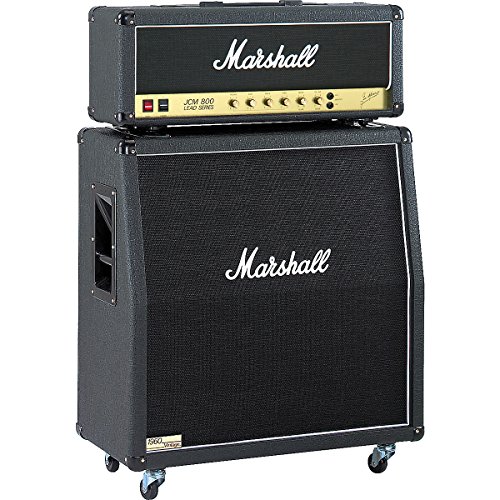
A setup where the amp head and cabinet are separate components is called an "amp stack."
This is a great option if you prefer to bring just your own head to rehearsals and plug into house cabinets.
They tend to be slightly more expensive overall than combo amps.
Key Points to Consider
Power Output (Wattage)
Check Amp Wattage Output!
- Apartments or residential areas with volume constraints → Around 1 to 15W
- No immediate neighbors or soundproofed rooms → Around 15 to 40W
- Rehearsal studios or dedicated home studios → Around 30 to 100W
Tube amps sound louder than solid-state amps at equivalent wattages—even a 5W tube amp can get surprisingly loud at home. Also, keep in mind that tube amps need to be pushed a bit to deliver their best tone.
Tone & Sound Style
- You rely on pedals for gain and just need a solid clean platform on the amp
- You get your drive directly from the amp and use pedals for other effects
- You shape your entire tone directly on the amp
Guitarists generally approach amp setup in one of these three ways.
Specifically, whether you plan to get overdrive from the amp or from pedals will heavily influence your choice.
Inputs & Outputs
- FX Loop (Send/Return)
Used for time-based effects or running amp modelers directly into the power amp return. It’s safer to choose an amp that includes one. - Headphone jack
- Line out / Speaker output
Make sure to check what input and output jacks are available beyond the main guitar input.
An FX loop is especially desirable when buying a tube amp (and many modern amps come equipped with one).
7 Compact Tube Amps Worth a Look
Fender Blues Junior IV
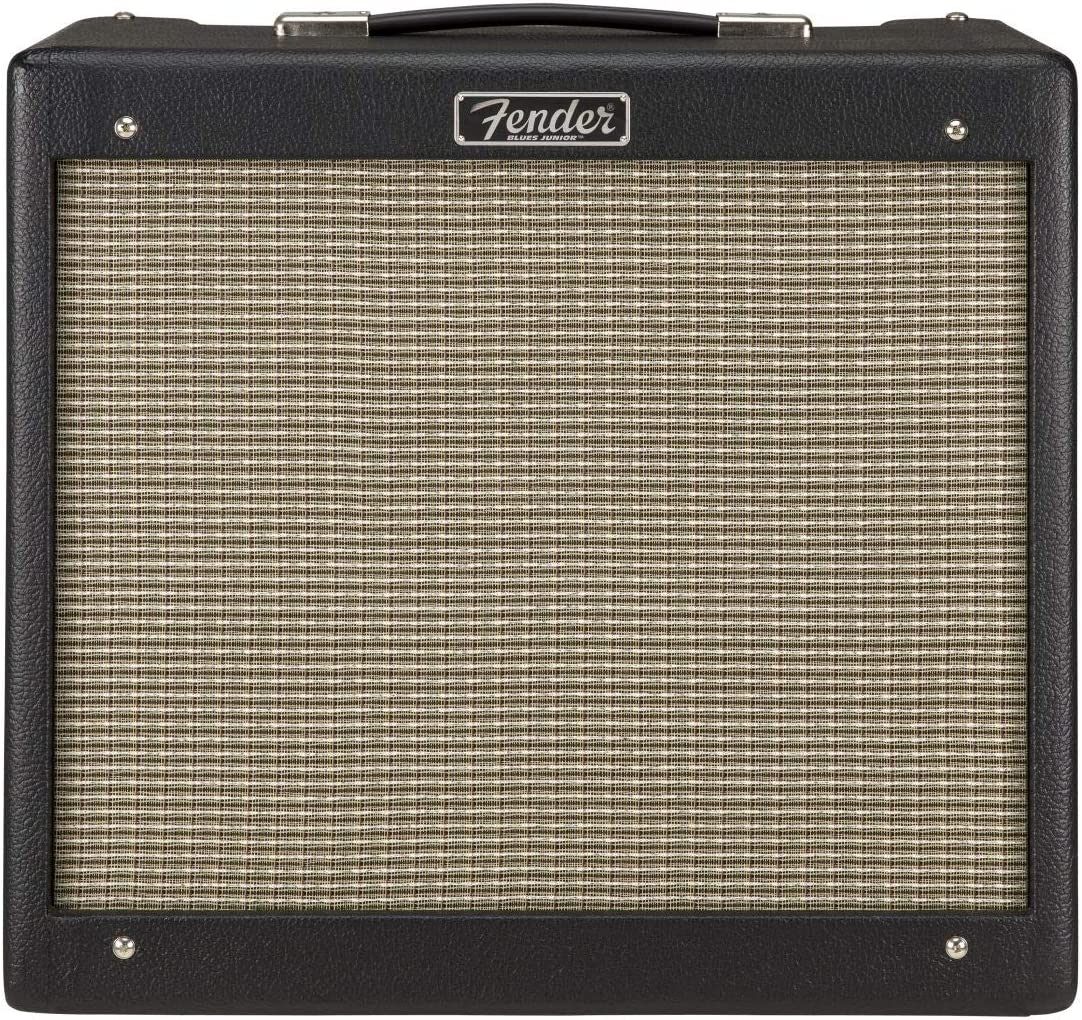
If you want a compact home tube amp with pristine cleans, this iconic model is a top contender.
Countless pro guitarists use one at home, proving its reliable build and sound quality.
It's also pleasantly affordable for an all-tube amplifier.
- Fourth generation of the massively popular Hot Rod series
- 15W output equipped with a single 12-inch Celestion A-Type speaker
- Sparkling highs combined with classic Fender warm, full-bodied clarity
- Punchy mid-range powered by EL84 power tubes
- Warm overdrive tone driven by 12AX7 preamp tubes
- Footswitchable boost function
- Genuine spring reverb delivering rich, lush reverberation
Who is the Fender Blues Junior IV for?
- Guitarists who want pro-level Fender clean tones at home
- Players who have always wanted a Fender tube amp
- Players who rely on pedals to shape their sound

Marshall DSL1C
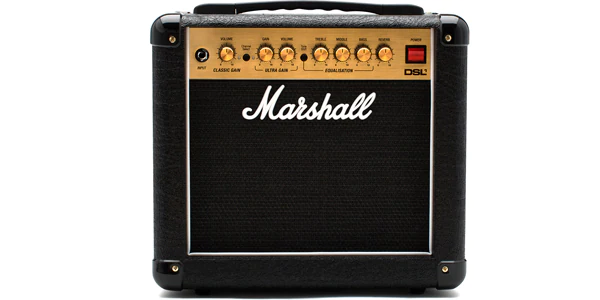
Classic Marshall sound built into a compact combo designed for home use.
From shimmering clean tones to heavy overdrive, the DSL1 combo lets you easily dial in the right sound for your playing style. Packing traditional Marshall tone and features worthy of the storied DSL name into a compact, portable format, it is ideal for home practice.
It features an emulated headphone output that delivers authentic speaker-cabinet feel alongside a power reduction feature that drops output down to 0.1W. Enjoy great tube tone even during low-volume practice or home recording.
- Type: Combo
- Output power: 1W / 0.1W
- Channels: 2 (Classic Gain / Ultra Gain)
- Controls: Volume (Classic Gain), Channel Select, Gain (Ultra Gain), Volume (Ultra Gain), Tone Shift, 3-band EQ (Treble, Middle, Bass), Reverb, Low Power
- Preamp tubes: 2 x ECC83
- Power tube: 1 x ECC82
- Speaker: 1x8″ Celestion G8C-15 "Eight-15" (15W) 16Ω
- Footswitch: Included
- Dimensions (cm): 36 x 34 x 21.5 (W x H x D)
- Weight (kg): 7.9
- Notes: Effects loop (Send/Return) included
The Marshall DSL1C is ideal for:
- Players who want real Marshall tone—from clean to high-gain—at home
- Guitarists who can't crank the volume but still want a real tube amp
- Anyone looking for a high-value tube amp on a reasonable budget

Marshall DSL20H
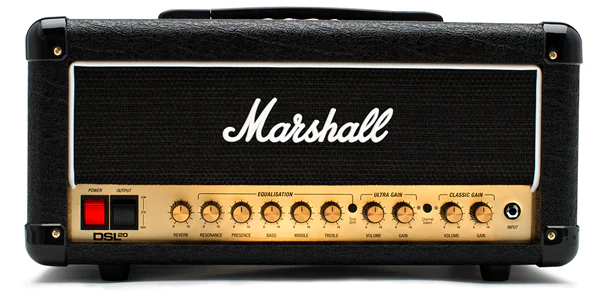
The DSL20H is ideal for players who want classic tube amp tone in a compact, portable format. Packed with versatile features, it inspires creativity and helps you shape your own distinct sound.
- Type: Amp Head
- Power Output: 20W / 10W
- Channels: 2 (Classic Gain, Ultra Gain)
- Controls: Classic Gain channel (Gain, Volume), Channel Select, Ultra Gain channel (Gain, Volume), Tone Shift, 3-band EQ (Treble, Middle, Bass), Presence, Resonance, Reverb
- Preamp Tubes: 3 x ECC83
- Power Tubes: 2 x EL34
- Footswitch: Included
- Dimensions (cm): 50 x 25 x 24 (W x H x D)
- Weight (kg): 9.7
- Notes: FX loop included
The Marshall DSL20H is ideal if you:
- Want classic Marshall tone at home, from pristine cleans to heavy drive
- Need a portable amp head for gigs and rehearsals
- Have an environment where you can get some decent volume

Blackstar HT-1R/5R
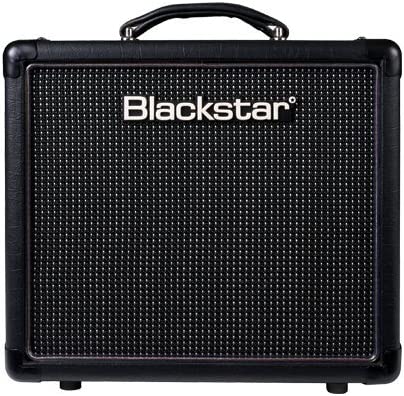
Despite its compact 1W footprint, the Blackstar HT-1R MkII combo amp delivers a wide array of sonic character. Thanks to its unique ISF control, you can easily dial in everything from bright US-style voicings to warm, woody UK-style tones.
- Guitar combo amp
- Format: Combo
- Output power: 1W
- Tubes: 1 x ECC82, 1 x ECC83
- Proprietary push-pull power amp design
- Equipped with ECC83 preamp tube and ECC82 power amp tube
- 2-channel design (Clean / Overdrive)
- USB audio output
- Studio-quality reverb
- 4–16Ω extension speaker jack
- Controls: Gain, OD switch, ISF, Reverb, Master
- Speaker: 1 x 8″ custom-designed speaker
- Dimensions: 311 x 306 x 178 mm
- Weight: 5.6 kg
Who the Blackstar HT-1R/5R is ideal for:
- Players who want aggressive tube tone at home practice volumes
- Players looking for a versatile amp that pairs well with any guitar
- Players who want high-gain capability without sacrificing easy-to-use clean tones

Reverb-equipped model with switchable 5W/0.5W power

Hughes&Kettner Tube Meister 18 Head
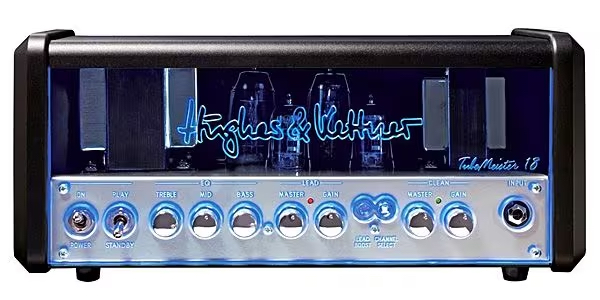
- Guitar amp head
- Power output: 18W (Power Soak: 18W / 5W / 1W / 0W)
- Tubes: 2 x 12AX7, 2 x EL84
- 2 channels: Clean and Lead
- Controls: Gain, Master, 3-band EQ, Lead Boost
- Equipped with Red Box DI out, FX loop, and Tube Safety Control
- Dimensions & weight: 356 x 156 x 150 mm, 5 kg
Who the TubeMeister 18 Head is for
- Want that iconic blue-glowing Hughes & Kettner look
- Love its signature mid-range punch and response
- Need fine control over power output

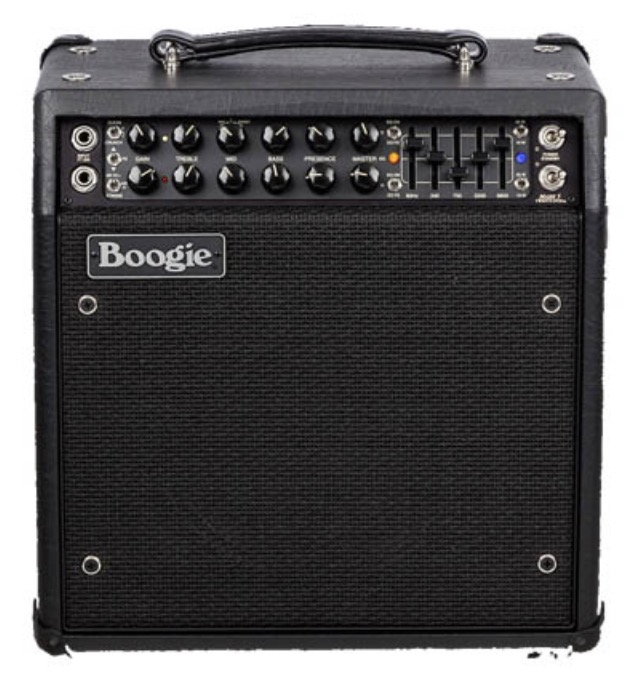
Mesa Boogie Mark-V Twenty-Five 1×10 Combo
The Mesa Boogie Mark-V is a dream amp for almost any rock guitarist.
Everything that makes the top-selling MESA/Boogie Mark V:25 head so popular is packed right into a compact 10-inch combo format.
It is widely praised not just for its drive tones, but also for its cleans, and it takes pedals remarkably well.
- Designed and Handcrafted in Petaluma, California USA
- All-tube amplifier: 2 x EL84 power tubes / 6 x 12AX7 preamp tubes
- 10/25W Power Switch: Multi-Watt™ power + Dyna-Watt™ technology lets you choose between 10W and 25W output modes • 10W mode (Class A/B Triode mode) = Harmonic-rich, smooth tone at lower volumes • 25W mode (Class A/B Pentode mode) = Punchy, clear sound at maximum output
- 2 fully independent channels / 6 modes (Ch 1: Clean/Fat/Crunch, Ch 2: MARK IIC+/MARK IV/XTREME mode)
- Ch 1 MID/BOOST feature: Functions as a standard MID control from 0–5.0; boosts midrange gain and saturation from 5.0–10
- CAB CLONE™ Cabinet Simulator (internal load, cabinet type select <Closed-Back/Open-Back>, Speaker ON/OFF switch, headphone output, ground lift switch)
- 5-Band Graphic EQ™ (footswitchable)
- Channel-independent all-tube spring reverb (rear panel)
- Buffered tube effects loop
- Fixed bias (maintenance-free)
- Speaker: Celestion G10 Creamback (8Ω) x 1
- 2-button footswitch (Channel 1/2, EQ ON/OFF) and slipcover included
- Dimensions: 37.5 cm (H) x 35.9 cm (W) x 23.8 cm (D) / Weight: 10.9 kg
Who the Mesa Boogie Mark-V is best for
- You admire guitarists who play Mesa Boogie amps
- You want a genuine tube amp that handles everything from cleans to high-gain
- You already have a clear idea of the sound and direction you want to achieve

Small Tube Guitar Amps: Usage and Maintenance
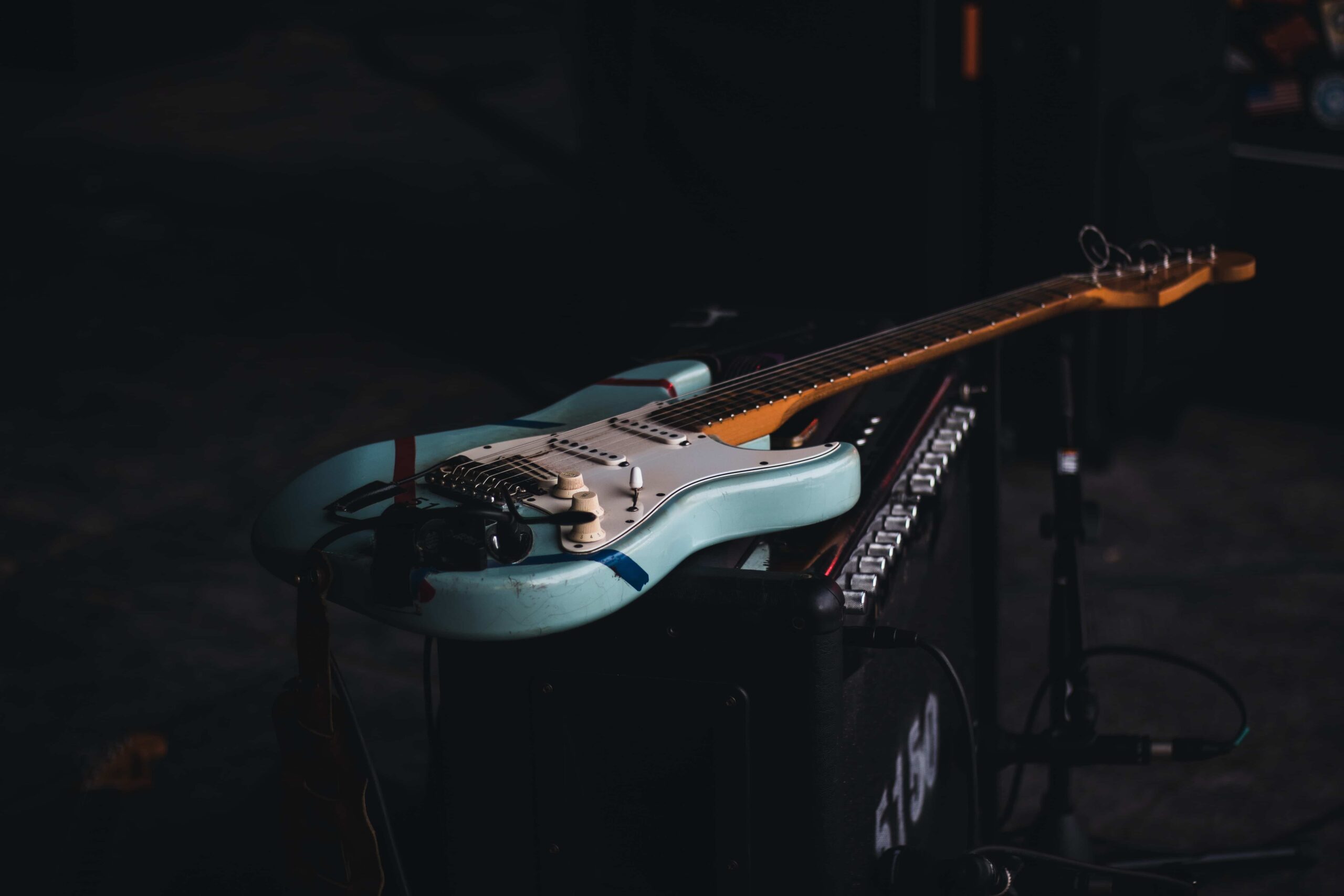
How to Use a Tube Amp
- Connect your guitar to the amp
- Make sure all knobs on the amp are set to 0
- Turn on the POWER switch
- Wait 2 to 3 minutes for the tubes to warm up
- Turn on the STANDBY switch
Tube guitar amps feature two separate switches: STANDBY and POWER. Using them improperly can put unnecessary strain on the amp or lead to malfunctions, so take care when powering on and off.
To power down, reverse the process:
Switch off STANDBY first, then POWER.