
日本語English
11 Best Wah Pedals: Styles, Selection Guide & Top Picks [Classics, High-End, Vintage & Mini]
XTONES is a participant in affiliate programs including Amazon Associates and Reverb. We may earn a commission from qualifying purchases made through links on this page, at no extra cost to you.
Contents (18)
A wah pedal adds vocal-like "wah-wah" expression and dynamic inflection to your guitar tone.
From rhythmic funk chops to soaring rock solos, it remains one of the most expressive stompboxes that has captivated guitarists across all genres.
That said, despite sharing similar treadle designs, the tonal characteristics vary significantly—starting with the classic split between VOX-style and Cry Baby-style circuits.
Below, we break down key selection criteria and features, then compare top-rated models by category alongside real player feedback.
What Is a Wah Pedal?
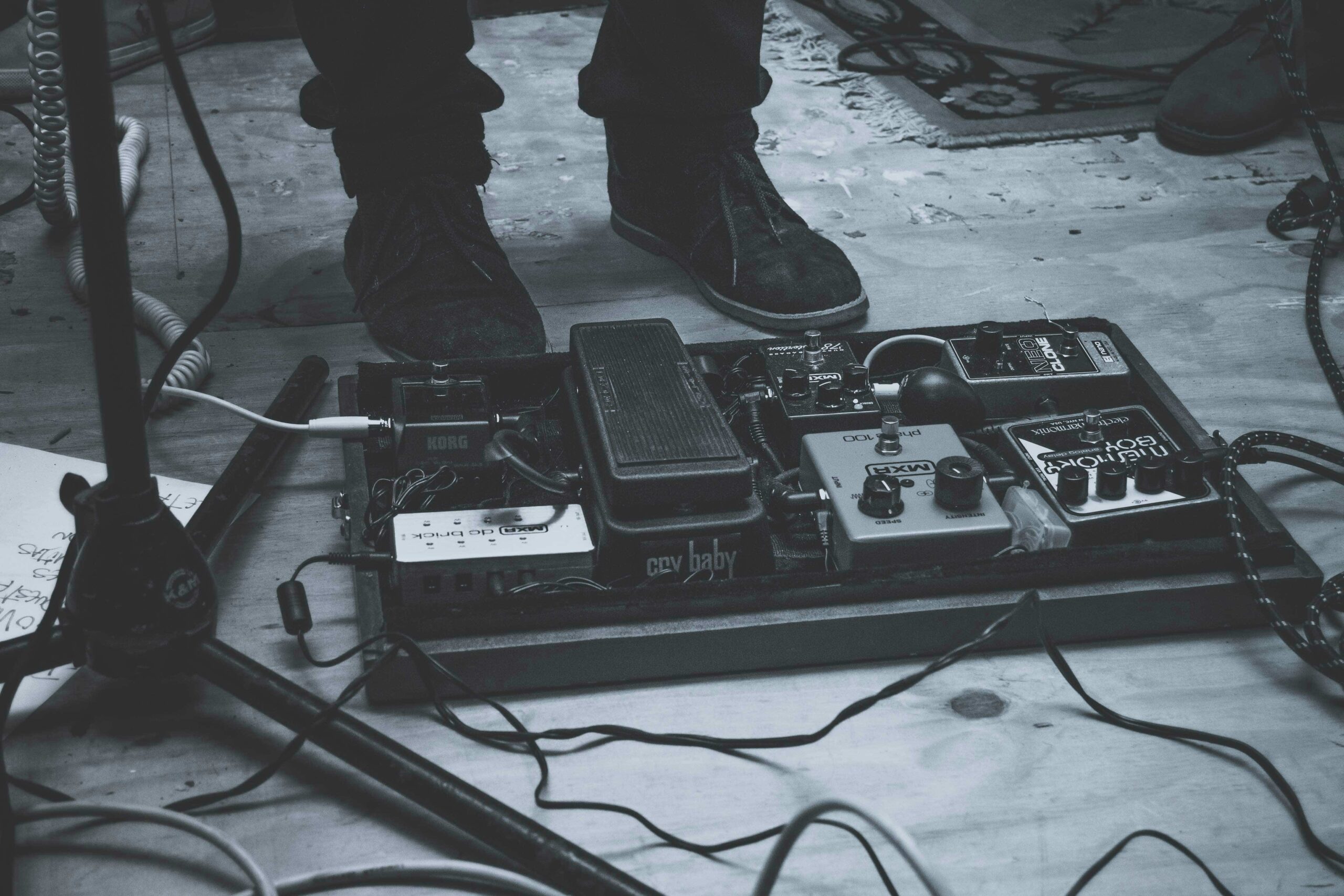
A wah pedal imparts a human vocal sweep to your guitar sound.
Rocking the treadle back and forth sweeps through the frequency spectrum, creating an effect that sounds as if your guitar is speaking.
- Heel down → Darker, muffled tone with boosted bass
- Toe down → Brighter, sharper tone with boosted treble
Common Applications
- Rhythm Work
Percussive "chaka-poko" rhythms in funk and soul - Lead Solos
Pushing the midrange in rock and metal to cut through the mix - Special Effects
Expressive filter sweeps that make the guitar cry or talk
How to Choose a Wah Pedal
Tonal Flavor: VOX-Style vs. Cry Baby-Style
- VOX-style = Smooth, rounded 60s vintage vibe
Ideal for clean-to-crunch rhythm work, blues, soul, and classic British rock. - Cry Baby-style = Edgy, aggressive response built for rock
Retains clear note definition even when pushed into high-gain drive pedals or amps. Great for hard rock and metal lead work.
Tone Shaping Controls (Q, Range, EQ)
- Q Control
Adjusting the peak intensity lets you match the pedal to different pickups and amplifiers. - Selectable Ranges / Internal DIP Switches / EQ
Switchable sweep ranges and onboard EQ let a single unit adapt to multiple genres—perfect for players who love fine-tuning their tone.
Built-In Boost Function
- Onboard Boost
Models featuring +15 to +20 dB boost circuits let you kick up your output for lead solos without needing a separate boost pedal on your board.
Switching Style and Workflow
- Switchless Operation: Quick, effortless engagement
Engages automatically when stepped on—ideal for fast accent phrases on busy pedalboards. - Latching Toe-Switch: Perfect for "cocked wah" tones
Easily parked at a fixed treadle position for parked-filter tone shaping.
Size and Treadle Response
- Mini Enclosure Pros & Cons
Saves significant pedalboard real estate and cuts weight, though the shorter travel arc requires some adjustment. - Pot & Gear Tension
Treadle resistance and return tension vary between manufacturers. If possible, test in person to see what feels best underfoot.
Price Point and Resale Value
- Standard models offer easy entry and strong resale
Start with an industry standard to establish your benchmark before deciding if you need advanced features or boutique options. - Boutique pedals carry premium price tags but offer unique character
If you want a long-term keeper with top-tier components, brands like Xotic or JAM Pedals are well worth considering.
Comparison Chart
| Model Name / Price (Japan/US) | GCB95 Cry Baby Standard | 535Q Cry Baby Multi | 95Q Cry Baby (Switchless) | CM95 Clyde McCoy | MC404 CAE Wah | JP95 Petrucci Sig. | V847A Vox Wah | V846-HW Vox HW | XW-1 Xotic Wah | Wahcko JAM Pedals | CBM95 Cry Baby Mini |
|---|---|---|---|---|---|---|---|---|---|---|---|
| Yen reference | about ¥15,000 (yen reference) | about ¥25,000 (yen reference) | about ¥24,000 (yen reference) | about ¥28,000 (yen reference) | about ¥30,000 (yen reference) | about ¥36,000 (yen reference) | about ¥11,000 (yen reference) | about ¥33,000 (yen reference) | about ¥35,000 (yen reference) | about ¥65,000 (yen reference) | about ¥20,000 (yen reference) |
| Approx. US street | $100 | $180 | $160 | $200 | $200 | $200 | $180 | $300 | $350 | about ¥65,000 (yen reference) | $120 |
| Size / Form Factor | Standard | Standard | Standard | Standard | Standard | Standard | Standard | Standard | Compact | Standard | Mini |
| Circuit / Tonal Character | Modern / Standard tone | Modern / Highly versatile | Modern / Highly versatile | Vintage-style (60s sound) | Modern / Dual VOX & Cry Baby voicing | Modern / Precision tuning | Classic / Open tone | Vintage-style (V846 reissue) | Vintage core + deep adjustments | Vintage-style + expressive range | Modern / Mini classic tone |
| Inductor Type | Fasel (Red) | Fasel (Red) | Fasel (Red) | Halo (Reissue) | Dual Fasel (Red/Yellow) | Fasel (Red) | VOX Custom | Halo-style | Fasel (Red) | Fasel (Red) | Fasel (Red) |
| Variable Q Control | Fixed | Yes (Side knob) | Yes (Side knob) | Fixed | Yes (Internal trim) | Yes (Side knob) | Fixed | Fixed | Yes (Side knob) | Fixed | Fixed |
| Sweep Range Adjustment | Fixed | 6-position selector knob | Fixed (Cry Baby range) | Fixed (Vintage setting) | 2-mode Fasel switch | 6-band EQ (Internal) | Fixed | Fixed | Adjustable via internal DIP switches | 6-position switch | 3-mode switch (Low/Vtg/GCB) |
| Boost Function | No | Yes (0 to +16 dB switchable) | Yes (0 to +15 dB continuous) | No | Yes (+20 dB switchable) | Minor (via output volume) | No | No | No | No | No |
| Switching Style | Latching switch (Toe click) | Latching switch (Toe click) | Switchless (Auto-off when released) | Latching switch | Latching switch | Latching switch | Latching switch (with input buffer) | Latching switch | Latching switch | Latching switch | Latching switch |
| LED Indicator | No | No | No | No | Yes (Dual side LEDs) | Yes (Dual blue LEDs) | No | No | Yes (On when active) | Yes (Red LED) | No |
Approx. US street prices are rounded retailer prices as of November 6, 2026, before sales tax. Not a live quote. Figures kept in yen are a yen reference.
Iconic Best-Sellers
Jim Dunlop / Cry Baby GCB95 (The Benchmark Wah)
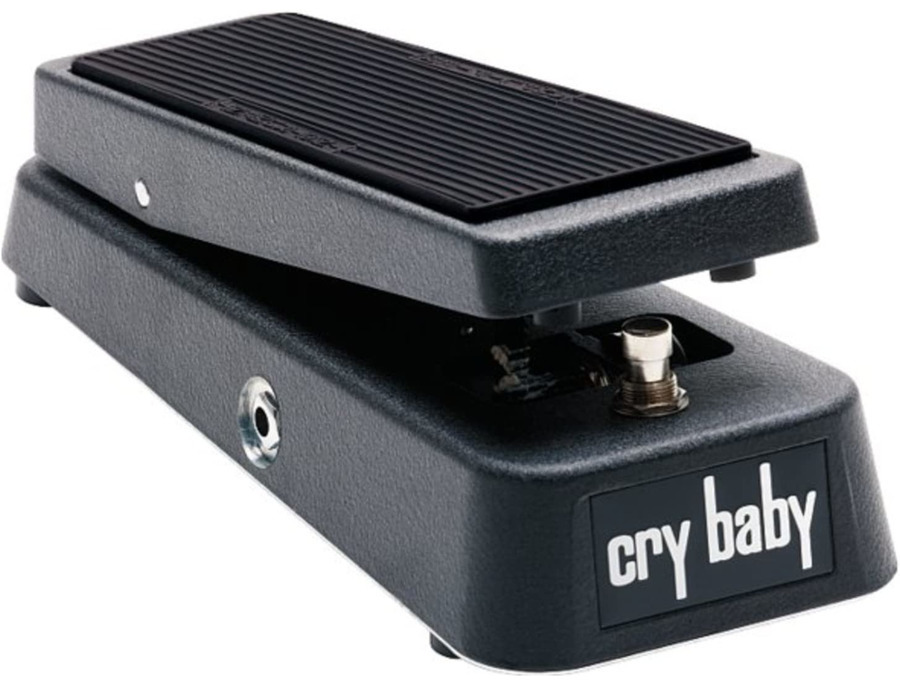
- Classic Cry Baby Sound
Since its release in 1966, this model has served as the definitive benchmark for wah pedals. It remains an iconic design famously used by legends such as Jimi Hendrix and Eric Clapton. - Aggressive, Dynamic Sweep
Rocking heel-down scoops out the low end, while toe-down delivers a sharp, biting treble peak. That bold, vocal filter sweep is the signature Cry Baby tone. - Versatile Across Genres
Pairs exceptionally well with drive pedals, easily handling everything from funky clean rhythm chops to roaring distortion solos. Its simple, durable build makes it a reliable choice for players at any level.
The GCB95 is the go-to standard for anyone buying their first wah pedal. Free of unnecessary complications, it is straightforward to operate and stays budget-friendly.
Rock the treadle and it immediately delivers the classic wah response that cuts through any live mix. It is truly a "can't-go-wrong benchmark," highly recommended as an essential starting point.
Positive Reviews
- Dependable standard
"Simple, built like a tank, and instantly familiar. Zero complaints on action or tone," note many players praising its reliability. - Cuts through the mix
"The bite on the high end keeps it clearly audible in a loud band context," according to users who praise its stage presence. - Great synergy with drive pedals
"Retains note definition even when running into distortion pedals," satisfying players looking for clarity under gain.
Negative Reviews
- Treble can get piercing
Depending on the rig setup, some find the full toe-down position a bit sharp on the high end. - Minor bypass tone loss on older models
A few users report subtle high-end tone loss when disengaged on classic units (though recent production runs include input buffers to improve bypass fidelity).

VOX / V847A (Classic 60s Voice / Traditional Sweep)
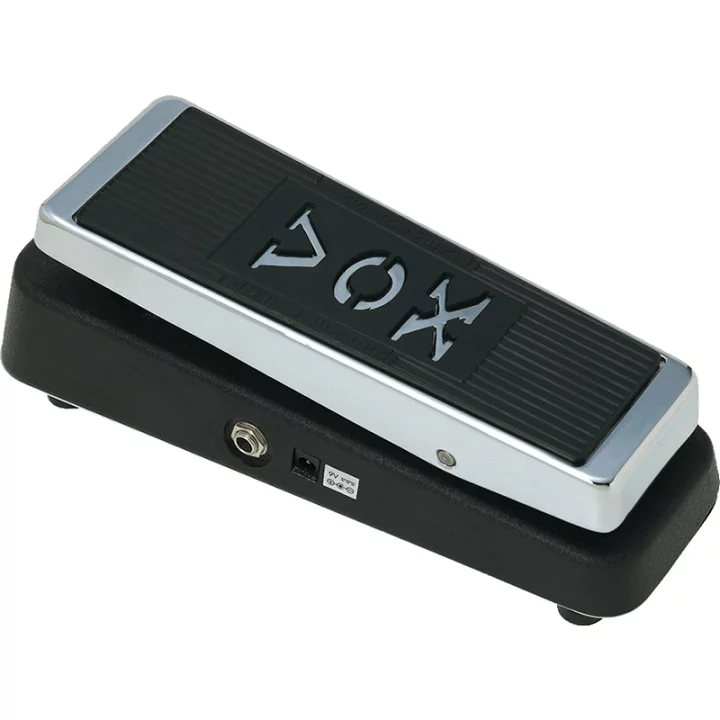
- Successor to the 60s Vox Wah
Carries on the iconic wah sound from VOX, the creator of the world's first wah pedal. Based on the legendary V846 introduced in 1967, it delivers the traditional tone championed by Eric Clapton and Jimi Hendrix to modern players. - Smooth, Musical Sweep
Compared to Dunlop models, the frequency peak is rounded and smooth. The gentle filter curve avoids harsh high frequencies, adding a clean, expressive sweep even during clean or crunch rhythm playing. - Modern Utility Updates
Features standard center-negative AC adapter power support and a built-in input buffer circuit. This prevents tone suck when bypassed and preserves your dry signal's clarity when off. The classic exterior captures the vintage 60s look.
The V847A is a staple choice for capturing vintage VOX wah tones at an accessible price. Described as musical and refined rather than overly aggressive, it fits nicely into blues, soul, and other styles that thrive on warm mid-range character.
On the other hand, because the sweep contour is smoother, it can sound a bit more subtle in high-gain solos compared to a Cry Baby. Still, at an affordable price point, it is a fantastic choice for anyone looking to try the vintage VOX sound.
Positive Feedback
- Smooth, classic vintage tone
Many players praise its rounded sweep that evokes classic rock tones. - Natural, controllable sweep
Users love that the mild filter curve keeps clean tones from sounding harsh or piercing. - Affordable price
Reviewers frequently highlight its solid build quality for an accessible price.
Considerations
- Can feel too subtle
Some note it feels reserved compared to sharper wahs, which might lack punch for heavy rock lead styles. - Stiff footswitch engagement
Some players mention the on/off switch requires a firm press, though it is rarely an issue when playing standing up.

Feature-Rich and High-End
Jim Dunlop / 535Q Multi-Wah (Versatile Workhorse with Variable Q & Boost)
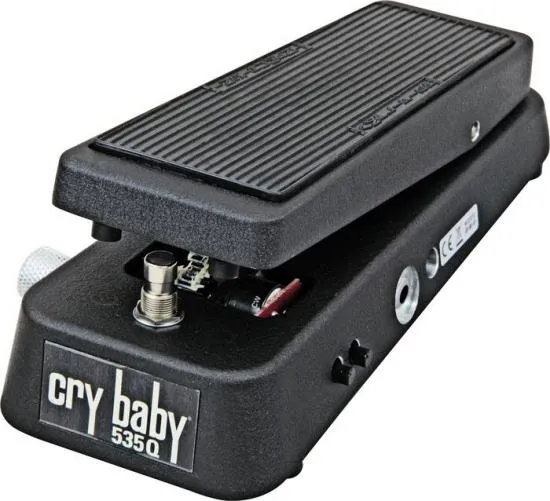
- Wide Range of Tonal Options
A 6-position rotary switch on the side lets you select the sweep frequency range. From bright and treble-focused to low-end heavy, a single pedal delivers a wide variety of wah tones. - Variable Q Control
A dedicated knob lets you adjust the intensity (Q) of the filter sweep. Dial in anything from a sharp, peaked resonance to a subtle, wide filter sweep to match your guitar or song context. - Built-In Boost Function
A red switch near the heel engages up to +16dB of boost. Step on it during solos to instantly push your volume and gain. The output level is adjustable via a side knob, giving you boost functionality without needing an extra boost pedal.
The 535Q is often called the “Swiss Army knife of wah pedals” because of its ability to handle almost any scenario. Built on the classic Cry Baby foundation, its real strength lies in allowing you to fine-tune your exact sound with its knobs and switches.
On the other hand, the extra controls can make it feel a bit complex for beginners. However, players who master its settings often find it's the only wah pedal they'll ever need, making it ideal for those who want deep tone control.
Pros
- Versatile tone shaping
Many players love the wide adjustment range, noting they can easily dial in the best wah tone for different guitars with a single knob. It easily adapts to any genre. - Convenient built-in boost
Users praise the built-in booster for cutting out the extra step of turning on a separate volume boost for solos. It's a powerful tool on stage when used effectively. - No need for another wah
Some users report that after getting the 535Q, they stopped looking at other wah pedals. Dialing in their preferred sound once yields results they stick with for good.
Cons
- Settings can be overwhelming
Some note that the numerous knobs make it time-consuming to find the ideal setting. Players accustomed to plug-and-play wahs might feel a bit lost at first. - Higher price point
Some point out that it is a bit pricey for beginners to try out. Compared to standard iconic wah pedals, the higher price tag can feel like a hurdle.

Jim Dunlop / 95Q (Switchless + Variable Q + Boost / Built for Live Performance)
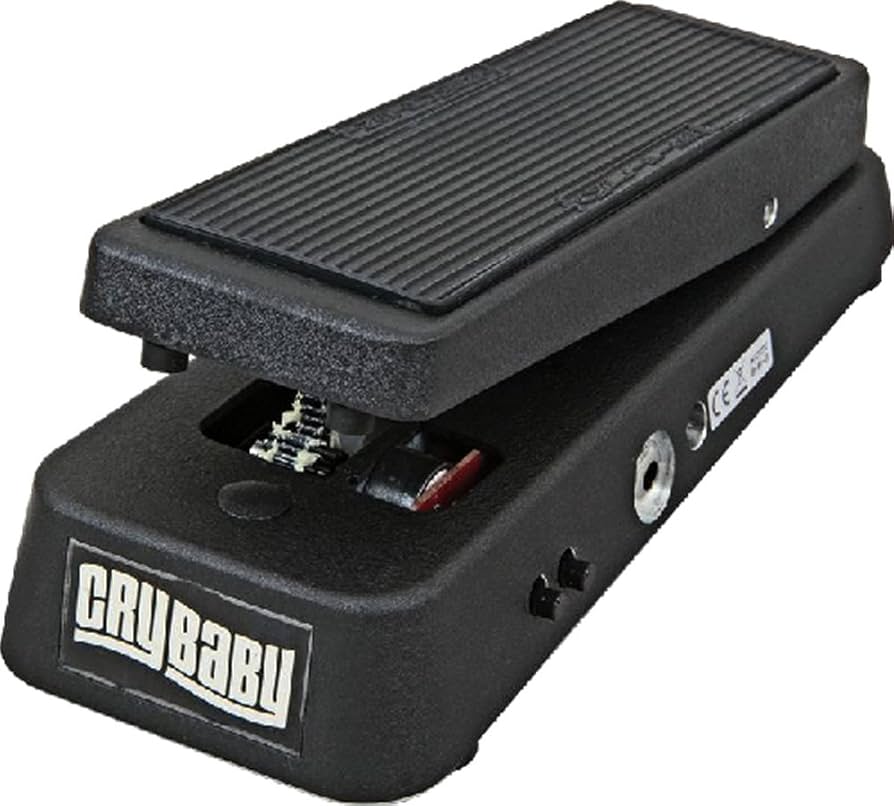
- Auto-on/off just by stepping on it
Uses a switchless design that removes the traditional toe switch. Placing your foot on the treadle automatically engages the circuit, and lifting it off returns to bypass. It's a gig-ready design built for triggering wah effortlessly on the fly. - Variable Q and volume boost
Like the 535Q, it features a Variable Q knob to adjust the intensity and peak of the sweep. It also includes a Vol trim control offering up to +15 dB of boost. Because your volume level stays pre-set without requiring a separate toggle switch, it prevents accidental volume jumps. - Classic Cry Baby tone
The core voice delivers the punchy Cry Baby sound inherited from the GCB95. Fitted with a Red Fasel inductor inside, it retains that aggressive original wah tone while letting you modern-tune the Q intensity and output.
The 95Q is essentially a stage-focused evolution of the classic Cry Baby. Because you can engage the effect instantly just by placing your foot on the pedal, it's perfect for stepping in quickly for brief passages during a song. Combined with versatile tone shaping and no need to tap a separate boost switch, it keeps things simple on stage.
However, because it turns off automatically when you lift your foot, parking the pedal to hold a stationary filter sound (a "cocked wah") is physically difficult. Depending on your playing style, this trade-off comes down to preference.
Positive Feedback
- Zero switch stress
"It's so convenient—engages just by stepping on it and turns off when you release!" Players love the smooth operation, praising how intuitive it feels without timing a heavy toe press. - Great for gigging
"Perfect when you only need wah for a brief moment in a song." Users highlight how practical it is live for streamlining switching on a busy pedalboard. - Flexible sound shaping
"You can fine-tune both the sweep shape and volume boost to your liking." Players appreciate retaining classic Cry Baby tone while dialing in precise details.
Critical Feedback
- Hard to park for cocked-wah sounds
"Since it turns off as soon as you remove your foot, you can't leave the pedal in position to hold a sustained filter sound." It is not suited for stationary sweep tones. - Off-switch timing
"The switch-off feels a bit abrupt right when you return it all the way back." Some players note needing a brief adjustment period to get used to the auto-off timing (though the internal off-delay time can be adjusted).

Dunlop / John Petrucci JP95 (Precise setup via Vol / Q / 6-band EQ)
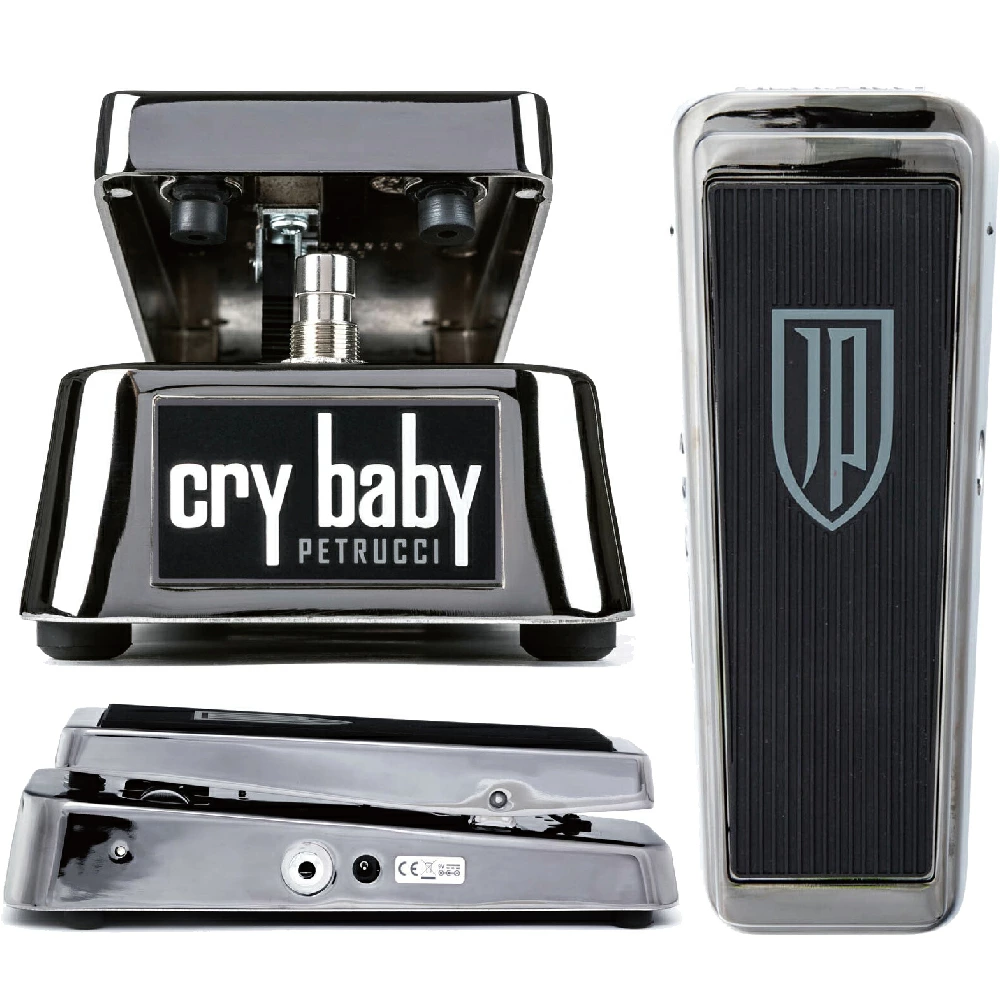
- Built-In 6-Band EQ Signature Model
A signature wah pedal developed to meet the demands of progressive metal virtuoso John Petrucci (Dream Theater). It houses an internal 6-band graphic EQ that lets you fine-tune the frequency response of the sweep. It comes pre-set to deliver the thick, commanding wah tone Petrucci demands. - External Volume & Q Controls
Equipped with side-mounted knobs to adjust output volume (VOL) and wah bandpass shape (Q). While offering similar flexibility to the 535Q mentioned earlier, the precise internal EQ allows boosting or cutting specific frequencies. Based on Petrucci's own rack wah settings, it delivers a truly "huge and badass" wah tone. - Pro-Grade Build & Design
Features true bypass switching to keep your dry signal untouched when disengaged. Dual blue LEDs on both sides let you check the on/off status instantly. Housed in a premium gunmetal enclosure, it's built explicitly for professional stage and studio use.
The JP95 delivers an exceptionally rich, thick wah tone. Petrucci himself describes it as sounding aggressive like an angry beast yet maintaining a solid core, ensuring high-energy lead playing cuts through any mix without getting lost.
While priced higher than standard wah pedals, it's an unmatched option for tone purists who want total control over every detail of their sound.
Positive Feedback
- Massive, Thick Sound
Many players praise its rich sound, noting that the low end is thick and the presence is on a whole different level compared to standard wahs. It earns high marks for cutting effortlessly through a band mix. - Deep Tone Shaping
Guitarists love the ultimate tone control offered by the internal EQ, noting it hits all the right spots. Being able to dial it in perfectly for specific rigs and preferences is a huge selling point. - Gig-Ready Reliability
Players appreciate practical features like the dual LEDs ("hugely helpful for knowing when it's engaged on stage") and its rock-solid, durable build.
Negative Feedback
- High Price Point
Some users hesitate at the premium price tag, considering it a significant investment for a single wah pedal. However, many add that the tone makes it well worth the money. - Learning Curve for Setup
Some point out that tweaking the internal EQ can turn into a rabbit hole, making it potentially overwhelming for beginners to dial in fully.

MXR/CAE MC404 (Dual Fasel + Boost / A Pro Stage Staple)
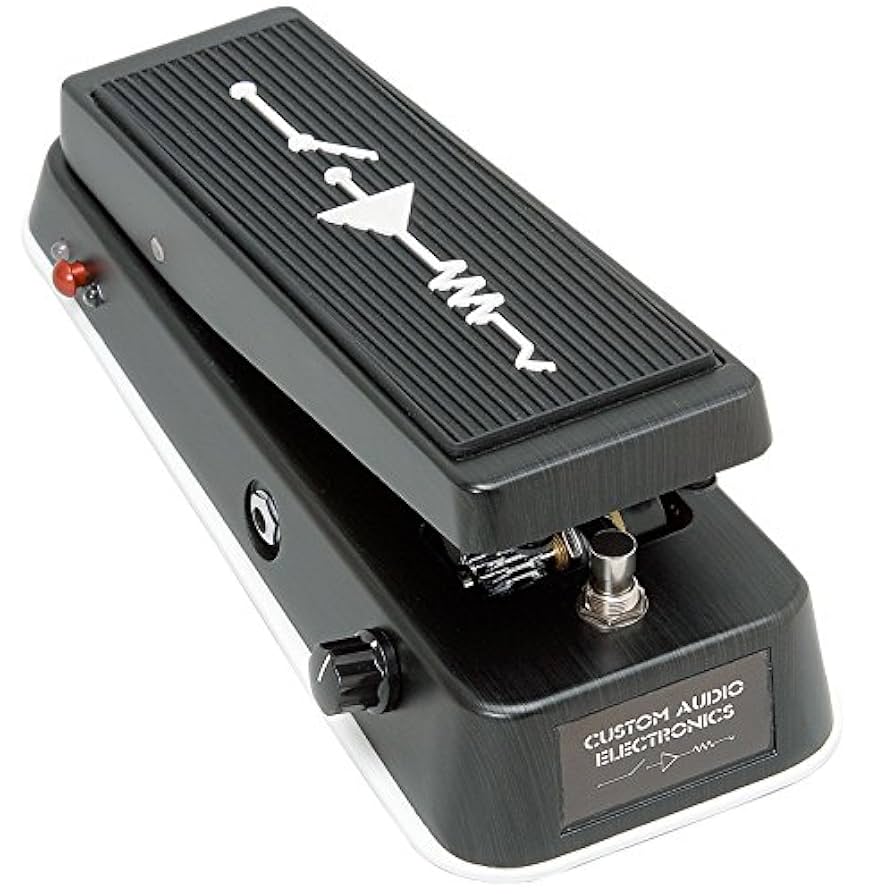
- Switchable Dual Fasel Inductors
A pro-grade wah developed in collaboration with Custom Audio Electronics (CAE). It houses two Fasel inductors—red and yellow—selectable via a side-mounted mini switch. One delivers a treble-emphasized Cry Baby-style voice, while the other offers a punchier mid-to-low VOX-style voice, giving you two distinct wah flavors in a single pedal. - Built-In Boost Circuit
Features an integrated boost (up to +20 dB) toggled via a side switch. It gives you an instant volume bump for solos while keeping the circuit out of the chain when not needed. Boost amount and wah Q can also be fine-tuned via internal trimpots for stage-ready customization. - Tour-Grade Reliability & Proven Track Record
Designed with input from renowned rig builder Bob Bradshaw, this pedal offers rock-solid reliability built for pro touring. It's a mainstay on countless pro pedalboards, featuring smooth CTS pots, bright status LEDs (indicating effect and boost engagement), and thoughtful details that hit every sweet spot.
The MC404 CAE Wah is a versatile gigging pedal that covers all the bases. Bringing together the best elements of both VOX-style and Cry Baby-style sounds, it fits seamlessly into virtually any genre.
You can flip to the mellow yellow Fasel mode for clean tones, then switch over to the cutting red Fasel mode for hard rock lead solos with just a flip of a switch. It truly stands out as a go-to wah built for professionals.
Positive Feedback
- Two Wahs in One Box
Players love the dual-inductor setup, noting how easy it is to flip between sweet VOX warmth and biting Cry Baby sweep with a single switch. It’s widely praised for delivering two distinct, usable voices. - Boost Cuts Right Through the Mix
Users highlight the built-in boost, reporting that engaging it pushes lead solos right to the front of the mix. Reviewers appreciate that it provides a clean volume lift without coloring tone. - Rock-Solid Build Quality
Guitarists praise the hardware build, noting its rugged casing and convenient status LEDs. Many report it holds up flawlessly even after years of heavy touring use.
Critical Feedback
- Slightly Bulky & Heavy
Some players mention that the packed interior makes the pedal a bit heavier and wider on pedalboards compared to standard wahs. It might be a consideration for those trying to save board real estate. - Higher Price Point
With its feature set, some note it carries a premium price even on the used market. While players agree the performance justifies the cost, it remains an investment.

Xotic XW-1 (Modern Versatile Wah Based on Clyde Circuit / Internal DIP Tweaking)
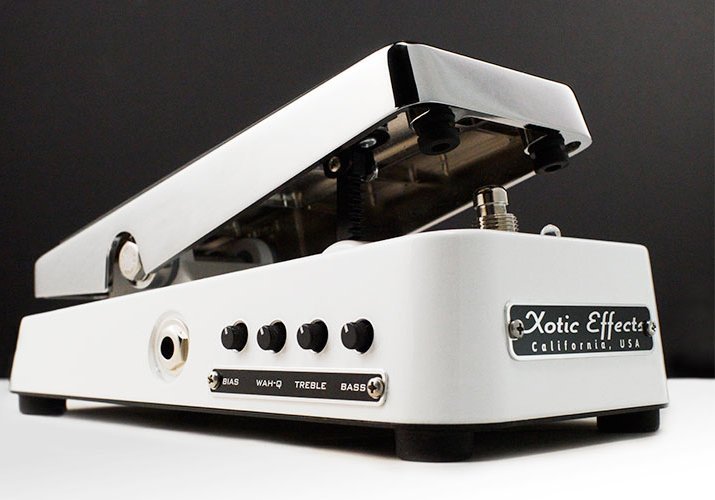
- Based on vintage Clyde-style circuitry
Built by Xotic—a brand known for high-quality effects pedals—this wah is modeled after the iconic 1960s Clyde McCoy Wah. Combining the rich sound of vintage wahs with modern circuitry and components, it delivers a low-noise, smooth feel underfoot. - Extensive external controls
Features four side-mounted knobs: Bias, Q, Treble, and Bass. These allow you to freely tailor the tone (brightness and depth) and effect intensity. The EQ circuit provides ±15 dB of treble and bass adjustment to fine-tune the pedal for your guitar and amp. - Internal DIP switches for range tuning
Inside the enclosure, internal DIP switches let you modify wah resonance and sweep range. While it sounds excellent stock, advanced players wanting to go deeper can customize the sweep to create their ultimate custom wah.
The XW-1 is a high-end wah pedal designed for serious tone tweaking. Slightly smaller and lighter than a standard wah pedal, it saves valuable pedalboard space. Sonically, it captures vintage character while offering an exceptionally wide sweep, making it versatile enough to cover everything from clean jazz to heavy metal in a single unit.
While it commands a premium price brand new, many players report it is polished enough to end their wah rabbit hole for good.
Positive Feedback
- Clear, expressive sound
Known for top-tier audio quality, users report remarkably low noise and keeps fine detail. Players love its organic, vintage-style tone. - High flexibility
With four external knobs, players praise how easily it dials in optimum wah tones for any rig. Tone-conscious players especially value the XW-1's deep tweakability. - Compact and easy to handle
Its slightly smaller, lightweight design makes it easy to fit on a board. Users also praise its smooth pedal sweep and comfortable feel underfoot.
Negative Feedback
- Pricey
Some note that while performance is outstanding, the high price tag makes it a tough sell. It can be steep for beginners, with some players holding off until they can justify the investment. - Can be overwhelming
With so many tweakable parameters, a few users mention getting lost trying to find the "perfect" setting. On the flip side, that level of control is ideal for tone purists.

Vintage-Style
Jim Dunlop / Clyde McCoy CM95 (Vintage Standard / Halo Inductor)
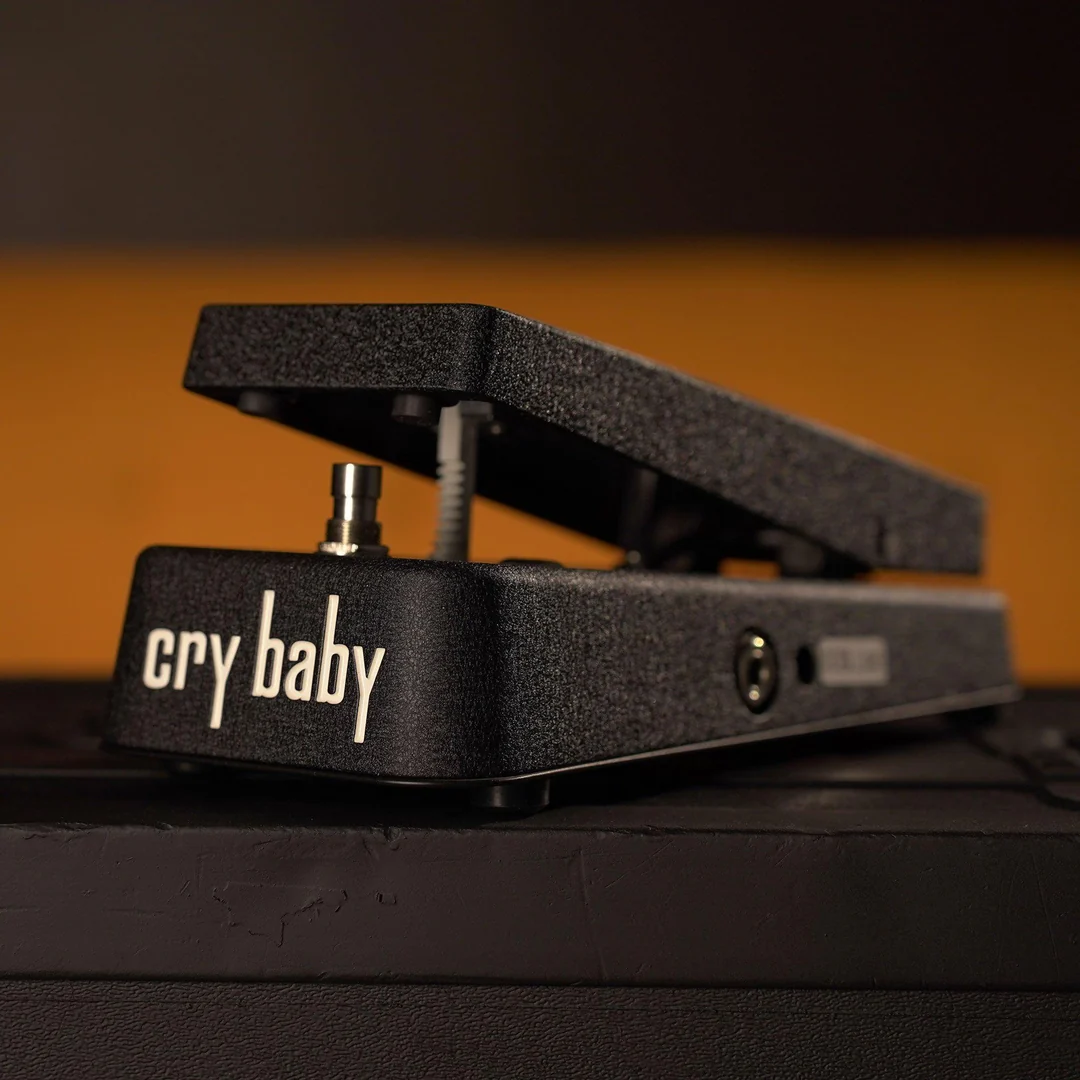
- Recreating the original "Clyde McCoy" wah for today
Dunlop spent years developing this model to recreate the tone of the very first commercially available wah pedal produced by Thomas Organ in the 1960s. It features the HI01 Halo Inductor, which re-creates the legendary Halo inductor from that era, faithfully restoring the original's smooth, vocal-like sweep. - Through-hole construction & premium components
The circuit board uses through-hole construction like vintage originals, outfitted with premium-grade pots, switches, and jacks. The enclosure features a classic design displaying a trumpeter illustration as a homage to the original Clyde McCoy pedal. - Modern reliability for today's player
The microphonic noise and squealing typical of original vintage wahs are eliminated thanks to the newly designed Halo coil. Additionally, the housing dimensions match current Cry Baby models, offering 9V battery or power adapter operation and jack placement that integrates seamlessly into modern pedalboards.
The CM95 Clyde McCoy relentlessly pursues early wah tone, often referred to as the holy grail of vintage wahs. It delivers a throaty, rich, and expressive sweep with a unique body and sweetness that standard Cry Baby pedals cannot reproduce.
Whether making a blues guitar sing on a clean tone or dialing in distinct funk rhythm work, it is ideal for players seeking the nuances of legendary vintage setups.
Positive Feedback
- Superb vintage tone
Many players praise its rich sound, noting it has depth comparable to vintage VOX wahs. Users especially love its vocal sweep on clean to crunch settings. - Thick tone with strong presence
Reviewed as having a fuller sound with more prominent mids than standard current models, keeping it from getting lost in a band mix. Players love how it cuts through during solos. - Low microphonic noise
Appreciated for low noise levels, with users noting no harsh squeal even at high volumes. Eliminates the reliability drawbacks of older vintage wahs.
Critical Feedback
- High price tag
Some users hesitate at the high price point, mentioning that while the tone is fantastic, it is a significant investment for a vintage-style wah. - Pronounced sound character
Some point out that its distinct tonal character may not be for everyone compared to versatile modern wahs. Its rich personality prioritizes distinct vintage tone over all-around versatility.

VOX / V846-HW (Hand-Wired Flagship / Rich Texture Meets Mix-Cutting Clarity)
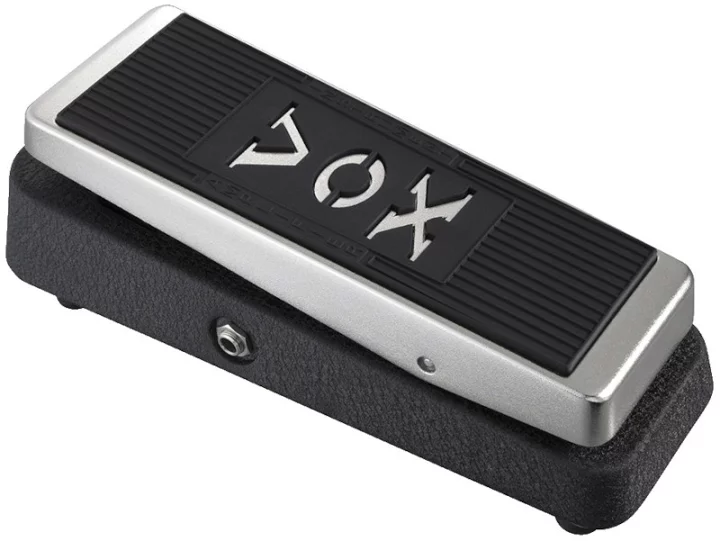
- Faithful Hand-Wired Reissue of the Classic V846
This hand-wired model revives VOX's legendary V846 for modern players. Avoiding printed circuit boards, craftsmen wire each component point-to-point on a turret board. Remaining faithful to the original circuit, it authentically recreates the iconic VOX wah tone. - Premium Components Including Halo Inductor & Japanese Carbon Resistors
At the heart of its tone, it features a vintage-spec Halo-type inductor. Key tone-shaping components are meticulously selected to match or exceed original quality—including authentic Japanese Kamaya carbon composition resistors. The result is a smooth wah curve with minimal noise and an elegant, shimmering resonance. - Upgraded True Bypass
To meet modern demands, the ON/OFF switch has been updated to true bypass. This keeps tone suck to a minimum when disengaged, preserving your guitar's natural tone. By deliberately omitting an input buffer, it prioritizes a pure series connection true to vintage originals.
The V846-HW represents the pinnacle of classic VOX wah tone. In real-world use, players praise its quiet operation and refined, shimmering sound, with the gritty mids and muffled highs typical of vintage wahs beautifully polished. For classic rock and blues guitarists chasing authentic period-correct wah tones, it is a top-tier luxury choice.
Positive Reviews
- Smooth, Refined Wah
Many players fall for its premium tone, describing it as articulate with well-rounded edges. It gets high marks for being smooth and easy on the ears without harshness. - Extremely Low Noise
Users praise the clarity of the hand-wired construction, noting it is surprisingly noise-free for a vintage-style pedal. Many mention it excels in studio recording. - Responsive Pedal Action
Reviewers appreciate the sweep sensitivity, commenting that it responds delicately to subtle foot movements for expressive playing. Its ability to translate fine nuances is well-received.
Negative Reviews
- Availability and Price
Some lament its rarity and higher price point, noting limited store stock and a premium price tag. Limited production runs can make it difficult to source. - Stiff Footswitch
Some users mention that the footswitch feels stiff and requires extra force to engage. While easy to get used to, the click feels noticeably heavier than standard models.

JAM Pedals / Wahcko (Expressive Boutique Wah with 6-Position Sweep)
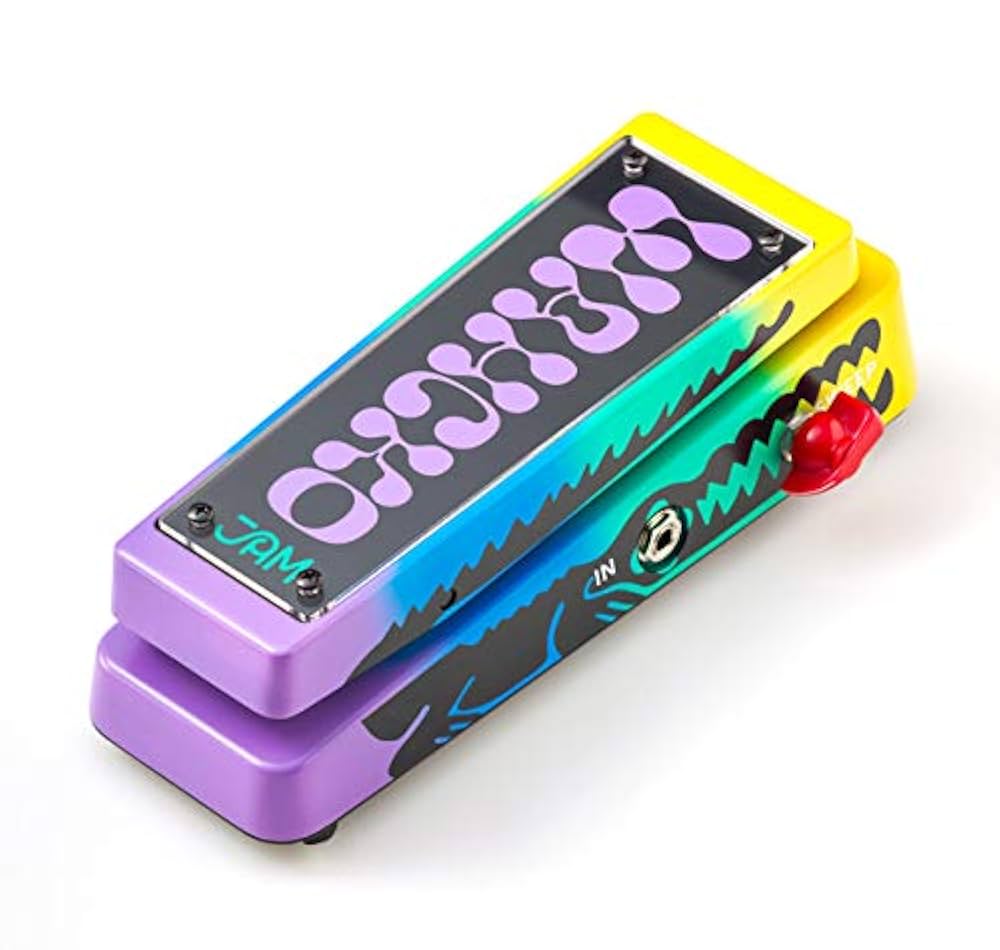
- Handcrafted Greek boutique wah
JAM Pedals is well known for hand-built effects pedals, and the Wahcko is meticulously assembled by skilled craftspeople. Featuring striking psychedelic artwork, it is a uniquely artistic boutique wah with serious attention to visual detail. - 6-position voicing switch
A rotary switch on the side lets you select six distinct frequency sweep ranges. Based on vintage Clyde McCoy-style wah tones, you can shift the sweep from low to high across six positions. It also features an internal gain trimmer to adjust input sensitivity, giving you expressive wah tones tailored to your guitar and playing style. - Proprietary bufferless circuit for excellent fuzz compatibility
The Wahcko uses a custom bufferless input design. This eliminates traditional pedalboard signal issues when pairing with Fuzz Face-style pedals, working smoothly even when placed after a fuzz without severe tone sucking. It combines classic wah circuit feel with modern board setup versatility.
The Wahcko is a boutique wah praised by professional guitarists worldwide. Prominent players like Nile Rodgers and Steve Lukather have lauded this model, with many calling it the best wah pedal they have ever used.
Tone-wise, it delivers vintage VOX-style character while offering versatile voicings via the 6-position switch, making every setting genuinely usable. While its high price tag makes it a serious investment, players seeking the ultimate wah pedal will find it well worth a listen.
What Players Love
- Remarkably expressive tone
Many praise its vocal-like sweep, describing it as a wah where "every single note speaks." The nuanced response makes it a fixture on many pedalboards. - Every setting is completely usable
Users praise the versatility across all modes, noting that "all six positions have distinct character, and you will want to use them all." Many enjoy switching positions depending on the song. - Great compatibility with fuzz
Fuzz users appreciate how well it stacks: "Even placed after fuzz, it sounds full without thinning out!" It delivers the classic fuzz-plus-wah sound without tone loss.
Cons & Drawbacks
- Extremely high price
Many note the steep price tag: "The sound is top-tier, but the price makes it hard to pull the trigger..." While justified by the build quality, it is not an impulse purchase. - Can be hard to get
Some players mention low stock availability leading to backorders. As a boutique build with limited production runs, it can take time to get your hands on one.

Mini and Space-Saving
Dunlop / Cry Baby Mini CBM95 (Space-saving / 3 Voicings)
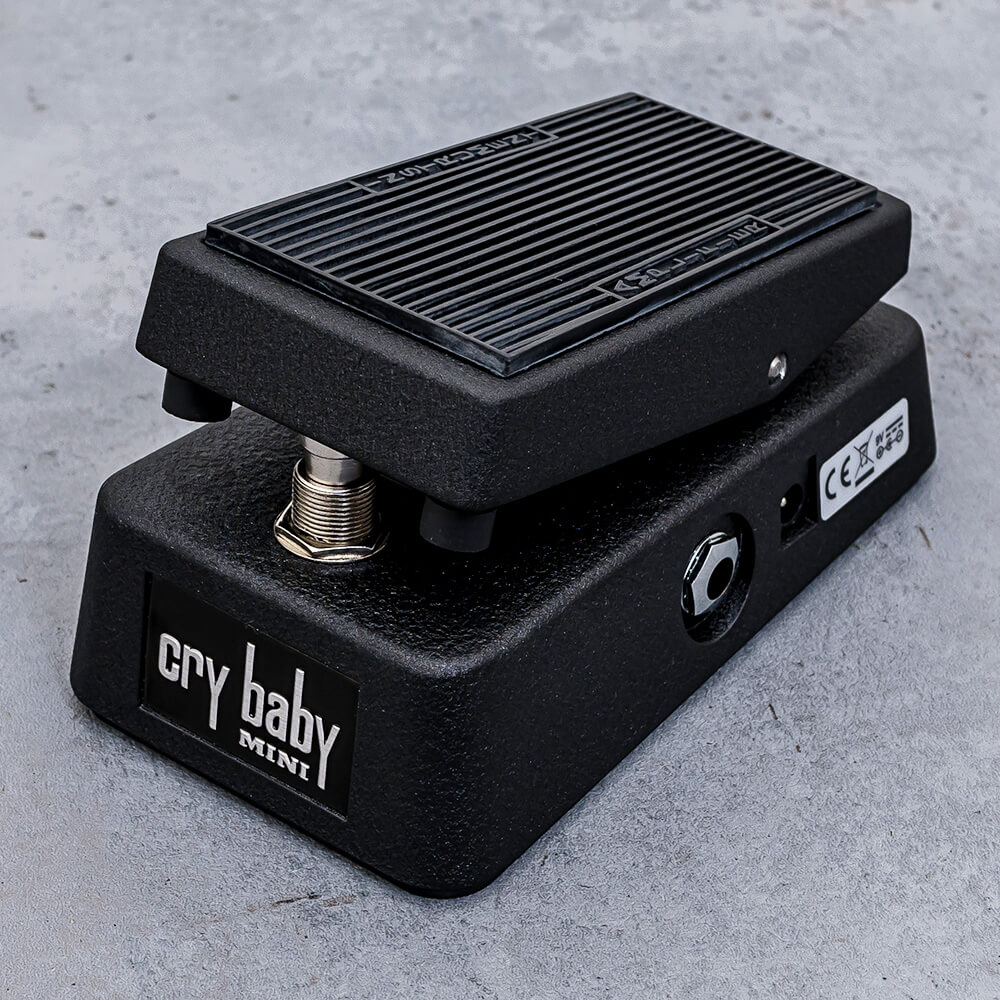
- Classic performance in a mini size
Packs the circuit of the standard Cry Baby wah (GCB95) into a housing about half the length of the original. At roughly 5 inches long, it takes up less than half the space of a full-size pedal, making it easy to squeeze onto crowded pedalboards. - Three internal voicings
An internal 3-position switch lets you choose between Low, Vintage, and GCB95 voicings. You can easily select a bass-heavy smooth tone, a 60s-style vintage sweep, or the modern standard Cry Baby tone depending on your style. - Full-sized core specs
Equipped with a Red Fasel inductor, true bypass switching, and 9V power capability, it offers the exact same core features as its full-size sibling. The treadle range is carefully designed to deliver deep wah tone and response despite its compact size, backed by a rugged die-cast enclosure.
The Cry Baby Mini (CBM95) is a lifesaver for players tight on pedalboard real estate. It solves the dilemma of wanting a classic wah without sacrificing half your board space, fitting neatly into tight layouts.
Sound-wise, it stands toe-to-toe with the full-sized Cry Baby, which is why it has been turning up on professional touring boards. While the shorter treadle stroke takes a bit of getting used to for nuanced control, it balances utility and tone at a remarkably high level.
Positive Feedback
- Great space saver
Players love how easily it fits onto their board, leaving room for other pedals. Many also appreciate the reduced weight when traveling. - Authentic Cry Baby tone
Reviews consistently note that it delivers the genuine sound of the original with zero compromise despite the mini footprint. - Versatile 3-mode switch
The internal switch gets high marks for letting users tailor the sweep between vintage and modern voicings.
Constructive Criticism
- Treadle feel takes practice
Some note that the shorter footrest makes fine foot control tricky at first. It requires a bit of practice, though most players get comfortable quickly. - Inconvenient internal switch
Changing modes requires removing the bottom plate, making it impractical to change on the fly during a gig.
