
日本語English
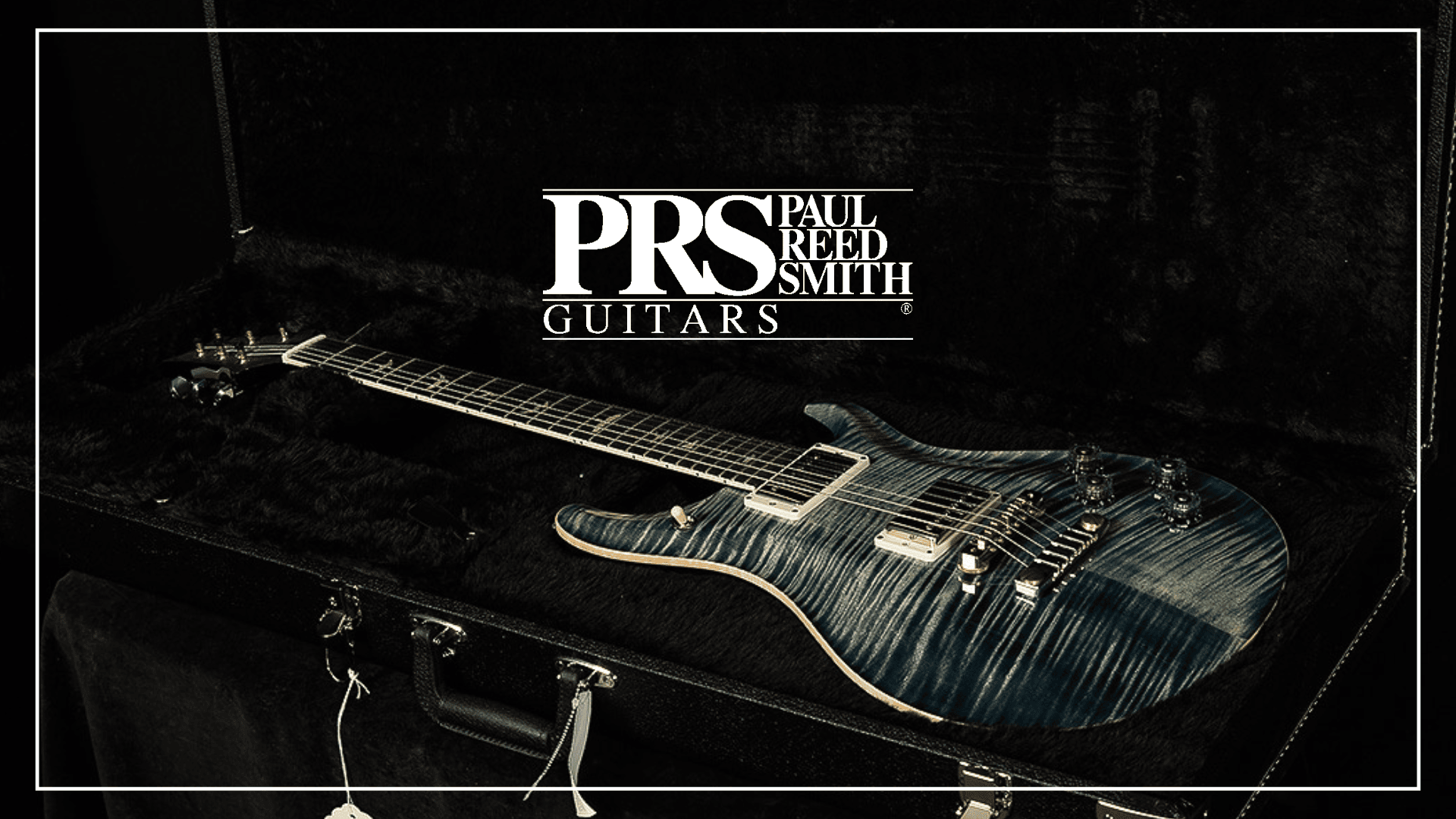
PRS (Paul Reed Smith) Guitar Guide: Features, Famous Players, and Popular Models
XTONES is a participant in affiliate programs including Amazon Associates and Reverb. We may earn a commission from qualifying purchases made through links on this page, at no extra cost to you.
Contents (21)
Despite being a relatively young guitar brand founded in 1985,
PRS has established a firm position as the "third major force" trusted by professional guitarists worldwide.
PRS (Paul Reed Smith)
Flawless playability, beautiful and meticulous craftsmanship, and reliable quality.
Beyond that, they feature a sound design that blends tradition and innovation, setting them apart from Gibson and Fender.
In this guide, we dive deep into PRS history and philosophy, compare core models (Custom 24, Silver Sky, McCarty 594, and SE Custom 24),
and answer common questions like "How do they compare to Gibson or Suhr?", "What genres are they best for?", and "Is it true their tone lacks character?"
Whether you're an intermediate or advanced player interested in high-end guitars,
or looking to step up to your dream instrument—
Here is a close look at the essence of PRS.
PRS History & Philosophy | Merging Tradition and Innovation
The Origins of PRS and Founder Paul Reed Smith's Vision
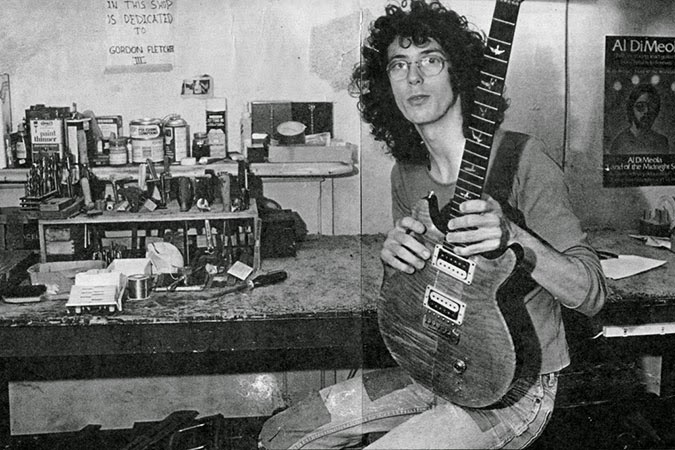
In 1985, a young luthier in Maryland was working to bring his dream to life.
His name was Paul Reed Smith.
At the time, guitarists were largely split between two choices: Gibson or Fender.
Paul questioned this dichotomy and sought a new alternative that merged the best of both—the warmth and sustain of a Gibson with the clarity and playability of a Fender.
Building guitars one by one in his workshop, he personally handed them to touring musicians backstage, refining his design based on their real-world feedback until creating the first Custom model.
His philosophy was straightforward:
"My mission is to build instruments that combine the finest materials, uncompromising craftsmanship, and design tailored to real working musicians."
Design Philosophy: More Than Just a Gibson-Fender Hybrid
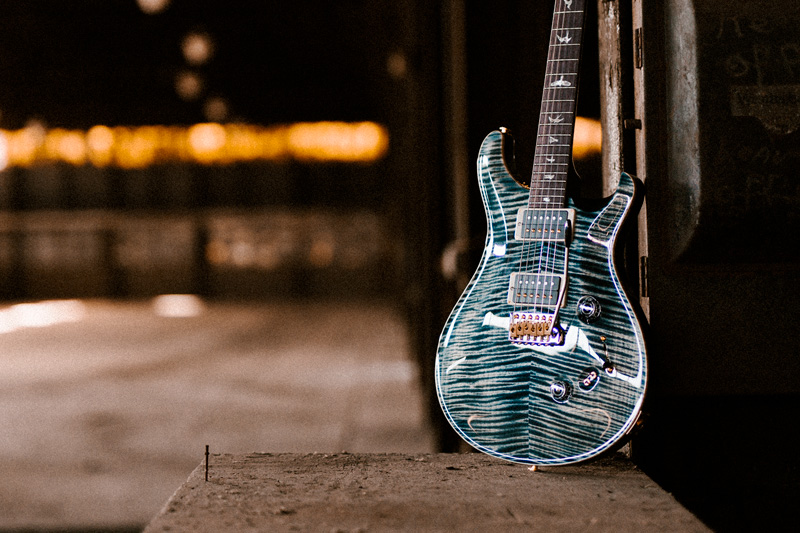
PRS guitars are often described as a middle ground between Gibson and Fender.
However, that only covers the surface-level specs.
- Set neck + maple top = Les Paul-style
- 25-inch scale length = Between Gibson and Fender
- Double cutaway + tremolo = Strat-style
While the design incorporates strengths from both worlds, the true value of PRS goes well beyond that.
Precise neck joints, meticulous wood selection and drying, CNC machining accuracy, custom pickup design, and setups dialed for effortless playability—it is the balance of executing all these elements seamlessly that defines the brand.
Blending Craftsmanship and Science
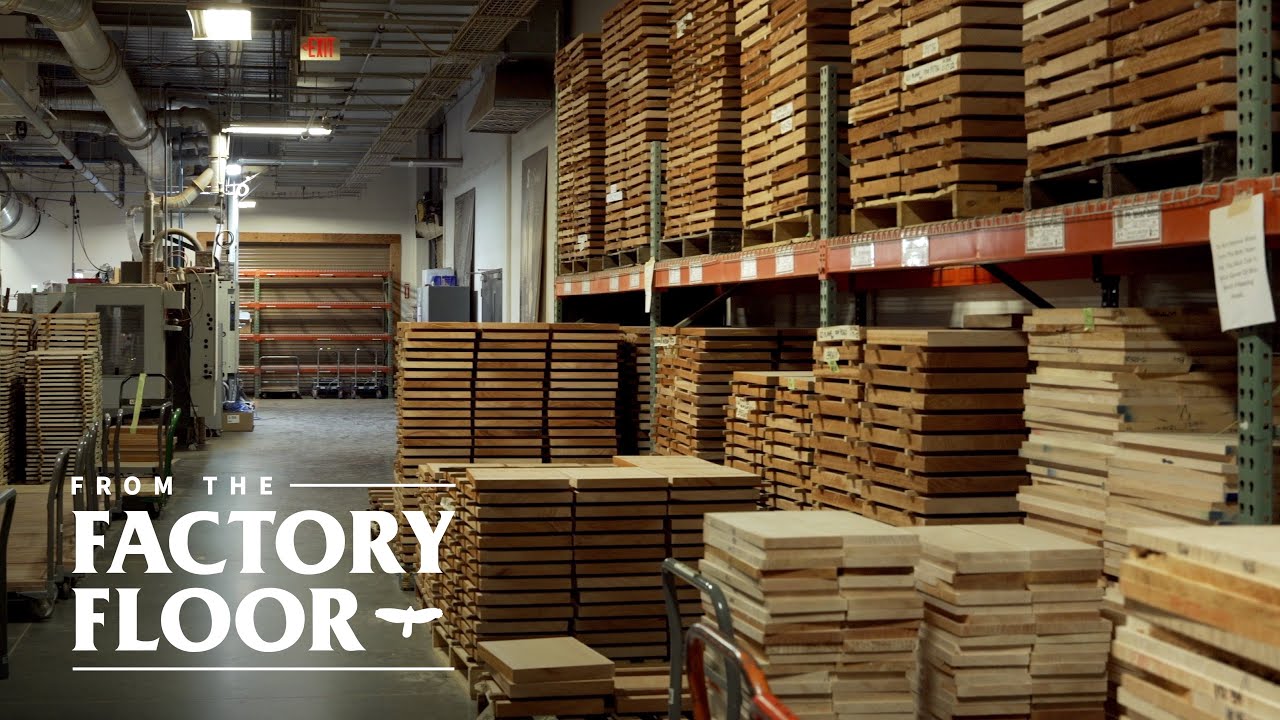
PRS strives to create instruments that are both works of art and finely engineered tools.
- Traditional woodworking techniques
- Exquisite finishing techniques (a modern interpretation of nitrocellulose lacquer)
- Proprietary tuning machines, bridges, nuts, and pickups
Additionally, they incorporate quantitative tone analysis using acoustic measurement equipment, building guitars on the twin pillars of traditional craftsmanship and modern engineering.
As Paul Reed Smith himself once put it:
"We don't just believe; we measure to push our instruments forward."
A Forward-Looking Mindset: "The Latest Model is the Best"
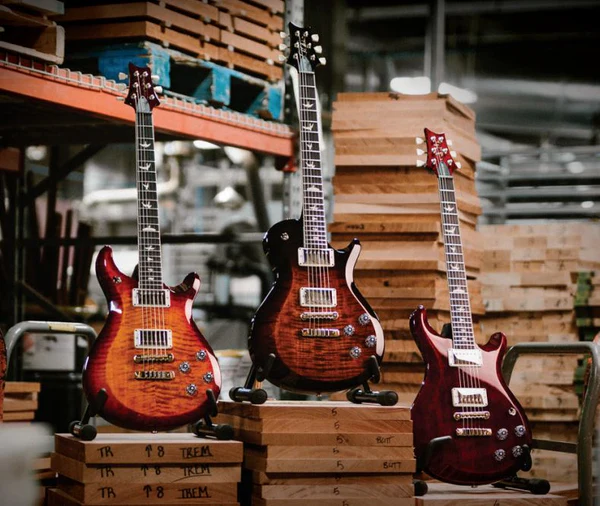
In an industry often obsessed with vintage specs, PRS takes the stance that their latest model is always their best work yet.
- Custom 24 → Evolved to 85/15 pickups
- McCarty → Reimagined with the 594 scale
- Silver Sky → Reengineered as a modern take on the '60s Strat
- Studio, Modern Eagle, Private Stock... an ever-evolving lineup
This reflects a commitment not just to recreating the past, but to going beyond tradition to optimize instruments for modern players.
Lineup Options for Every Player with Uncompromising Quality
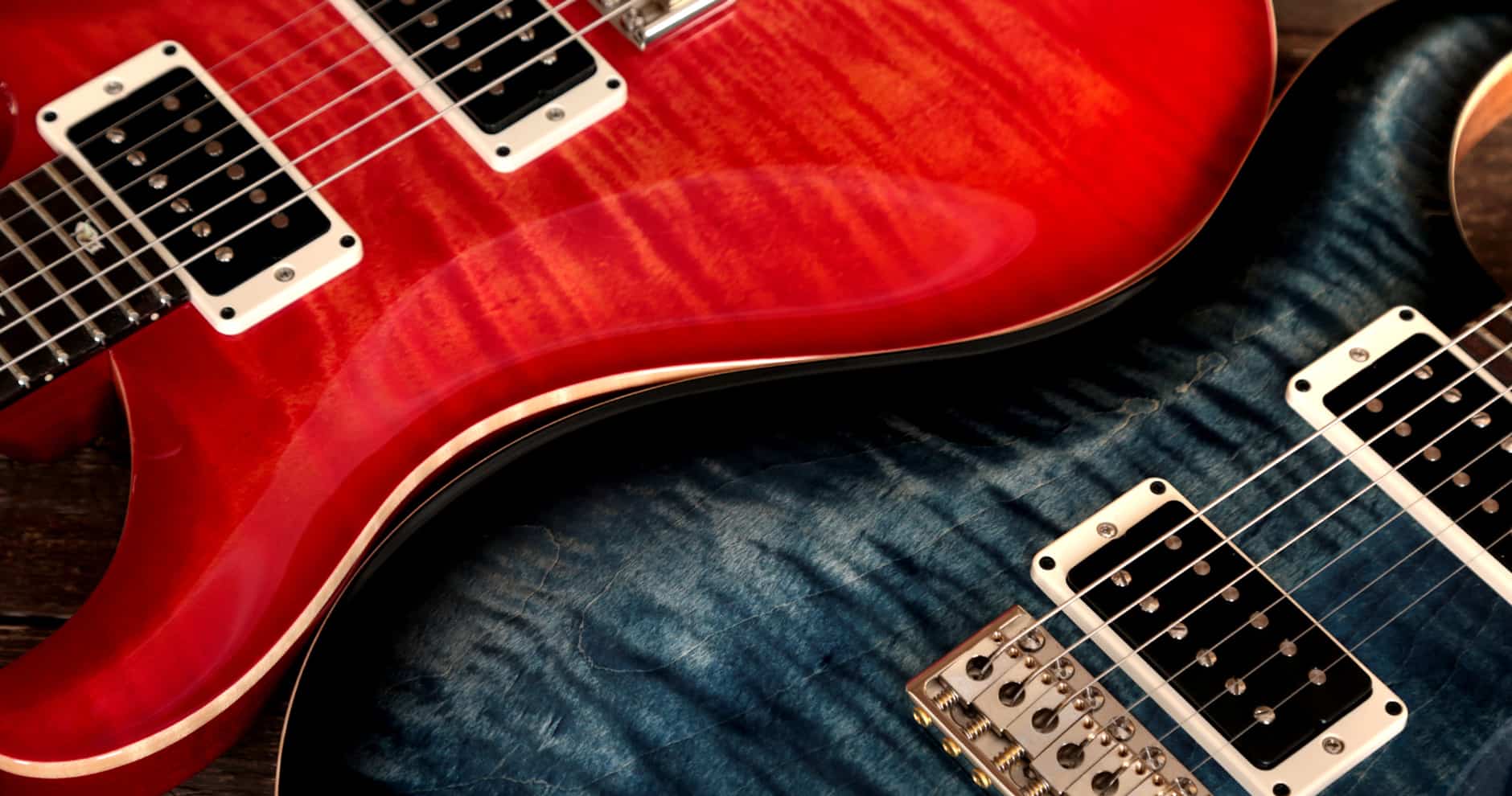
PRS guitars are not just for elite players, as shown by their three primary product tiers:
- Core Series: US-made flagship models with zero compromises.
- SE Series: Overseas-produced guitars offering accessible prices while maintaining playability and tone.
- Private Stock: Masterpiece instruments crafted individually with top-tier woods and custom specs.
What all these series share is an unwavering commitment to quality. Even the entry-level SE line shares neck profiles, scale lengths, and weight distribution very close to Core models, delivering genuine PRS feel and tone without compromise.
A Quote Capturing the PRS Philosophy
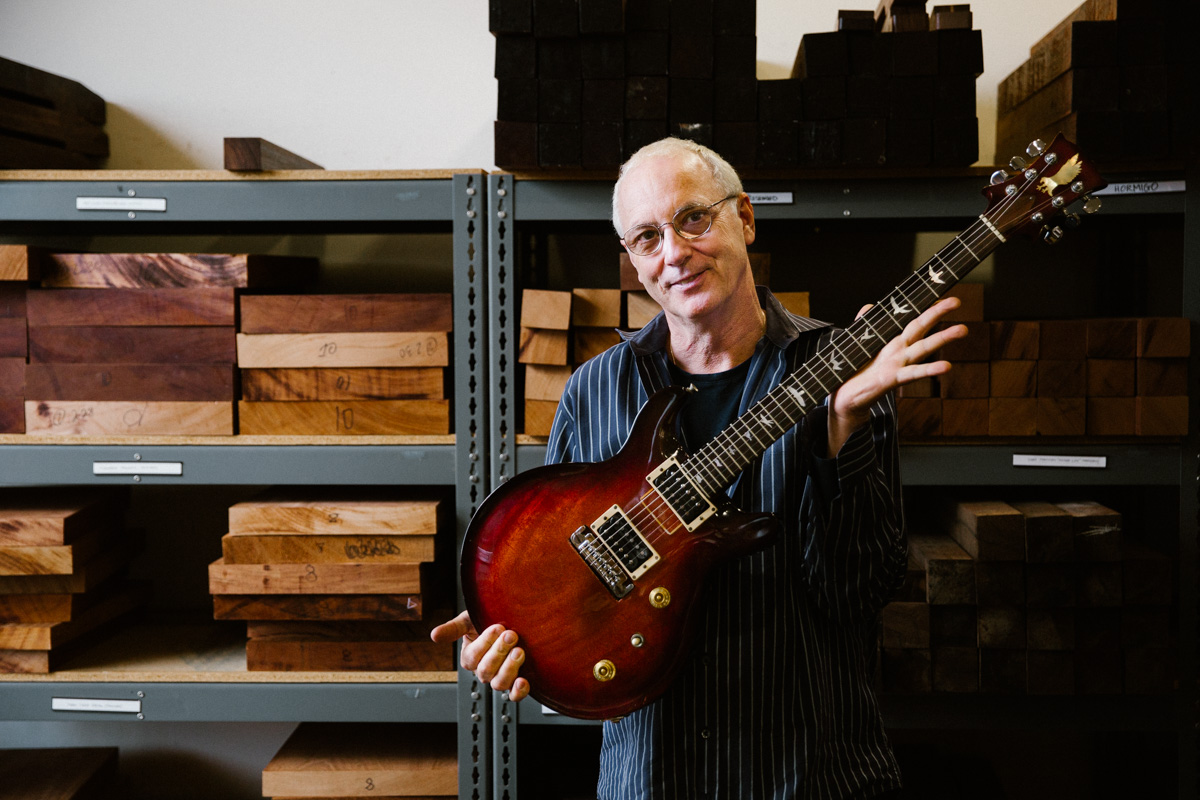
"We don't just sell instruments; we craft them."
— Paul Reed Smith
This statement speaks to why every PRS instrument delivers dependable tone and playability.
Key PRS Models and Their Features
Custom 24: The Flagship Model That Defines PRS
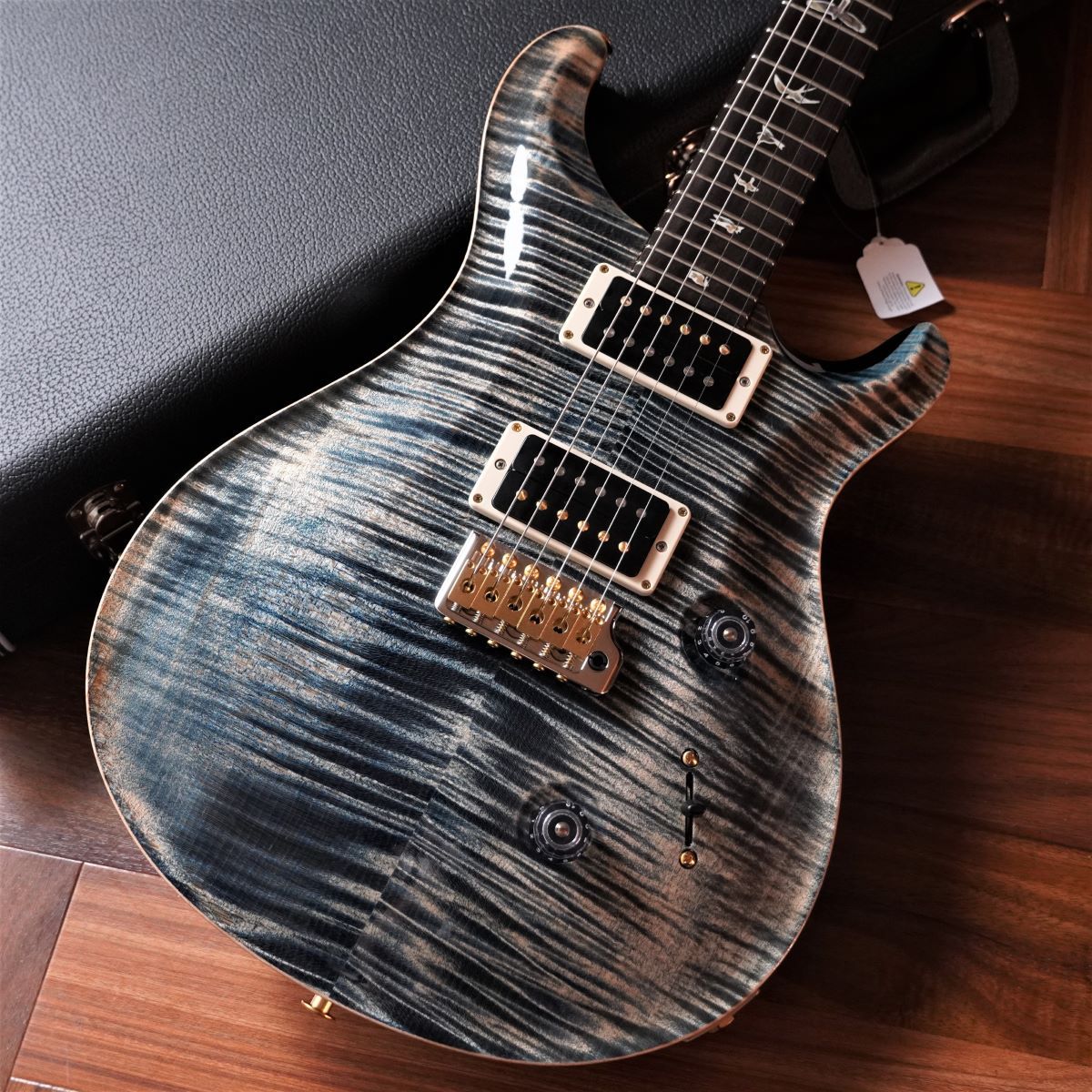
The Custom 24 is the quintessential flagship model of the PRS lineup.
Available since the company's founding in 1985, it is the first guitar most players picture when they think of PRS.
Often described as bringing together the best elements of a Gibson Les Paul and a Fender Stratocaster, its design embodies the core PRS vision.
Body & Neck
Features a mahogany body capped with a thick maple top, joined via set-neck construction.
The neck is also mahogany with a rosewood fretboard.
The 24-fret layout provides effortless access all the way up the register.
Scale Length
Uses a 25-inch scale length. Sitting right between a Les Paul (24.75") and a Stratocaster (25.5"),
it delivers a balanced string tension and playing feel that draws from both worlds.
Pickups
Equipped with proprietary PRS dual humbuckers.
Modern models feature 85/15 pickups, known for their balance of output and clarity,
with a 5-way blade switch providing versatile tonal options (including coil-splitting for single-coil sounds).
Bridge
Features PRS's patented tremolo system (currently Gen III).
Paired with locking tuners, it maintains excellent tuning stability even with heavy whammy bar use.
Price Range
As a US-made Core model, it sits in the high-end category with new prices generally around $3,500 to $5,000+ (depending on options like 10-Top maple grade).
Used models typically hold strong resale value, making it a professional-grade lifetime investment.
Tonal Character
The Custom 24 offers an all-around tonal palette, ranging from thick, sweet humbucking tone to crisp, articulate cleans.
Its mahogany body and set-neck yield rich sustain and low-mid warmth reminiscent of a Les Paul,
while the scale length and tremolo bridge help highs cut clearly through a mix.
While key construction specs lean toward a Les Paul,
it stays lightweight and comfortable (around 7.3–7.7 lbs, similar to a Strat), feeling in hand like a thoughtfully modernized take on traditional dual-humbucker designs.
Its greatest strength is versatility:
the 24-fret layout leaves room for smooth high-register lines, while coil splits let a single guitar handle virtually any genre.
Notable Players & Genre Suitability
Thanks to its versatility, it fits seamlessly across rock, jazz, fusion, pop, hard rock, and progressive metal.
Top professionals across styles rely on the Custom 24,
from progressive icons like Mikael Åkerfeldt (Opeth) to versatile rock musicians like Mike Oldfield.
It can lean vintage or modern depending on your setup,
making it an ideal choice for players seeking one high-quality guitar that can cover all bases.
- Mark Holcomb (Periphery)
- Dustie Waring (Between the Buried and Me)
- Tom Johnston (The Doobie Brothers)

Silver Sky: John Mayer's Vintage-Inspired Signature Model
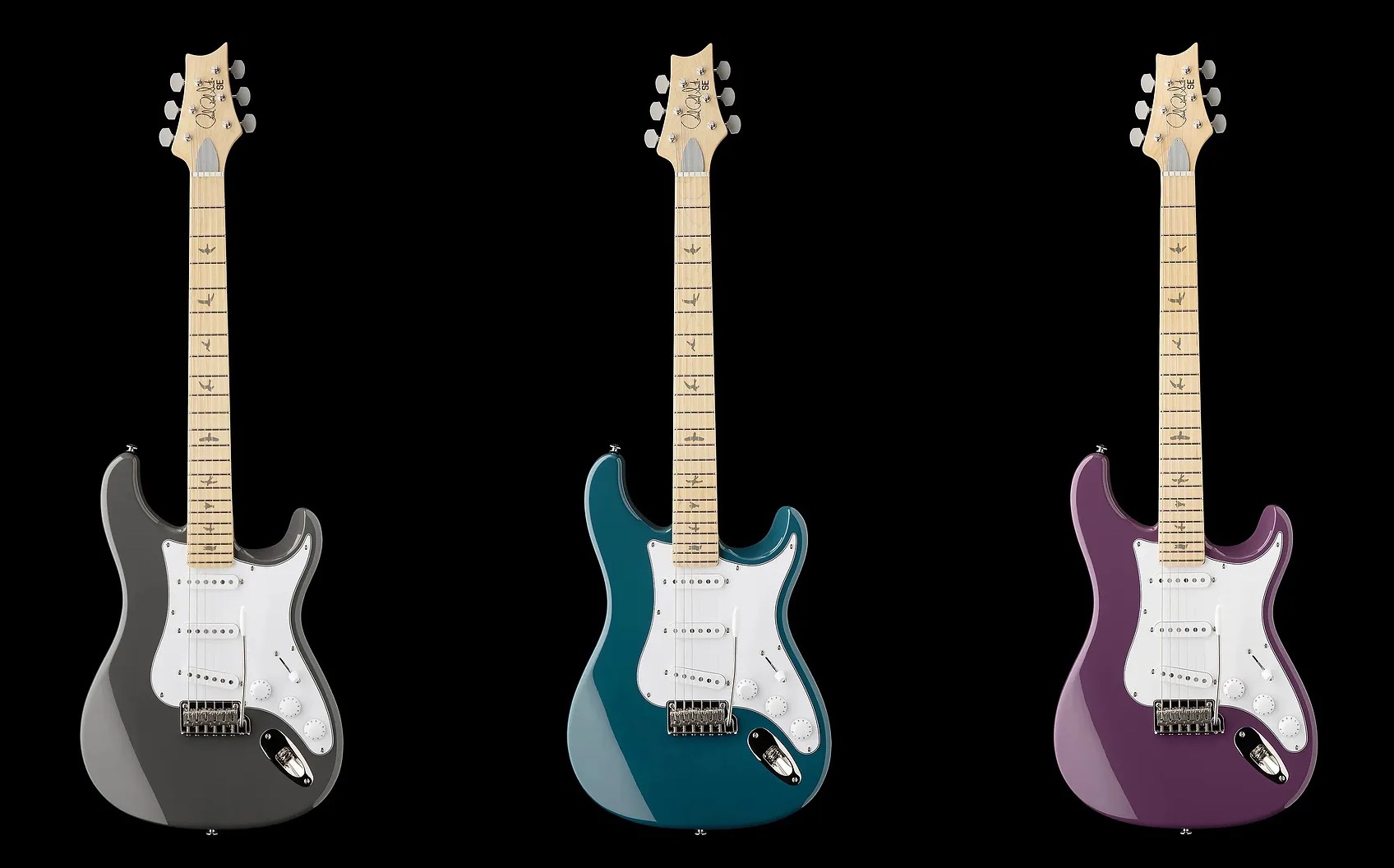
Silver Sky is a signature guitar developed by PRS for acclaimed blues/pop guitarist John Mayer.
Released in 2018, it generated massive buzz across the gear world.
Co-designed with Paul Reed Smith, the goal was to capture the sound and vintage feel of Mayer's beloved 1963–64 Stratocasters while adding modern refinement.
Body & Neck
Alder body with a bolt-on maple neck and rosewood fretboard.
Features 22 frets, a 25.5-inch scale length, and a vintage-style 7.25-inch fretboard radius closely matching classic Strat specs.
Pickups
SSS single-coil layout featuring custom 635JM pickups.
Delivers a tone that blends vintage warmth and fullness with crisp modern clarity.
Bridge & Hardware
6-screw vintage-style synchronized tremolo.
Features a reversed headstock shape, 3x3 tuner layout, and signature bird inlays for a distinct PRS aesthetic.
Price Range
US Core model: around $2,700.
The budget-friendly SE Silver Sky is a massive hit available around $850.
Tone Profile
Authentic single-coil textures reminiscent of vintage Strats.
Produces thick, sweet clean tones ideal for blues and pop, rich harmonic overtones, and a smooth, polished response.
Notable Artists & Musical Styles
- John Mayer
- Genres: Blues, Funk, Pop, Jazz, R&B
Ideal for players who love traditional Strat tone but want PRS build consistency, stability, and playability.
- Isaiah Sharkey (John Mayer Band, etc.)
- Mateus Asato (session / Instagram guitarist)


McCarty 594: Vintage Tone Revived for the Modern Era
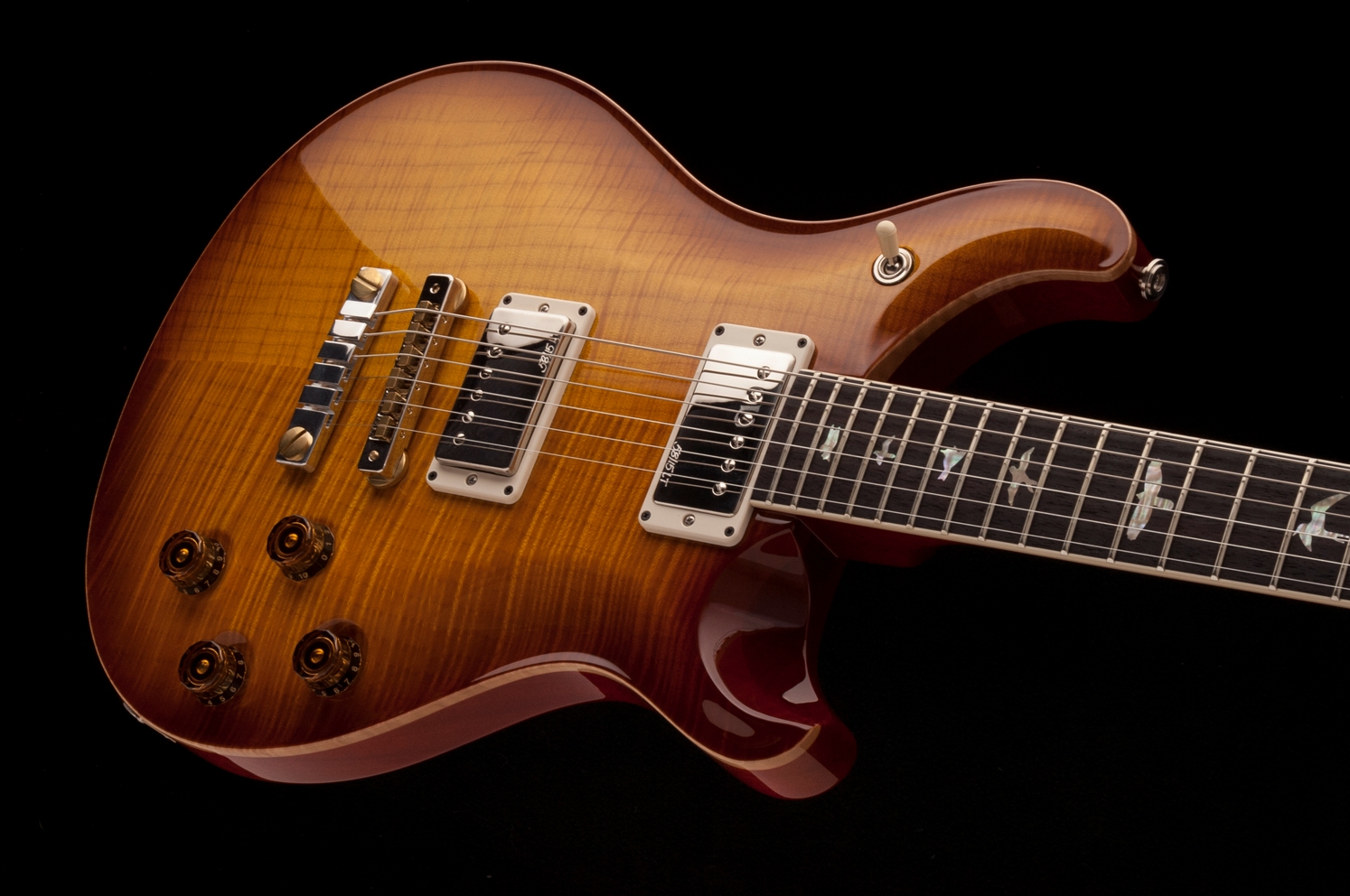
The McCarty 594 is PRS's flagship vintage-inspired model.
It captures Gibson PAF-style tone and feel while adding modern playability and refined craftsmanship unique to PRS.
Body & Neck
Mahogany body with a maple top.
The neck features a 24.594-inch scale length (the origin of its model name), offering string tension similar to a Les Paul.
Rosewood fretboard with a "Pattern Vintage" neck profile.
Pickups
Loaded with two low-turn, vintage-voiced 58/15 LT humbuckers.
Includes coil-splitting functionality with individual volume and tone controls for each pickup.
Bridge
Two-piece bridge (Tune-o-matic style) with a stoptail piece.
Price Range
Around $4,800–$5,600 new (Core; 10-tops at the top of that range).
Also available in Singlecut and semi-hollow versions, offering plenty of configurations.
Sound Characteristics
Sweet, rounded tone close to classic PAF humbuckers.
Soft on cleans and thick with warm sustain on crunch settings, making it a great fit for jazz, blues, and classic rock.
Notable Artists / Best Genres
- John Mayer (Dead & Company)
- Genres: Jazz, blues, classic rock, alternative
An exquisite balance of thickness and playability.
If you want Les Paul-style tone but prefer a smoother, more comfortable feel, this should be at the top of your list.
- David Grissom
- Jimmy Herring (Widespread Panic)
SE Custom 24: High Quality Meets Affordability in an Entry Model
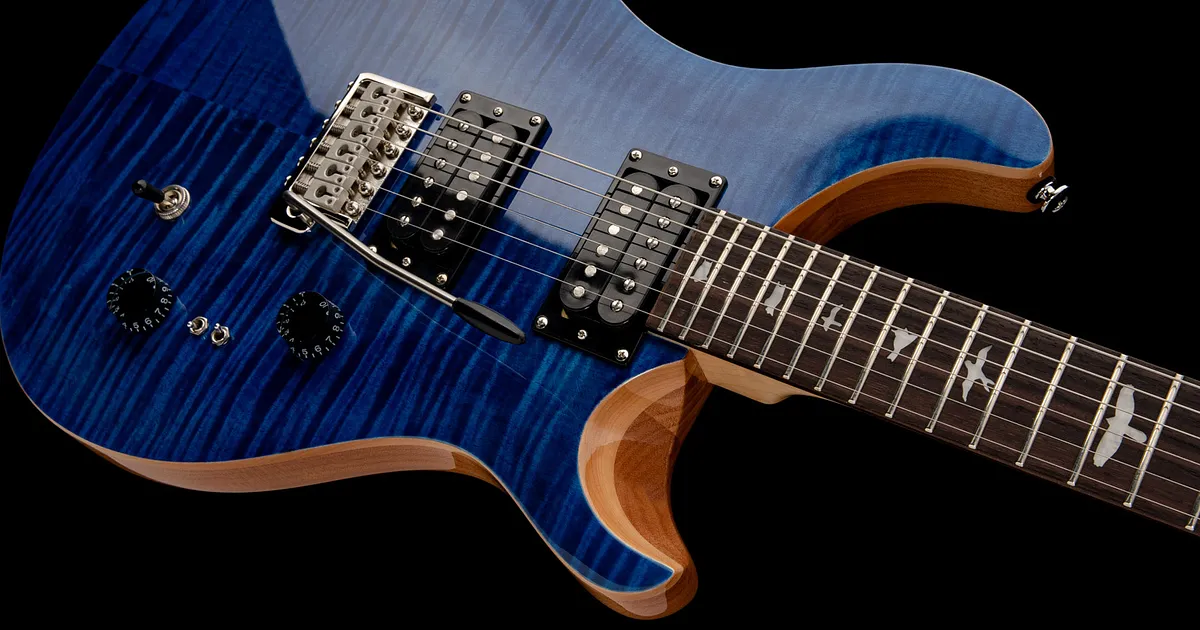
The SE Custom 24 is a staple of PRS's entry-level SE line.
Although built overseas, it meets strict PRS quality standards and offers outstanding value for the money.
Body & Neck
Mahogany body with a maple top (flame maple veneer).
Maple neck with a Wide Thin profile, 24 frets, and a 25-inch scale length.
Complete with signature PRS bird inlays and a 3x3 headstock.
Pickups
Equipped with 85/15 "S" pickups designed for the SE line.
Push/pull tone knob enables coil-splitting.
Price Range
Around $850 new.
Used prices depend on condition.
Widely praised for delivering remarkable quality for an entry-level PRS.
Sound Characteristics
While frequency range and depth are slightly modest compared to US models, it remains a versatile workhorse with punchy humbucker thickness and clean single-coil-like tones.
It handles heavy rock gain with ease and splits cleanly for pop and funk.
Notable Artists / Best Genres
- Mark Tremonti (Alter Bridge), Zach Myers (Shinedown)
- Genres: Rock across subgenres, pop, hard rock / heavy metal, funk, R&B
If you are looking for a reliable guitar around $700–$1,000 that will last for years, the SE Custom 24 is a top recommendation.
PRS Guitars Q&A | Common Questions Answered
How Do They Differ from Suhr and Gibson?
Differences from Gibson
Compared to Gibson, PRS is a younger brand with less attachment to pure vintage spec in a good way.
While Gibson focuses on reissues and tradition, PRS continually updates its design to build guitars that reflect their absolute best work today.
Sonically, where Gibson emphasizes mid-heavy thickness and raw character, PRS delivers a more balanced, articulate tone with wide frequency response.
PRS is also widely regarded as superior when it comes to tuning stability, playability, and build precision.
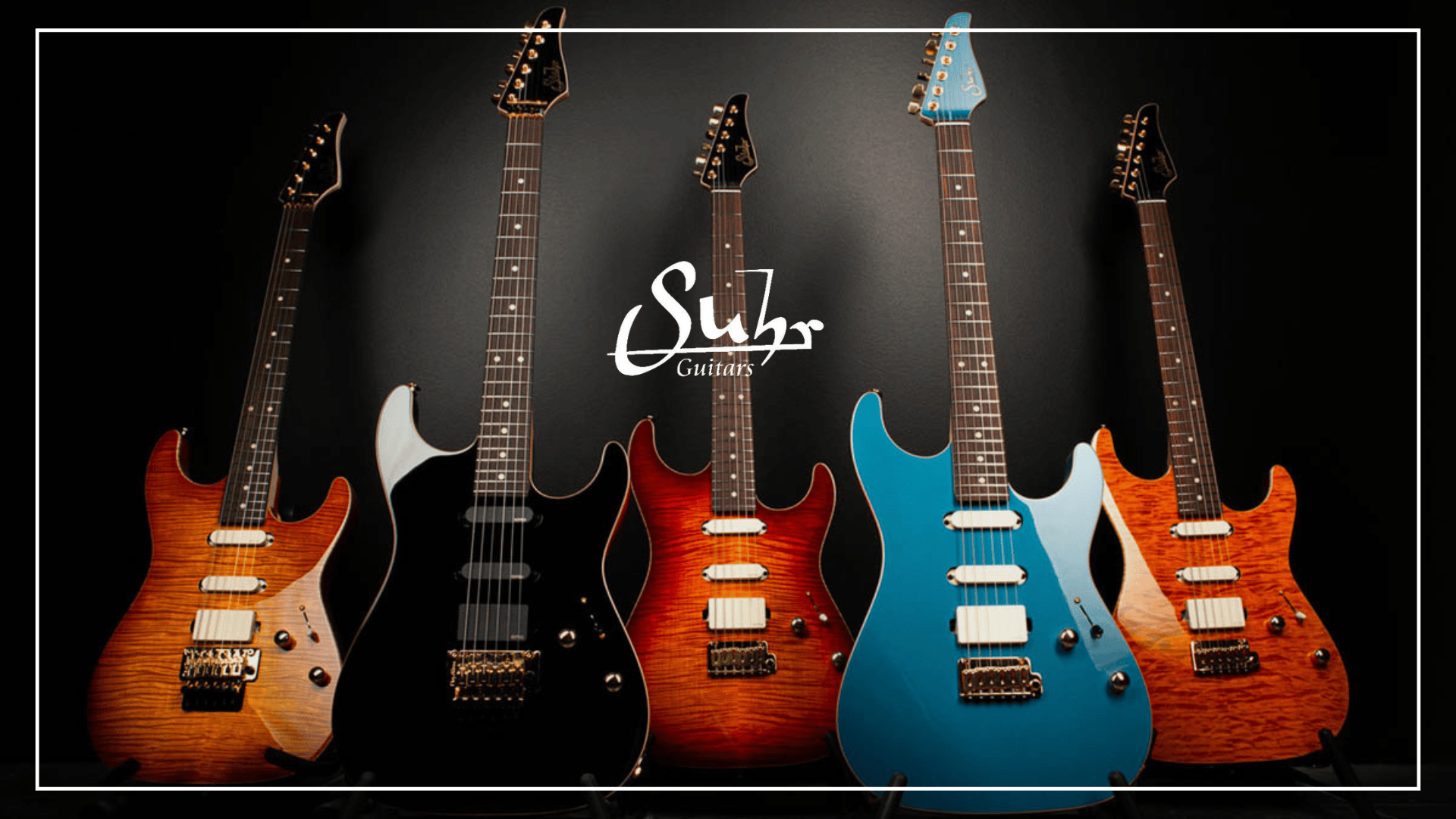
Differences from Suhr
Suhr leans toward Strat-style designs, while PRS leans toward humbucker-driven (Les Paul-adjacent) instruments.
Suhr relies heavily on ultra-modern bolt-on / Superstrat construction, whereas PRS uses set-neck construction for a balanced tone with warmth and sustain.
Both rank at the very top for playability and fit and finish.
It helps to think of Suhr as sharp and high-fi, and PRS as natural and warm.
What Genres Suit PRS Guitars Best?
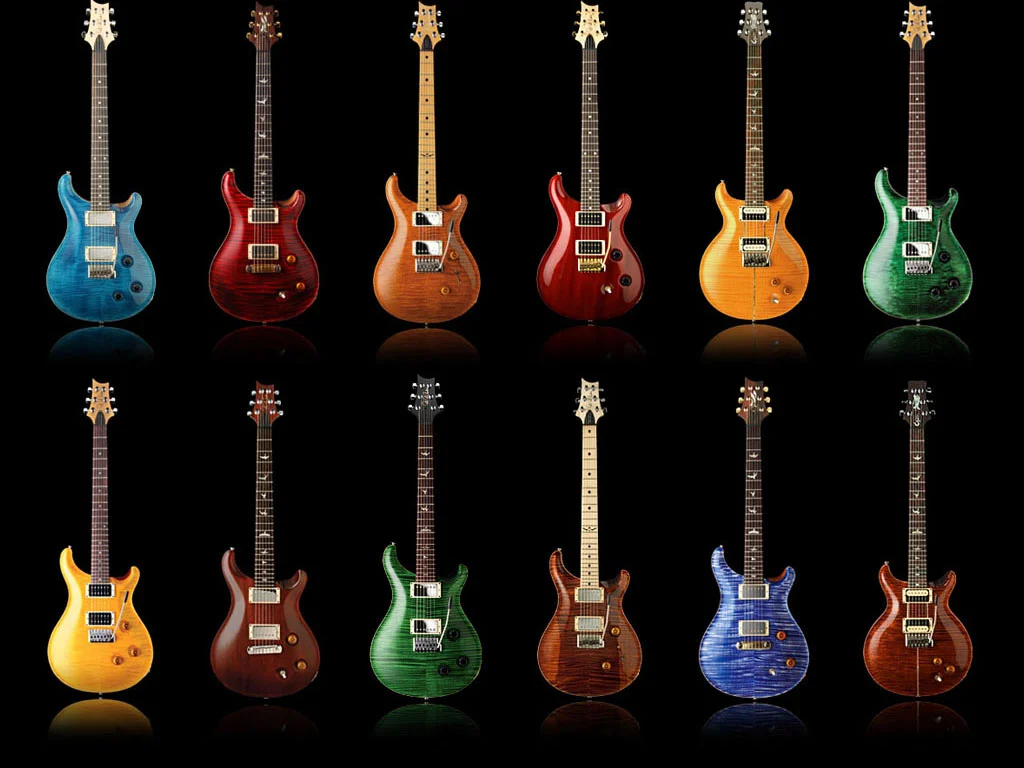
- Rock / Hard Rock
Models like the Custom 24 and Singlecut (such as the Tremonti signature) excel at thick drive tones ideal for classic and hard rock. They stay present even in clean settings, handling everything from lead work to heavy riffs. - Metal / Progressive
PRS has a surprisingly strong following in metal. The Custom 24 series, with 24 frets and pickups suited for high-gain setups, easily accommodates modern metal tones. In prog, players influenced by Opeth or Dream Theater frequently rely on PRS. In fact, Mark Holcomb of Periphery plays signature models based on the Custom 24 platform. - Blues / Jazz
Instruments like the McCarty 594 or PRS semi-hollow models (such as the Hollowbody series) deliver warm, full clean tones perfect for blues and jazz. The Silver Sky provides single-coil articulation well-suited for Chicago blues or laid-back jazz lines. - Pop / Funk
The Silver Sky shines in pop and funk settings, delivering snappy rhythm chokes and clear arpeggios. The neutral clean tone of PRS guitars sits cleanly under vocals. Custom 24 models are also fully capable of funk rhythms and pop backing parts when using coil-splits. - Fusion / Instrumental
With excellent note separation and rock-solid tuning stability, PRS guitars are a natural fit for technical fusion and instrumental music. Fusion legend Al Di Meola famously played PRS. Notes remain clear even during fast passages, allowing subtle nuances to shine through.
In short, there are virtually no genres where a PRS feels out of place. Unless a style demands a specific vintage look or tone—like a Gretsch for rockabilly—a PRS can easily handle the job. Choosing the right model for your musical goals will give you a dependable instrument for any setting.
How Is the Playability?
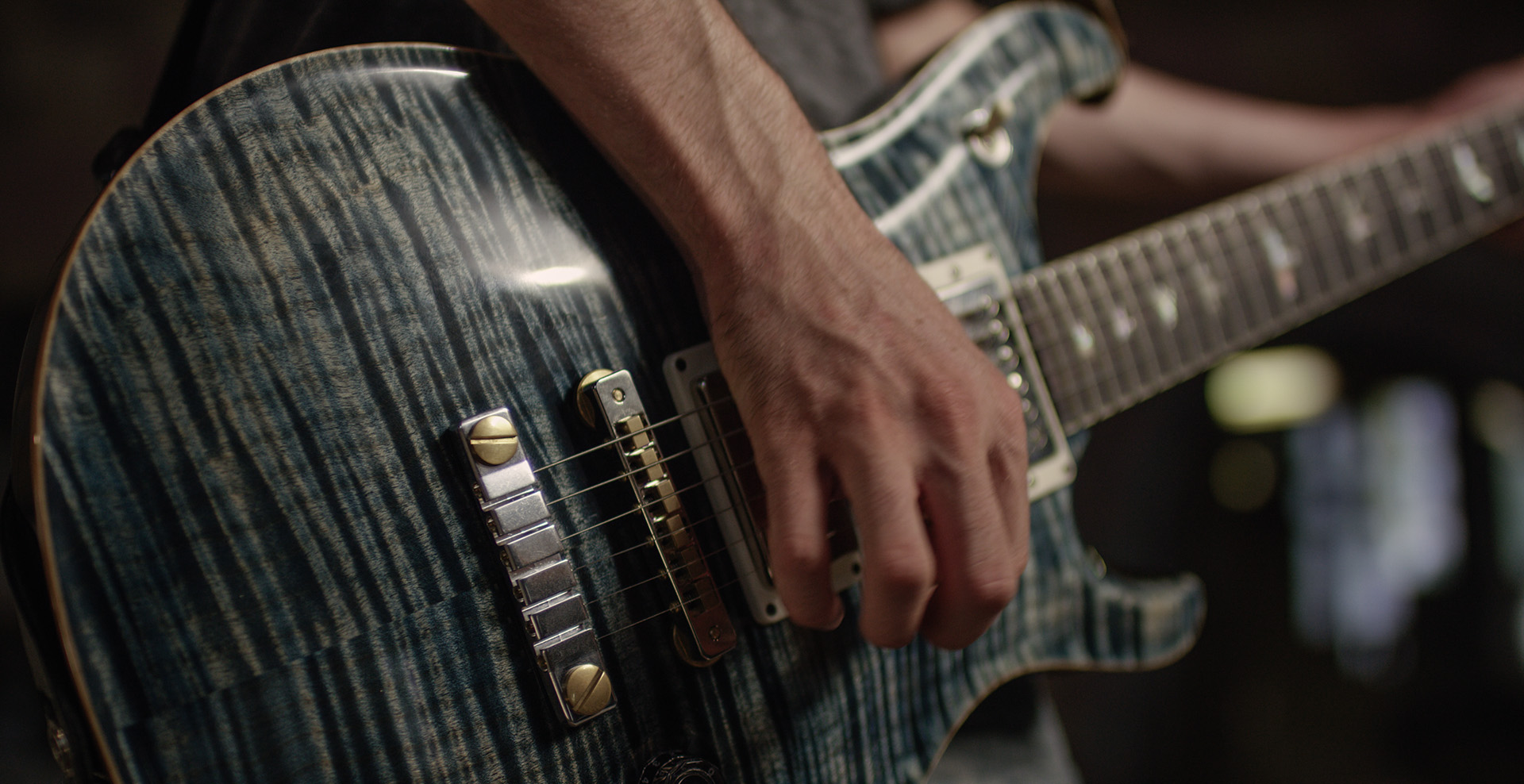
Playability is frequently highlighted as one of PRS's biggest strengths.
Players regularly note how comfortable they are to play, thanks to ergonomic neck profiles, meticulous fret dressing, and well-balanced body weight.
PRS offers neck profiles such as Pattern Thin and Pattern Regular, neither of which feels overly extreme, making them easy to adapt to quickly.
The frets are typically medium-jumbo, allowing effortless fretting, while fingerboard radii across models are comfortably spec'd for modern playing styles.
Out-of-the-box factory setups are also renowned.
Guitars leave the factory meticulously adjusted, so players can often start playing comfortably with great action right away—something expected in high-end instruments, but not always delivered by every brand.
Because of this consistency, PRS guitars are known for being instruments that sound and play great regardless of who picks them up.
That said, as noted earlier, some players feel high-end brands like Suhr offer even easier playability.
This mostly comes down to personal preference in neck profiles and setup feel.
For example, the Suhr Modern series features ultra-thin necks and larger frets tailored for high-speed shredding, whereas PRS uses slightly meatier profiles to balance neck feel with full, resonant tone.
Tonal Character: Modern or Traditional?
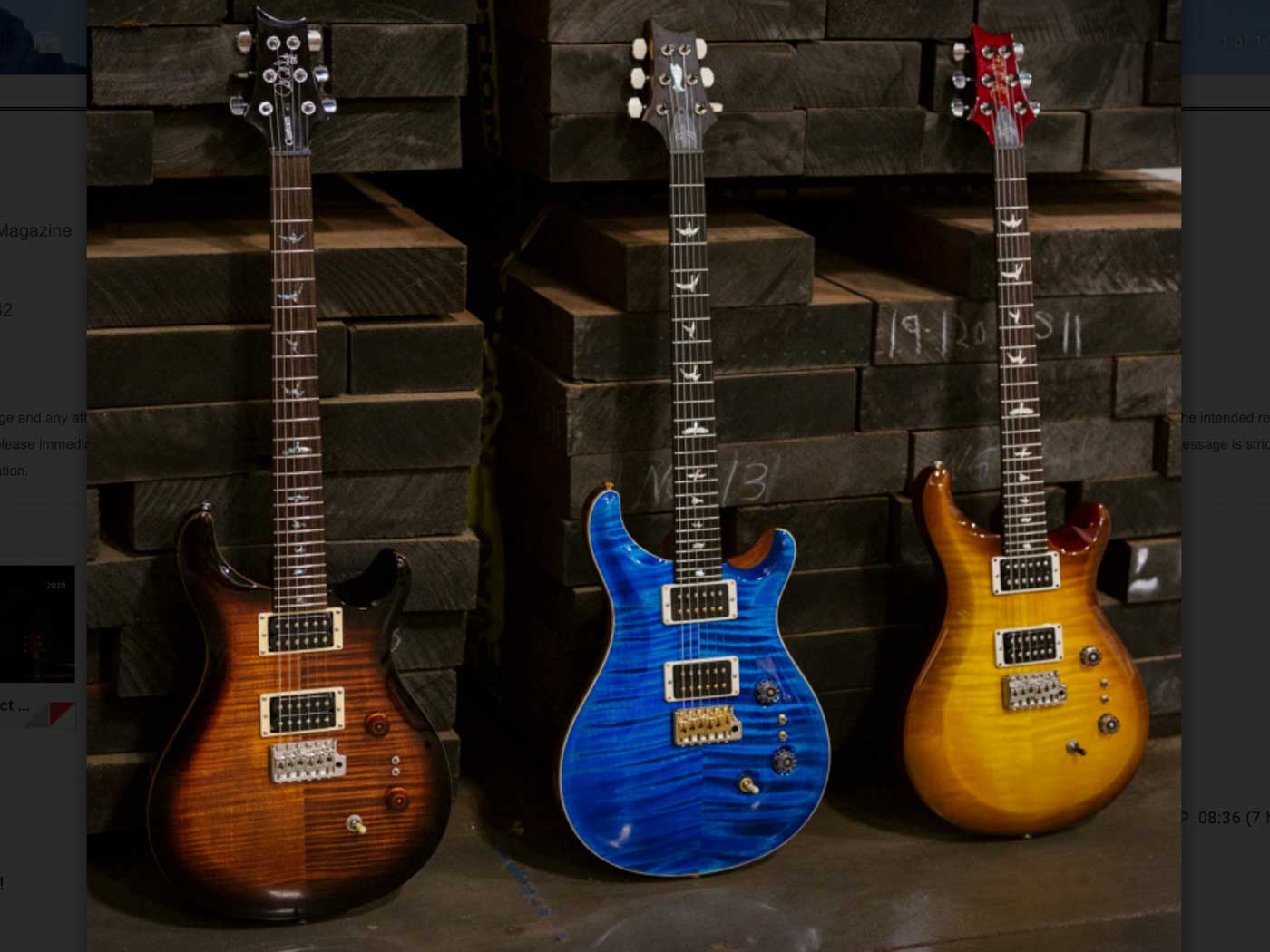
The sound of a PRS is hard to sum up in a single word, but it is best described as a traditional tone enhanced with modern clarity and consistency.
In practice, this means PRS guitars possess vintage-like warmth and body while minimizing the erratic resonance or quirks typical of older gear.
This neutral character sometimes draws criticism: "PRS tone lacks personality and feels boring."
While a Strat has a snappy top end and a Les Paul has a thick, punchy low-mid focus, a PRS can feel comparatively plain on first listen.
Looked at another way, a PRS allows the player's own technique to take center stage.
The instrument acts like a mirror, faithfully reflecting picking dynamics and touch without masking them.
Because it doesn't push a heavy native voice like a Strat or Les Paul, your touch directly determines the output.
Whether you view this as "lacking character" or "preserving your unique feel" comes down to personal perspective.
In fact, some PRS enthusiasts push back on that criticism, arguing that if a PRS sounds boring, it is the player's technique—not the guitar—at fault.
Ultimately, the modern, neutral sound of a PRS makes it a blank canvas that responds to whatever you build on it.
It takes drive pedals and amp tones cleanly and responds with high resolution to picking nuances.
This clarity makes PRS guitars exceptionally practical in modern recording and live performance setups, explaining their popularity among working professionals.
On the other hand, players seeking raw vintage grit or quirky harmonic bloom may still prefer traditional Fender or Gibson models.
While PRS has embraced vintage voicing in recent years with the McCarty series and Silver Sky, these models offer a PRS refined interpretation rather than a strict 1:1 vintage clone.
As a hybrid of modern design and classic inspiration, PRS occupies a distinct niche that is neither 100% vintage nor 100% modern.
Whether you consider that a compromise or the best of both worlds, most owners find it delivers a practical, near-ideal balance.
PRS Guitar Reputation and Reviews: Pros and Cons
Positive Reviews
- "Exceptionally easy guitar to play. A true all-rounder. It isn't just a mix of Fender and Gibson—it's a distinct third major option alongside them. Though it certainly isn't cheap."
- "The quality control is far more consistent than Fender or Gibson, without feeling sterile like some high-end custom shop builds."
- "What defines a PRS is that it lets the player's true voice come through."
- "Loved by guitarists ranging from beginners to touring pros."
- "A flawless finish that looks like it was dipped in liquid glass."
Negative Reviews
- "PRS tone lacks character and feels boring."
A criticism voiced by some players who feel the sound is too refined or lacks a distinct signature. It remains a widely debated topic among gear enthusiasts. - "Who wants to pay $3,000+ and still feel like compromising?"
Some players question the value proposition because even core lineup models can leave players eyeing Wood Library or Private Stock tiers. - "Suhr plays insanely well—their setups are on another level."
While PRS playability is praised, some players prefer Suhr's shred-oriented neck feel and factory setup style.
Summary | What Makes PRS Great & How to Choose
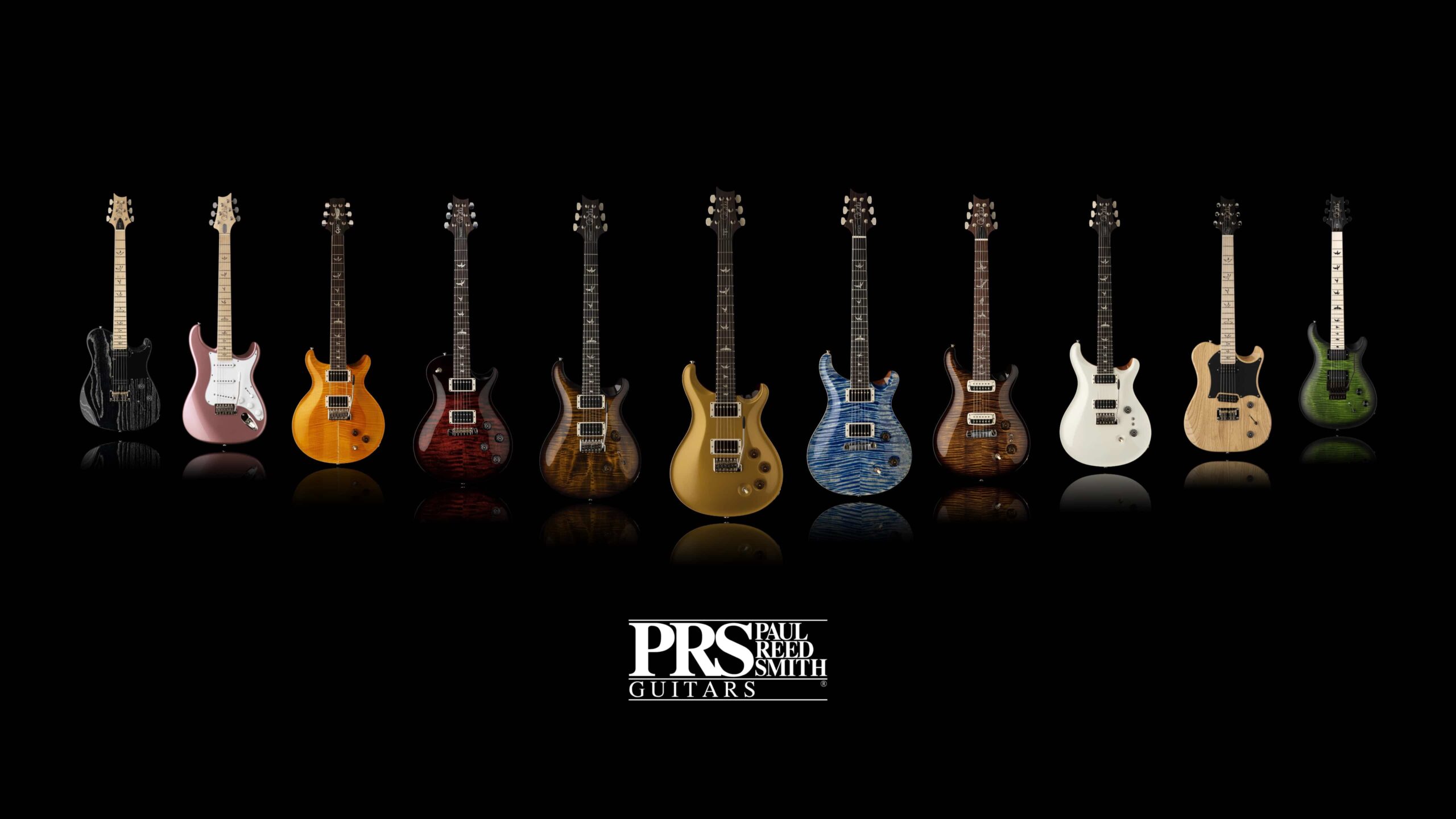
The key to choosing the right PRS is matching the model to your intended musical style and desired tone.
For max versatility, go with a Custom 24.
For vintage-inspired tones, look at the McCarty series or Silver Sky.
If you want PRS quality on a budget, start with the SE lineup.
A PRS is also a guitar whose quality is best appreciated in person.
If possible, try one out at a local shop to experience the neck contour and touch-sensitive response firsthand.
You'll quickly see why so many guitarists stick with PRS for the long haul.
Ultimately, PRS guitars are known as instruments so refined that how they sound depends on what you bring to them.
They offer the depth and flexibility to faithfully support your ideal tone and playing style.
Picking up a PRS—complete with its iconic bird inlays—might be just what your sound needs to take flight.
Consider a PRS as your next go-to guitar to experience top-tier quality for yourself.