
日本語English
14 Best Fuzz Face-Style Pedals: From Originals to Boutique Classics [Demos & Reviews]

XTONES is a participant in affiliate programs including Amazon Associates and Reverb. We may earn a commission from qualifying purchases made through links on this page, at no extra cost to you.
Contents (22)
The appeal of the Fuzz Face goes far beyond that of an ordinary drive pedal—it lies in its seamless interaction with your instrument. From glassy, chimey cleans when rolling back your guitar's volume knob to an explosive roar when cranked wide open, controlling song dynamics from your fingertips is hard to give up.
With so many variations on the market, however, finding the right model for your playing style can feel overwhelming.
Here is a curated selection of standout Fuzz Face and Fuzz Face-style pedals along with what makes each of them special.
What Is a Fuzz Face (and Fuzz Face-Style Pedal)?
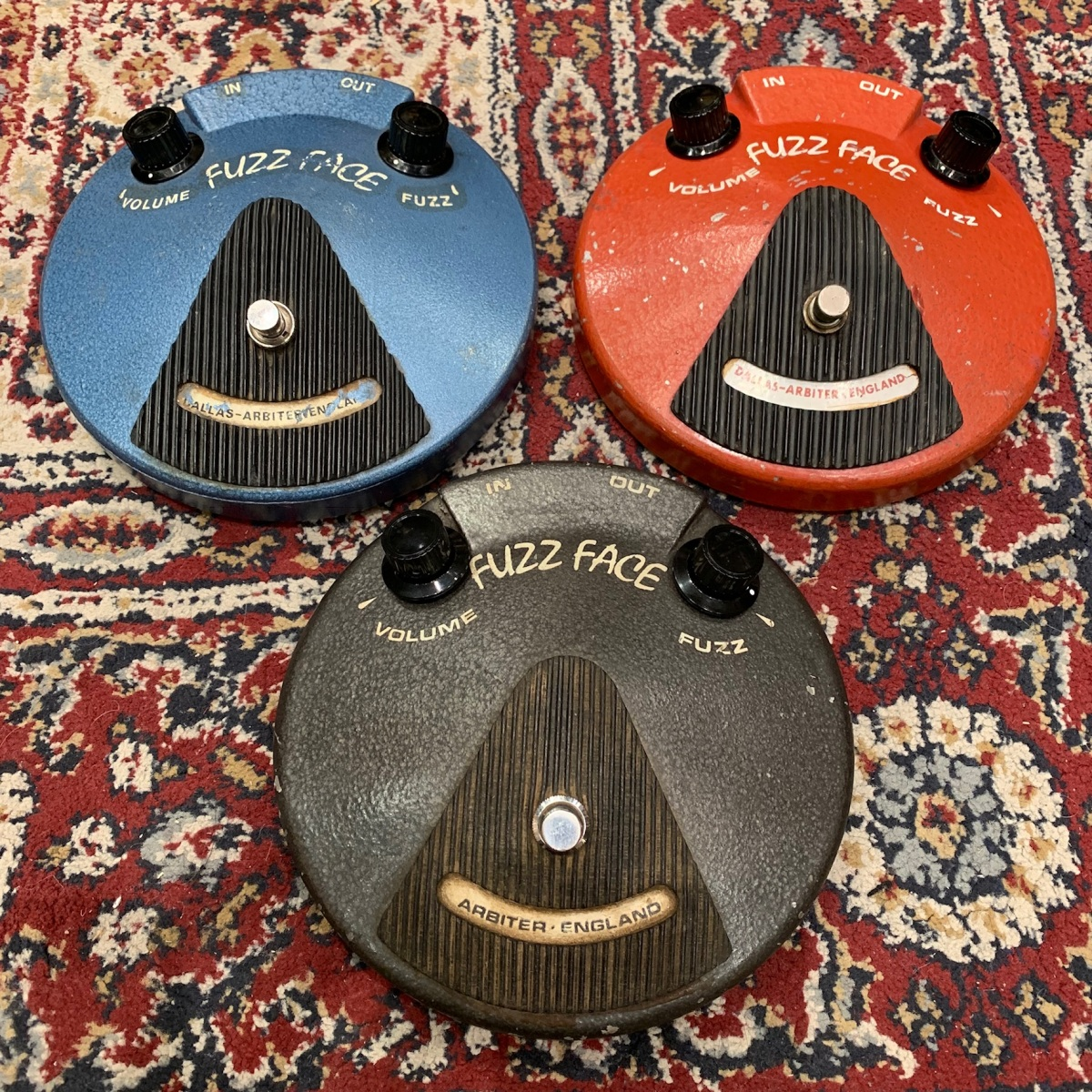
Introduced in 1966, the Fuzz Face is one of the most iconic drive pedals in electric guitar history. Made famous by legends like Jimi Hendrix and Eric Johnson, its signature sound is best described as thick, warm, and wild.
The Real Draw: Clean Tone from Your Guitar Volume
Many associate fuzz with extreme, harsh distortion, but the real magic of the Fuzz Face lies elsewhere. Its greatest strength is how dynamically it responds to your guitar's volume knob.
- Volume at 10: Explosive, wall-of-sound fuzz
- Rolled back (Vol 7–8): Crisp crunch perfect for rhythm work
- Rolled back further (Vol 2–5): Crystal-clear, chimey cleans
Leaving the pedal engaged on your pedalboard while seamlessly shifting from high-gain fuzz to pristine clean using only your guitar's volume knob creates a deep sense of integration with your instrument. That responsiveness is why guitarists have loved it for over half a century.
What Are "Fuzz Face-Style" Pedals?
While the original vintage Fuzz Face sounds incredible, it has practical drawbacks: a massive footprint, temperature sensitivity with germanium transistors, and finicky behavior when paired with wah pedals.
Modern Fuzz Face-style pedals retain the core vintage circuit while solving those real-world issues. By offering pedalboard-friendly enclosures, noise reduction, and bias controls, these designs capture vintage mojo while evolving into dependable workhorses for gigging musicians.
Below are top current-production models carrying on the Fuzz Face legacy.
Recommended Fuzz Face Pedals: The Classic Jim Dunlop Lineup
Jim Dunlop / Fuzz Face Mini Germanium (FFM2)
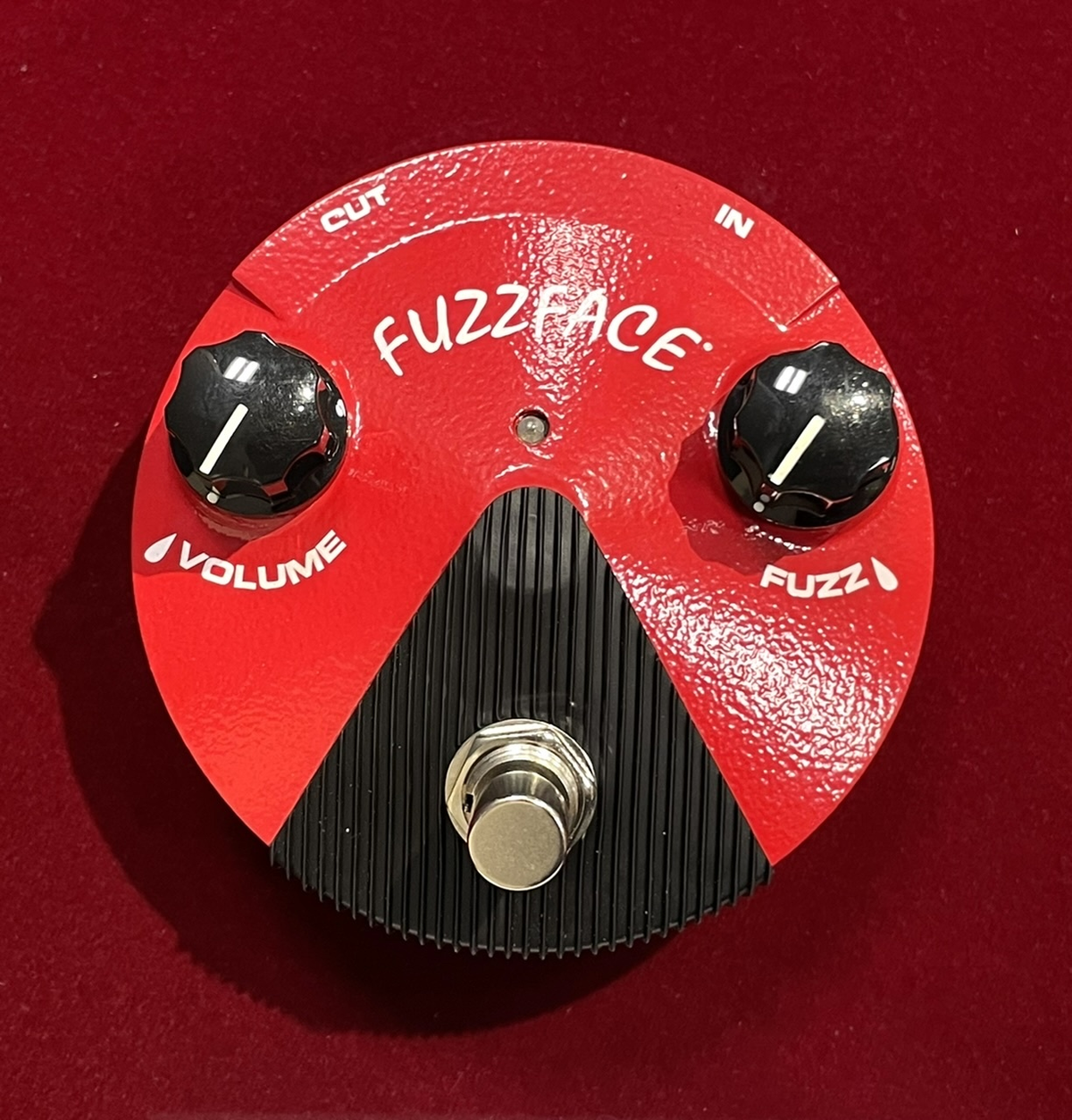
- Warm vintage tone driven by germanium transistors
- Compact circular housing easily integrates onto pedalboards
- Standard 9V center-negative power supply compatibility for easy setup
Known affectionately as the "Red Mini," this pedal uses germanium transistors just like the 1960s original, delivering a smooth, warm tone with rounded highs. Its biggest asset is the shimmering, bell-like clean sound revealed when you back off your guitar's volume knob. For blues and classic rock players who prefer dynamic control over extreme gain, this is the benchmark starting point.
Pros
- The clean tone around volume 7 on the guitar is exquisite and endlessly playable.
- Small footprint fits into tight spots on a pedalboard, and the vintage styling looks great.
- Extremely convenient that a germanium fuzz accepts a standard power adapter instead of requiring battery swaps.
Cons
- May sound dark or muffled if you are looking for modern, aggressive high-gain distortion.
- High ambient temperatures in summer can make germanium transistors sputter or gate unexpectedly.

Jim Dunlop / Fuzz Face Mini Silicon (FFM1)
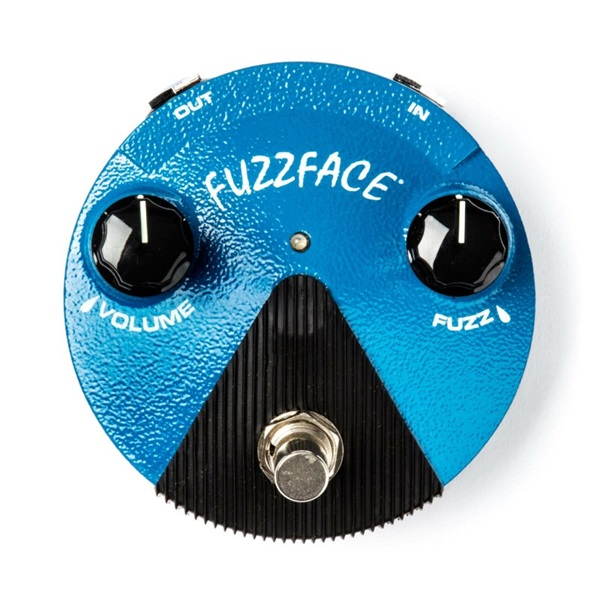
- Silicon transistors deliver consistent performance and bright, singing highs
- Higher gain than germanium models, handling aggressive fuzz with ease
- Sharp note articulation cuts through a full band mix
This is the "Blue Mini," featuring silicon transistors. Unlike germanium, silicon resists temperature shifts, delivering consistent tone under any conditions. Sound-wise, it has a sharper edge, a raspy texture, and singing sustain. While volume roll-off cleans are still achievable, this model is ideal for guitarists seeking a more modern, biting rock sound reminiscent of late-era Jimi Hendrix.
Pros
- Cuts through drums and bass effortlessly without losing presence.
- High gain level provides rich, singing sustain for lead playing.
- Immune to temperature variations, making it highly reliable live.
Cons
- High frequencies can sound overly harsh depending on amp EQ settings.
- Cleans obtained by rolling back guitar volume are not quite as sweet as germanium versions.
Jim Dunlop / JHF1 Jimi Hendrix Fuzz Face
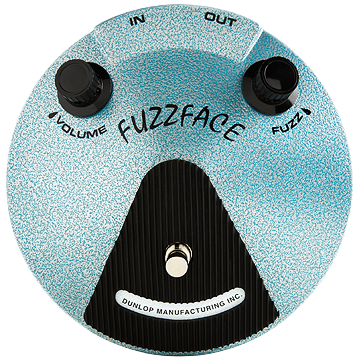
- Authentic vintage saucer enclosure with huge visual appeal
- Hand-wired circuit board for minimal signal degradation
- BC108 silicon transistors faithfully recreate Jimi Hendrix's iconic fuzz tone
Built for purists who demand the classic round enclosure. While the massive chassis takes up substantial board real estate, its tone operates on another level compared to the Mini series. The hand-wired construction yields exceptional depth, clarity, and low-end authority. The thick, raw silicon fuzz shows its true power when pushed straight into a cranked tube amp. If you prioritize vintage vibe and authentic feel over pedalboard convenience, this is the one.
Pros
- Extremely thick tone with low-end punch that mini enclosures simply cannot duplicate.
- Classic look commands attention on any pedalboard setup.
- Superb cleanup response lets you manage dynamic range entirely from your guitar volume knob.
Cons
- Oversized enclosure makes layout on standard pedalboards challenging.
- Battery-only operation (no power jack) means higher ongoing battery maintenance.

Recommended Fuzz Face-Style Pedals | Boutique Picks Loved by Iconic Guitarists
Analogman / Sun Face
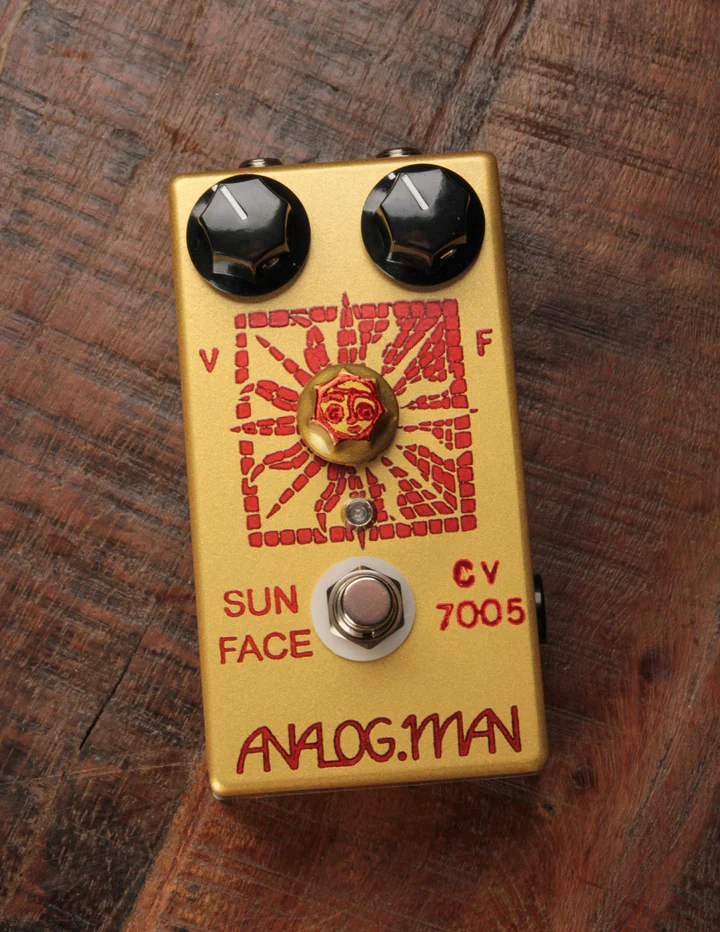
- A pinnacle Fuzz Face-style pedal sought after by fuzz fanatics worldwide
- Uses hand-selected vintage transistors (such as NKT275, depending on production era)
- External bias control knob (Sundial) allows fine-tuning for ambient temperature and preference
Often hailed as the definitive Fuzz Face, this pedal stands out for its incredible dynamic response and meticulous transistor selection for each unit. The optional "Sundial" knob solves the common germanium issue where tone turns mushy in summer heat, keeping bias voltage and punch at optimal levels. Prices tend to run high, but if you are looking for a keeper fuzz for a lifetime, it is a masterpiece well worth trying.
Positive Reviews
- The cleaned-up tone from rolling down the volume is so beautiful that you can't go back to other pedals.
- It has a thick core tone that cuts through the mix without sounding harsh.
- The bias control lets you intentionally starve the voltage for fun, spitty gated textures.
Negative Reviews
- Hard to come by, often carrying premium prices on the used market.
King Tone Guitar / miniFUZZ
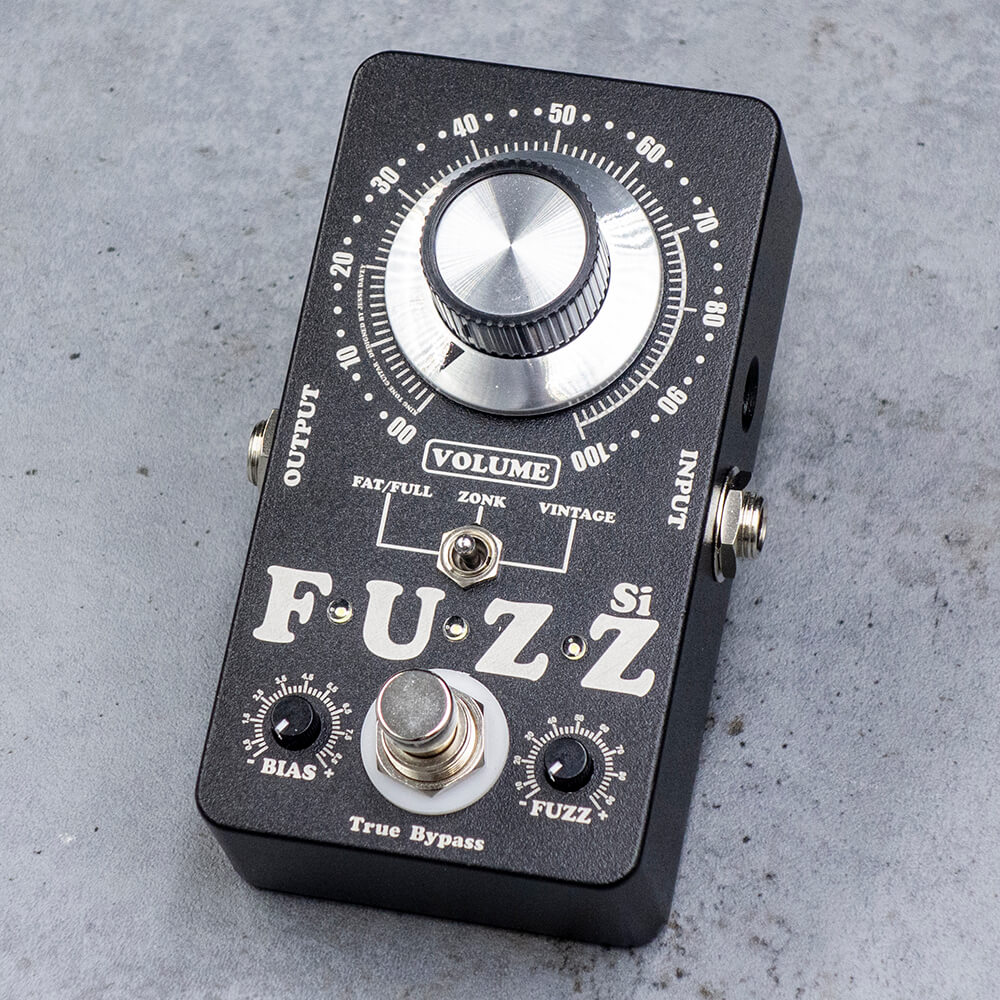
- Designed after extensive research into Stevie Ray Vaughan's (SRV) iconic tone
- Side DIP switches allow fine adjustments to low-end response and overall texture
- Built-in bias LED lets you visually confirm optimal voltage settings
King Tone Guitar enjoys massive support in the modern blues-rock scene. The miniFUZZ captures vintage nuance while matching seamlessly with modern gear setups. The side switches are particularly useful, letting you fine-tune the character from full and fat to woody and dry, making it a great match for humbuckers as well as Stratocasters. Available in both Ge (Germanium) and Si (Silicon) versions, both variants stand out for being remarkably low-noise and easy to dial in.
Positive Reviews
- Highly versatile tone shaping; switching guitars is easy with a flick of a switch.
- The LED bias indicator is a game-changer, making it easy for anyone to dial in great sound.
- Covers everything from glassy clean tones to fat, thick lead sounds effortlessly.
Negative Reviews
- Side-mounted switches can be tricky to access on a tightly packed pedalboard.
- High demand means stock is often limited, making it hard to buy when you want one.

JAM Pedals / Fuzz Phrase
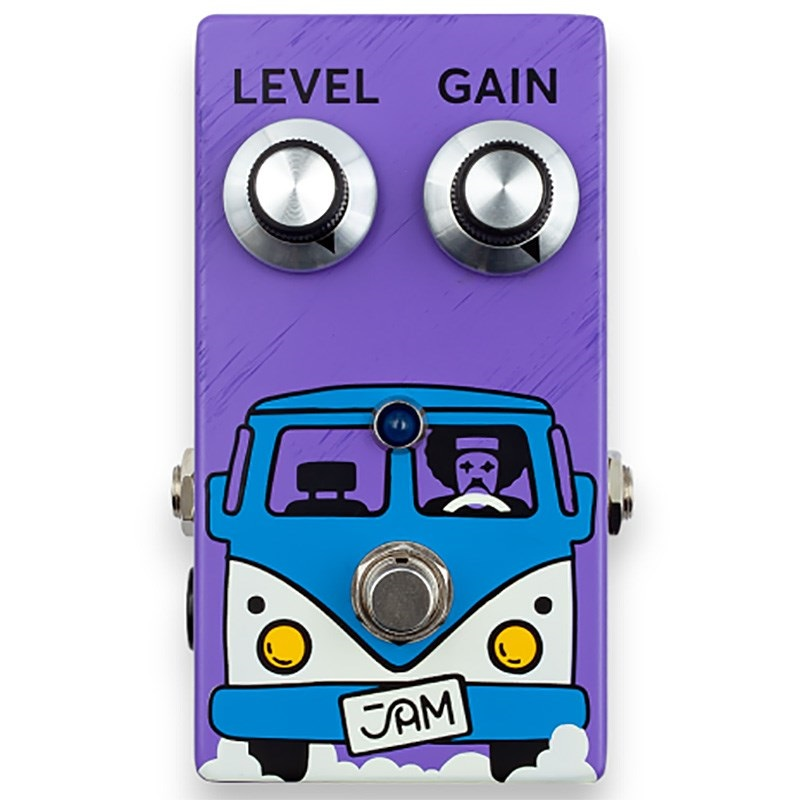
- Artisanal look and tone crafted by a Greek handmade pedal maker
- Uses rare CV7003 military-grade germanium transistors
- Internal trimmer allows bias adjustment for stable, consistent quality across units
JAM Pedals is known for its distinct aesthetic, featuring custom artwork and fabric covers. Under the hood lies a serious, top-tier germanium fuzz. The featured CV7003 transistors offer higher thermal tolerance, minimizing the temperature instability typical of germanium circuits. "Creamy" describes the tone perfectly—smooth around the edges yet rich in harmonics, delivering a charming tone that keeps you playing for hours.
Positive Reviews
- Exceptionally musical tone that captures every playing nuance.
- Extremely low noise floor, making it studio-ready right out of the box.
- Amazed by how sparkly the cleaned-up volume-roll-off tone sounds, almost like an acoustic guitar.
Negative Reviews
- Can pick up noise with an AC adapter, so running on battery power is recommended.
- The unique painted artwork might not appeal to everyone's visual taste.

Recommended Fuzz Face-Style Pedals | Stage-Ready Modern Evolutions
Benson Amps / Germanium Fuzz
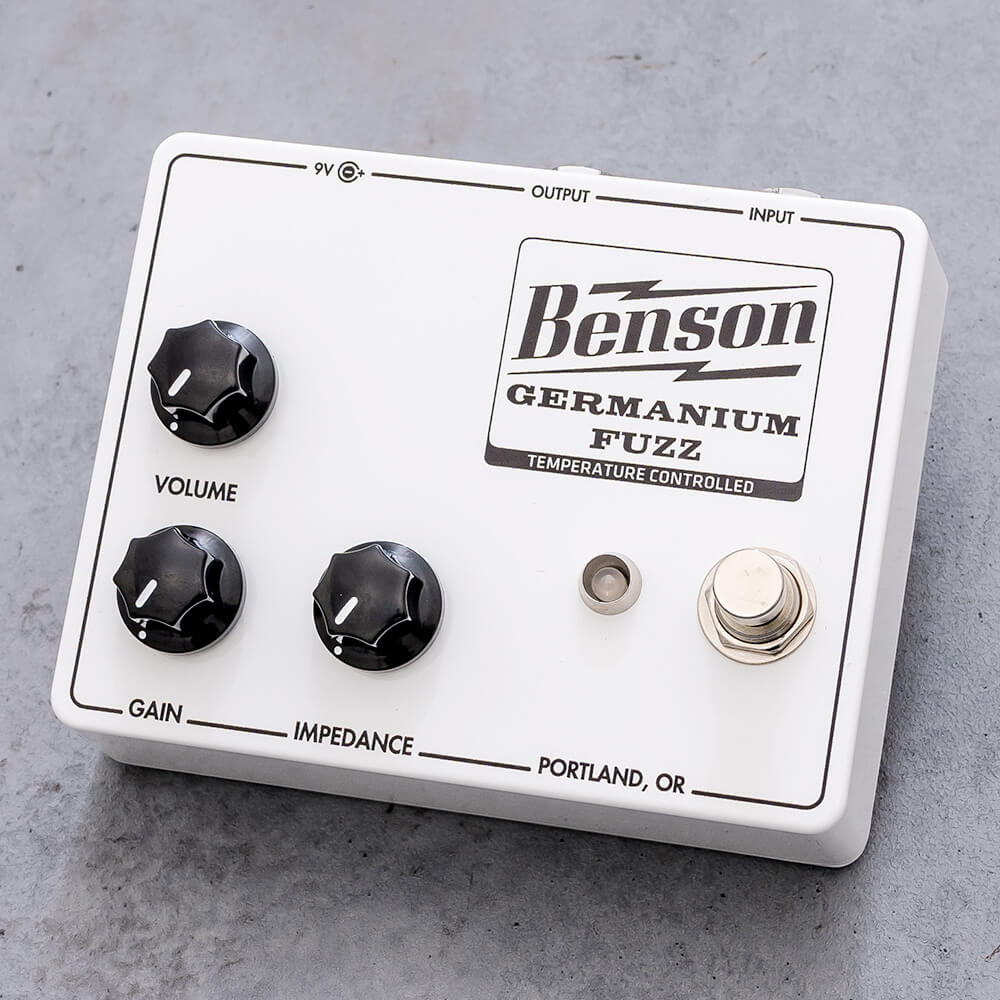
- Completely solves the thermal instability weakness of germanium transistors using automatic control
- Internal circuit automatically warms the transistor to maintain optimal bias at all times
- Impedance-matching circuit prevents tone suck even when placed after a buffer
This pedal genuinely changed the fuzz game. When powered on, an internal heater warms the transistor to optimal temperature before automatically adjusting the bias (ready when the LED turns from orange to green). As a result, you get the exact same premium tone whether playing an outdoor winter gig or a sweltering summer indoor venue. Additionally, while traditional Fuzz Faces can't be placed after a wah or buffer, this pedal can go anywhere in your signal chain. It completely rewrites the classic tradeoff of germanium fuzz: great tone, terrible stability.
Positive Feedback
- The peace of mind knowing you get top-tier sound in any environment just by powering up and waiting a moment is huge.
- It doesn't alter its tone regardless of where it sits on the pedalboard, making board layout super easy.
- Cleans up to drive extremely smoothly with an amp-like feel and response.
Negative Feedback
- Requires a few minutes of warmup time after powering on, which can be inconvenient if you're in a hurry.
- Current draw is relatively high for a fuzz, so you need to check your power supply capacity.

VEMURAM / Myriad Fuzz
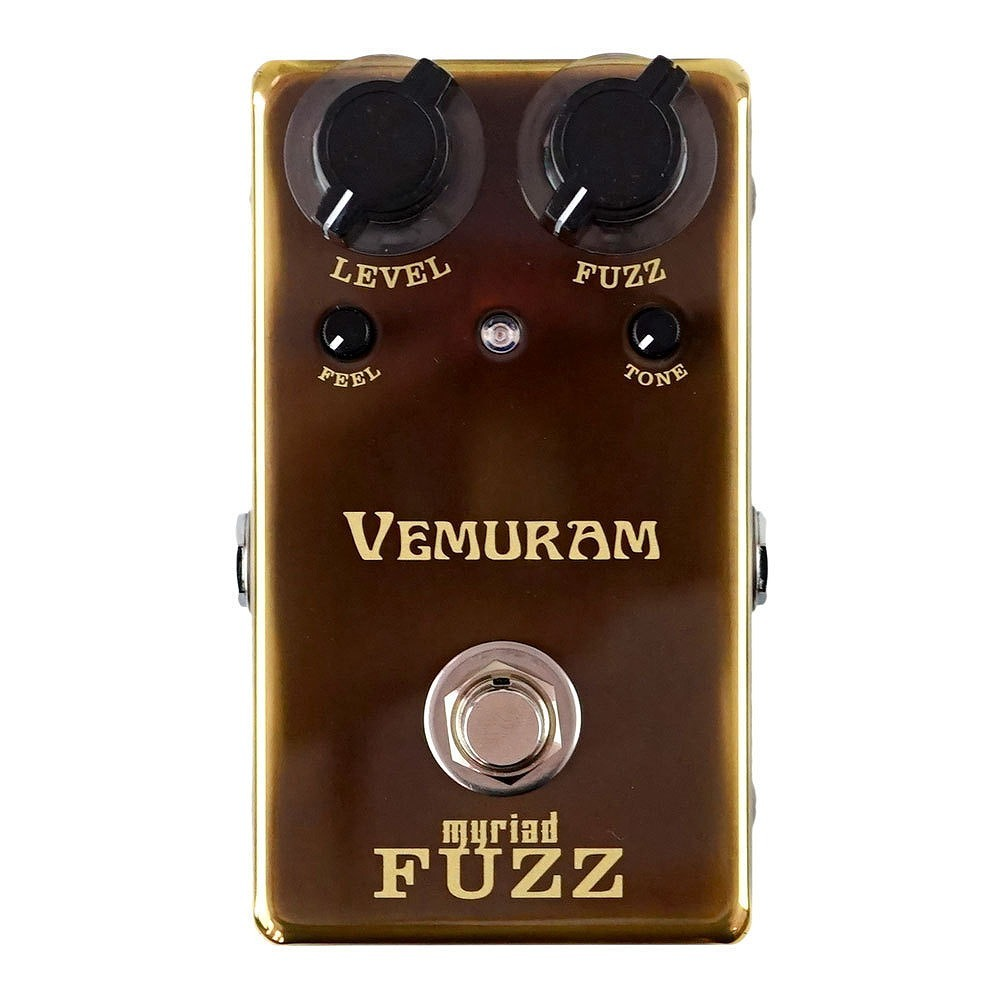
- Collaboration model with master guitarist Josh Smith
- Hybrid silicon and germanium circuit delivering a unique, chewy sag and sustain
- Customizable fuzz texture and gating via the Feel knob and mix controls
A masterpiece from Japan's high-end pedal maker VEMURAM. While based on a Fuzz Face circuit, it offers far broader tone-shaping capabilities. Adjusting the top trimmer and Feel knob takes you anywhere from sputtering gated fuzz to smooth, overdrive-like crunch. High headroom makes it ideal for pushing a tube amp hard. If you're looking for a practical fuzz that cuts through the mix in a band setting, this is it.
Positive Feedback
- Sounds rich through any amp. The sound pressure and presence are amazing.
- Combines the best of fuzz and overdrive, making it versatile across any genre.
- The premium enclosure and remarkably low noise floor show true VEMURAM quality.
Negative Feedback
- Very expensive, making it a serious investment rather than a casual purchase.
- With lots of tweaking options, beginners might take time finding their ideal sound.

MXR / M296 Classic 108 Fuzz Mini
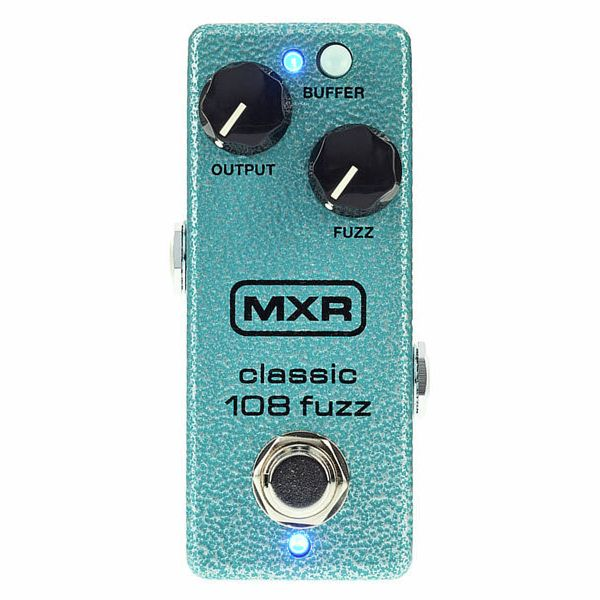
- Classic silicon Fuzz Face (BC108) tone packed into an ultra-compact housing
- Built-in Buffer switch eliminates impedance issues when paired with wah pedals
- Rugged enclosure and bright status LED provide great durability and stage visibility
Engaging a fuzz after a wah pedal often causes high-pitched oscillation squeals—a problem almost every Hendrix fan encounters. This pedal fixes that issue with a single switch. Turning the Buffer switch on lets you get that iconic, aggressive wah-fuzz combination without worrying about pedal placement. The tone itself is classic silicon fuzz: bright, bitey, and aggressive. Compact, trouble-free, and affordable, it's an ideal choice for working guitarists.
Positive Feedback
- The Buffer switch is super handy. If you use wah and fuzz together, this is the easiest solution.
- Very compact. Adds authentic fuzz tone without taking up valuable pedalboard space.
- Affordable price point, yet delivers solid vintage-style tone with great value.
Negative Feedback
- The enclosure is so light that thick instrument cables can sometimes cause it to tilt or lift up.
- Lacks internal trimmers, so tone shaping is straightforward rather than highly versatile.

Recommended Fuzz Face-Style Pedals: Japanese Boutique Builds
Organic Sounds / Orga Face
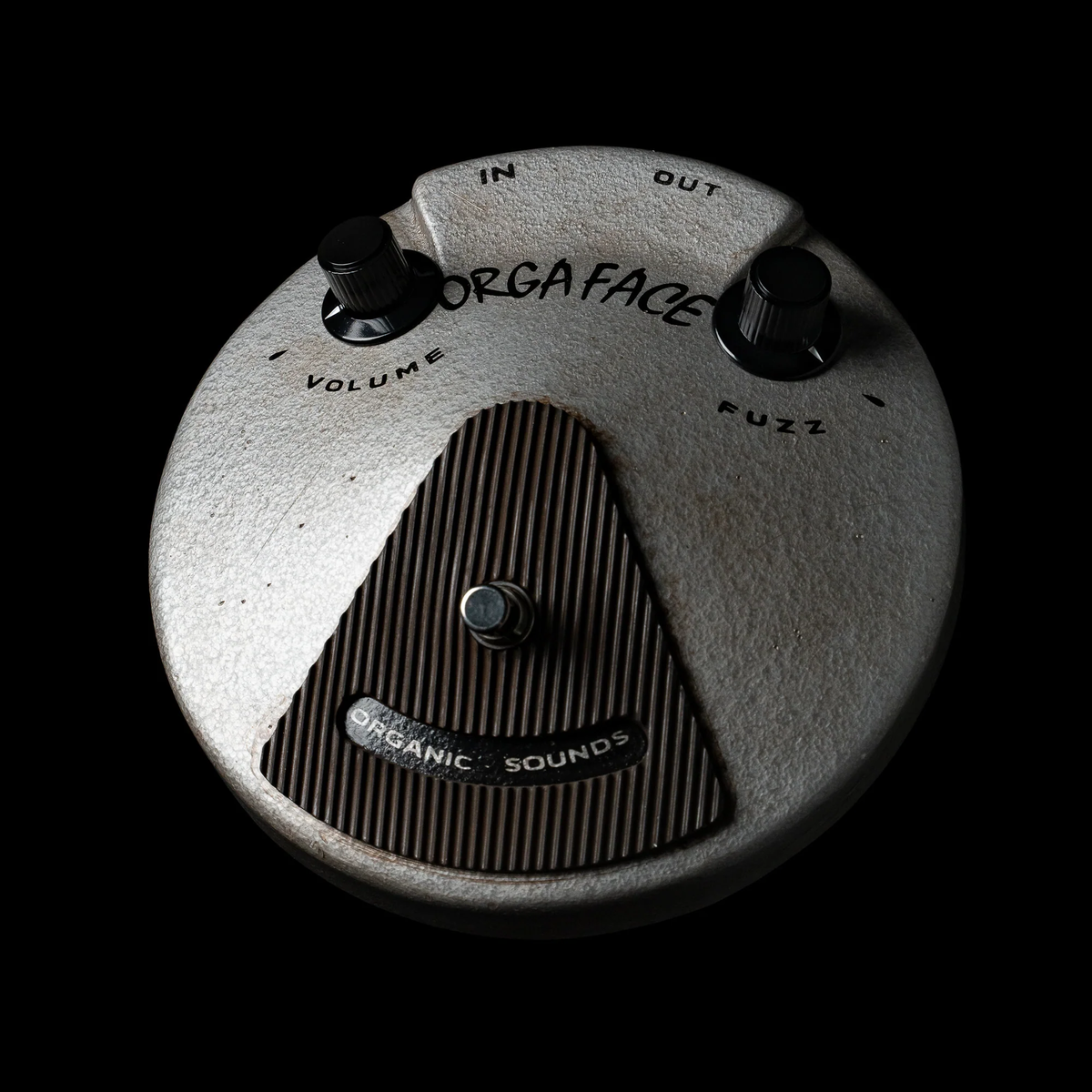
- Meticulous sound pursuit by a builder with deep expertise in vintage components
- Faithful recreation of vintage gear aesthetics, right down to the paint finish and knob shapes
- Simulates the unique compression and sag of a dying battery
Organic Sounds has been generating massive buzz among gear enthusiasts. The "Orga Face" isn't a direct clone of a single vintage unit; instead, it reconstructs the musical resonance characteristic of the originals. Its side control knob is particularly unique. Adjusting it allows you to dial in everything from the punchy tone of a fresh battery to the vintage, slightly gated sag of a dying one. It is a living, breathing pedal that responds directly to your touch dynamics.
Positive Reviews
- The vintage texture and sag are incredible. Getting this tone without buying actual vintage gear is mind-blowing.
- Exceptionally fast picking response.
- The aged finish looks incredible and makes you proud to own it.
Negative Reviews
- The tone is extremely raw and unforgiving—it won't hide mis-hit notes or sloppy technique.
- Production numbers are low, so finding one in stores is difficult.

Virtues / Lander
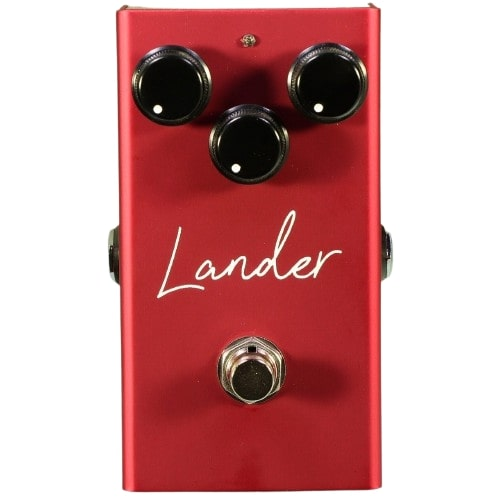
- Delivers germanium-like warmth using silicon transistors
- Based on classic Fuzz Face circuitry, enhanced with modern clarity and resolution
- Quick tone tweaking via the knob on the top of the enclosure
The flagship model from rising Japanese builder Virtues, highly praised by boutique pedal shops like CULT. While offering the ease of use and high-gain capabilities of silicon transistors, it tames harsh high frequencies, providing the thick, sticky response typical of germanium. Its standout feature is its clarity—chords don't turn into mud, outputting a wall of sound with excellent string separation. A modern classic capable of covering everything from shoegaze to blues.
Positive Reviews
- Rolling back the guitar volume yields a gorgeous clean tone with glass-like clarity.
- Despite using silicon, the sound isn't harsh, making lead playing feel fantastic.
- Compact and lightweight, yet its sonic footprint rivals full-sized pedals.
Negative Reviews
- Extremely popular and sells out instantly on every restock, making it difficult to acquire.
- The paint chips easily (by design), which might not suit players who prefer pristine gear.

Idea Sound Product / IDEA-FZX

- Features silicon transistors (BC108, etc.) while eliminating vintage quirks and instability
- Built-in buffer circuit prevents tone degradation even when placed after wah pedals or other effects
- Extremely responsive to guitar volume adjustments, allowing linear control over gain
Designed specifically for gigging musicians who want vintage fuzz tones without the hassle of integrating fussy vintage circuits into modern setups. Its main feature is custom buffer tuning that prevents tone loss even when placed after a buffer. This allows you to position it anywhere on your pedalboard and seamlessly integrate it into switcher systems. The tone balances silicon's sharp edge with germanium's warm body. The added Tone control is also brilliant from an engineering standpoint, letting you dial out harsh top-end to match your amp.
Positive Reviews
- Surprisingly low noise for a fuzz pedal. Solos stay dead quiet even at high gain.
- Sounds great placed after a wah pedal without requiring signal chain re-routing.
- Rolling off the guitar volume creates a clean tone that feels even richer and sweeter than the bypass signal.
Negative Reviews
- If you want a 100% authentic vintage replica, the sound might feel a bit too clean or polished.
- The enclosure LED is extremely bright and can be distracting on dark stages.

Phantom fx / Sabbath Black Gaze
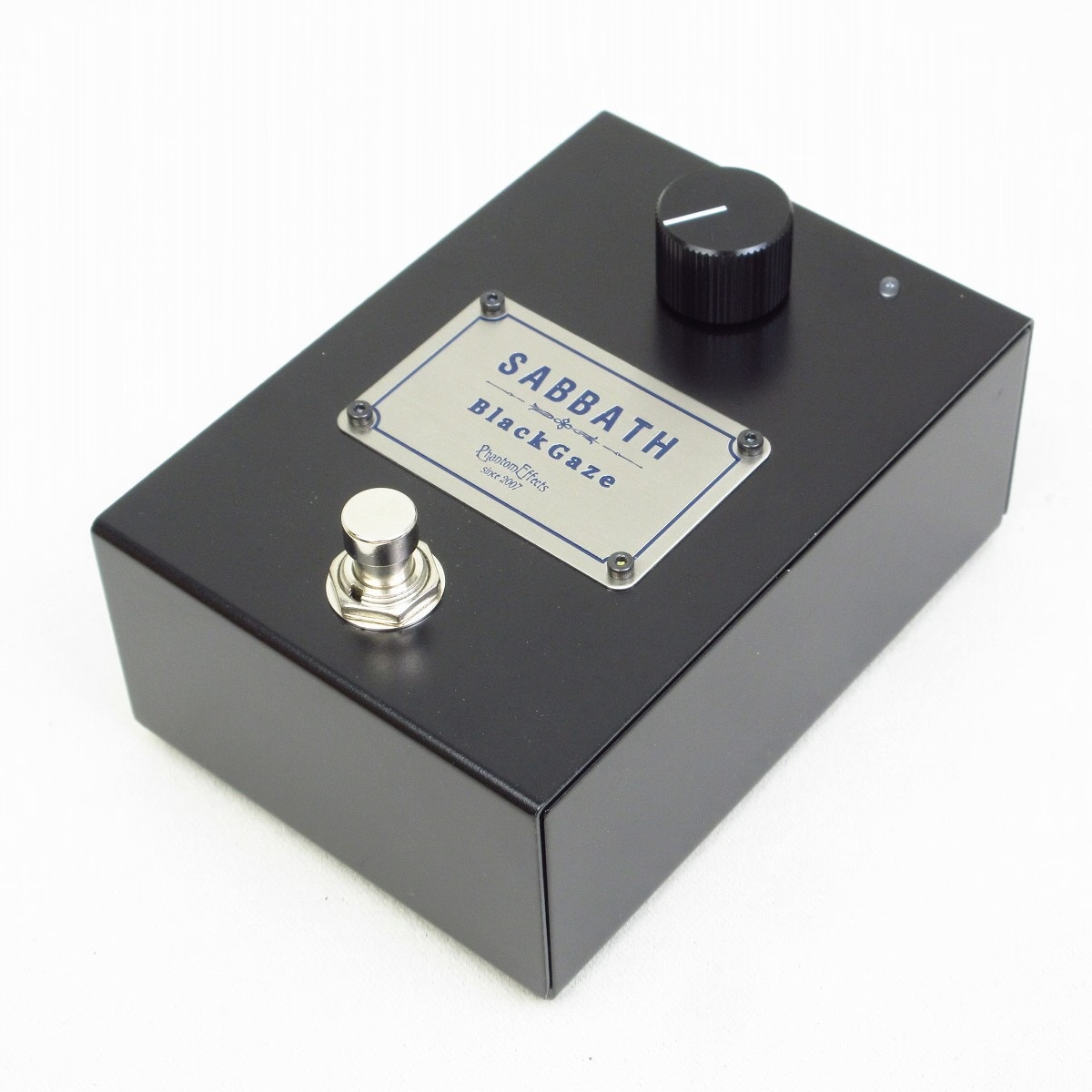
- Features a "Virtual Pickup" input circuit, allowing placement after buffers or loop switchers
- Based on the iconic Sabbath, voiced with an even heavier, darker emphasis on low-mids
- Creates a massive wall of sound perfect for shoegaze and blackgaze
A limited-run evolution of the cult-favorite Sabbath, designed for modern, complex pedalboard setups. Its biggest advantage is solving traditional impedance issues with a proprietary input circuit. While standard Fuzz Face-style pedals must connect directly to your guitar, this unit retains its full tone and dynamics even behind wireless units or loop switchers. Tone-wise, it drops the low end even lower, combining Russian Big Muff density with explosive Fuzz Face aggressiveness for massive soundscapes. For players seeking thick, room-filling textures rather than delicate chime, it’s hard to beat.
Pros
- Even though it's a Fuzz Face-style pedal, you can place it almost anywhere in a switcher setup—very convenient.
- The low end is massive, yet in a band context, it stays clear and anchors the mix.
- Fine gain grain and massive chordal spread deliver quintessential shoegaze tone.
Cons
- Being a limited production run, it is hard to find and rarely pops up on the used market.
- Rolling down your guitar volume yields a darker clean tone rather than vintage sparkle.

Flying Teapot / Rum and Coke
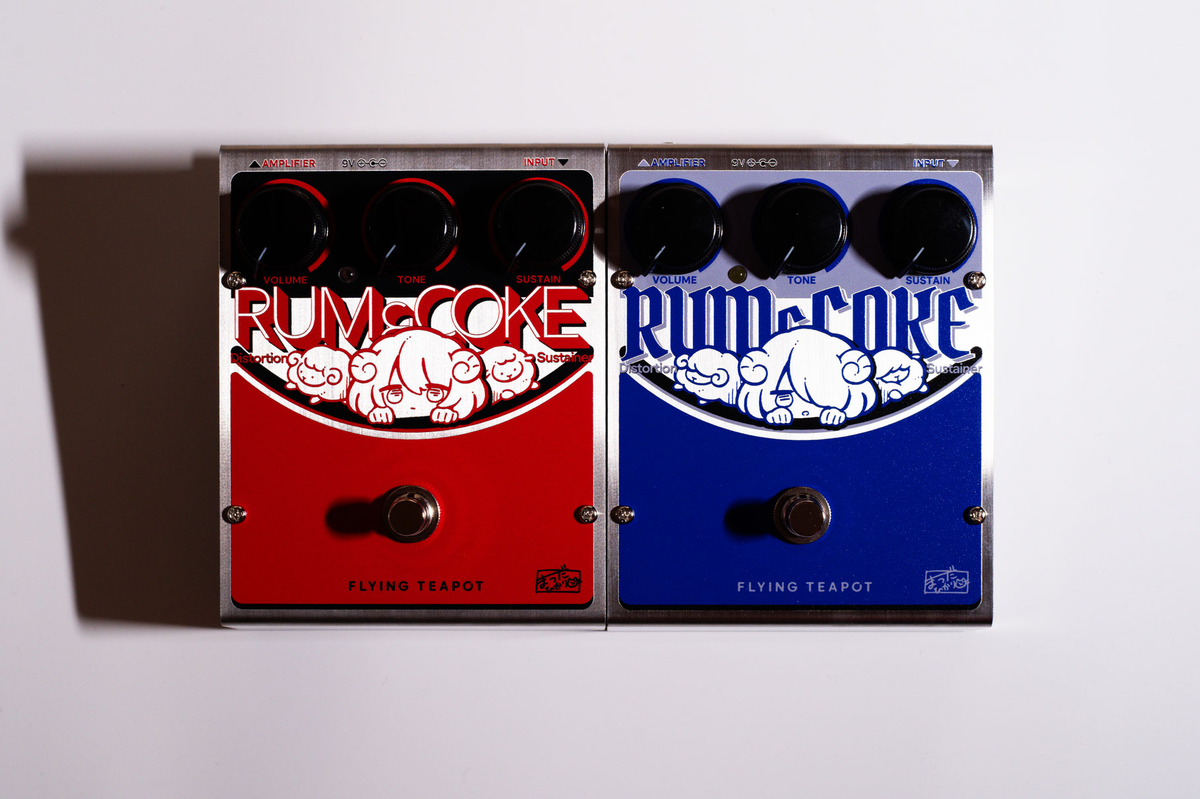
- A brand known for its obsessive component selection, loaded with rare vintage parts
- Packs authentic Fuzz Face tone into a cute, retro enclosure
- Internal components (germanium/silicon) vary by production run, offering unique variations per unit
Flying Teapot is known among pedal enthusiasts for charming enclosure designs and obsessive component choices. Built on a Fuzz Face-style circuit, this model uses whatever premium vintage parts the builder had on hand at the time of production. Consequently, specs vary between production batches, but they all share an articulate, glassy texture. It's voiced to ensure the fuzz cuts cleanly through a band mix without getting muddy, making it an exceptional pairing with single-coil guitars. Despite its cute design, it delivers uncompromising vintage tone.
Pros
- The enclosure design is adorable and looks great on any pedalboard.
- Excellent note definition—chords stay clear without collapsing into mud.
- Lowering the gain lets you use it as an always-on preamp to fatten up your tone.
Cons
- Because component selection varies, finding an exact unit with your preferred sound can take work.
- Some units exhibit a noticeable switch pop when engaged.

Summary | Unlocking Expressive Fuzz Tones
Here are some top Fuzz Face-style pedals worth checking out today.
What makes a Fuzz Face-style pedal so compelling isn't just gain. Its true value lies in its expressiveness—translating your pick dynamics, guitar volume adjustments, and playing nuance straight to your amp.
- For a standard reference point, start with Jim Dunlop's mini series.
- For a lifetime keeper, explore boutique options.
- For hassle-free gigging, look to modern, evolved designs.
You can't go wrong with any of these. What matters most is whether the pedal's sweet spot aligns with your playing style. Don't get too caught up in specs or price tags—go with the pedal that excites your instincts. It might just become your go-to stompbox.